
Film
Alice Adams
Katharine Hepburn shines as a restless young woman desperate to escape her working-class life, inventing and performing her way through social situations with a mixture of ambition and shame. When she finally attracts the man of her dreams, her mother's misguided attempts to appear wealthy create an evening of cringe-worthy comedy and genuine pathos. It's a character study disguised as a romantic drama—funny, uncomfortable, and deeply felt.
Should you watch it?
Watch it if you enjoy quietly painful comedy of manners, where a character's small pretensions and family embarrassments land harder than any big dramatic event, and you like a romance that is really about class and self-deception.
Skip it if you want brisk plotting or a steady stream of laughs; this is a 1935 studio drama that lingers on awkward social moments and has a stagy, talky rhythm.
What it asks of you: Roughly an hour and forty minutes of patient, mostly indoor scenes where you watch people try too hard, so it rewards attention to faces and small gestures rather than action.
Not sure? Find tonight's pick in a minute.
If you liked this
Breakfast at Tiffany's1961
Audrey Hepburn playing a woman navigating social hierarchies and reinventing herself through elegance and charm. Like Alice, Holly Golightly performs her way through the world, though with more style and fewer apologies.
But The film's treatment of its Asian characters is painfully dated, and some may find Holly's constant evasiveness less endearing than the script intends.

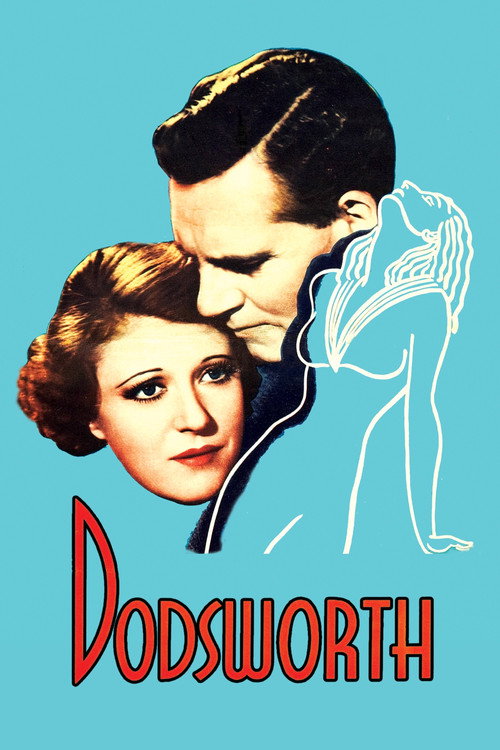
Dodsworth1936
Walter Huston as a retired businessman discovering who he actually is when freed from social expectation. Shares Alice's theme of reinvention and class, but flips the perspective to someone shedding rather than climbing.
But It's slower-paced than modern audiences expect, and the gender dynamics, while progressive for 1936, feel complicated now.
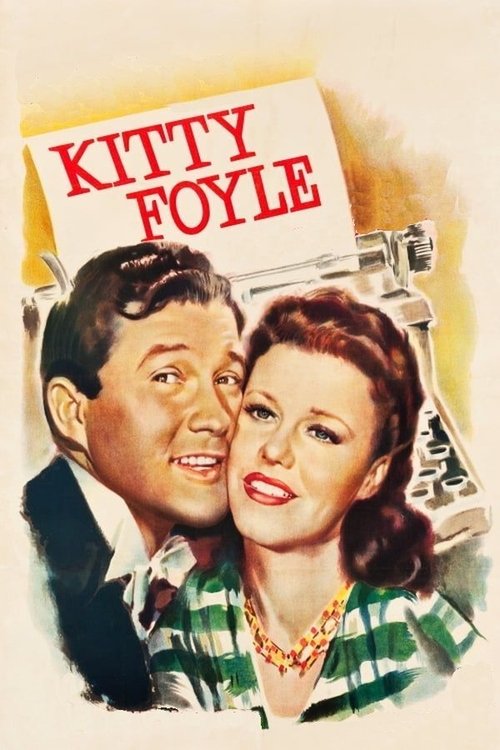
Kitty Foyle1940
Ginger Rogers as a working woman caught between two worlds and two men, fighting her way up from secretarial work. The same anxious energy as Alice, but Rogers brings scrappier determination and the stakes feel higher.
But The ending may feel like a compromise to contemporary viewers, and the film's optimism about class mobility is more asserted than earned.
Not sure tonight? Get a pick in a minute, starting from Alice Adams
The wildcard
Something you would not have found on your own.
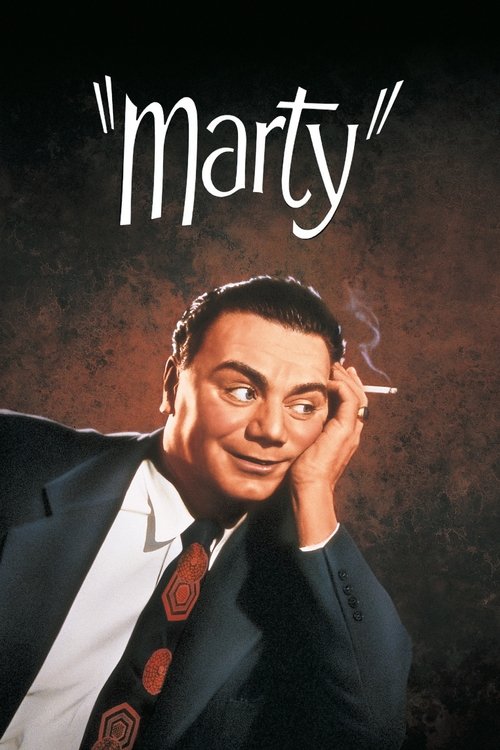
Marty1955
Both are character studies about people from ordinary backgrounds navigating shame and longing in a world that doesn't value them, shot through with genuine empathy for the humiliations that come with that.
Paddy Chayefsky's tender, unglamorous look at a working-class man trying to find connection and worth. It has Alice Adams' quiet desperation and class consciousness, but trades social climbing for the ache of simply wanting to matter to someone.
But It's deliberately unglamorous and slow, with a protagonist who is not conventionally attractive or charming. If you want to watch someone perform their way to admiration, Marty doesn't work that way.
More like this (8)
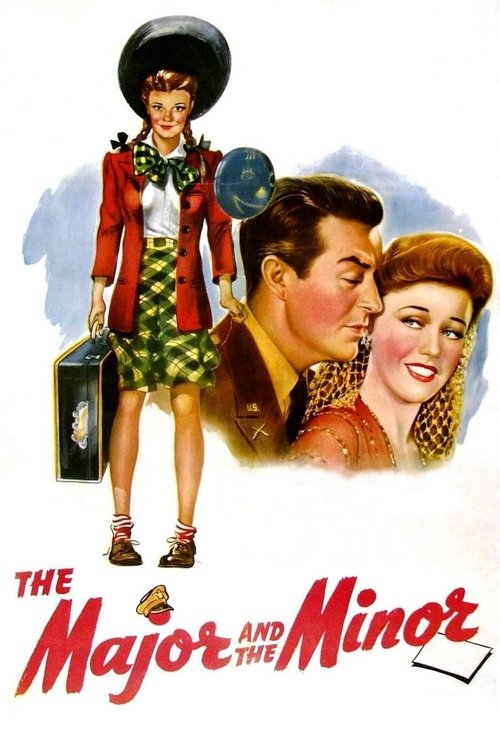
The Major and the Minor1942
Ginger Rogers pretending to be someone she isn't to get what she wants. Hepburn and Rogers both specialized in playing women who could be funny and desperate in the same moment.
But The premise involves an adult woman disguising herself as a child, which creates uncomfortable moments that feel wrong even by 1942 standards.
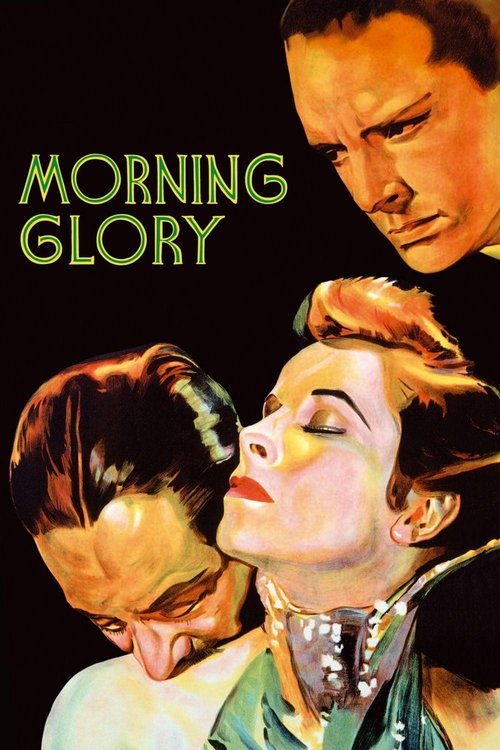
Morning Glory1933
Katharine Hepburn's Oscar-winning role as a stage-struck young woman so eager to belong to the theatrical world she'll say anything. It's Alice's ambition transplanted to Broadway, with Hepburn channeling that same manic sincerity.
But Her performance is theatrical in ways that can feel mannered if you're not already charmed by Hepburn's particular gifts.
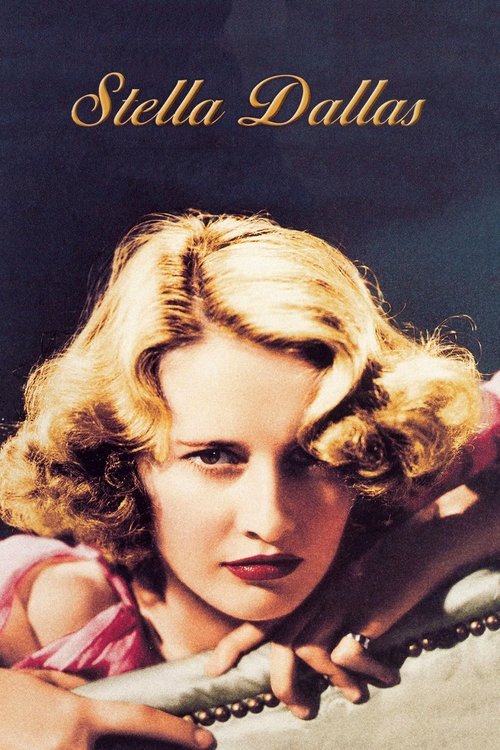
Stella Dallas1937
Barbara Stanwyck as a lower-class woman desperate to give her daughter access to a better life, willing to humiliate herself to do it. It explores class anxiety and maternal ambition with real emotional weight.
But The melodrama is heavy and unironic in ways that make it emotionally exhausting rather than cathartic.
The Philadelphia Story1940
Hepburn again, playing a woman navigating social expectations and discovering who she actually is beneath the performance. It's Alice Adams with a happy ending and more champagne.
But The film is so assured and glamorous that it can feel distant—less desperate and awkward than Alice Adams, more sophisticated wish-fulfillment.

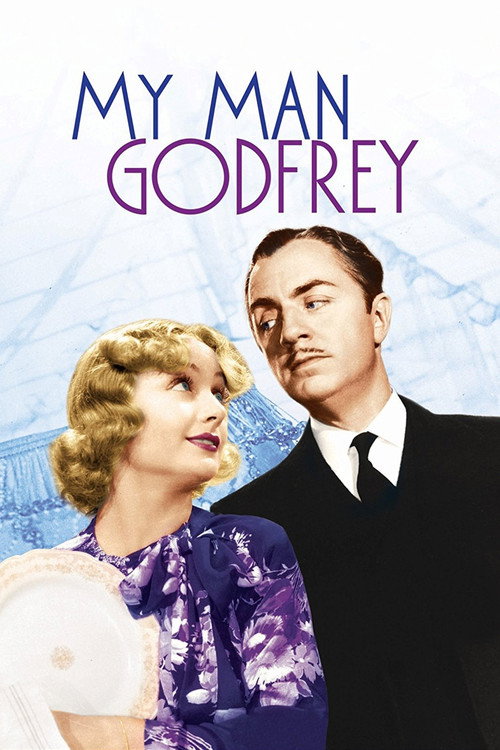
My Man Godfrey1936
William Powell and Carole Lombard in a screwball comedy that uses class and social performance for both laughs and genuine critique of wealth and worth. Shares Alice's theme of people being more than their station.
But Screwball comedy's frenetic pace and overlapping dialogue make it hard to follow if you're not in the rhythm of it from scene one.
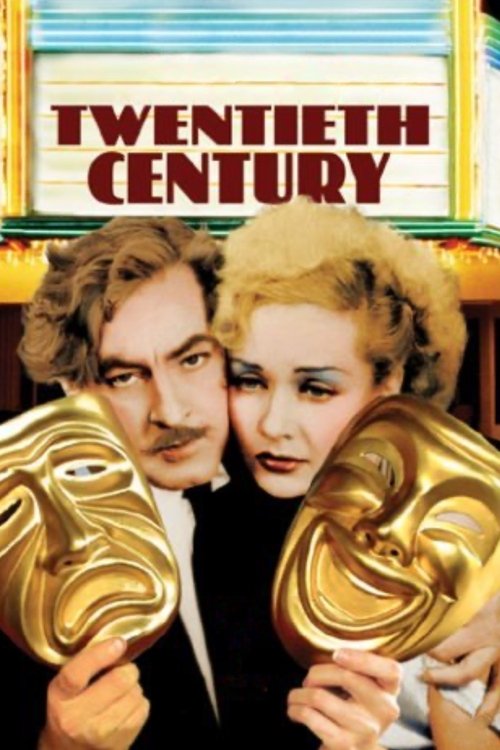
Twentieth Century1934
John Barrymore and Carole Lombard performing wildly for each other on a train. If you respond to the energy in Alice Adams—people saying and doing anything to impress—this is pure concentrated essence of that impulse as farce.
But Barrymore's theatrical excess and the film's frantic pacing will feel dated and possibly exhausting if you prefer quieter storytelling.
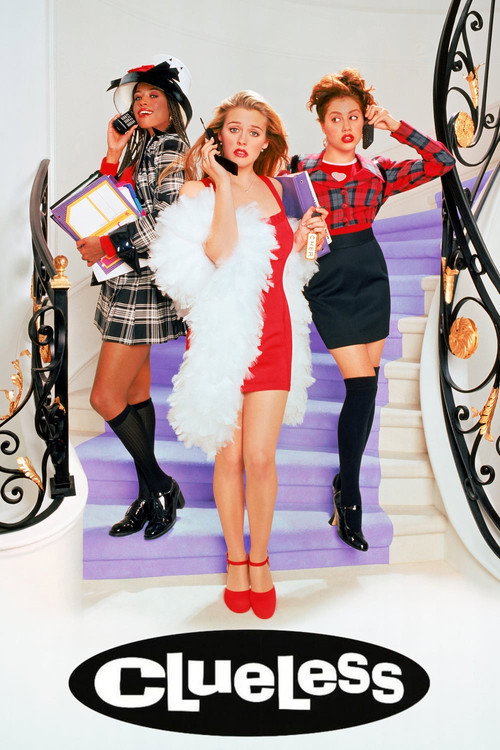
Clueless1995
Both explore how women perform and reinvent themselves within rigid social hierarchies; Clueless is what happens when that performance succeeds and when a character realizes performance isn't the same as connection.
Amy Heckerling's witty deconstruction of social performance and self-invention. Alice Adams is the template here—a young woman performing versions of herself to climb the social ladder—but transplanted to Beverly Hills with Alicia Silverstone's comic timing and the film's genuine warmth underneath the satire.
But The 1990s references are now dated, and the film's satire of wealth can feel thin if you're looking for Alice Adams' emotional stakes and class anxiety.
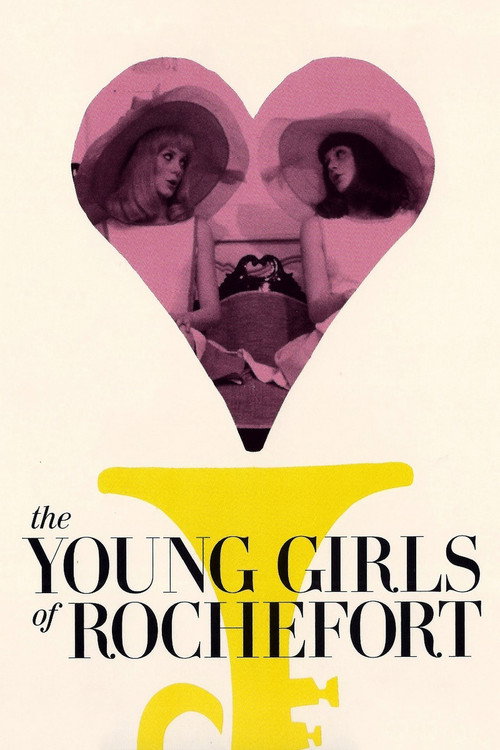
The Young Girls of Rochefort1967
Inverts Alice Adams' emotional register entirely—same theme of young women wanting more from life, but rendered as exuberant and life-affirming rather than anxious and painful; a study in how tone and form completely reshape meaning.
Jacques Demy's musical about two sisters dreaming of escape and connection, where working-class life is treated with colour, music, and genuine affection rather than shame. It shares Alice Adams' yearning but replaces the mortification with joy and possibility.
But It's a musical in French, which narrows the audience immediately. If you dislike the artificiality of people breaking into song, this film's entire point will feel like an obstacle.
People
Cast
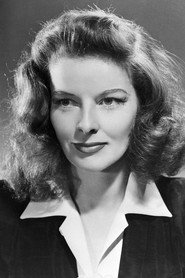 Katharine HepburnAlice Adams
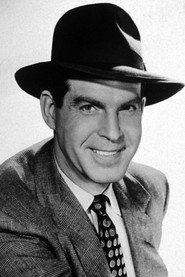 Fred MacMurrayArthur Russell
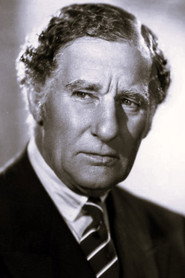 Fred StoneVirgil Adams
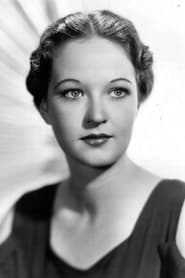 Evelyn VenableMildred 'Georgette' Palmer
 Frank AlbertsonWalter Adams
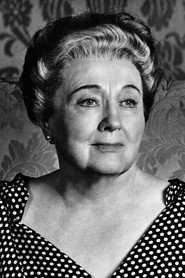 Ann ShoemakerMrs. Adams
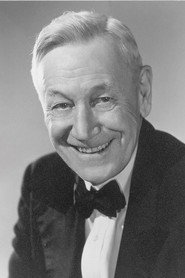 Charley GrapewinJ. A. Lamb
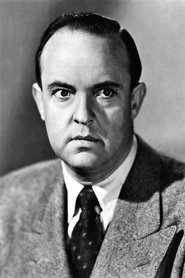 Grady SuttonFrank Dowling
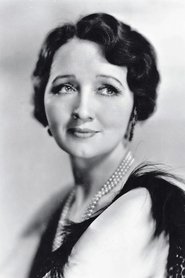 Hedda HopperMrs. Palmer
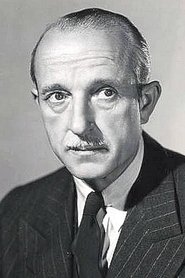 Jonathan HaleMr. Palmer
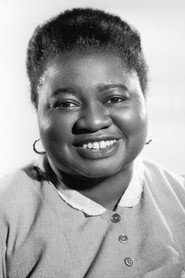 Hattie McDanielMalena Burns - Maid Serving Dinner
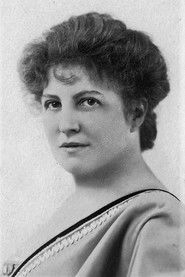 Zeffie TilburyMrs. Dresser (uncredited)
Directing
- George StevensDirector
Writing
- Booth TarkingtonNovel
- Dorothy YostScreenplay
- Jane MurfinScreenplay
- Mortimer OffnerScreenplay
Production
- Pandro S. BermanProducer
Recommended by
Morning Glory, Five and Ten, Shopworn, A Woman Rebels, Female, Christopher Strong, I Take This Woman, Finishing School