
Film
Kitty Foyle
Ginger Rogers shines in this 1940 portrait of a working woman torn between a stable, loyal suitor and a glamorous socialite who can't defy his family's class prejudices. It's intelligent romantic drama that takes its heroine's agency seriously—she chooses her own path rather than waiting to be chosen. A smart film for anyone who loves character-driven stories about real grown-up dilemmas.
If you liked this
Breakfast at Tiffany's1961
Audrey Hepburn as a woman navigating love, independence, and social climbing with wit and vulnerability. Like Kitty Foyle, it's about a woman defining herself on her own terms, though in a very different New York.
But Holly Golightly can feel distant and unknowable in ways that frustrate some viewers. The film's treatment of race is deeply of its era.

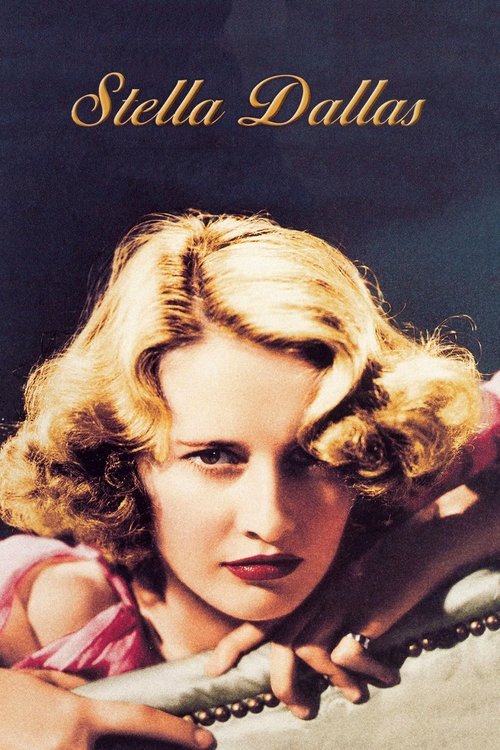
Stella Dallas1937
Barbara Stanwyck in a working-class melodrama about mothers, social aspiration, and the cost of loving someone from a different world. The emotional core hits as hard as Kitty Foyle's class-consciousness themes.
But It's a maternal sacrifice story that may feel manipulative if you're not in the mood for old-fashioned tear-jerking. The pacing is deliberate.
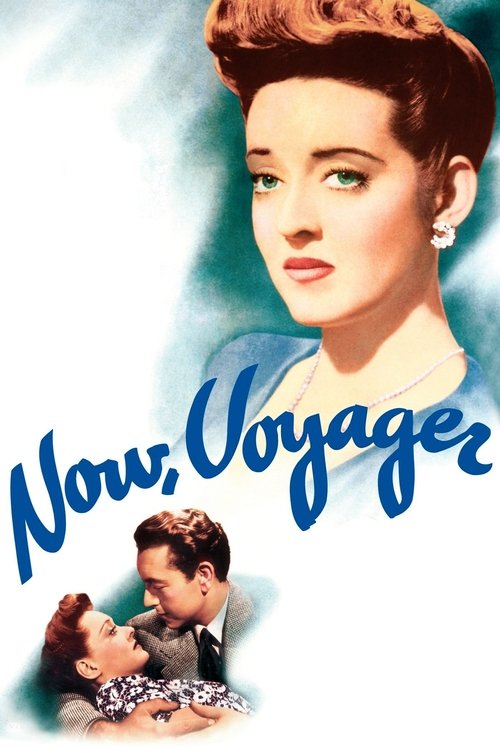
Now, Voyager1942
Bette Davis transforms from dutiful daughter to woman reclaiming her life. Like Kitty Foyle, it's about female agency and choosing what matters most, with gorgeous cinematography and genuine emotional depth.
But The psychiatry subplot feels dated now, and there's a passivity to how the romance resolves that modern viewers might find frustrating.
Not sure tonight? Get a pick in a minute, starting from Kitty Foyle
The wildcard
Something you would not have found on your own.
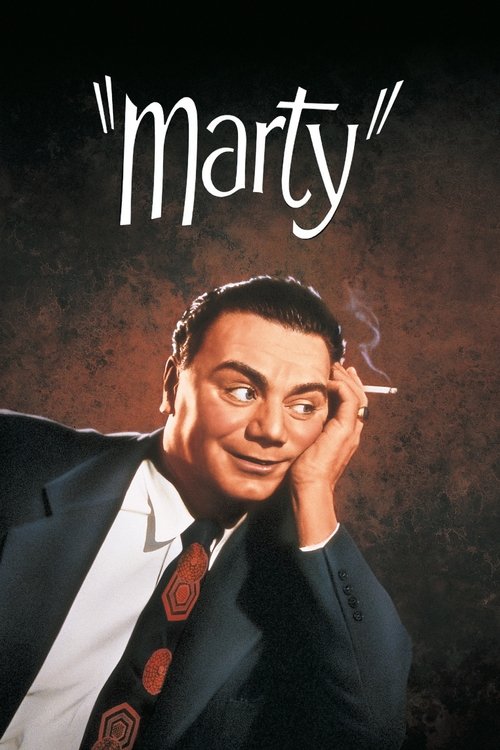
Marty1955
Both films argue that working-class people deserve love and self-determination, and that choosing someone 'beneath' you socially is actually the moral choice. Both center ordinary people as worthy protagonists.
A tender, genuinely funny story about a working-class butcher in his thirties finding love with a woman dismissed as plain. It's structured exactly like a Kitty Foyle romance, but with a man at the center discovering he deserves happiness despite class and social pressure.
But It's in black and white with a modest, unglamorous setting. If you want the elegant 1940s milieu, this will feel smaller and sadder.
More like this (8)
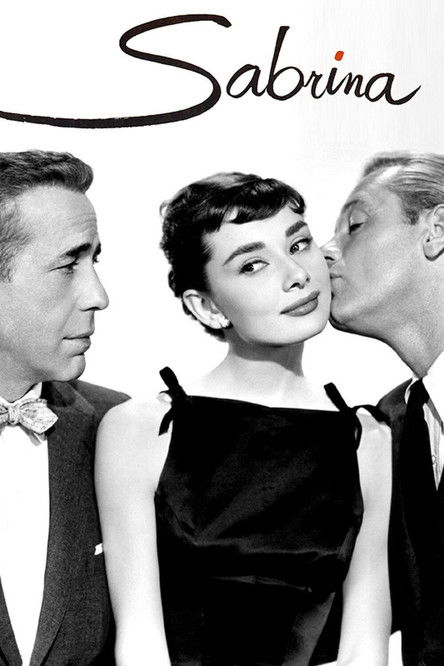
Sabrina1954
Audrey Hepburn's chauffeur's daughter caught between two brothers of different temperaments mirrors Kitty's romantic dilemma. Witty, elegant, and genuinely about choosing between two different lives.
But It's lighter and more comedic than Kitty Foyle, which some find charming and others find too frothy for the premise.
The Philadelphia Story1940
Made the same year, it's also about class, attraction, and whether money and pedigree guarantee happiness. The sparring between Katharine Hepburn and Cary Grant has an edge Kitty Foyle shares.
But The screwball tone is much broader, and it ultimately celebrates wealth in ways that undercut its own class critique.

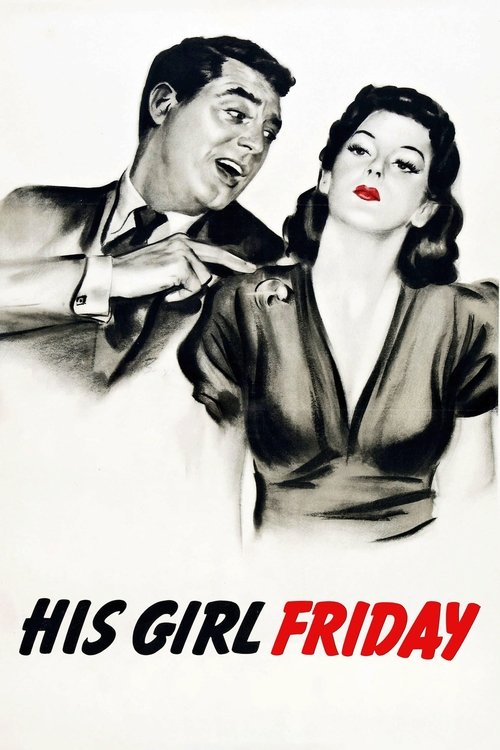
His Girl Friday1940
Rosalind Russell as a fast-talking career woman; released the same year and equally focused on a woman's professional identity and romantic choices. The banter is electric.
But It's comedy-first, so the emotional stakes feel lighter than Kitty Foyle. If you want romance with real weight, this might feel glib.
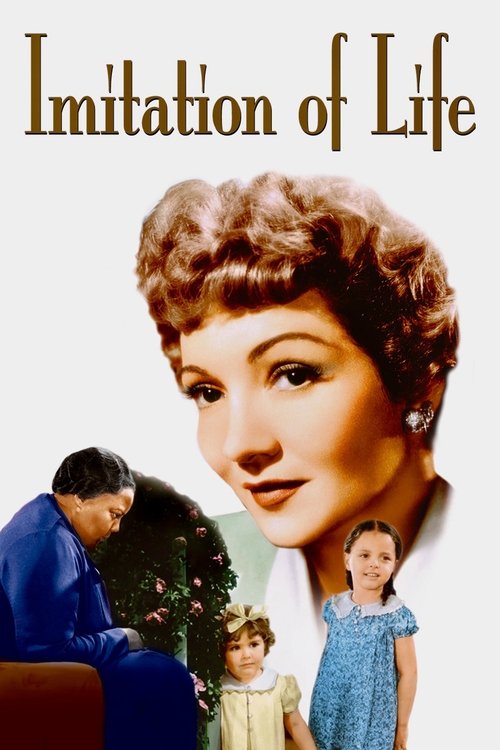
Imitation of Life1934
Claudette Colbert and Warren William in another story of class anxiety and women building careers against social expectation. The mother-daughter story has genuine complexity.
But It's more melodrama than drama, and the racial subplot is patronizing by any standard. The third act gets very heavy-handed.
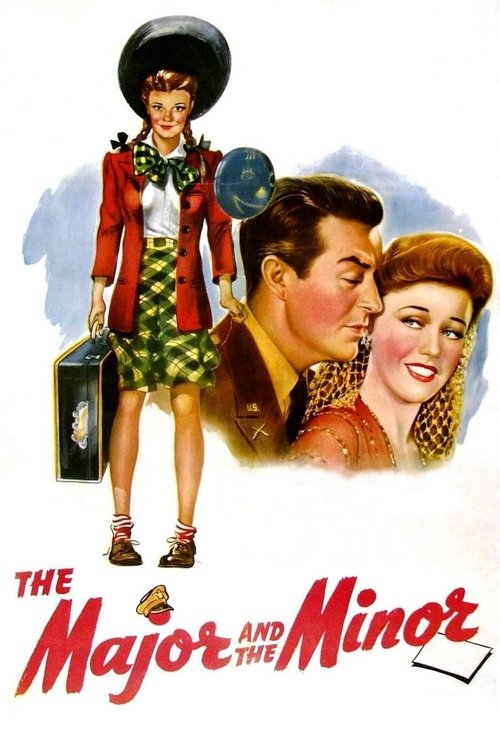
The Major and the Minor1942
Ginger Rogers again, in a Wilder comedy where she's resourceful and independent, outsmarting men through cleverness. The spirit of self-determination matches Kitty Foyle's backbone.
But It's a much lighter film with a cross-dressing premise that hasn't aged gracefully. You're not getting the emotional depth.
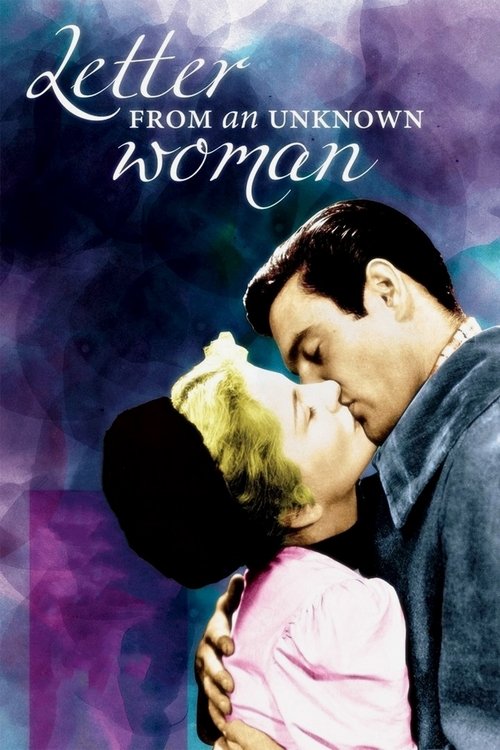
Letter from an Unknown Woman1948
Joan Fontaine in a sweeping romantic drama about a woman's decades-long devotion to a man who never noticed. It explores female longing with unusual sophistication and real melancholy.
But It's decidedly tragic and fatalistic about women's choices in love—the opposite of Kitty Foyle's empowerment. The pacing is slow and dreamlike.
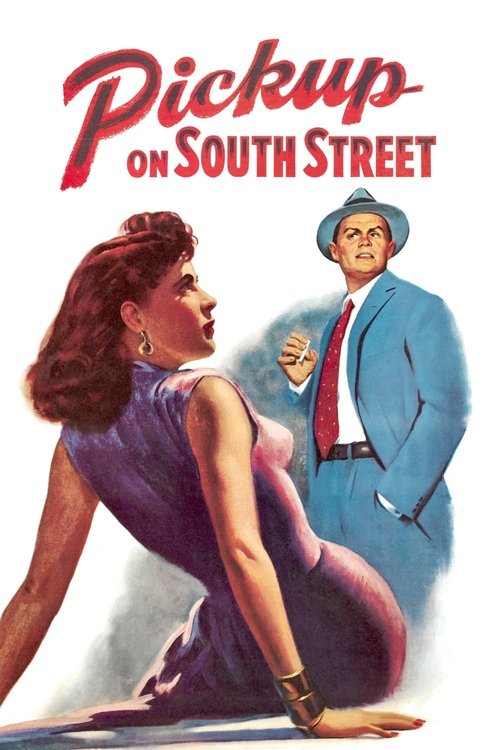
Pickup on South Street1953
Both feature a woman as the emotional and moral center, forced to choose between loyalty to a man and loyalty to herself. Both ask what a woman owes to love versus what she owes to her own future.
A film noir about a pickpocket and a woman caught between a criminal and federal agents. Like Kitty Foyle, it's a story of a woman choosing between two men and her own survival, but shot through with betrayal, moral ambiguity, and danger instead of romance.
But It's cynical and dark where Kitty Foyle is romantic and hopeful. The sexual politics are complicated and sometimes uncomfortable. It's a genre film, not a character study.
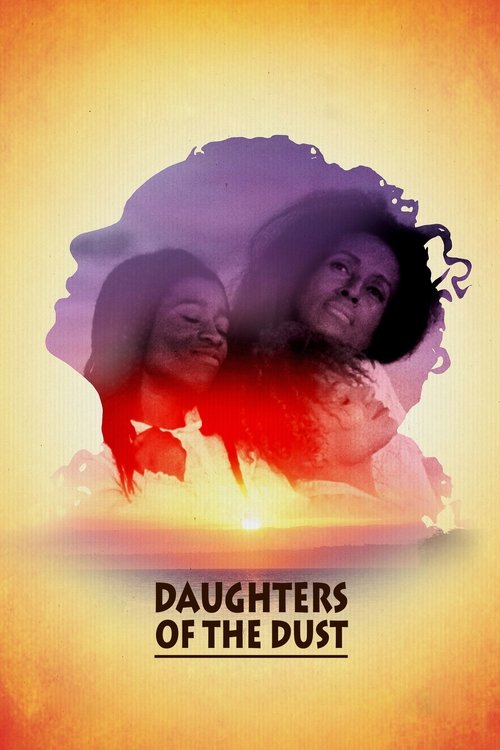
Daughters of the Dust1991
Both films center a woman's choice about her future when family, class, and community pressure against it. Both treat that choice as spiritually significant rather than melodramatic—it matters because the woman matters.
A visually hypnotic film about three generations of Black women at the turn of the 20th century, anchored by a woman deciding whether to stay or leave her community. It's about female self-determination, family pressure, and the cost of independence.
But It's poetic, non-linear, and demands active viewing. There's no conventional plot, and the dialogue is layered and sometimes hard to follow. It requires patience.
People
Cast
 Ginger RogersKitty Foyle
 Dennis MorganWyn Strafford
 James CraigMark
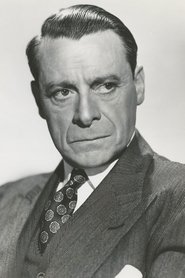 Eduardo CiannelliGiono
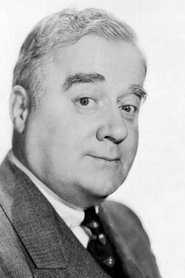
 Gladys CooperMrs. Strafford
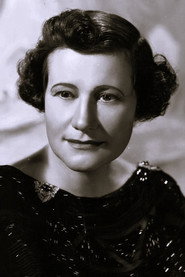 Odette MyrtilDelphine Detaille
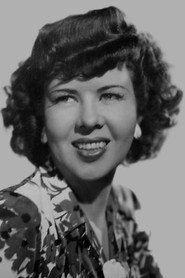 Mary TreenPat
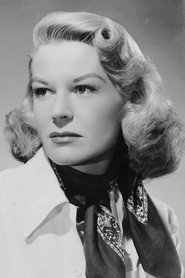 K.T. StevensMolly
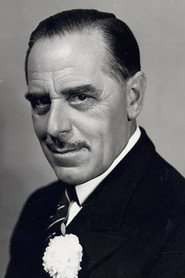 Walter KingsfordMr. Kenneth
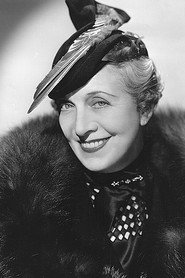 Cecil CunninghamGrandmother
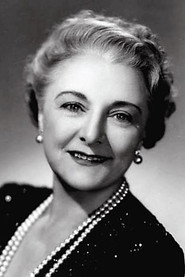 Nella WalkerAunt Jessica
Directing
- W. Argyle NelsonAssistant Director
- Sam WoodDirector
Writing
- Christopher MorleyNovel
- Dalton TrumboScreenplay
Production
- Harry E. EdingtonExecutive Producer
- David HempsteadProducer