
Film
To Each His Own
A 1946 melodrama about maternal devotion tested by circumstance and class. Olivia de Havilland gives a career-defining performance as a woman who sacrifices everything for a son she cannot claim. It's tender and furious by turns—a film that takes its heroine's longing seriously, never punishing her for loving too much.
If you liked this
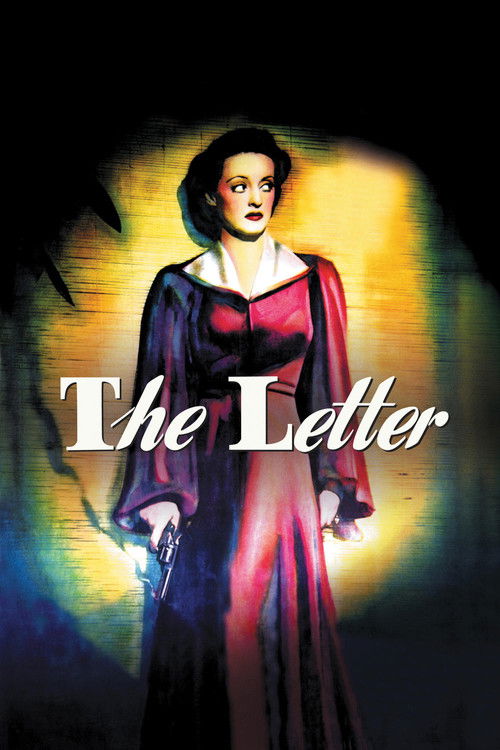
The Letter1940
Bette Davis at peak intensity, playing a woman destroyed by passion and circumstance. Like *To Each His Own*, it's a showcase for a great actress exploring the spaces between respectability and desire.
But The pacing is deliberate, and the melodrama doesn't apologize for itself. Some find 1940s female-centered dramas emotionally exhausting rather than moving.
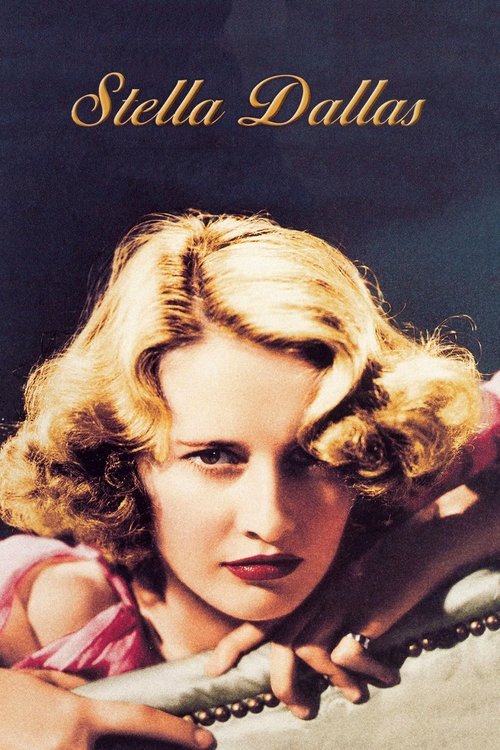
Stella Dallas1937
Barbara Stanwyck as a working-class mother who loves her daughter enough to let her go. Shares the same aching logic: maternal sacrifice as the ultimate expression of love, whatever it costs.
But It leans hard into sentiment, and the class commentary can feel dated. Stanwyck's melodramatic instincts aren't subtle.
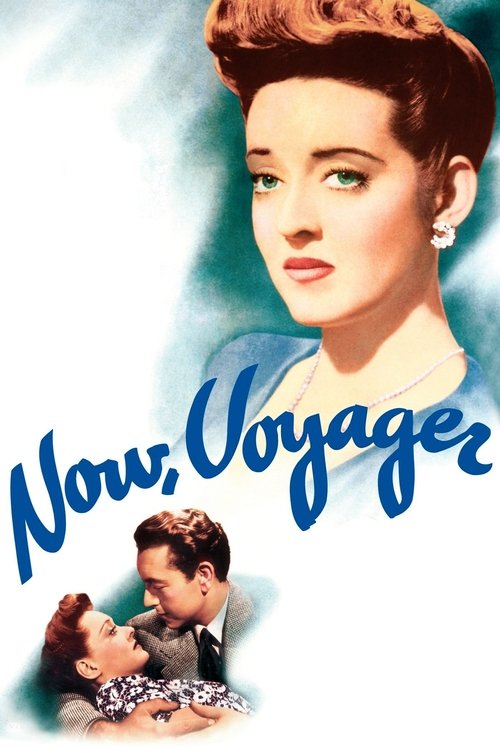
Now, Voyager1942
Bette Davis as a woman remade by love and self-discovery. Both films find grandeur in female agency reclaimed—the heroine makes impossible choices and lives with the weight of them.
But The psychiatry subplot feels like 1940s pop psychology, and the romance is as much fantasy as resolution.
Not sure tonight? Get a pick in a minute, starting from To Each His Own
The wildcard
Something you would not have found on your own.
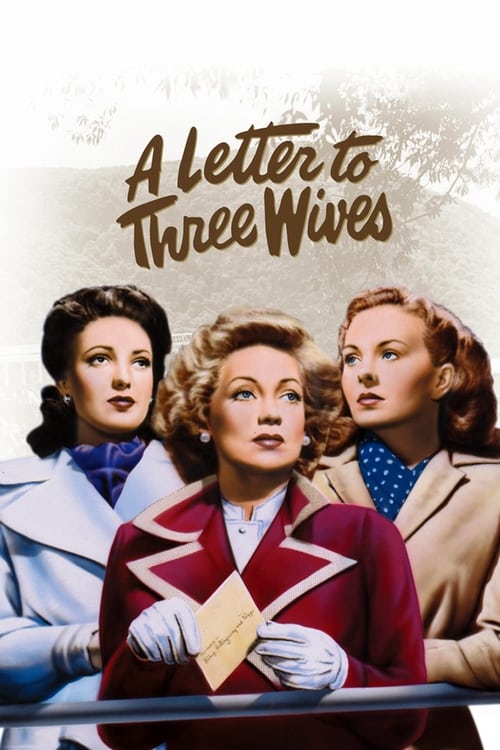
A Letter to Three Wives1949
Both are 1940s films about women's inner lives treated as tragic and dignified. But where *To Each His Own* is a linear melodrama, *A Letter to Three Wives* is a formal experiment—same seriousness, radically different shape.
Joseph L. Mankiewicz's masterpiece about three women and the men who define them—except they define themselves. Same era, same emotional register, but structured as a puzzle rather than a straightforward narrative. Keener, sharper, more formally inventive.
But The fragmented structure can feel like showing off. Three interlocking stories mean no single emotional arc gets the time *To Each His Own* gives Jody Norris.
More like this (8)
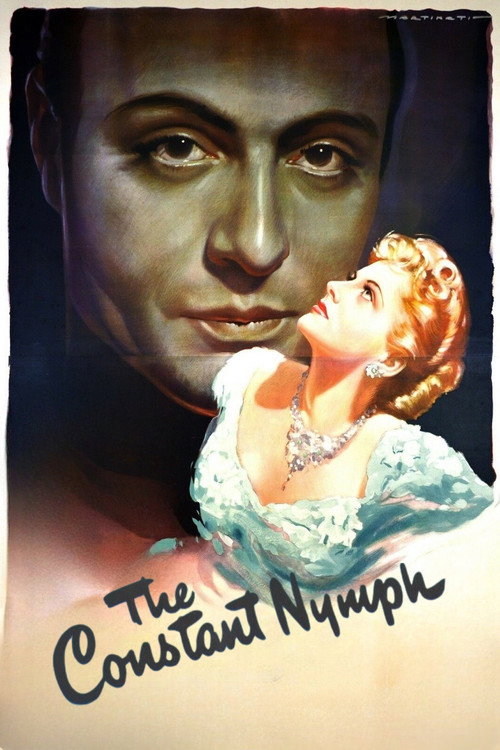
The Constant Nymph1943
Joan Fontaine in a tale of thwarted love and artistic temperament. Like *To Each His Own*, it's concerned with women who love men who cannot fully return it, and what that costs.
But The male lead is often infuriating by design, which makes the film harder to enjoy than to admire.
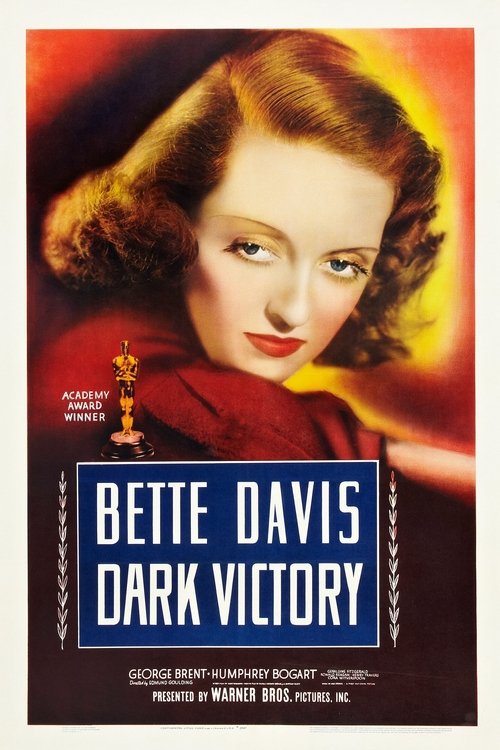
Dark Victory1939
Bette Davis again, facing mortality and learning what matters. It has the same vein of emotional seriousness—a woman's interior life taken as the entire dramatic subject.
But The terminal illness plot resolves with a kind of resignation that some find depressing rather than cathartic.
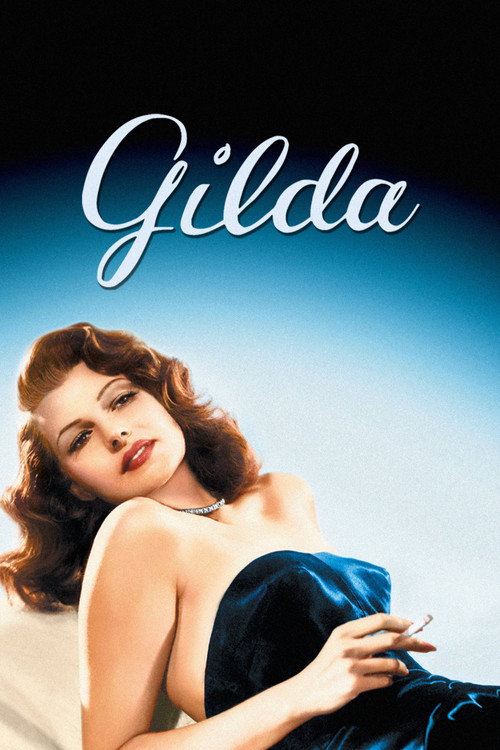
Gilda1946
Released the same year, Rita Hayworth in a film about obsession and reinvention. It shares *To Each His Own*'s interest in how desire shapes a life, though played as noir rather than melodrama.
But It's more interested in surfaces and sexuality than psychology, and the gender dynamics won't sit easy with modern viewers.
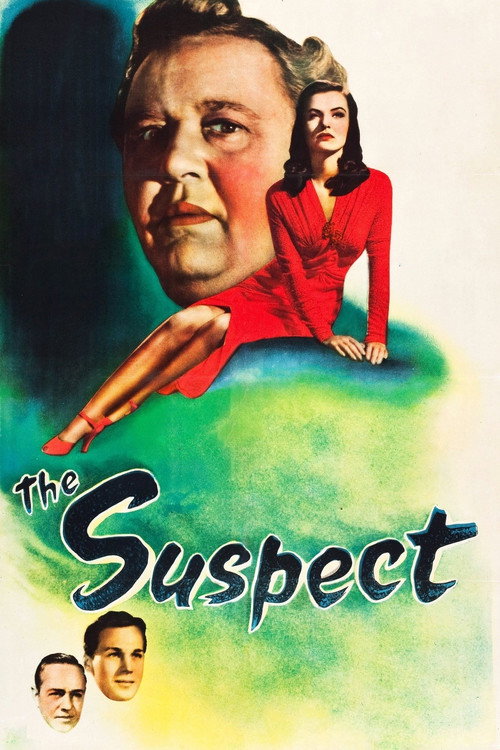
The Suspect1945
Charles Laughton as an ordinary man undone by love. A quieter film than *To Each His Own*, but animated by the same conviction that passion is a real force, capable of breaking a life apart.
But The plot hinges on noir conventions that can feel contrived. It's also more interested in the man's perspective than the woman's.
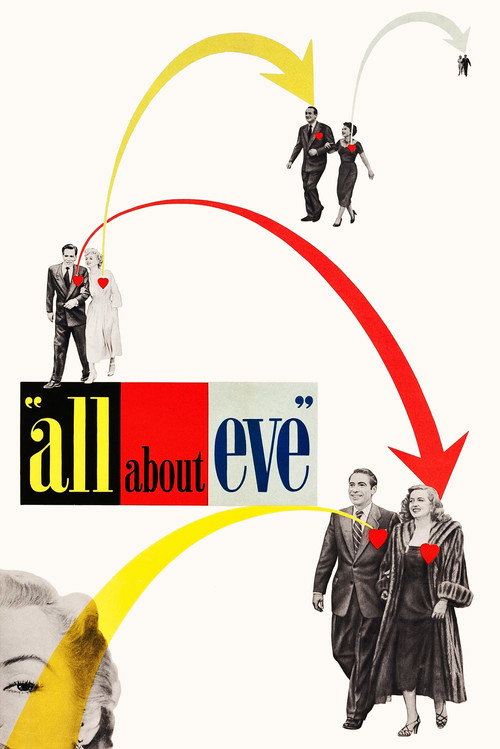
All About Eve1950
Bette Davis again—by now she'd made a career of roles like Jody Norris. This one's wickier and more satirical, but no less interested in female ambition and the damage it can do.
But It's a masterpiece of dialogue and performance, which means it can feel like watching people score points rather than live.
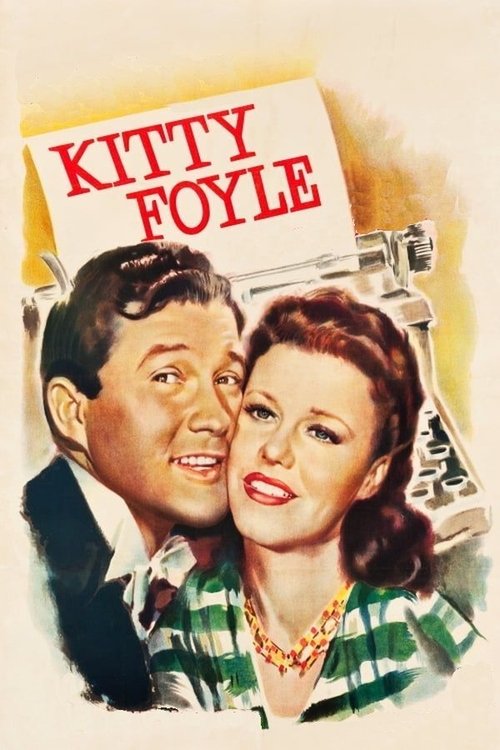
Kitty Foyle1940
Ginger Rogers as a working woman navigating love and class. It's lighter than *To Each His Own* but asks similar questions about whether a woman can have both dignity and desire.
But The resolution is neater than life permits. It wants to be progressive but settles for reassuring.
The Asphalt Jungle1950
Same director, same year as *The Asphalt Jungle*: Huston made a noir about men concealing their lives. *To Each His Own* is a melodrama about a woman concealing hers. Different genres, identical moral geometry.
John Huston's heist film, technically, but really a story about ordinary people with small secrets and large obligations. Shares *To Each His Own*'s humane sense that everyone is living a life they didn't quite plan for, making do.
But It's a crime film, so it moves in a different register entirely—tougher, less sentimental. No female lead carrying the emotional weight.

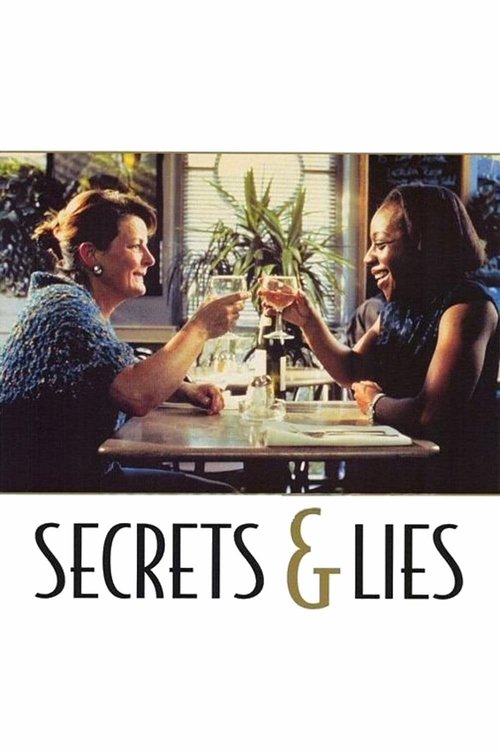
Secrets & Lies1996
Both films trust maternal love as the deepest subject available. But *Secrets and Lies* strips away melodrama entirely, playing the same story in real time, in ordinary light, with all the awkwardness that entails. A modern answer to *To Each His Own*, asking the same question from a different angle.
Mike Leigh's film about a Black woman searching for her white birth mother, and what that reunion costs both of them. Like *To Each His Own*, it's about the terrible weight of love you cannot claim and secrets you cannot keep, but told with documentary-like clarity and contemporary specificity.
But It's slow, undramatic, and deeply uncomfortable. No music swells to tell you how to feel. The reunion is not cathartic—it's messier and sadder than that.
People
Cast
 Olivia de HavillandMiss Josephine 'Jody' Norris
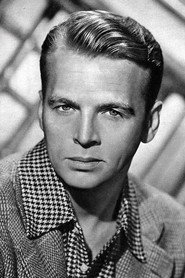 John LundGregory Pierson / Bart Cosgrove
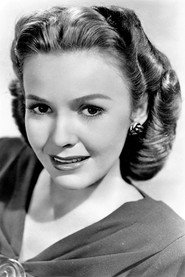 Mary AndersonCorinne Piersen
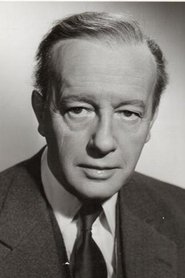 Roland CulverLord Desham
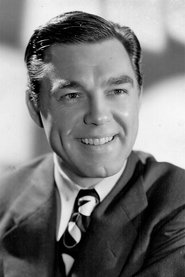 Phillip TerryAlex Piersen
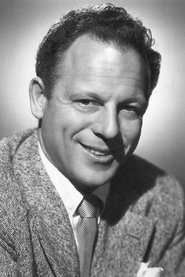 Bill GoodwinMac Tilton
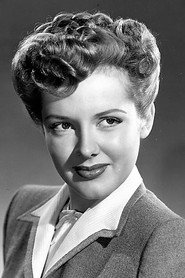 Virginia WellesLiz Lorimer
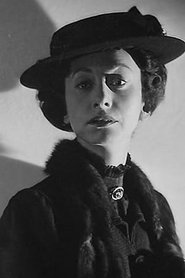 Victoria HorneNurse Daisy Gingras
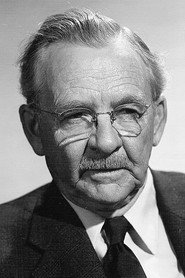 Griff BarnettDaniel J. Norris
- Billy WardYoung Gregory
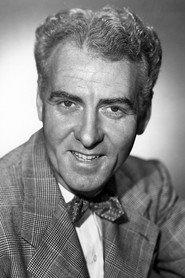 Frank FaylenBabe
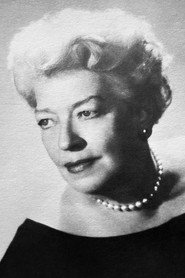 Alma MacrorieBelle Ingham
Directing
- Mitchell LeisenDirector
Writing
- Charles BrackettScreenplay
- Jacques ThéryScreenplay
- Charles BrackettStory
Production
- Charles BrackettProducer