
Film
The Suspect
Other titles called The Suspect: the 1957 film, the 2013 film, the 2022 series (ITV1).
A 1945 noir where Charles Laughton's meek shopkeeper commits murder to escape his suffocating marriage, then plays a desperate game with both a blackmailer and a detective closing in. It's a tense, intimate character study that treats its protagonist's crime with moral complexity rather than judgment. For anyone who loves watching ordinary people unravel under pressure.
Should you watch it?
Watch it if you love slow-burning moral squirm stories where a mild, decent-seeming man's conscience gets tested one small lie at a time, and Charles Laughton's wry, sweating performance carries the whole film.
Skip it if you want brisk plot and action, since this is talky and mostly confined to a few rooms, with a dated, stagey feel that can drag in the middle.
What it asks of you: At a compact 85 minutes, it moves at a patient, sly pace, in shadowy rooms, and it rewards close attention to faces more than quick cuts.
Not sure? Find tonight's pick in a minute.
If you liked this
In a Lonely Place1950
Humphrey Bogart as a volatile screenwriter suspected of murder; another noir that excavates how circumstances and suspicion can destroy a man from the inside out, with genuine ambiguity about guilt.
But The pacing is deliberate and the ending refuses catharsis. If you want your mysteries neatly solved, this will frustrate you.

The Killers1946
Burt Lancaster's doomed boxer and the femme fatale who destroys him; a masterclass in how a single decision spirals into inevitable ruin, told with Siodmak's restless camera and Elmer Bernstein's terrific score.
But The narrative jumps around in time and can feel scattered. The glamour of the crime world might overshadow the moral weight you're looking for.

The Third Man1949
Joseph Cotten searches postwar Vienna for his best friend, only to discover betrayal at every turn. Orson Welles' performance is brief but shattering; the zither score is unforgettable. Moral ambiguity as atmosphere.
But It's European noir, slower and moodier than American equivalents. Some find it glacial rather than gripping.

Not sure tonight? Get a pick in a minute, starting from The Suspect
The wildcard
Something you would not have found on your own.
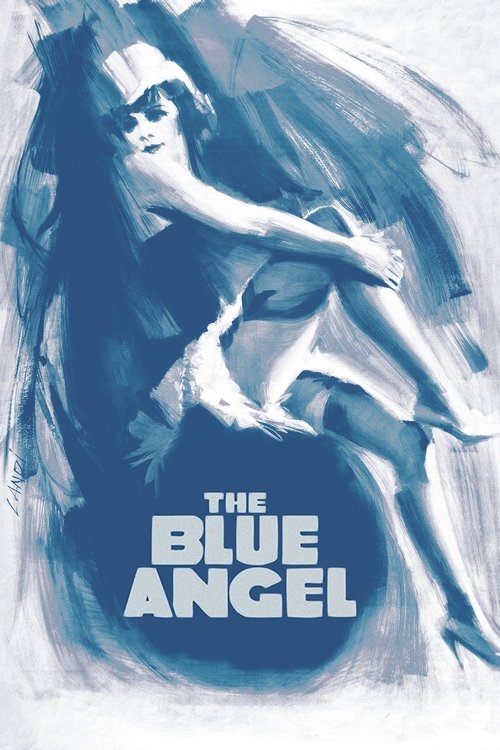
The Blue Angel1930
Both are about respectable men undone by women; *The Blue Angel* shows the archetype at full power, while *The Suspect* reframes it as tragedy rather than morality play.
Marlene Dietrich as a cabaret singer who systematically humiliates a respectable professor into complete degradation. German Expressionism and sexual predation; a blueprint for how desire becomes a weapon. The predecessor that makes *The Suspect* legible.
But It's in German with subtitles and the print quality varies. The misogyny is baked into the story—Dietrich's character is presented as a destroyer, not a person.
More like this (8)
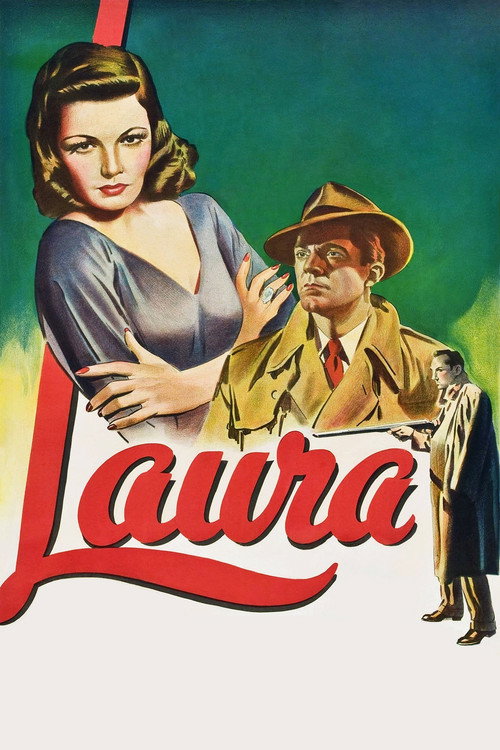
Laura1944
A detective falls in love with a murdered woman's portrait while investigating her death. Exquisitely shot, with a twist that reframes everything. Proof that noir doesn't need violence to create dread.
But The central mystery is less important than the mood and the romance, which some find precious rather than suspenseful.
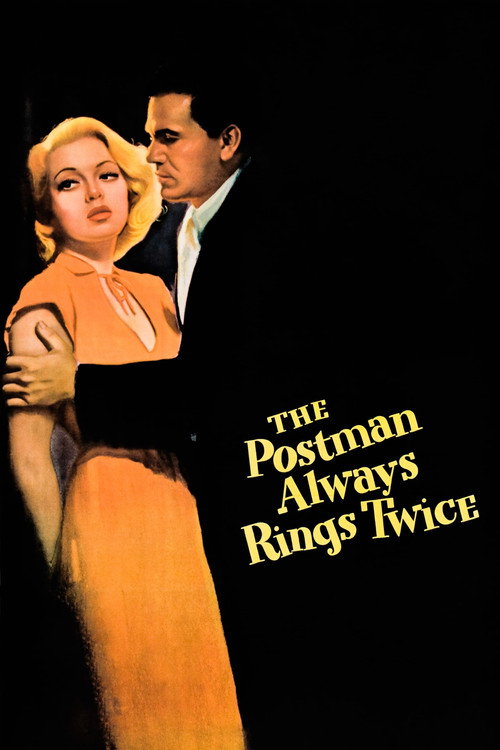
The Postman Always Rings Twice1946
Lana Turner and John Garfield in a brutal passion play where a drifter and a trapped wife plot to murder her husband. Raw, sexual, genuinely dangerous in a way most noirs aren't.
But The censorship of the era means the sensuality is largely implied rather than shown. It can feel more quaint than transgressive now.
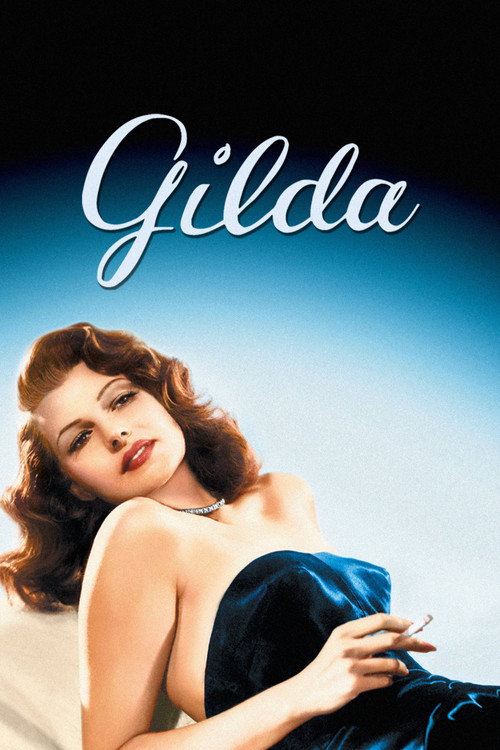
Gilda1946
Rita Hayworth as a woman who destroys two men through sheer magnetism, with Glenn Ford caught between desire and disgust. Visual perfection and genuine erotic tension without a single sex scene.
But The plot is thin and the moral framework is dated. It's really a showcase for Hayworth, which some find thin on substance.
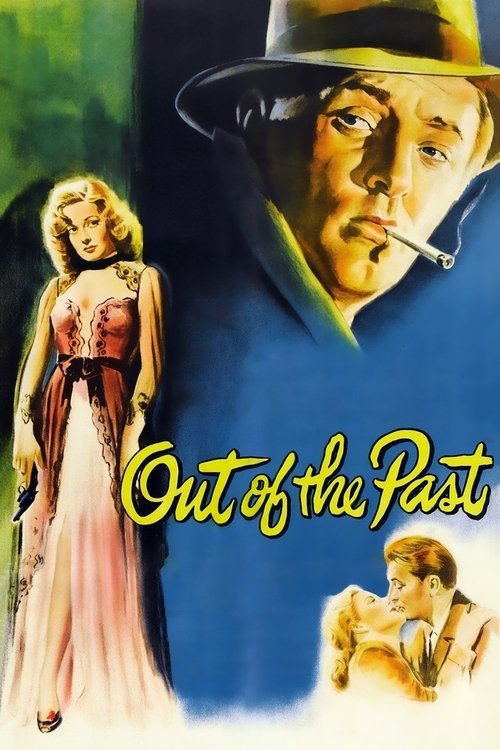
Out of the Past1947
Robert Mitchum trying to escape his past with Jane Greer and Jeff Bridges circling him. The gold standard of noir fatalism—every choice wrong, every exit blocked, doom baked into the air.
But The ending is grim and won't satisfy anyone looking for a way out for anyone. The voice-over narration can feel overwrought.
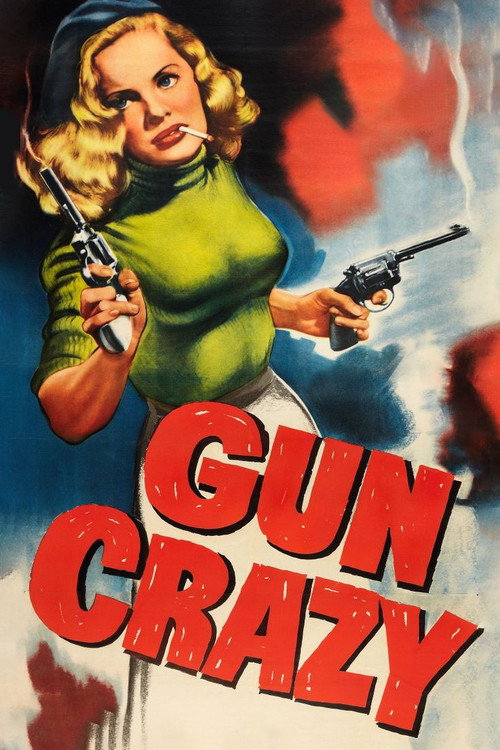
Gun Crazy1950
Two lovers become bank robbers in a proto-Bonnie and Clyde that influenced everything after. Raw, kinetic, morally corrosive—what happens when attraction becomes the only law.
But The budget is tiny and it shows. The dialogue is blunt and the performances are uneven. It feels more like a rough sketch than a finished painting.
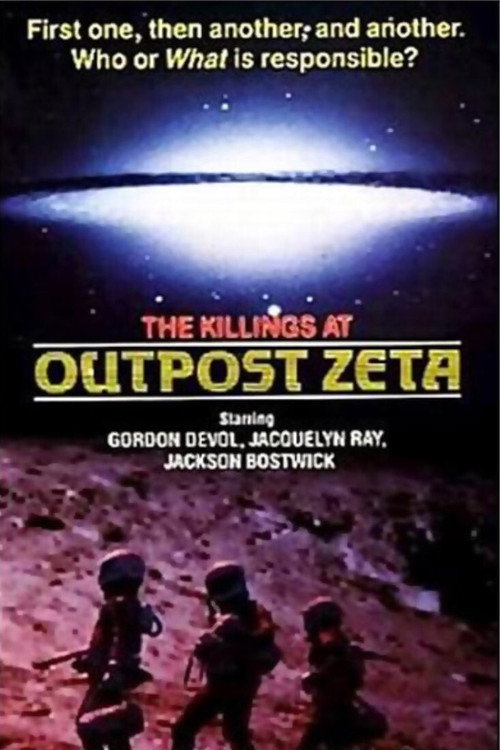
The Killings at Outpost Zeta1980
A low-budget sci-fi noir about paranoia and betrayal in a military outpost. It brings noir's moral claustrophobia into an alien setting and means it.
But The special effects are cheaply made and distracting. The pacing drags in the second act and the ending is abrupt.
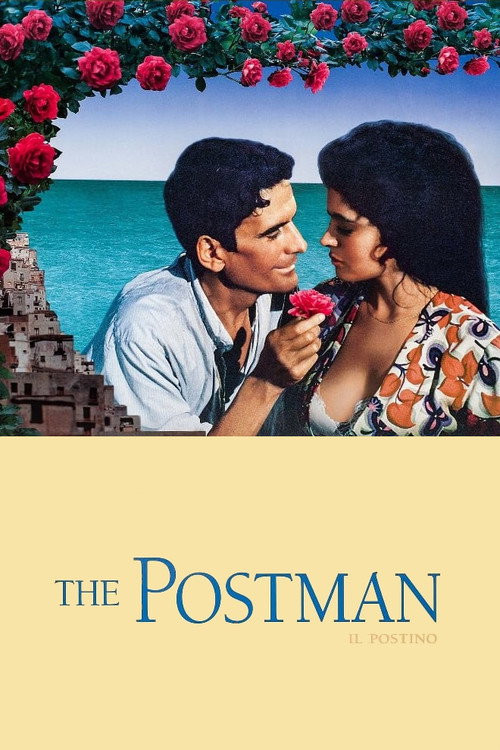
The Postman1994
Both examine how ordinary men rationalize terrible things, but *The Postman* strips away the noir machinery and makes you sit with the psychology unadorned.
Michael Madsen as a drifter who befriends a reclusive writer and slowly reveals his capacity for violence. A meditation on masculinity and the stories men tell themselves; quieter and more corrosive than any thriller.
But It's glacially slow and almost entirely dialogue. Nothing happens in the conventional sense, and the payoff is philosophical rather than dramatic.
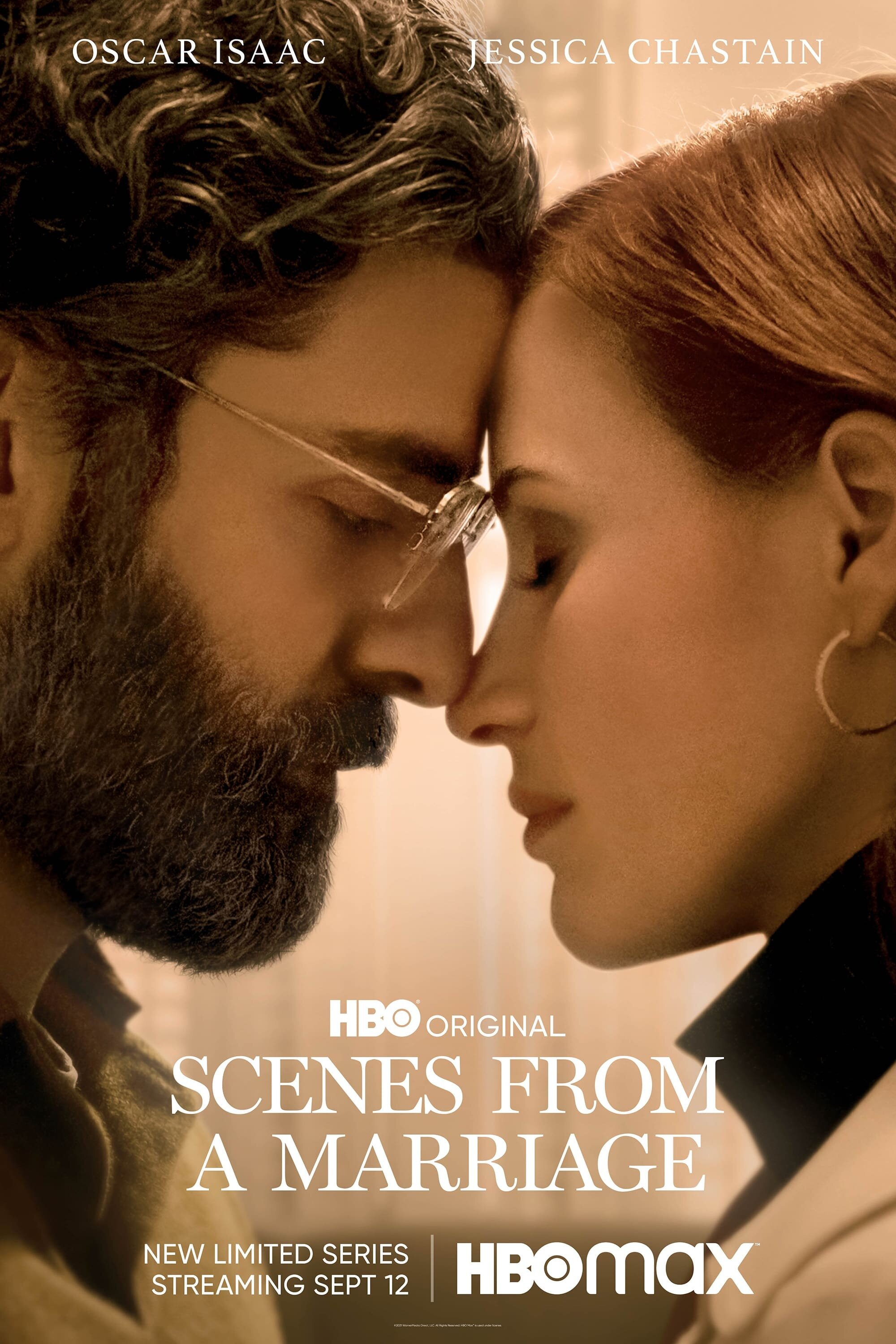
Scenes from a Marriage2021
Both are about marriage as a slow murder, but Bergman spends five hours mapping the terrain while Laughton's character does it in ninety minutes.
Bergman's miniseries dissects a marriage across decades with surgical precision. Sven Nykvist's cinematography is devastating; Liv Ullmann and Erland Josephson tear into each other with surgical care. This is where *The Suspect's* domestic trap comes from, but far deeper.
But It's six episodes of relentless confrontation and very little plot. Watching a marriage fail in real time is exhausting by design. Some find Bergman's introspection self-indulgent.
People
Cast
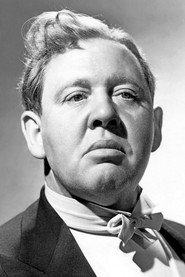 Charles LaughtonPhilip Marshall
 Ella RainesMary Gray
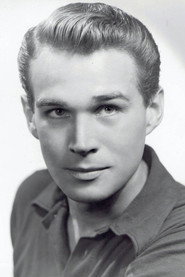 Dean HarensJohn Marshall
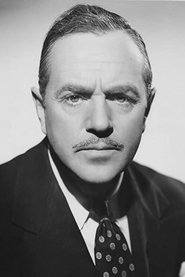 Stanley RidgesInspector Huxley
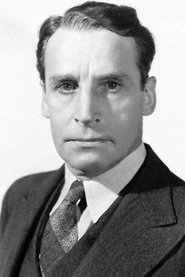 Henry DaniellMr. Simmons
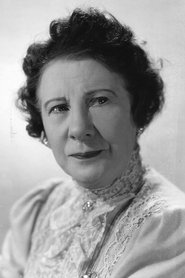 Rosalind IvanCora Marshall
 Molly LamontMrs. Simmons
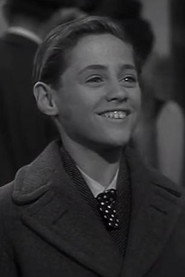 Raymond SevernMerridew
 Eve AmberSybil
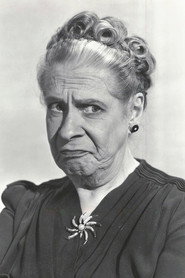 Maude EburneMrs. Packer
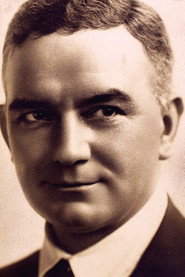 Clifford BrookeMr. Packer
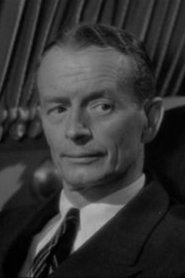 Gerald HamerGriswold (uncredited)
Directing
- William TummelAssistant Director
- Robert SiodmakDirector
Writing
- Arthur T. HormanAdaptation
- James RonaldNovel
- Bertram MillhauserScreenplay
Production
- Howard BenedictExecutive Producer
- Islin AusterProducer
- Harry B. FriedmanPublicist
Recommended by
A Man's World, The Unfaithful, Sherlock Holmes and the Secret Weapon, To Each His Own