
Film
The Suspect
Other titles called The Suspect: the 1945 film, the 2013 film, the 2022 series (ITV1).
A taut Egyptian noir from 1957 about a botched heist, a brutal murder, and a man wrongly suspected of the crime. Fast-paced and genuinely cruel, it moves like a bullet through double-crosses and mounting dread. For lovers of classic crime cinema who want something beyond the Hollywood usual.
Should you watch it?
Watch it if you like tight, talky crime stories where a cramped setup of greed and suspicion slowly tightens around a single man, and you enjoy a mystery built from character rather than chases.
Skip it if you need brisk pacing or modern polish, since this is a slow, dialogue-heavy 1950s picture with dated staging and a grim subject it handles without relief.
What it asks of you: At eighty minutes it moves in unhurried scenes, leaning on talk and rooms, and expects you to keep track of who wants what.
Not sure? Find tonight's pick in a minute.
If you liked this
In a Lonely Place1950
A man suspected of murder while actually innocent—Bogart gives a corrosive performance as paranoia and rage corrode everything around him. The portrait of accusation destroying a life is unflinching.
But It's slow-burn and bleak. There's no cathartic resolution, just the quiet evaporation of hope.

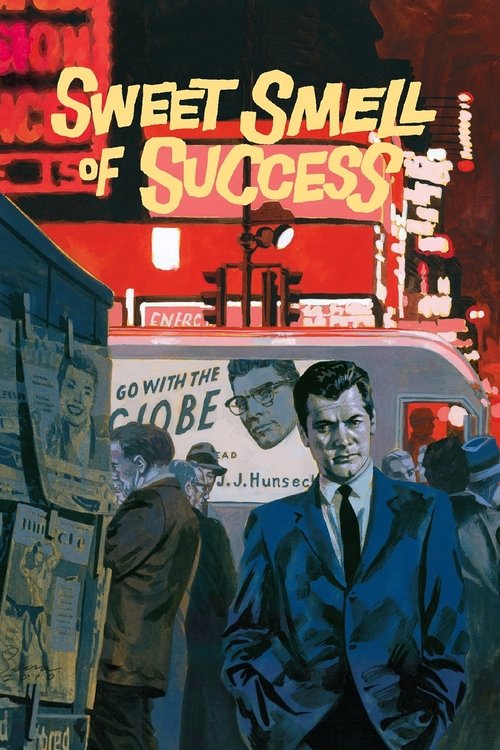
Sweet Smell of Success1957
Emerges the same year as *The Suspect* with similar venom: a criminal underworld, betrayal, and bodies. The dialogue crackles like electricity. Pure poison, beautifully shot.
But The pacing is deliberate and the mood suffocating. It's stylish but not fun, and the cynicism never lets up.
The Killers1946
A man expects to die, and two hitmen come to collect. The investigation spirals backward through betrayal and greed. Classic structure, lethal execution, and Burt Lancaster at his most fatalistic.
But The timeline jumps around, which can feel confusing on first watch. The femme fatale role is thin by modern standards.

Not sure tonight? Get a pick in a minute, starting from The Suspect
The wildcard
Something you would not have found on your own.
The Battle of Algiers1966
Both are crime films that use a specific, violent act as a lens into a larger system of betrayal and corruption. The individual crime reveals the disease in the body politic.
A documentary-style thriller about urban insurgency, torture, and moral compromise during the Algerian War. Shot like reportage but constructed like *The Suspect*: a small crime spirals into systemic violence. It rewires how you see crime cinema.
But It's explicitly political and refuses easy answers. The police and revolutionaries are both brutal. Some find it didactic or uncomfortable.

More like this (8)
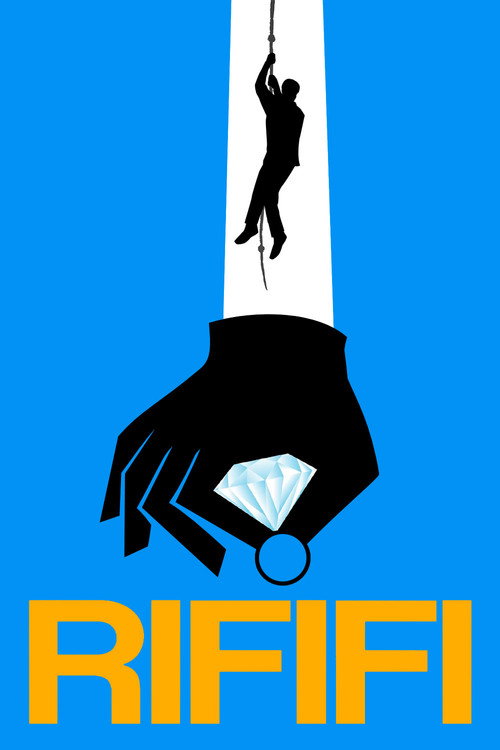
Rififi1955
A heist film that's also a revenge story, crackling with tension and moral rot. The famous silent robbery sequence is worth the price alone. French crime cinema at its peak.
But Subtitled, and the second half loses some momentum. The women are secondary, which dates it.
The Asphalt Jungle1950
The template for heist noirs. A careful plan unravels; loyalties fracture; everyone pays. Huston directs with forensic precision and genuine sympathy for the desperate.
But Slower than modern crime films. The plot is intricate enough to require attention.

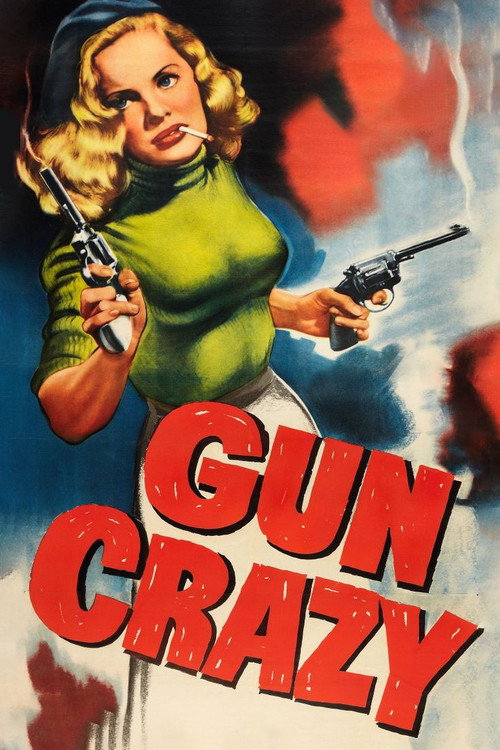
Gun Crazy1950
A couple bound by violence and desire tear across America. Raw, urgent, and morally complicated. The chemistry between the leads sells the danger.
But The second half is relentless and bleak. Some viewers find it dated or overly sympathetic to criminals.
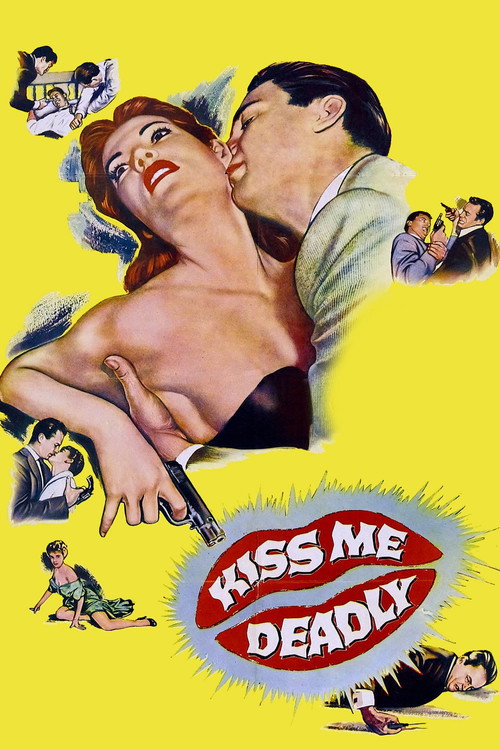
Kiss Me Deadly1955
A detective stumbles into something far larger and darker than he can handle. The violence is shocking; the fatalism is complete. Aldrich made a masterpiece.
But The plot is baroque and hard to follow. The ending is apocalyptic in ways that upset some viewers.
The Killing1956
Kubrick's first great film: a racetrack heist that splinters across multiple perspectives and time. The editing is dizzying, the betrayals are inevitable, and it moves like water.
But The fractured narrative can feel gimmicky. It's bleak and cynical about human nature.

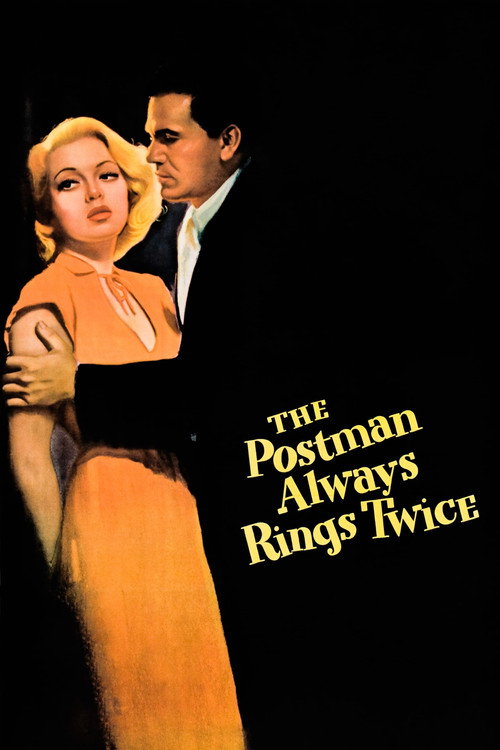
The Postman Always Rings Twice1946
A drifter, a woman, a murder they plan together—and then the real nightmare begins. Lana Turner is magnetic; the moral collapse is thorough.
But By modern standards, the femme fatale trope feels simplistic. The pacing is deliberate rather than tense.
The Third Man1949
Both films use a single act of violence to expose the corruption and lies that hold a society together. Both are about discovering that the person you suspected might be innocent while everyone around you is guilty.
A man arrives in post-war Vienna to find his old friend murdered—except the friend isn't dead. A perfect inverted mystery where the crime keeps expanding. Welles, Reed, and a zither score that haunts you.
But The pacing is glacial by modern standards. The framing device is theatrical. Some find the romanticism at odds with the cynicism.

Memories of Murder2003
Like *The Suspect*, it's about suspicion destroying innocence and the machinery of justice being as brutal as the crime itself. Both are obsessed with how we find guilt in others when we can't face our own.
A South Korean serial-killer film where the investigation becomes more corrupted than the crime. The detectives are brutal, incompetent, and desperately human. It builds dread like few films can.
But Extremely violent and nihilistic. The ending is ambiguous and offers no comfort. It's long and the pacing is uneven.

People
Cast
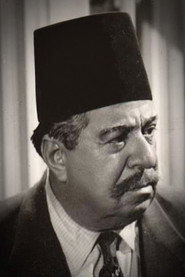 Hussein Reyaadbahgat
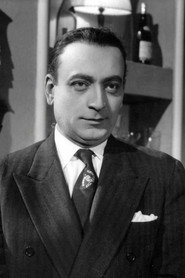 Mahmood Al-Melejidoctor fekry
 Sherifa Mahersanya
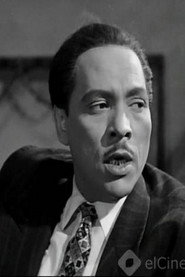 Mahmoud Ismailhassan
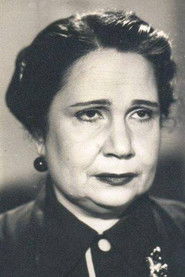 Olwiya Gamilfekry's mother
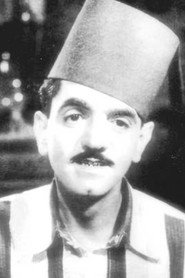
- Reyaad ElQasabgysanya's father
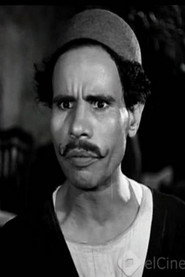 Omar ElGizawyanas
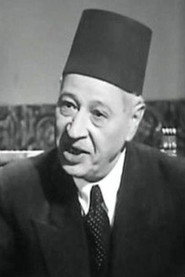
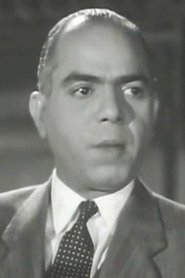 Abdel Raheem El Zorkaniprosecutor
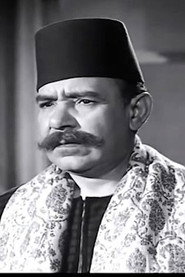
 Zeinat Elwybelly dancer
Directing
- Kamal AtteyaDirector
Writing
- ElSayed BedirWriter
- Kamal AtteyaWriter
Production
- Sayed SarhanProducer