
Film
Shopworn
A 1932 melodrama starring Barbara Stanwyck as a waitress who catches the eye of a wealthy man, only to face his disapproving mother. It's a brisk, emotionally direct film about class collision and romantic determination, made in Hollywood's golden age when such stories played with real stakes. For fans of early cinema and Stanwyck's formidable screen presence.
Should you watch it?
Watch it if you like brisk, sharp-tongued pre-Code melodrama where a tough-minded heroine refuses to be pitied, and Stanwyck's wary, wisecracking performance carries the whole hour.
Skip it if the staging is stagey and the sentiment is thick; its theatrical manners and creaky 1930s pacing will grate if you want naturalistic performances.
What it asks of you: Sixty-six minutes, brisk and unfussy; it stays light on its feet even when the mood turns sentimental, so it asks for little warm-up beyond a willingness to be moved.
Not sure? Find tonight's pick in a minute.
If you liked this
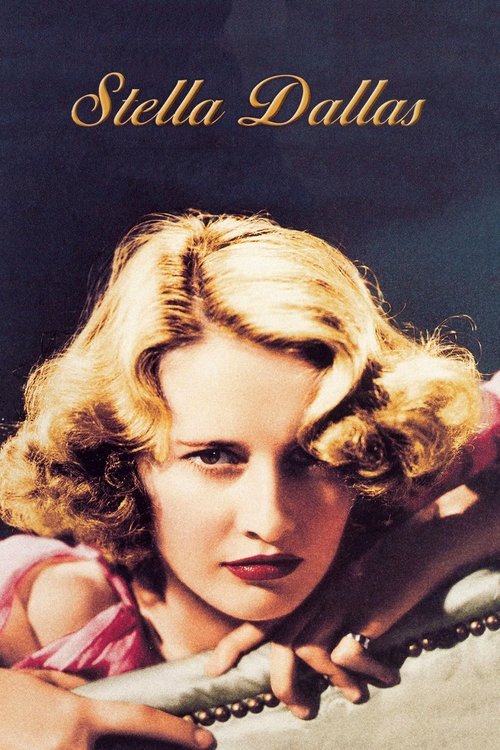
Stella Dallas1937
Another Stanwyck triumph: a working-class woman sacrifices everything for her daughter's future. It's melodrama with backbone, exploring motherhood and class with genuine emotional weight and no easy answers.
But The pace is deliberate and the emotional beats are broad by modern standards. Some may find the mother-love plot overwrought or dated in its morality.
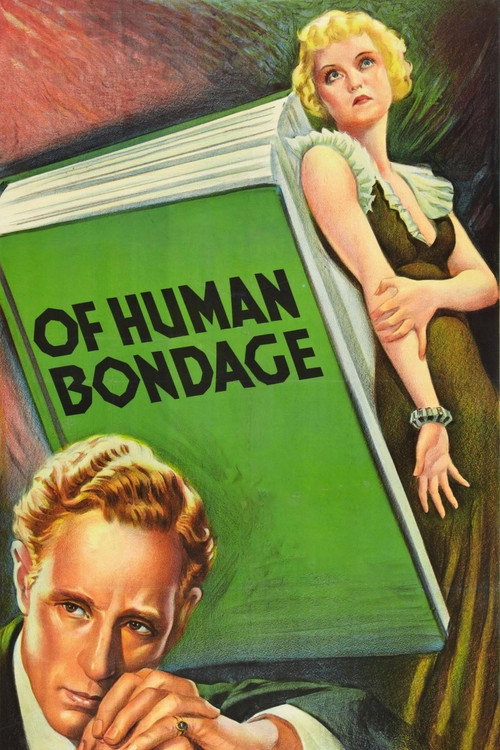
Of Human Bondage1934
Bette Davis plays a waitress who enthralls a wealthy man in this more cynical take on similar class dynamics. It's darker and more sexually frank than Shopworn, with Davis delivering career-defining work.
But The female character is genuinely awful in ways that feel unsympathetic now. Some viewers will find her cruelty hard to sit through.
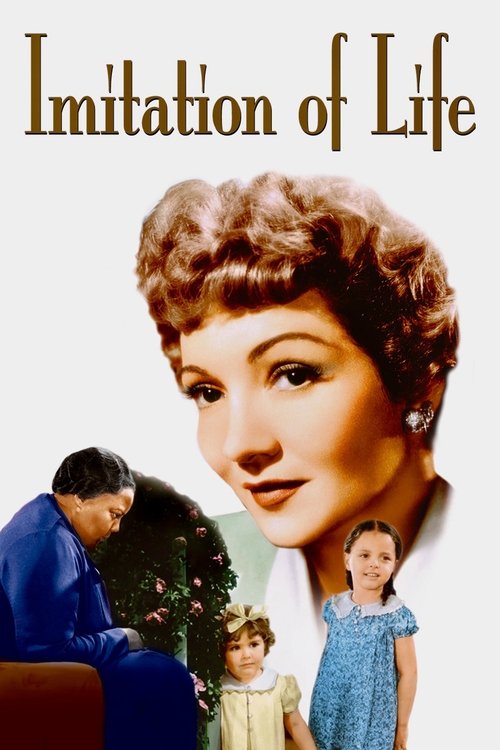
Imitation of Life1934
Another story of a working woman's ambitions, this time as a mother building a business empire. It combines melodrama with genuine social commentary about race and identity alongside the romance and class struggle.
But It touches on race in ways that reflect its era—worth watching but requiring some historical context. The pacing can feel slack in the middle.
Not sure tonight? Get a pick in a minute, starting from Shopworn
The wildcard
Something you would not have found on your own.
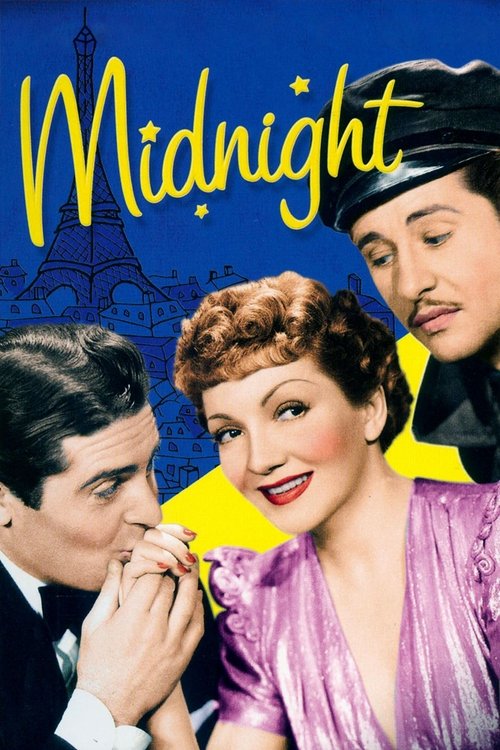
Midnight1939
Both feature women using charm and intelligence to navigate class barriers, but Wilder's film treats it as high comedy rather than heartbreak, showing what Shopworn's scenario becomes in the hands of a master of structure and dialogue.
Billy Wilder's masterpiece of mistaken identity and class performance. A woman cons her way into high society, but the film is so sharply written and breezily paced that it becomes about the pleasure of watching someone think faster than everyone else.
But It's a comedy, not a melodrama—if you want emotional sincerity, this film is all wit and momentum. The plot becomes increasingly contrived, though that's rather the point.
More like this (8)
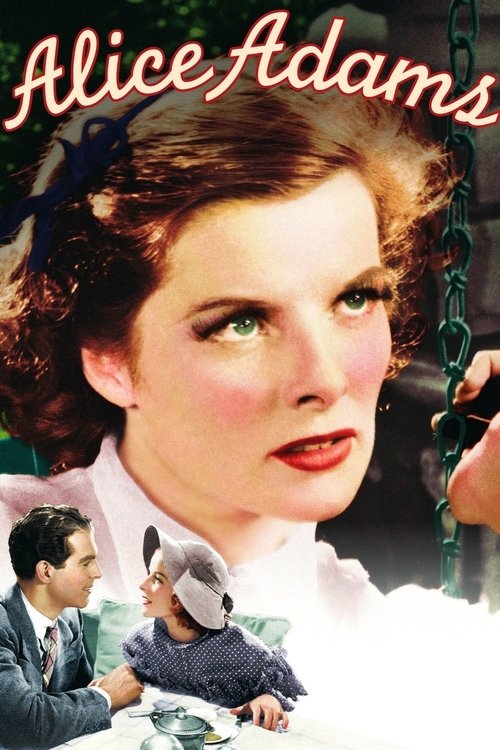
Alice Adams1935
Katharine Hepburn as a girl determined to climb socially, caught between her modest family and a wealthy man. It's sharper and funnier than Shopworn, with more self-aware comedy about class pretense and romantic desperation.
But The social satire is lighter fare than melodrama. If you want genuine emotional stakes, this emphasizes the humor more than the heartbreak.
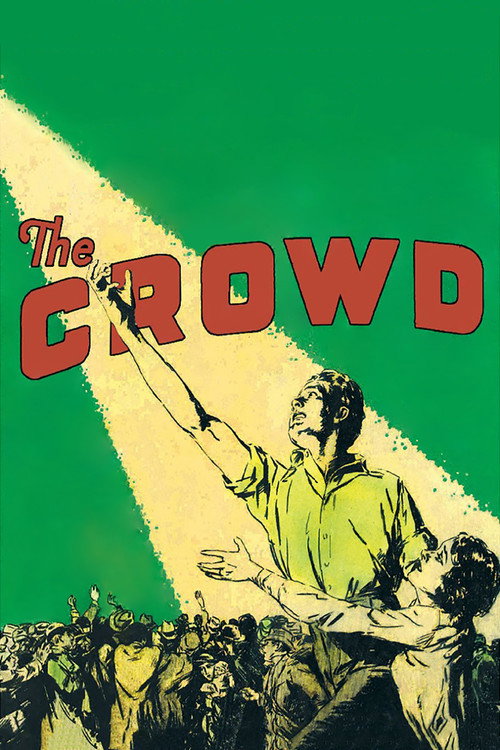
The Crowd1928
A masterpiece about ordinary people navigating love, marriage, and social aspiration in the modern city. It's deeper and more philosophically ambitious than Shopworn, with King Vidor's direction giving weight to small moments.
But It's genuinely bleak and makes no promises of happiness. The pacing is slow and contemplative, which some will find profound and others tedious.
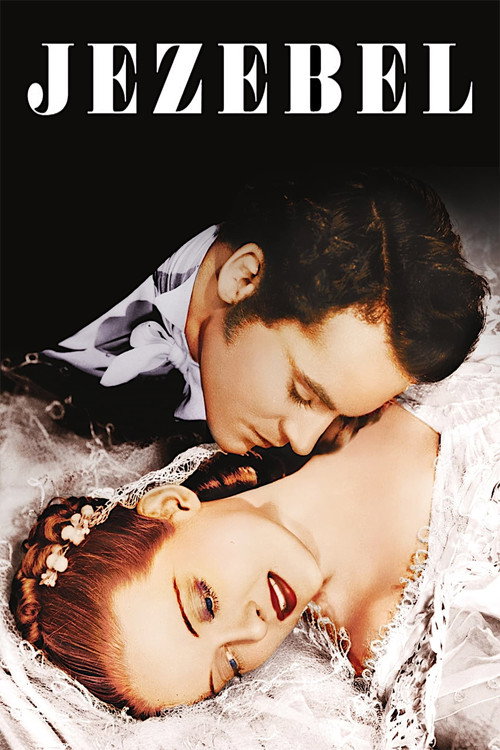
Jezebel1938
Bette Davis at her most magnetic in the antebellum South, refusing to bend to society's rules despite the cost to everyone around her. It's Stanwyck's territory of women fighting their circumstances, but with more glamour and historical scope.
But The Civil War backdrop and period attitudes may feel heavy-handed. Some scenes feel overwrought by modern sensibilities, and the ending is deliberately tragic.
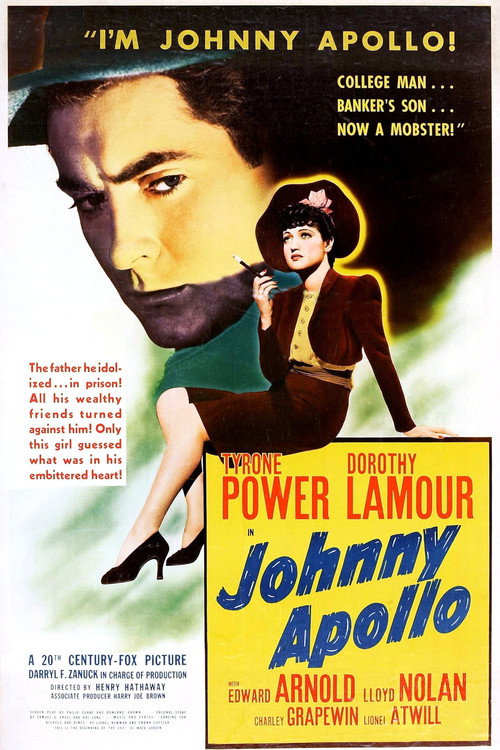
Johnny Apollo1940
Tyrone Power plays a man seduced by wealth and crime, crossing class lines in a different direction than Shopworn. It explores similar themes of ambition and moral compromise with sharp dialogue and solid noir undertones.
But It's a bit uneven in tone, and the crime plot can overshadow the character work. The ending feels somewhat hastily resolved.
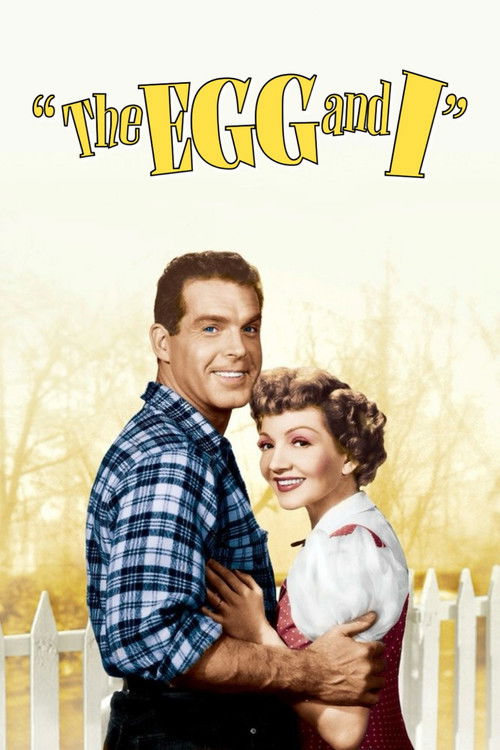
The Egg and I1947
Claudette Colbert as a city woman adjusting to rural life after marrying a chicken farmer. It's lighter and more comedic than Shopworn, but shares the core tension of a woman adapting to a world outside her class origins.
But It's sentimental in a way that can feel cloying. The humor relies on dated gender stereotypes about women and domestic life.
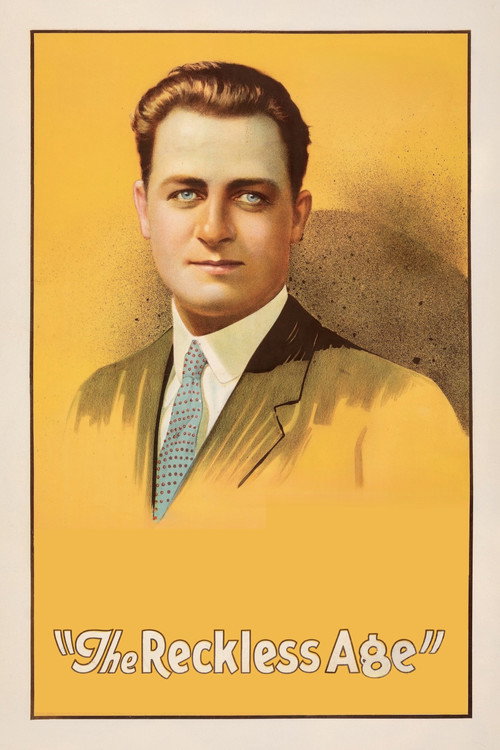
The Reckless Age1924
An early silent film about a shopgirl and a wealthy man, capturing the flapper era's energy and optimism. It's historically interesting as a contemporary take on the same class romance that Shopworn would explore seven years later.
But It's silent, which requires patience. The plot is thin and the pacing assumes an audience comfortable with intertitles and broad physical comedy.
Brief Encounter1945
Both explore the collision between social expectation and genuine feeling, but Shopworn imagines fighting through it while Brief Encounter imagines honoring the barriers. One is about ambition, the other about duty—opposite responses to the same impossible situation.
Two married strangers fall in love across a tea table and a few afternoon meetings. It's restrained, adult, and devastating—the emotional weight of ordinary lives meeting their own desires. Noël Coward and David Lean at their finest.
But Nothing happens by plot standards. It's all feeling and regret, filmed in mist and railway stations. If you want action or clear resolution, this will frustrate you.

The Night of the Hunter1955
Both are Depression-era stories about people driven by desperation and desire, but Hunter treats the moral landscape as genuinely shadowed—there's no class mobility solution here, only survival and damage. It's what happens when Shopworn's romantic optimism meets genuine American noir.
Charles Laughton directed this one noir-inflected masterpiece about a con-man preacher pursuing two children through Depression-era America. It's visually stunning, genuinely unsettling, and operates in a moral register entirely its own—no easy victories.
But It's dark and strange and structured nothing like a conventional thriller. Some will find it too stylized; others will feel the violence toward children makes it difficult to sit with.

People
Cast
 Barbara StanwyckKitty Lane
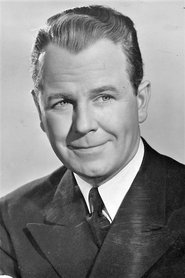 Regis ToomeyDavid Livingston
 Zasu PittsAunt Dot
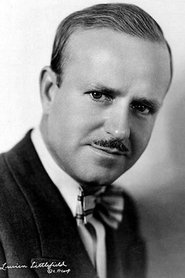
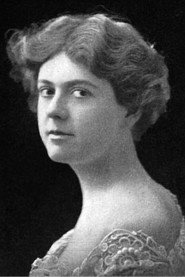 Clara BlandickMrs. Helen Livingston
- Robert AldenToby
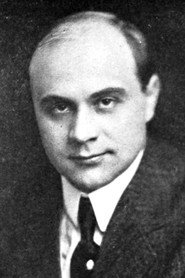 Oscar ApfelJudge Forbes
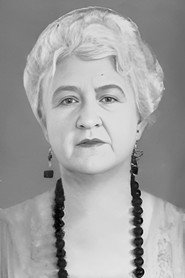 Maude Turner GordonMrs. Thorne
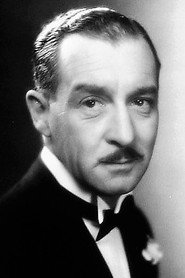 Albert ContiAndre
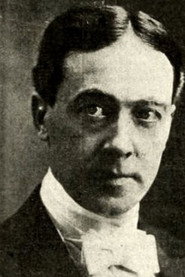 James DurkinDistrict Attorney
 Bess FlowersBanquet Party Guest (uncredited)
Directing
- Charles C. ColemanAssistant Director
- Nick GrindéDirector
Writing
- Jo SwerlingDialogue
- Robert RiskinDialogue
- Sarah Y. MasonStory
Production
- Harry CohnProducer