
Film
Johnny Apollo
A 1940 crime drama where a respectable man's fall from grace forces his son into the underworld. Tyrone Power carries a taut descent from legitimate world to prison cell, alongside Dorothy Lamour's sharp presence as a gangster's moll. It's sleek, fatalistic Hollywood noir—about how one person's shame can corrupt those they love most. Built for anyone drawn to moral quicksand.
Should you watch it?
Watch it if you love crime dramas where a decent man's moral slide is told with patience, a noir-tinged Depression-era melodrama that trusts its characters more than its plot machinery.
Skip it if the pace is unhurried and the romance can feel like an add-on, so if you want fast action or a snappy crime caper, look elsewhere.
What it asks of you: Ninety-four minutes of steady, dialogue-driven scenes and few flashy set pieces, so you need to sit with its compromises and read faces more than chase plot.
Not sure? Find tonight's pick in a minute.
If you liked this
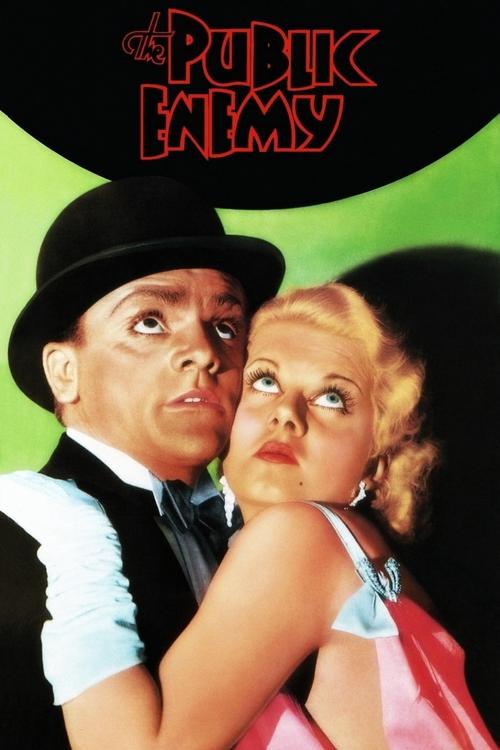
The Public Enemy1931
James Cagney's brutal rise through bootlegging and street crime defined the gangster picture. Raw, fast, and genuinely transgressive for 1931—a template Johnny Apollo refines with more psychological depth and romantic entanglement.
But The pacing feels relentless and airless by modern standards, and some of the dialogue creaks. It can feel more like a historical artifact than an evening's entertainment.
The Killing1956
Kubrick's heist masterpiece about good men drawn into crime for desperate reasons. It has that same taut fatalism and the sense that corruption spreads like contagion from person to person, destroying everything it touches.
But The chronological fragmentation can feel clever rather than moving, and the ending is bleaker than most people want from a night at the movies. It's austere.

In a Lonely Place1950
Humphrey Bogart as a man whose past keeps him trapped, unable to escape the gravity of who he's been. It shares Johnny Apollo's interest in how reputation and circumstance can hollow you out from the inside, even if you're innocent.
But It's deliberately downbeat and claustrophobic—there's no rescue, no redemption waiting. Some find it punishing rather than cathartic.

Not sure tonight? Get a pick in a minute, starting from Johnny Apollo
The wildcard
Something you would not have found on your own.
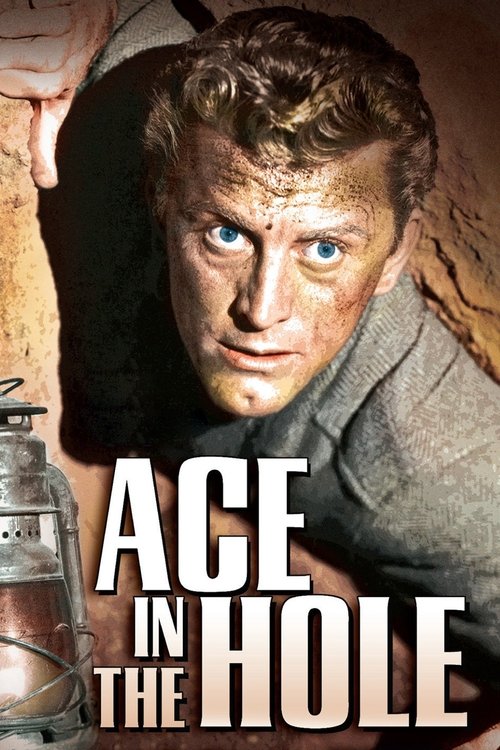
Ace in the Hole1951
Both explore how desperation and ambition can transform an ordinary person into something they don't recognize. Both locate the real crime not in the illegal act, but in the slow erosion of conscience.
Billy Wilder's savage drama about a newsman who exploits a man trapped in a cave for career advancement. It shares Johnny Apollo's fascination with moral corruption, but here Wilder makes you complicit—you watch good intentions curdle into something monstrous, and Wilder won't let you look away.
But It's genuinely cruel and offers no comfort. Many will find it too cynical, too willing to suggest everyone is rotten at their core. It doesn't entertain; it disturbs.
More like this (8)
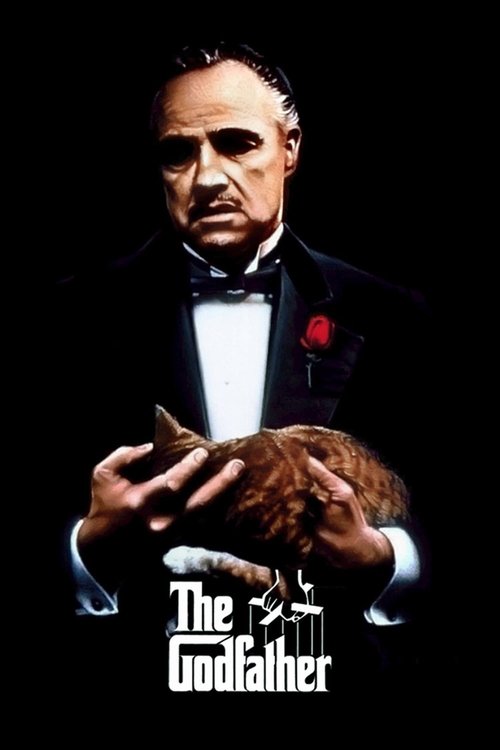
The Godfather1972
The definitive exploration of how crime corrupts families across generations. Michael Corleone's transformation mirrors Johnny's, but with operatic scale. It asks the same question: can you step into the underworld and step back out unchanged?
But At nearly three hours with a deliberate pace, it demands patience and repeated viewings to unlock. The first time through can feel impenetrable if you're not ready for it.
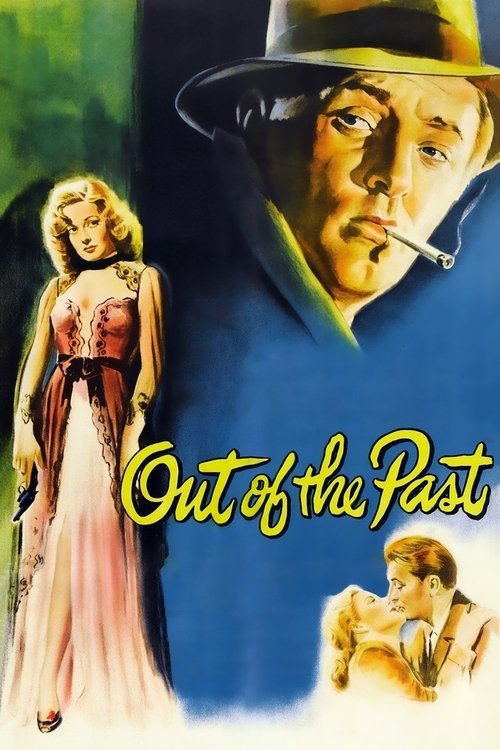
Out of the Past1947
Robert Mitchum trapped between his past as a criminal and his desire for a clean life. Jazz-soaked, fatalistic, and gorgeously composed—the romantic and noir elements mesh perfectly, much like Johnny Apollo's structure.
But The plot is deliberately labyrinthine and hard to follow. If you need a story that's easy to track, this will frustrate you.
The Asphalt Jungle1950
John Huston's heist procedural about good men planning one last job. It influenced everything after, including the moral gravity of Johnny Apollo—the sense that crime is a disease, not an adventure.
But It's methodical to the point of slowness. The heist itself is almost secondary to watching men's lives compress and fail.

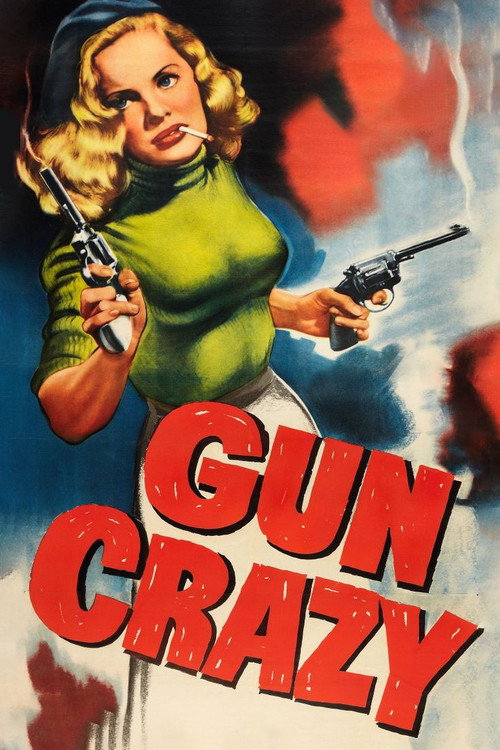
Gun Crazy1950
A young couple descends into crime together, unable to stop even when they know it's destroying them. It has Johnny Apollo's sense of decent people corrupted by circumstances and the people they love, but compressed and more visceral.
But It's very short and deliberately slight—some will feel there's not enough substance to justify the darkness. It can feel more like a sketch than a complete story.
The Killers1946
Burt Lancaster as a man destroyed by his own past decisions, with Ava Gardner as the woman he can't escape. Siodmak's direction creates that same suffocating sense of fate closing in from all sides.
But The fragmented narrative can feel confusing rather than artistic, jumping backward without clear signposts. The ending may feel anticlimactic if you're expecting bang-bang resolution.

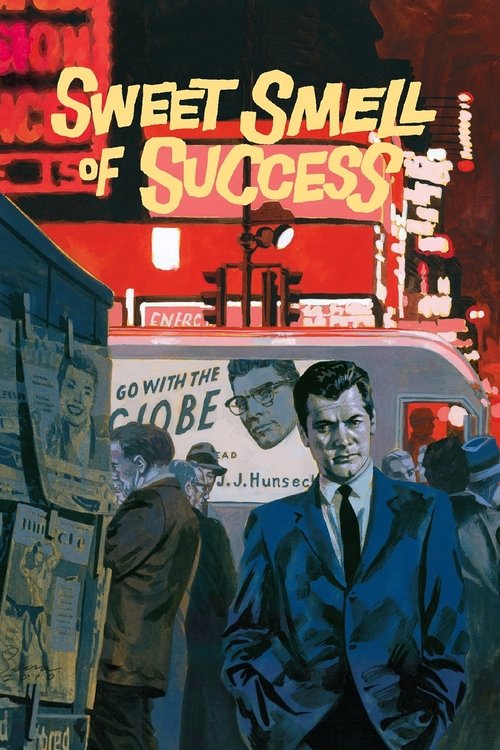
Sweet Smell of Success1957
A masterclass in moral rot dressed up in New York nightlife. Tony Curtis and Burt Lancaster circle each other in a world where everyone's corrupted. It has Johnny Apollo's interest in how proximity to crime transforms you, even if you don't pull the trigger.
But The dialogue is Shakespearean and dense—you have to listen hard. The city it depicts is so sordid that some will find it exhausting rather than exhilarating.
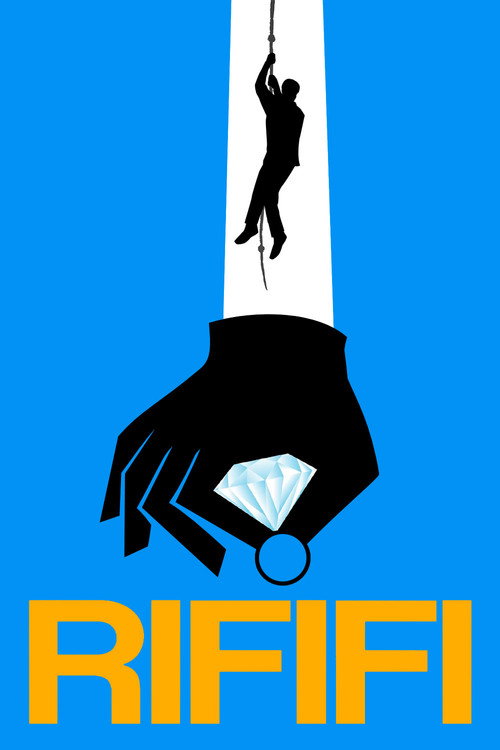
Rififi1955
Both use the heist or crime as a framework for exploring guilt, family obligation, and the impossibility of reinvention. Both suggest that some doors, once opened, never close.
A French heist film directed by Jules Dassin with a 30-minute silent robbery sequence that remains genuinely gripping. It's obsessed with the same question as Johnny Apollo—what does crime cost the people who commit it, and can they ever go home?
But It's in French with subtitles, and the emotional register is cold rather than warm. There's little warmth here, just the mechanics of men destroying their own lives through choices they made years ago.
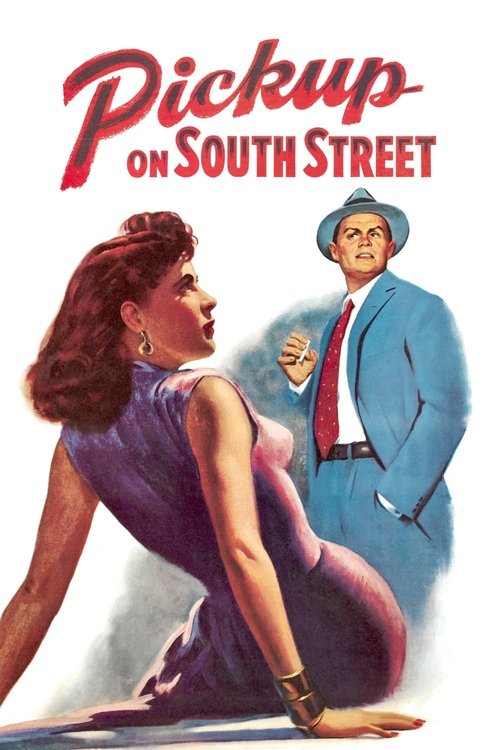
Pickup on South Street1953
Both feature protagonists trying to navigate between law and underworld while protecting the people they love. Both suggest that sometimes there is no correct choice—only the least destructive option.
Samuel Fuller's lean, furious film about a pickpocket caught between cops and communists during the Cold War. Jean Peters as a woman forced into crime by circumstance. It's got Johnny Apollo's speed and its belief that ordinary people get swept into extraordinary corruption by forces larger than themselves.
But Fuller's style is abrupt and fragmentary—the emotional beats land hard but fast, without the careful construction you might want. It can feel cheap rather than economical. The Cold War politics may feel dated.
People
Cast
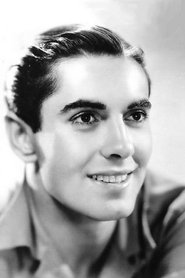 Tyrone PowerRobert Cain Jr. (aka Johnny Apollo)
 Dorothy Lamour'Lucky' Dubarry
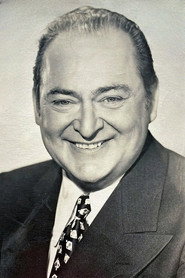 Edward ArnoldRobert Cain Sr.
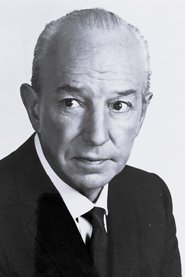 Lloyd NolanMickey Dwyer
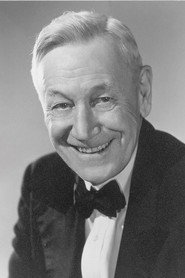 Charley GrapewinJudge Emmett T. Brennan
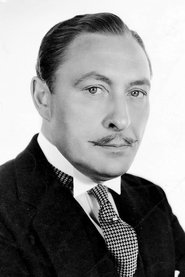 Lionel AtwillJim McLaughlin
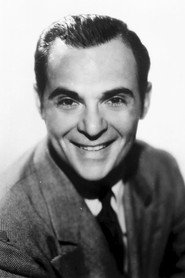 Marc LawrenceBates
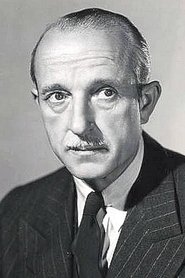 Jonathan HaleDr. Brown
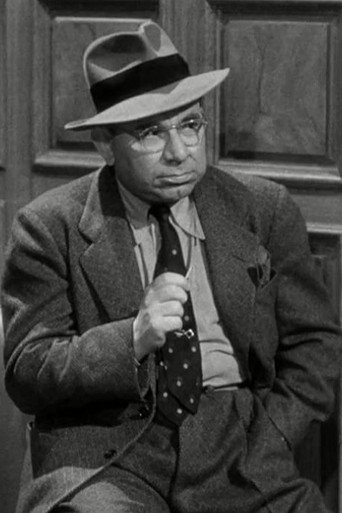 Harry RosenthalPiano Player
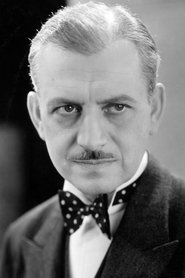 Russell HicksDistrict Attorney
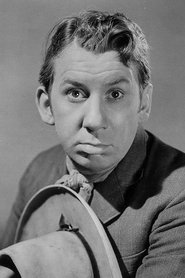 Fuzzy KnightCellmate
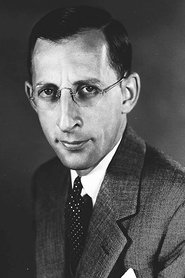 Charles LaneAssistant D.A.
Directing
- Henry HathawayDirector
Writing
- Philip DunneScreenplay
- Rowland BrownScreenplay
- Hal LongStory
- Samuel G. EngelStory
Production
- Harry Joe BrownAssociate Producer