
Film
Lonesome
A silent romance from 1928 about two strangers who meet in New York City and share a day at Coney Island, then lose each other—a film about urban loneliness and chance connection that shifts between comedy and genuine ache. It's intimate and melancholic, shot with real affection for its ordinary characters. For anyone who loves quiet, character-driven stories.
Should you watch it?
Watch it if you love silent cinema's gift for wordless feeling and city textures, the kind of romance told through glances, crowds and rhythm rather than dialogue.
Skip it if you need talky, plot-driven storytelling, or you find long silent stretches a chore, since its slight story leans on mood more than incident.
What it asks of you: A short seventy minutes, but it moves at a dreamy pace, carried by faces, music cues and street life more than by words, so give it your full attention.
Not sure? Find tonight's pick in a minute.
If you liked this
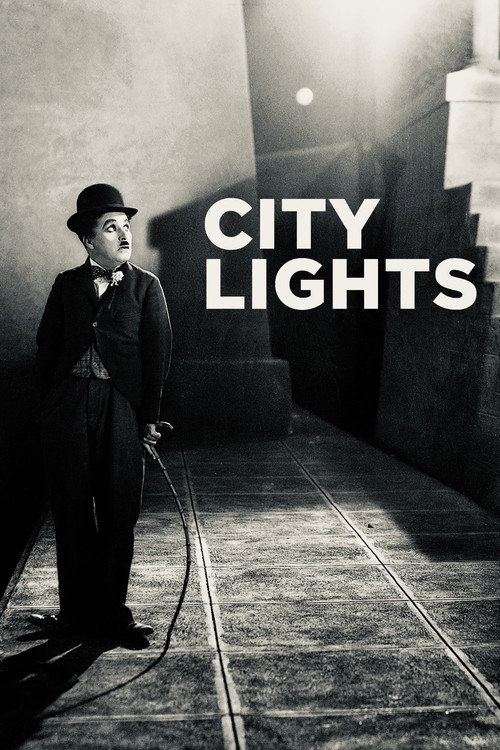
City Lights1931
Chaplin's tramp falls for a blind flower seller in Depression-era silence. It has the same tender vulnerability, the same faith that ordinary people deserve epic emotion, the same willingness to break your heart.
But Silent film acting can feel broad to modern eyes. The pacing demands patience—there's no score driving you forward, just long stretches of faces.
Sunrise: A Song of Two Humans1927
A husband tempted to abandon his wife and child gets a second chance. Murnau's masterpiece shares Lonesome's belief that redemption and connection can happen in a single day, with the same visual poetry and heartbreak.
But It's hypnotic rather than plot-driven. If you need constant narrative momentum, the dreamlike pacing will feel slow.

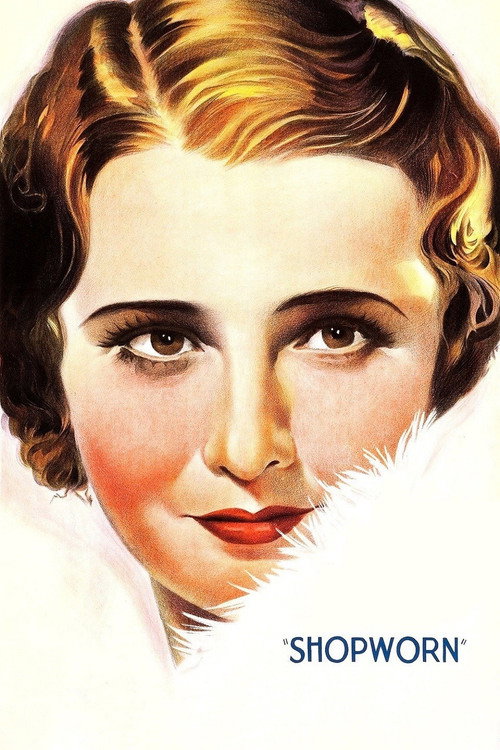
Shopworn1932
Barbara Kent again, in another story about class difference and unlikely connection. It has the same warmth toward working people, the same tension between hope and circumstance. Kent was a genuine talent.
But The melodrama is heavier here. If you prefer subtlety over earnest emotional stakes, it might feel overwrought.
Not sure tonight? Get a pick in a minute, starting from Lonesome
The wildcard
Something you would not have found on your own.
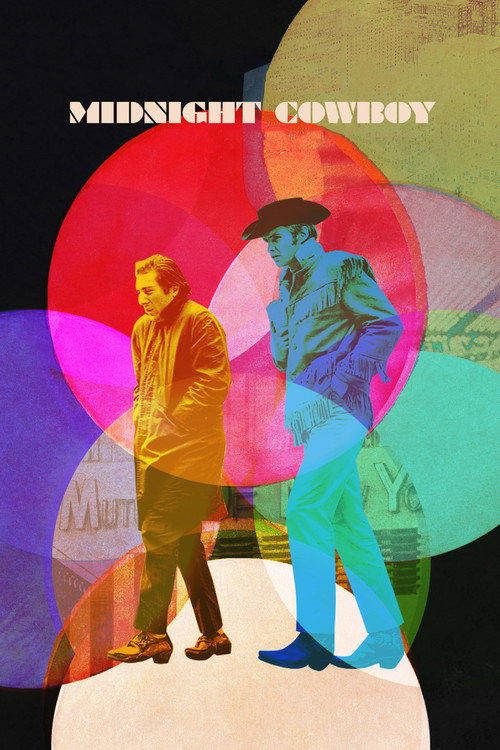
Midnight Cowboy1969
Both films locate the entire emotional weight of a human story in the moment two lonely people meet, and explore whether that connection can survive contact with the world. Lonesome says yes; Midnight Cowboy says the world won't allow it.
Two damaged outsiders meet in New York and form a symbiotic, doomed bond. It has Lonesome's essential story—isolation in the city, connection between strangers—but inverts it completely: where Lonesome is innocent and hopeful, this is brutal and tragic. Terrifying and beautiful.
But It's sexually explicit, violent, and genuinely disturbing in places. It treats urban isolation not as a romance but as a descent. Some of it is difficult to watch intentionally.
More like this (8)
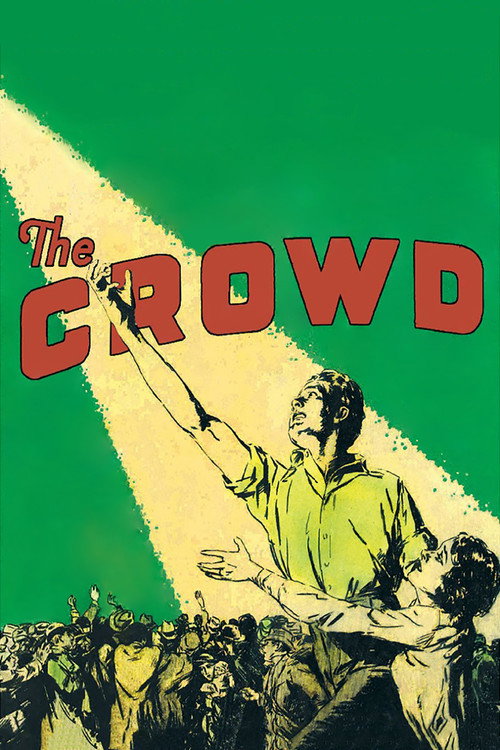
The Crowd1928
A young man tries to make his way in New York. King Vidor's film shares Lonesome's documentary eye for city life, its sympathy for small dreams, its sense of how easily people can vanish into the masses.
But It's darker and more fatalistic. Where Lonesome offers hope, this one mostly offers resignation. Some find that bracing; others find it bleak.
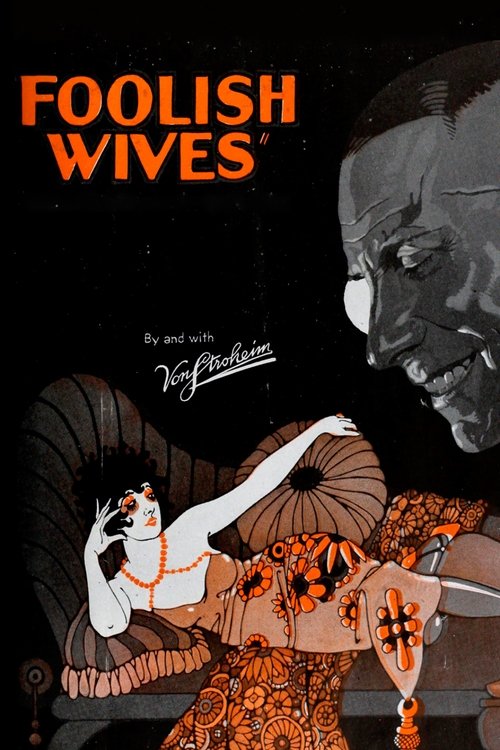
Foolish Wives1922
A con artist preys on lonely people in Monte Carlo. Erich von Stroheim's film has the same interest in how isolation makes people vulnerable, shot with the same visual intelligence and moral complexity.
But It's nearly four hours long, and silent film length can feel genuinely exhausting if you're not ready for it. Also, it's cynical in ways Lonesome isn't.
Intolerance: Love's Struggle Throughout the Ages1916
D.W. Griffith's epic weaves four stories across history. It shares Lonesome's interest in how chance and circumstance shape lives, and the same almost unbearable emotional scale, but in miniature and at a massive scale.
But It's over three hours of 1916 cinema, which means intertitles, acting styles, and pacing that will feel alien unless you're genuinely committed to the period.

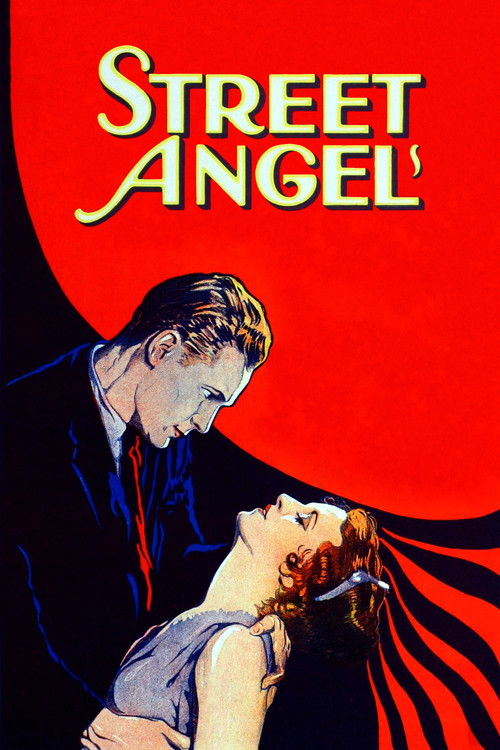
Street Angel1928
Another 1928 romance about city people finding each other: a prostitute and a sailor meet and dream of escape. Frank Borzage made a career of this story, and it's shot with almost unbearable delicacy.
But The plot hinges on prostitution and poverty in ways that can feel reductive now. Also, Borzage's sentimentality isn't for everyone.
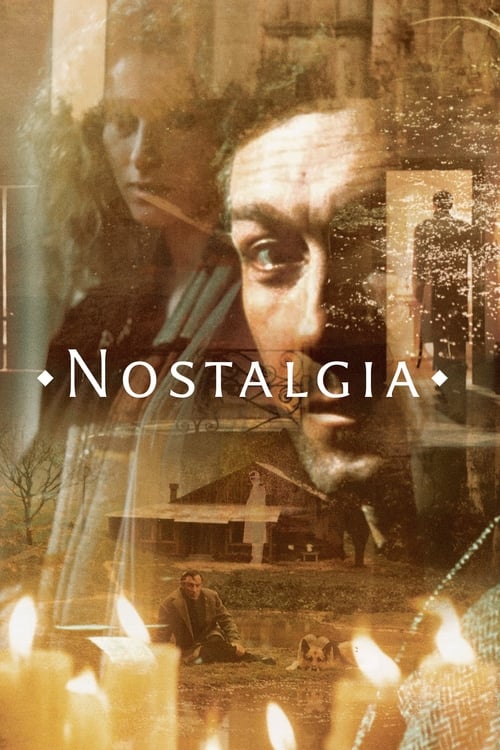
Nostalgia1983
Tarkovsky's meditative film about memory, time, and the places we return to. It shares Lonesome's quiet conviction that ordinary moments contain depths, that connection matters, and that time is more important than plot.
But It's 163 minutes of extremely slow cinema. You need to surrender to the rhythm completely or it will feel like punishment.
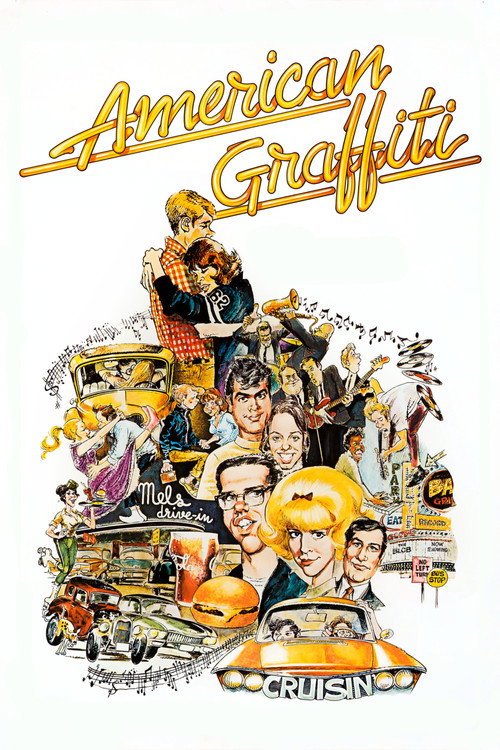
American Graffiti1973
Lucas captures an evening of chance meetings and small connections in a small California town. It has the same nostalgia for transient human contact, the same faith that strangers' lives intersect for reasons.
But It's a very different film—faster, noisier, more obviously entertaining. If you come for the meditative quality of Lonesome, you might feel you've been given something else entirely.
In the Mood for Love2000
Both films understand that the real story isn't the plot—it's the mood of two people in the same space. Both are structured almost like poems. Both believe that longing and proximity can carry an entire film.
Wong Kar-wai's Hong Kong masterpiece. Two neighbors discover their spouses are having an affair and form a connection built entirely on proximity and restraint. Gorgeously, heartbreakingly shot. It's pure visual poetry in service of a two-person story.
But It's extremely slow and oblique. Plot barely exists. If you need clear narrative direction, you'll find it maddening. Also very long for what happens.

Stalker1979
Both films trust that a simple human situation—meeting, seeking, wanting—contains all the drama you need. Both reject plot in favor of mood and character interiority. Both are about the price of connection in an indifferent world.
A guide leads two men through a mysterious zone to a room that grants wishes. Tarkovsky's science-fiction film is philosophically the inverse of Lonesome: instead of two people meeting by chance, it's about the cost of seeking connection and meaning. Hypnotic and devastating.
But It's 163 minutes of very slow science fiction shot in muted colors with almost no action. If you need plot momentum or conventional SF spectacle, this will feel like nothing is happening.

People
Cast
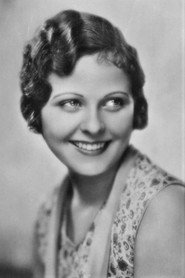 Barbara KentMary
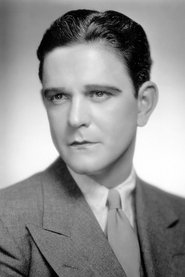 Glenn TryonJim
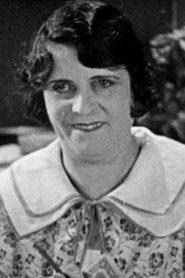 Fay HoldernessOverdressed Woman
- Gusztáv PártosRomantic Gentleman
 Eddie PhillipsThe Sport
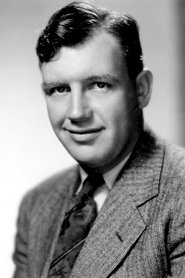 Andy DevineJim's Friend (uncredited)
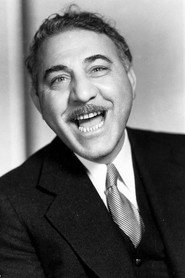 Henry ArmettaFerris Wheel Guy (uncredited)
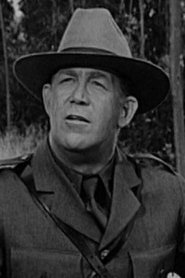 Edgar DearingCop (uncredited)
 Louise EmmonsTelephone Caller (uncredited)
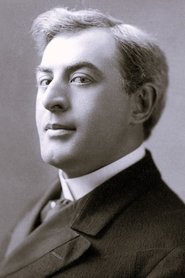 Fred EsmeltonSwami (uncredited)
- Jack RaymondBarker (uncredited)
 Churchill RossTelephone Caller (uncredited)
Directing
- Pál FejősDirector
Writing
- Mann PageStory
- Edward T. Lowe Jr.Writer
- Tom ReedWriter
Production
- Carl Laemmle Jr.Supervising Producer
Recommended by
Way Down East, Bus Stop, The Farmer's Wife, A Woman of Affairs, Street Angel, Ah, Wilderness!, Workers Leaving the Lumière Factory, The Student Prince in Old Heidelberg, Merry-Go-Round, Sorrell and Son, Bride of the Storm, The Docks of New York