
Film
Sorrell and Son
A 1927 silent drama about sacrifice and paternal love. Stephen Sorrell, a war veteran, endures brutal labor as a hotel porter to fund his son's education, shielding the boy from his mother's abandonment. It's a quietly devastating portrait of dignity under duress, told with the emotional directness of early cinema—no irony, no distance, just a father's steady devotion.
If you liked this
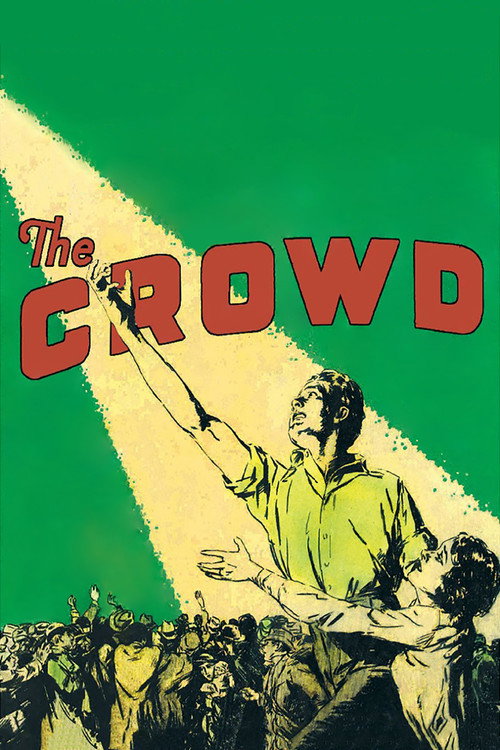
The Crowd1928
Vidor's masterpiece about ordinary life and ambition in the modern city, made the same year. A young man's struggle to provide and rise above his station, filmed with the same empathetic clarity you find in *Sorrell and Son*.
But Very long, very patient, and the ending refuses conventional comfort. Watching other people's quiet disappointment can feel heavy.
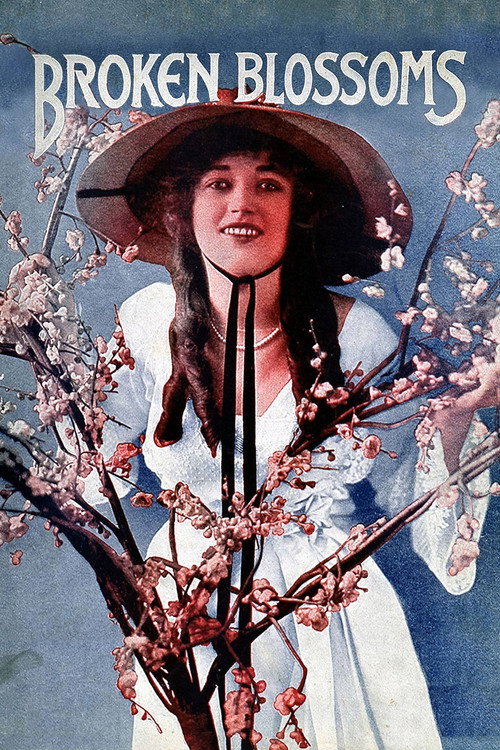
Broken Blossoms or The Yellow Man and the Girl1919
Griffith's most tender film—a man's protective, almost desperate love for a vulnerable young person. The emotional core is pure and unsentimental, the way *Sorrell* is. Genuinely moving.
But Silent cinema can feel distant on first viewing, and the film's racial politics, though well-intentioned, are dated and occasionally uncomfortable.
Sunrise: A Song of Two Humans1927
Another 1927 masterpiece about duty, temptation, and the quiet strength required to protect what matters. Murnau's visual storytelling is astonishing, and the emotional precision matches *Sorrell's* completely.
But The rural-to-urban journey and domestic crisis might feel melodramatic if you're not attuned to silent film's emotional register.

Not sure tonight? Get a pick in a minute, starting from Sorrell and Son
The wildcard
Something you would not have found on your own.
Kes1970
Both films locate paternal or familial love not in grand gestures but in everyday persistence—the unglamorous, daily decision to protect someone you love more than yourself.
Ken Loach's film about a working-class boy and his bond with a kestrel, told with the same unsentimental love for the struggling that animates *Sorrell*. It's a different era and medium, but the emotional DNA is identical: how the powerless find dignity and meaning in small, fierce attachments.
But Slow, regional English dialect, no heroic arc. It ends in grief, and offers no redemption. Many viewers find it boring.

More like this (6)
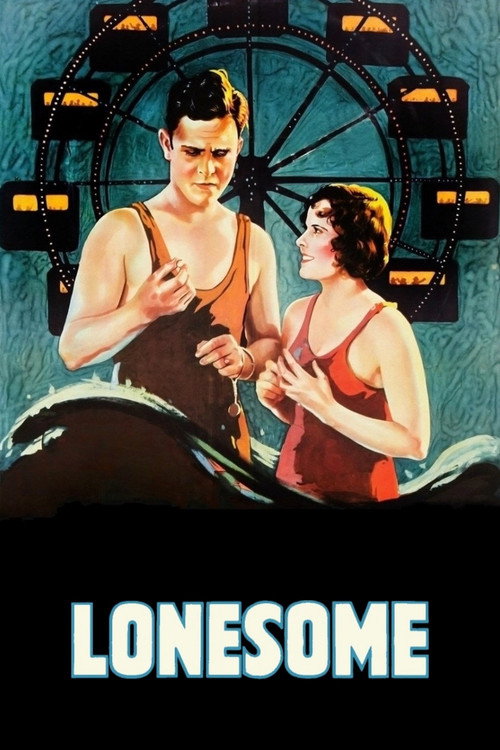
Lonesome1928
Borzage exploring work, loneliness, and small moments of connection in the city. It has *Sorrell's* sympathy for people grinding through difficult lives without complaint or fanfare.
But Plotwise, it's slight—more a mood piece than a story with clear stakes. The appeal is purely in tone and observation.
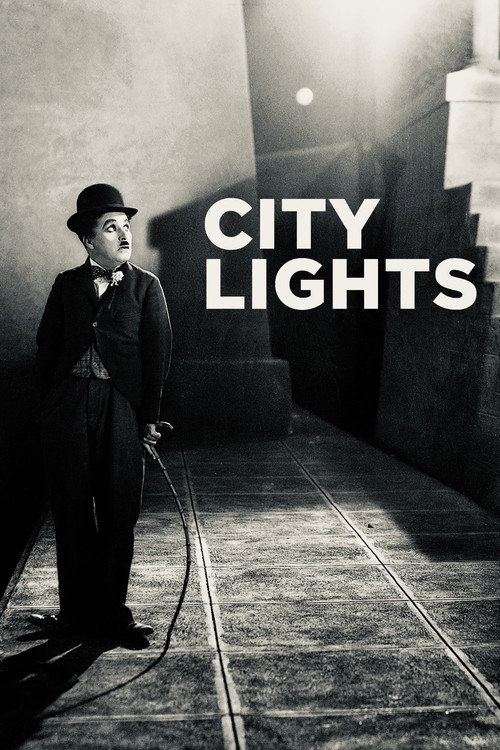
City Lights1931
Chaplin as a tramp who sacrifices everything for a blind woman's happiness. It's built on the same foundation as *Sorrell*: quiet selflessness, physical comedy undercut by genuine pathos, the dignity of the struggling.
But Chaplin's sentimentality can feel saccharine if you're resistant to it, and the final scene divides viewers sharply.
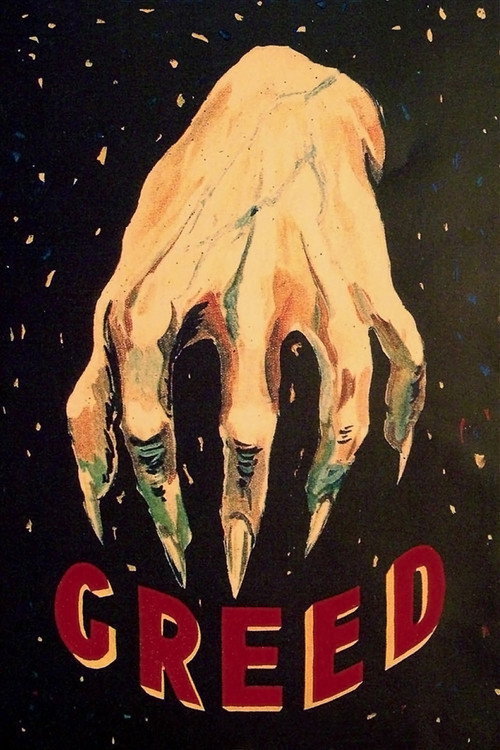
Greed1924
Stroheim's unflinching look at how poverty and desperation corrode character. It shares *Sorrell's* refusal to look away from human suffering, though it takes a darker path.
But Nearly four hours, brutally bleak, and the famous restored version still feels incomplete. Erich von Stroheim gives no quarter.
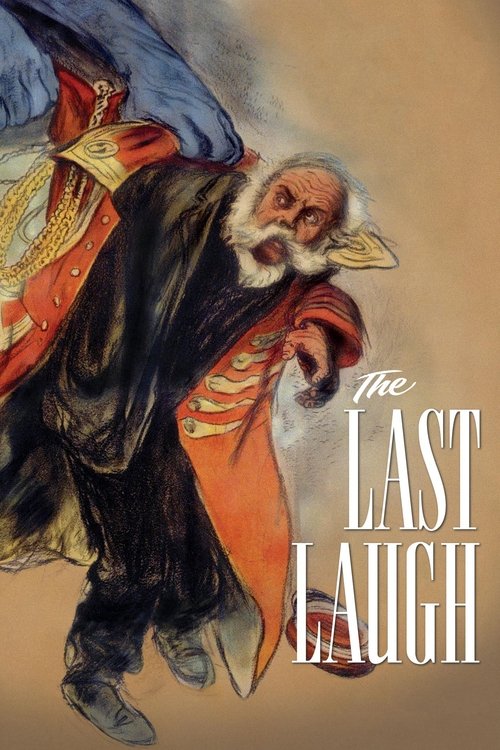
The Last Laugh1924
Murnau again, this time tracking a hotel porter's humiliation in precise, devastating detail. The job, the uniform, the fall—it's the mirror image of *Sorrell's* degradation, filmed with German Expressionist intensity.
But Wordless and extremely downbeat. The emotional register is relentlessly grim, and the twist ending is either brilliant or feels false depending on your mood.
Ikiru1952
Both center on a man whose entire worth is his capacity to endure and sacrifice. Both suggest that such lives are, in fact, the most valuable ones we can live.
Kurosawa's film about a dying bureaucrat who discovers meaning through simple acts of care and legacy. It's a Japanese film from a wholly different tradition, but it asks the exact question *Sorrell* asks: what survives of a life devoted to others? The emotional clarity is devastating.
But Nearly three hours, very slow, and deliberately repetitive. The bureaucratic scenes are intentionally tedious. Only watch if you can sit with quiet devastation.

The Ascent1977
Both present suffering not as a plot point but as the central condition of existence, and both ask whether dignity survives degradation. Both answer yes, and mean it.
Larisa Shepitko's film about two Soviet partisans climbing toward their execution, talking and questioning all the way. It's surreal, philosophical, and existential where *Sorrell* is naturalistic—but it shares an unflinching meditation on suffering, sacrifice, and what we owe each other.
But Abstract, difficult, and bleak in a way that leaves no room for comfort. Some may find it self-conscious or pretentious. Not a film; a trial.
People
Cast
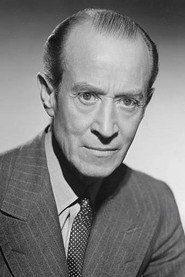 H.B. WarnerStephen Sorrell
 Anna Q. NilssonDora Sorrell
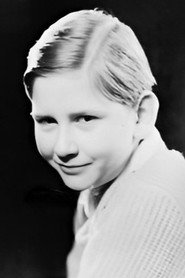 Mickey McBanKit, as a child
- Mickey McBanFlo Palfrey
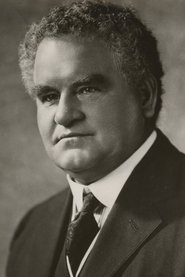 Lionel BelmoreJohn Palfrey
 Carmel MyersFlo Palfrey
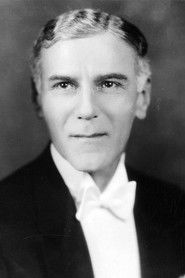 Norman TrevorThomas Roland
 Betsy Ann HisleMolly, as a child
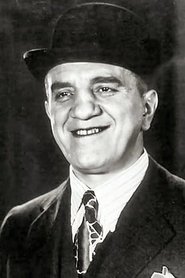 Louis WolheimBuck
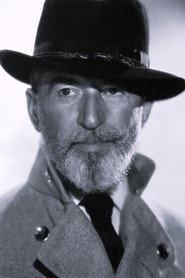 Paul McAllisterDr. Orange
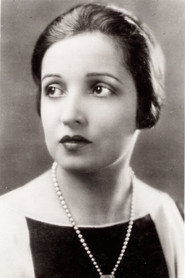 Alice JoyceFanny Garland
 Nils AstherChristopher 'Kit' Sorrell
Directing
- Ray LissnerAssistant Director
- Herbert BrenonDirector
Writing
- Elizabeth MeehanAdaptation
- Warwick DeepingNovel
- Herbert BrenonWriter