
Film
The Sport of Kings
A 1921 silent drama about class, competition, and redemption centred on horse racing. Victor McLaglen carries this brisk fifty-minute film with the physical charisma that made him a star. It's a working-man-makes-good story told with the directness typical of early cinema—no subplot bloat, no cynicism, just straightforward emotional stakes and racing thrills.
Should you watch it?
Watch it if you enjoy brisk, old-fashioned melodrama where class divides and a horse race does the heavy lifting, and you don't mind the broad, stagey performances of early cinema.
Skip it if you need silent-era pacing and broad acting to feel like a virtue rather than a chore, since the sporting plot and the romance both lean on stock conventions.
What it asks of you: Only fifty minutes, so it moves briskly and never outstays its welcome, but it wants you to read faces and gestures closely since much is conveyed without speech.
Not sure? Find tonight's pick in a minute.
If you liked this
Sunrise: A Song of Two Humans1927
Murnau's masterpiece about a man torn between worlds uses weather, light, and landscape to convey what words cannot. The emotional machinery is pure and devastating, and the city sequence still astounds.
But It's visually ravishing but emotionally bleak for long stretches. Silent film pacing takes adjustment if you're not accustomed to it.

The Phantom Carriage1921
Sjöström's Swedish phantom story uses supernatural dread and moral reckoning to ask what a life amounts to. Technically inventive and genuinely haunting, made the same year and in the same league as The Sport of Kings.
But The pacing is deliberate and the emotional weight is heavy. Not a movie for movement or distraction.

Intolerance: Love's Struggle Throughout the Ages1916
Griffith's four-story epic weaves together different eras to argue about justice and compassion. Visually colossal, structurally daring, and surprisingly modern in how it cuts between storylines.
But Three and a half hours, sometimes ponderous, and Griffith's politics haven't aged well. The ambition can overwhelm the emotion.

Not sure tonight? Get a pick in a minute, starting from The Sport of Kings
The wildcard
Something you would not have found on your own.
Kes1970
Both centre on a working-class protagonist finding worth and opportunity through a pursuit—horses or birds—that lifts him momentarily above his circumstances. The moral stakes are identical.
A Yorkshire boy finds purpose and dignity through his bond with a hawk. Loach captures working-class life with unvarnished honesty and shows how one relationship can reshape a life—the same emotional engine as The Sport of Kings but decades later and in colour.
But The boy's life is bleak and there is real cruelty in the film. It doesn't offer false comfort and the ending arrives without apology.

More like this (8)
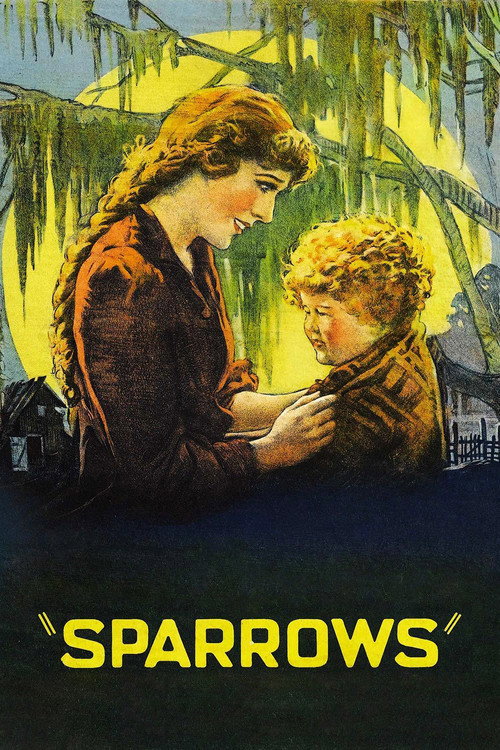
Sparrows1926
Mary Pickford leads a band of orphans in this melodrama that mixes adventure, suspense, and genuine tenderness. The emotional stakes feel earned, and Pickford's star power serves the story rather than drowning it.
But Orphan-rescue narratives feel familiar now, even when beautifully done. The sentimentality is deliberate and unironic.
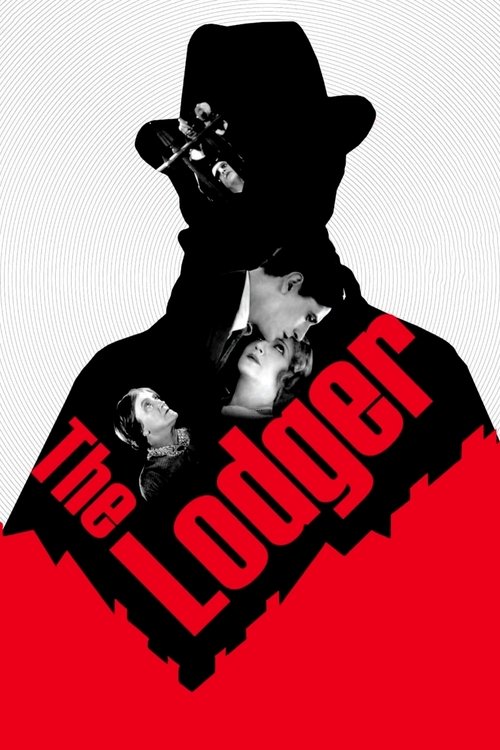
The Lodger: A Story of the London Fog1927
Hitchcock's thriller about suspicion and urban anxiety moves with propulsive energy. A landlady, a lodger, a serial killer—the psychological unease builds without a word wasted.
But It's more mood than plot, and the resolution feels slight. If you want mystery solved, not just suggested, you'll be disappointed.
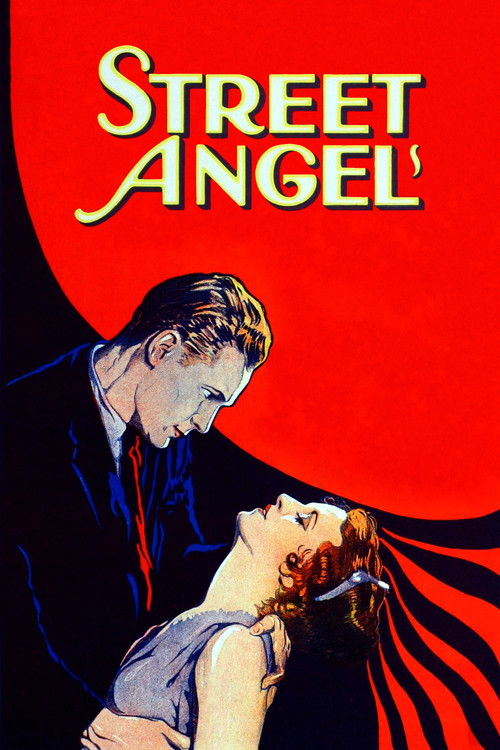
Street Angel1928
Frank Borzage's love story between a street girl and a poor artist is tender without being saccharine. Shot with visual poetry and performed with genuine feeling by Janet Gaynor and Charles Farrell.
But It's a romantic melodrama; if the genre itself doesn't move you, neither will this. The sacrifice-for-love plot is familiar.
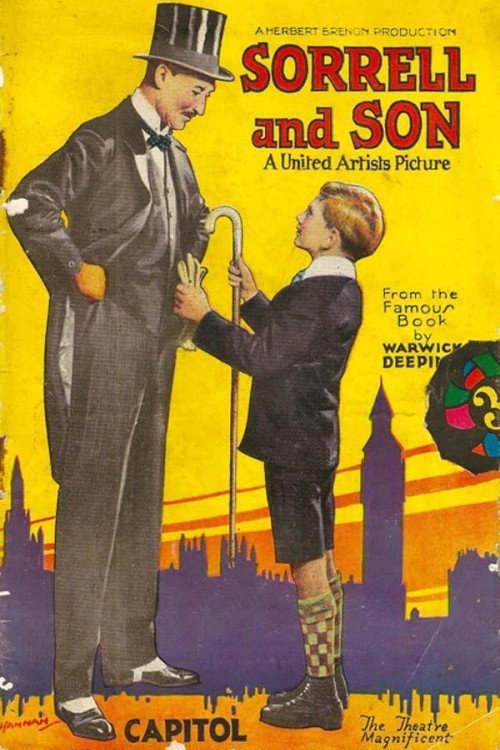
Sorrell and Son1927
A father-son story about sacrifice and class in post-war Britain. H.B. Warner brings quiet dignity to a working man's determination to give his son opportunities. Character-driven and genuinely affecting.
But No spectacle, no action. It's all about stoic endurance and delayed gratification—emotionally quiet rather than dramatically urgent.
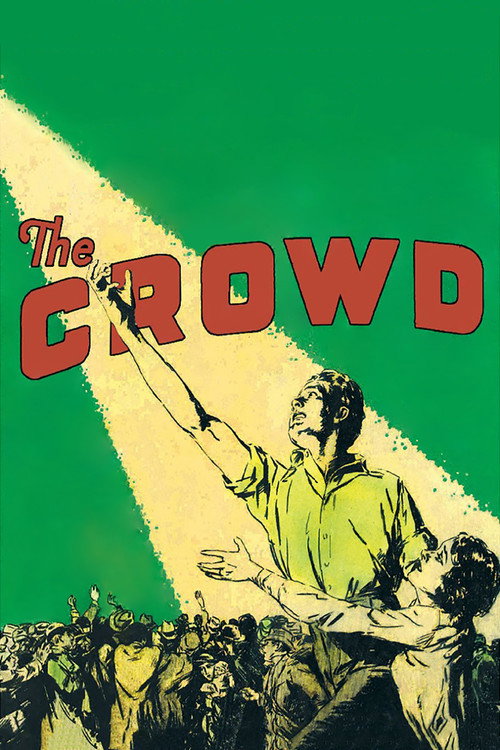
The Crowd1928
King Vidor's portrait of ordinary modern life—a young man and woman navigating jobs, marriage, and disappointment in the city. It finds drama in the everyday and the result is oddly profound and touching.
But Nothing much happens and nobody wins. If you need resolution or uplift, the bleakness will frustrate you.
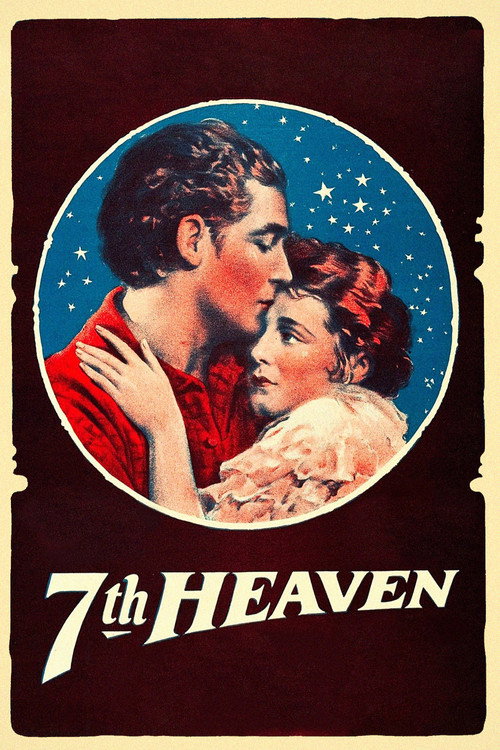
7th Heaven1927
Borzage again, this time with Emil Jannings as a sewer worker in pre-war Paris who finds love and purpose. It's intimate, sweetly human, and filmed with real visual ingenuity on miniature sets.
But The romance is earnest and slow-moving by modern standards. The social realism and the fantasy don't always sit comfortably together.
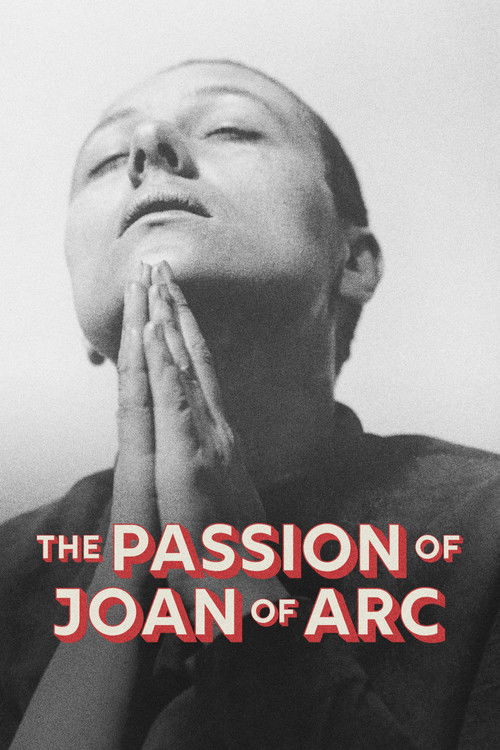
The Passion of Joan of Arc1928
Both are films from the end of the 1920s that trust silence and performance over plot. Both find tragedy and nobility in ordinary faces. Both know that racing toward or away from something can be a spiritual act.
Dreyer's film about Joan of Arc at her trial uses mostly close-ups of Renée Jeanne Falconetti's face to convey spiritual and physical agony. Technically radical and emotionally shattering; a feat of pure cinema that transcends its historical subject.
But It's an hour of mounting psychological and physical pain. The close-ups can feel claustrophobic, and the trial's procedures are repetitive by design—not for restless viewing.
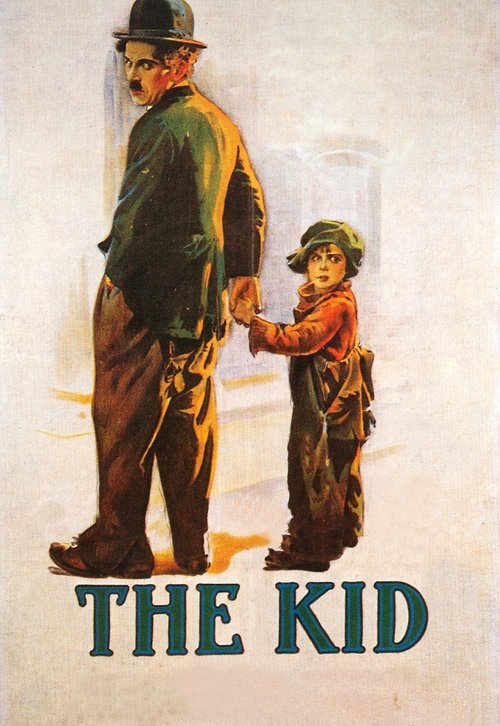
The Kid1921
Released the same year as The Sport of Kings, it's also a working-man story about dignity, class, and the bonds that matter more than money. Both use sporting or physical pursuits as metaphors for staying alive.
Chaplin's tramp takes in a homeless boy and the two form a partnership that survives poverty and bureaucracy. It's funny and heartbreaking at once—Chaplin proves that sentiment and comedy strengthen each other rather than cancel out.
But Sentimental by design and the orphan plot is engineered to pull tears. If you resist the setup, Chaplin's charm won't override your resistance.
People
Cast
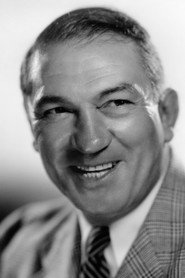 Victor McLaglenFrank Rosedale
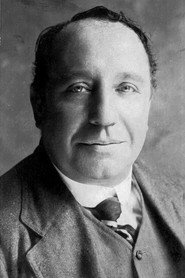 Douglas MunroJames Winter
- Cyril PercivalHarry Lawson
- Phyllis ShannawElaine Winter
Directing
- Arthur RookeDirector
Writing
- Arthur RookeWriter