
Film
Bus Stop
Bus Stop is a 1956 comedy-drama that finds Marilyn Monroe playing against type as a nightclub singer caught between a charming but relentless cowboy and her own dreams. It's funny and tender by turns, with genuine darkness underneath—a film about desire, coercion, and the courage to say no. Perfect for anyone curious about Monroe beyond the bombshell stereotype, or who loves character-driven romantic comedies with real stakes.
Should you watch it?
Watch it if you enjoy a sharp, warm romantic comedy about two stubborn people, where the humor comes from character rather than plot machinery and the Western setting feels lived-in.
Skip it if you want a brisk pace, since it lingers over talky, sentimental scenes and some of its gags land awkwardly by modern standards.
What it asks of you: Ninety-five minutes in a handful of locations, mostly talk and waiting around, so you need patience for quiet character moments more than for plot.
Not sure? Find tonight's pick in a minute.
If you liked this
It Happened One Night1934
The template for romantic road movies: two people from different worlds thrown together, sparring their way toward understanding. Same structure as Bus Stop, but with the screwball energy turned up and the darkness dialed down.
But It's nearly a century old, moves at a pace that rewards patience rather than speed, and the gender politics, while progressive for 1934, will feel dated in different ways than Bus Stop does.

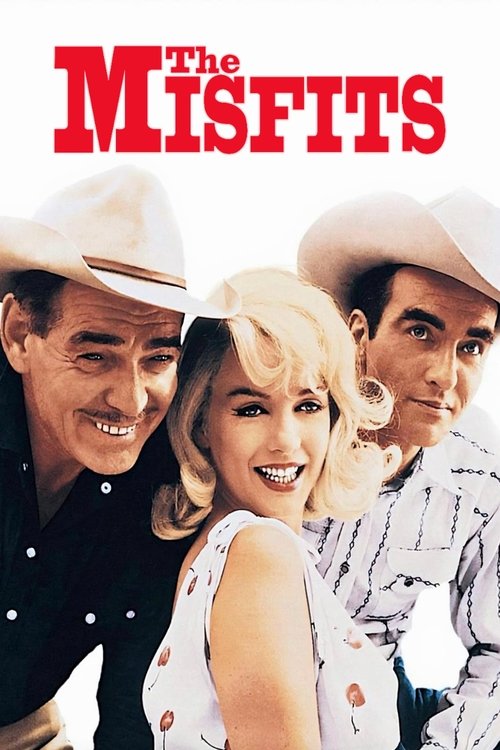
The Misfits1961
Monroe's last completed film, a genuine tragedy about lonely people reaching for connection. It has Bus Stop's melancholy but trades comedy for something rawer and more devastating—Gable, Clift, and Monroe all at their most vulnerable.
But It's genuinely sad in ways that don't resolve neatly. Long, slow, and occasionally glacial. Not a comfort watch.
Singin' in the Rain1952
Pure joy about showbiz, ambition, and the machinery that turns people into stars. If you want to understand what Cherie wants, and why Monroe's character in Bus Stop resonates, watch this first to feel the pull of that dream.
But The gender dynamics are pretty squarely mid-century, and the romantic resolution prioritizes the plot over what the female lead actually said she wanted.

Not sure tonight? Get a pick in a minute, starting from Bus Stop
The wildcard
Something you would not have found on your own.
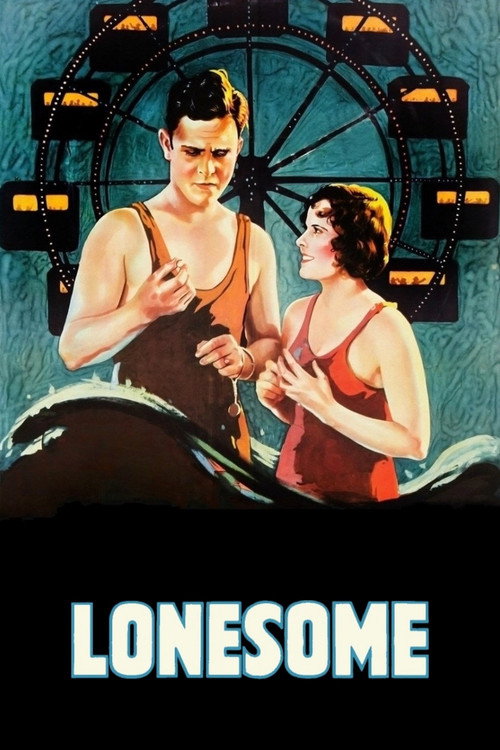
Lonesome1928
Both films build their entire moral universe around the question of whether wanting something badly enough gives you the right to take it from someone else. In Lonesome, two people choose each other; in Bus Stop, we watch what happens when that choice is taken away.
A silent film about two lonely people meeting on Coney Island—the spiritual ancestor of every romantic comedy about connection and the city. Watch it to understand the architecture Bus Stop inherited, and how little has actually changed about how we tell these stories.
But It's silent, it's 96 years old, and its romanticism is uncynical to the point of aching. Some viewers find that purity difficult to sit with in our era. Also genuinely hard to find in decent prints.
More like this (8)
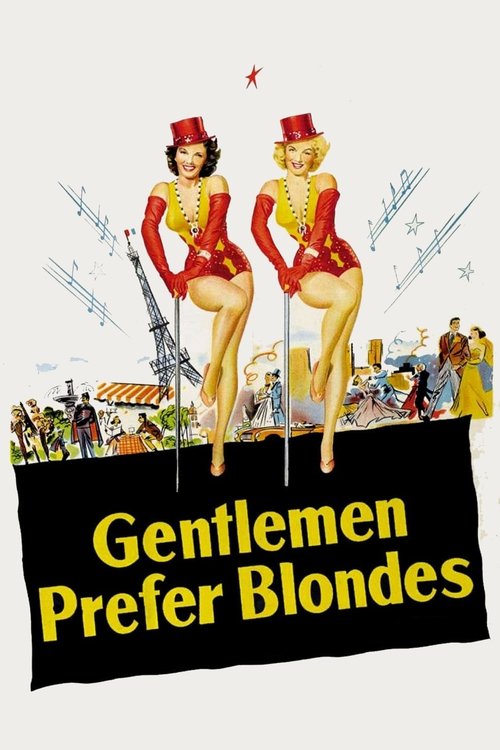
Gentlemen Prefer Blondes1953
Monroe shining in a role that leans into her star persona while giving her actual comedic control. If Bus Stop intrigues you but feels too dark, this is Monroe having uncomplicated fun and proving she's genuinely funny.
But It's lighter than Bus Stop to the point of weightlessness. Some viewers find the musical numbers slow the pace, and the satire can feel thin on repeat viewings.
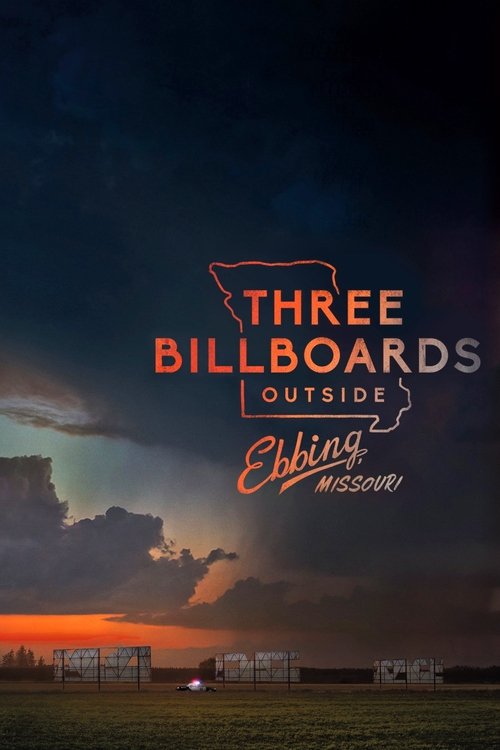
Three Billboards Outside Ebbing, Missouri2017
A woman refusing to be moved, manipulated, or silenced, even when the people around her have every reason to expect she will be. Same moral core as Bus Stop but updated and angrier—what it costs to stand your ground.
But It's darkly comic in a way that can feel uneven; some scenes land between tragedy and farce in ways not everyone finds comfortable. Heavy and restless.
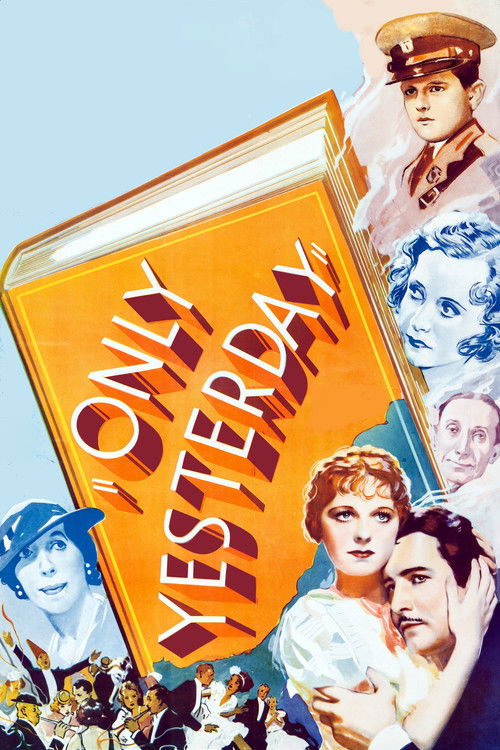
Only Yesterday1933
A Depression-era romance that treats its female lead's doubts and dreams as real and worth taking seriously. Predates Bus Stop but shares its refusal to let romance override a woman's sense of self.
But It's obscure for a reason—the pacing is glacial even by 1930s standards, and prints vary wildly in quality. You may need to hunt to find a good version.
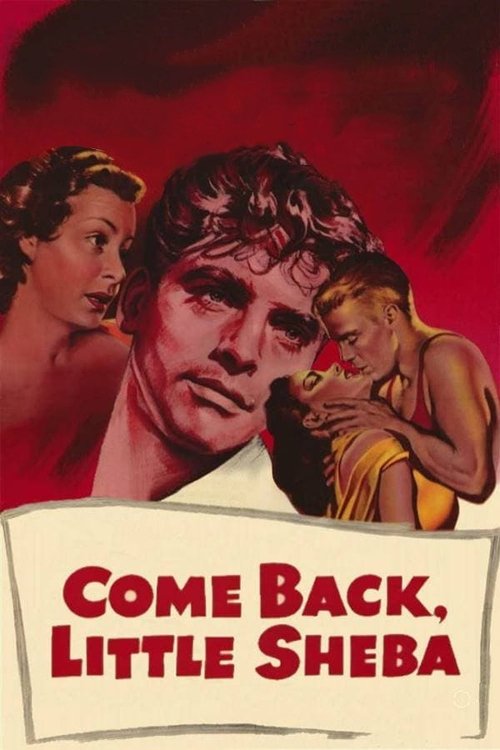
Come Back, Little Sheba1953
Shirley Booth devastating as a woman whose life has contracted into small disappointments. Like Bus Stop, it finds heartbreak in the everyday and refuses to look away from how people settle, compromise, and sometimes break.
But It's bleak and static—essentially a stage play, and not in the fun way. Long scenes of people staring into middle distance while their marriage crumbles.
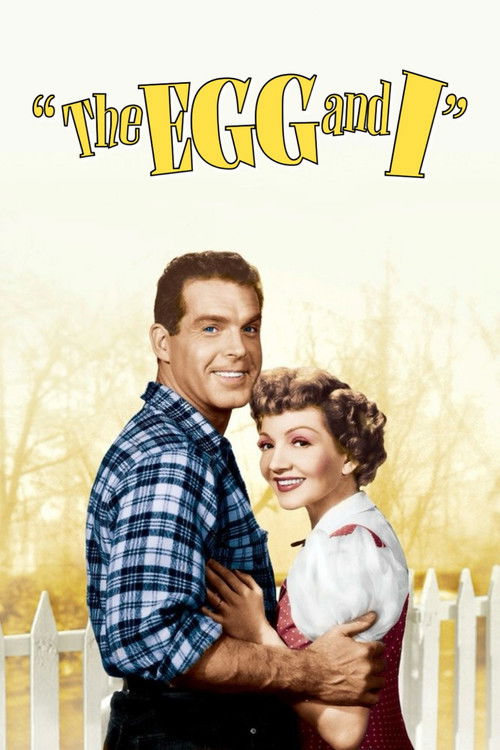
The Egg and I1947
Claudette Colbert and Spencer Tracy in a battle of wills between city and country, ambition and rootedness. The template Bus Stop remixes: woman with plans meets man who wants to keep her, and neither is entirely wrong.
But The resolution opts for compromise rather than victory, which some find satisfying and others find like watching someone negotiate down their own dreams in real time.
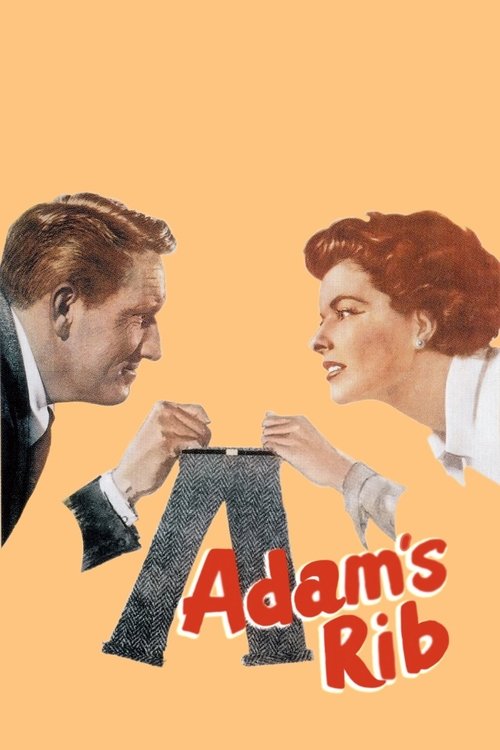
Adam's Rib1949
Tracy and Hepburn as equals jousting over marriage, law, and who gets to decide what matters. Different genre than Bus Stop but same question at its heart: what does it mean to love someone and still be yourself?
But It's a lawyer movie dressed as a comedy, which means plot mechanics sometimes overshadow character. The gender politics, though advanced for 1949, can read as smug about its own progressiveness.
Stalker1979
Both are about the gap between what we convince ourselves we want and what we actually need, and both trust that gap to carry the entire story. Neither offers comfort. Both offer something truer.
Tarkovsky's masterpiece about a man guiding two strangers toward something they think they want. Meditative, visually hypnotic, and concerned entirely with desire—what we want, why we want it, whether having it would destroy us. Sounds nothing like Bus Stop but moves in the same emotional space.
But 163 minutes long, almost entirely dialogue and atmosphere, and the reward is existential vertigo rather than resolution. Not a film that meets you halfway; you have to come to it.

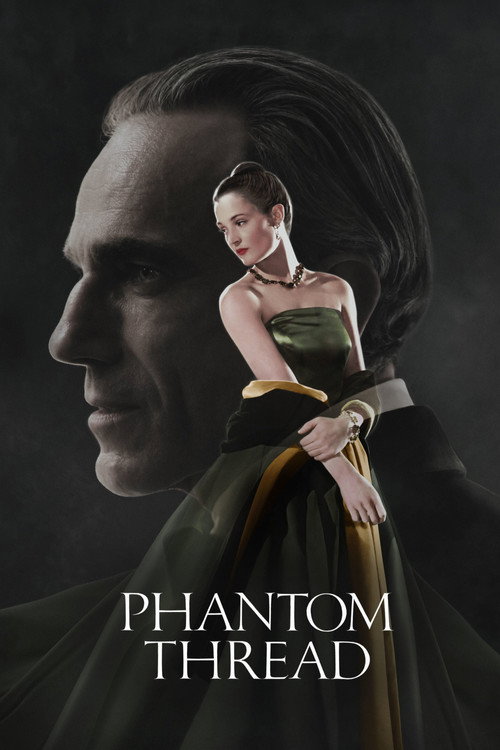
Phantom Thread2017
Both films understand that desire can be a weapon, and that the person being pursued has more power than they initially realize. Bus Stop asks the question tenderly; Phantom Thread asks it like a threat.
A woman enters the orbit of a man who needs to control everything, and instead of escaping, she finds a way to take power back—by understanding exactly what he requires and using it against him. Gorgeous, acidic, about as far from Bus Stop's surface as you can get while staying true to its moral core.
But It's a love story that looks like psychological warfare, and the 'romance' is deeply dysfunctional. Some find that fascinating; others find it exhausting and bleak. Also fashion-adjacent, which can feel superficial until you realize the clothes are the entire point.
People
Cast
 Marilyn MonroeCherie
 Don MurrayBeauregard 'Bo' Decker
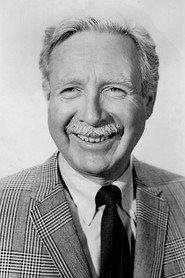 Arthur O'ConnellVirgil Blessing
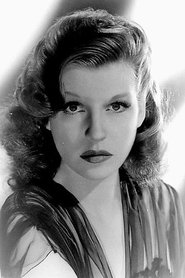 Betty FieldGrace
 Eileen HeckartVera
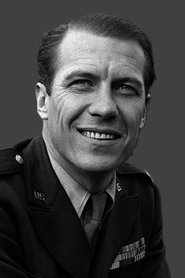 Robert BrayCarl
 Hope LangeElma Duckworth
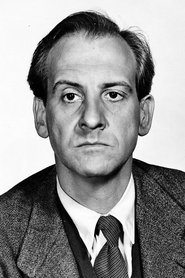 Hans ConriedLife Magazine Photographer
 Max ShowalterLife Magazine Reporter
- Linda BraceEvelyn (uncredited)
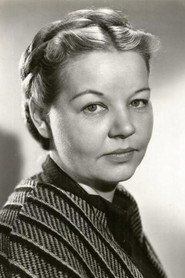 Mary CarrollCashier (uncredited)
- J.M. DunlapOrville (uncredited)
Directing
- Ben KadishAssistant Director
- Joshua LoganDirector
Writing
- George AxelrodScreenplay
- William IngeTheatre Play
Production
- Buddy AdlerProducer
- Marilyn MonroeProducer
- David MayslesProducer's Assistant