
Film
Only Yesterday
Other titles called Only Yesterday: the 1991 film.
A man on the brink of suicide in Depression-era America reads a letter that transports him to WWI, where he met the woman who changed his life. This 1933 film weaves past and present with surprising emotional depth, exploring how love and duty collide across decades. It's for anyone moved by stories about second chances and the roads not taken.
Should you watch it?
Watch it if you enjoy romances told through a wistful, backward-glancing memory, where the charm lies in small reunions and the slow ache of bad timing.
Skip it if the sentimental pitch runs thick, and the period romance moves at an unhurried pace that may feel stagey to anyone who wants modern pacing or sharper edges.
What it asks of you: Settle in for an hour and three quarters that lingers on conversation and glances rather than plot, with a tone that swings from light comedy to melancholy.
Not sure? Find tonight's pick in a minute.
If you liked this
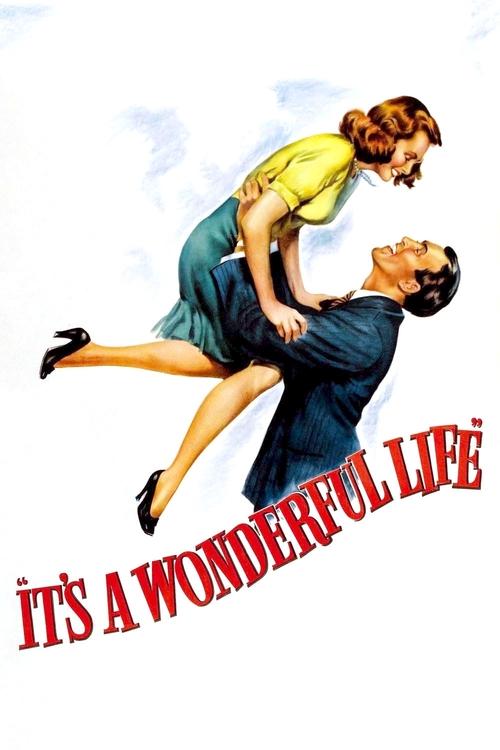
It's a Wonderful Life1946
Like Only Yesterday, it uses a pivotal moment to examine a life's worth through memory and connection. Both ask what one person's existence means to those around them, with genuine warmth rather than sentimentality.
But The ending is so culturally embedded it's hard to watch fresh. It can feel heavy-handed if you're not in the mood for straightforward sincerity.
The Best Years of Our Lives1946
Three veterans return from WWII and struggle to rebuild their lives. Like Only Yesterday, it's patient with male vulnerability and shows how war reshapes love, ambition, and what home means.
But At nearly three and a half hours, it moves slowly by modern standards. Some subplots feel dated now, though the core emotional work holds.

Breakfast at Tiffany's1961
A woman from a man's past resurfaces, forcing both to reckon with who they were versus who they've become. The film luxuriates in bittersweet nostalgia and the ache of roads diverging.
But The supporting Asian character is a cringe artifact of its era. The tonal whiplash between comedy and melancholy won't work for everyone.

Not sure tonight? Get a pick in a minute, starting from Only Yesterday
The wildcard
Something you would not have found on your own.
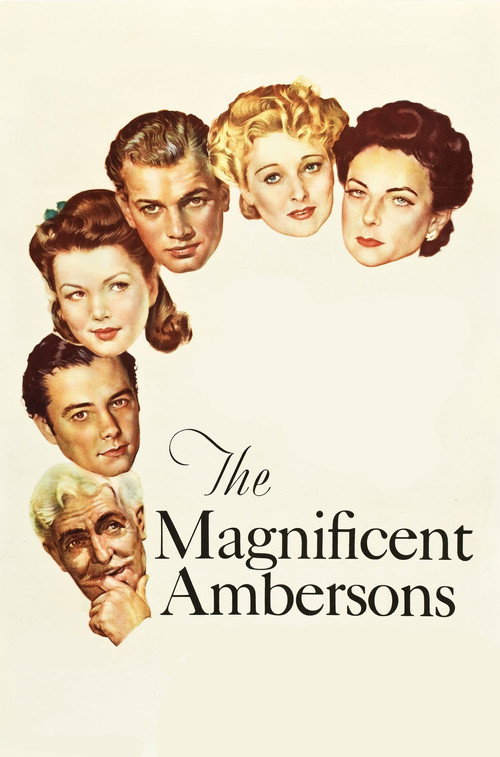
The Magnificent Ambersons1942
Both use structure itself as meaning: the past isn't backdrop but the thing being actively grieved. Each film understands that remembering is an act of love.
A sprawling family saga watches a gilded age collapse. Like Only Yesterday, it's genuinely interested in how the world changes around us, and how people we loved become strangers. Welles shoots the past as memory—soft, incomplete, haunted.
But The studio cut the film down and rewrote the ending. What remains is brilliant but fractured, and some viewers find that frustrating rather than moving.
More like this (8)
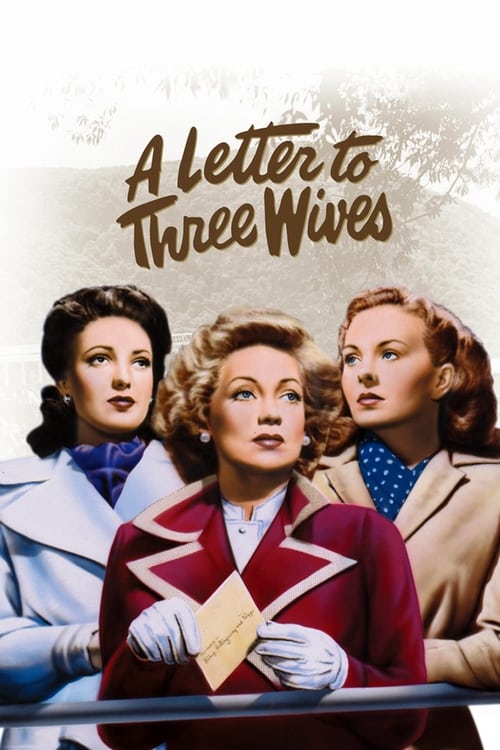
A Letter to Three Wives1949
Three women receive a letter announcing one of them is running off with someone's husband. The film spirals backward into memory and possibility, examining marriage, ambition, and what we owe each other.
But The framing device feels theatrical rather than cinematic. It's more interested in talking about feelings than showing them unfold naturally.
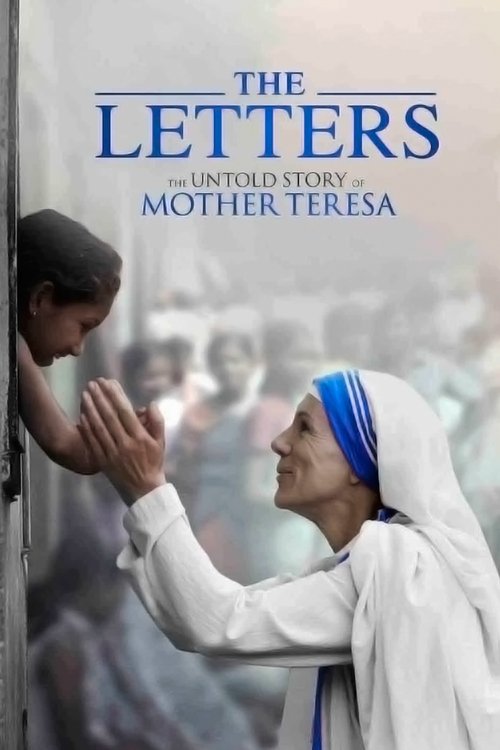
The Letters2014
An elderly woman's letters reveal her passionate affair during WWII. It honors how love persists across decades and how the past quietly shapes everything that comes after.
But The dual timeline structure is predictable. Some performances feel thin, and the wartime scenes don't have the texture of Only Yesterday's WWI sequences.
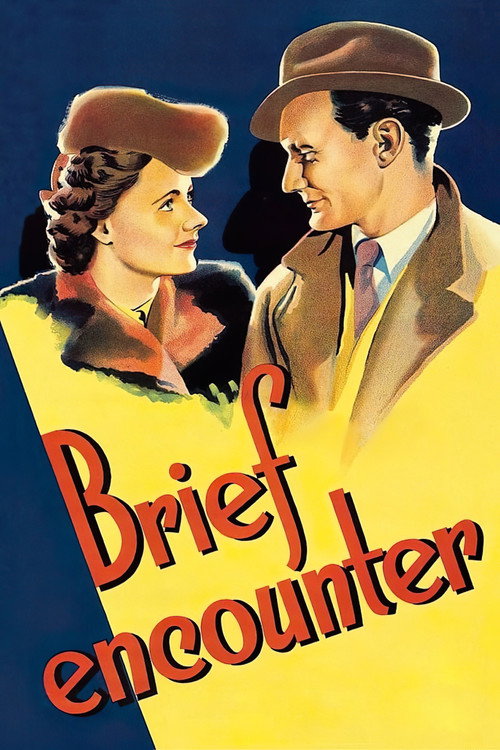
Brief Encounter1945
A married woman and stranger fall in love over chance meetings. It captures the specific ache of Only Yesterday—how a moment can haunt you for years, and how duty wins over desire.
But The stiff upper-lip restraint will feel glacial if you prefer explicit emotion. It's a film about what people don't say, which takes patience.
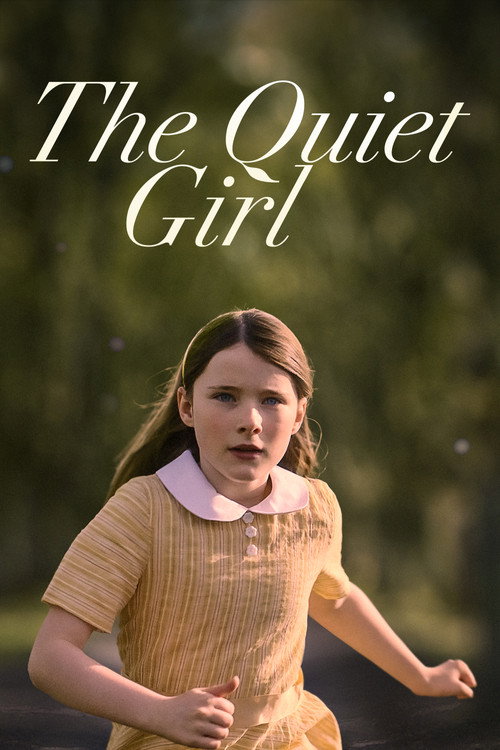
The Quiet Girl2022
A neglected foster child finds safety in a new home, and the film explores how small acts of care can rewire a person. It shares Only Yesterday's faith that connections transform us, with beautiful understatement.
But It's in Irish with subtitles. The pacing is contemplative—almost nothing happens, and that's the whole point.
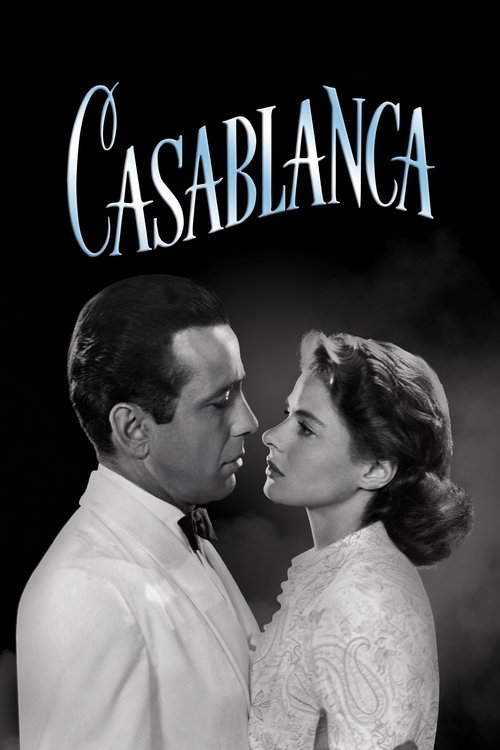
Casablanca1943
Two former lovers reunite during WWII and must choose between love and sacrifice. It's got the same architecture as Only Yesterday: past and present collide, and the choice between happiness and duty defines you.
But The ending is famous enough that surprise is gone. Some dialogue feels stilted, though the emotional core still lands.
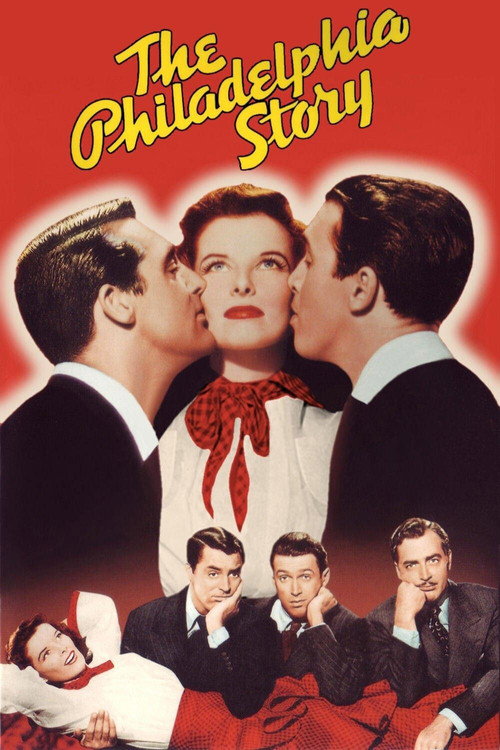
The Philadelphia Story1940
A woman about to remarry confronts her ex-husband and a new suitor; the film asks who we become when we grow up, and whether first love deserves a second chance.
But The screwball tone can overshadow the real hurt underneath. It's most interested in being clever, which sometimes gets in its own way.
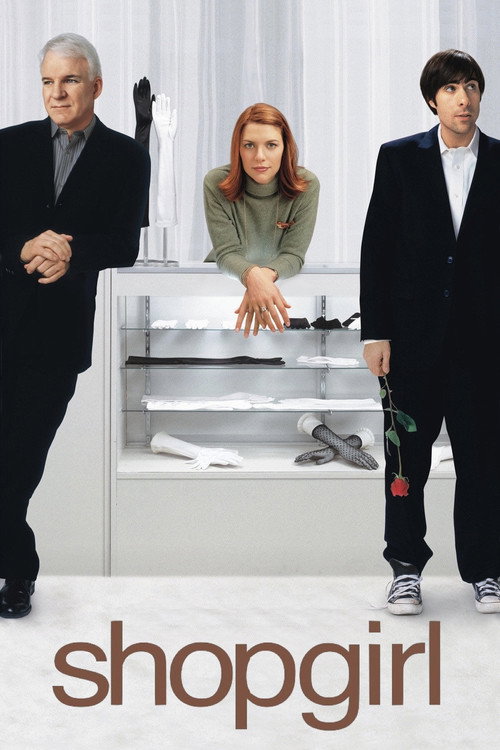
Shopgirl2005
Both films trust that the real drama happens in the interior—the moment of choosing, the long look backward. Neither needs much to happen; the power is in what the characters are thinking.
A young woman in Los Angeles drifts between a wealthy older man and an idealistic musician, unsure which life to choose. It's thoughtful and small—no explosions, just the quiet weight of becoming someone, and wondering if you made the right bets.
But It's almost aggressively low-key. If you need plot momentum or external stakes, you'll find it slow and precious rather than moving.
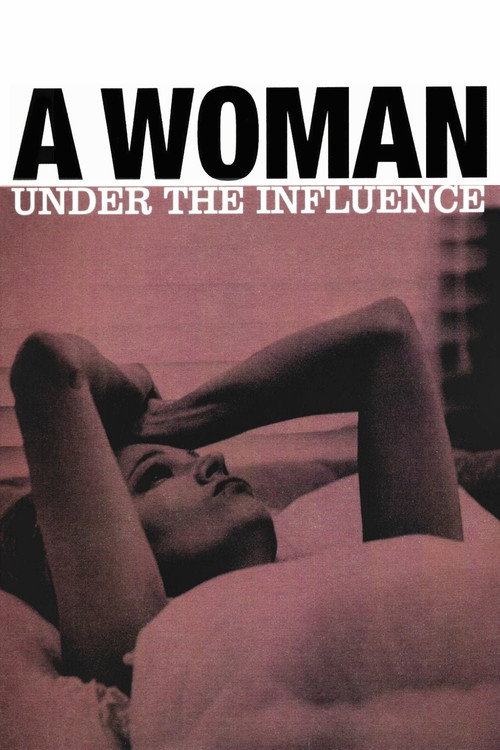
A Woman Under the Influence1974
Only Yesterday asks: what does love cost you across time? A Woman Under the Influence asks: what does it cost you every single day? Both understand that love and suffering are sometimes the same currency.
Gena Rowlands as a wife coming undone under the weight of domesticity and her husband's needs. It's raw, sometimes uncomfortable, and deeply about how love and exhaustion can look identical. Cassavetes films real people in real pain.
But It's improvised and shapeless in places. Some find the emotional intensity draining rather than cathartic. It's not a film that lets you rest.
People
Cast
 Margaret SullavanMary Lane
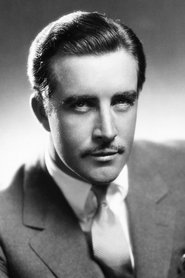 John BolesJames Stanton "Jim" Emerson
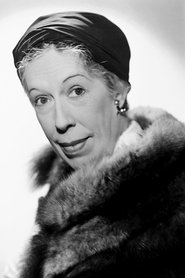 Edna May OliverLeona
 Billie BurkeJulia Warren
 Benita HumePhyllis Emerson
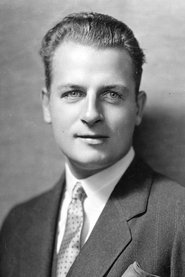
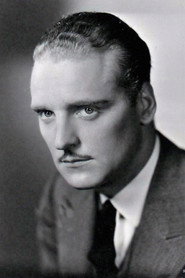 George MeekerDave Reynolds
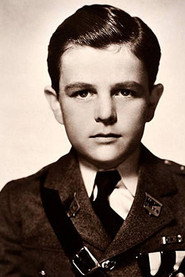 Jimmy ButlerJim Jr.
 Noel FrancisLetitia
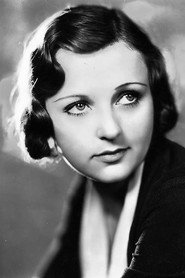 Geneva MitchellPatty
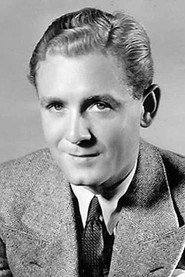 Bramwell FletcherScott Hughes
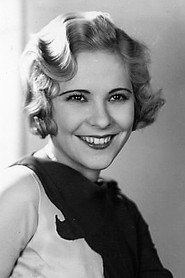 June ClydeDeborah
Directing
- Scott R. BealAssistant Director
- John M. StahlDirector
Writing
- Frederick Lewis AllenNovel
- Arthur RichmanScreenplay
- George O'NeilScreenplay
- William HurlbutScreenplay
Production
- Carl Laemmle Jr.Producer