
Film
Picnic
Picnic is small-town American desire cracked open by one shirtless drifter's arrival on Labor Day. Joshua Logan's Kansas is golden and humming with repression—porch swings, girdles, a spinster's fear of being left behind—until William Holden's Hal turns Kim Novak's local beauty queen and everyone around her inside out. Lush, horny 1950s studio melodrama with real ache underneath, and a finale that lands harder than you expect.
If you liked this
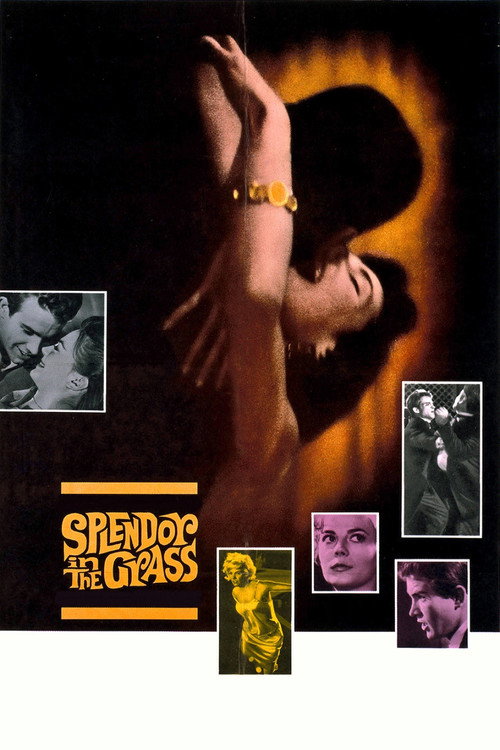
Splendor in the Grass1961
Same playwright, William Inge, writing the flip side of Picnic's story—teenage desire crushed by small-town propriety, with Natalie Wood and Warren Beatty devastating as a couple who can't have what they want.
But It's rawer and sadder than Picnic, with none of that film's warm resolution—this one really does break your heart.
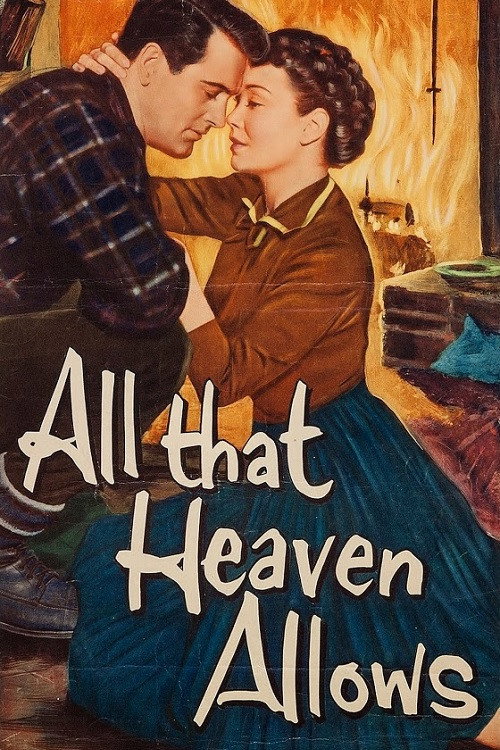
All That Heaven Allows1955
Same year, same Technicolor ache—Douglas Sirk's story of a widow scandalizing her small town by loving a younger gardener is the era's other great study of desire versus respectability, gorgeously overwrought.
But Sirk's irony feels cooler and more knowing than Picnic's sincerity; if you want warmth without a raised eyebrow, this one bites harder.
Bus Stop1956no page yet
Another Inge adaptation, with Marilyn Monroe as a nightclub singer chased across the country by a lovestruck cowboy—funnier and scrappier, but wrestling with the same question of wanting what you're not allowed.
But Monroe's comic performance pulls it toward screwball in places, making it a lighter, messier ride than Picnic's slow-burn ache.
The wildcard
Something you would not have found on your own.
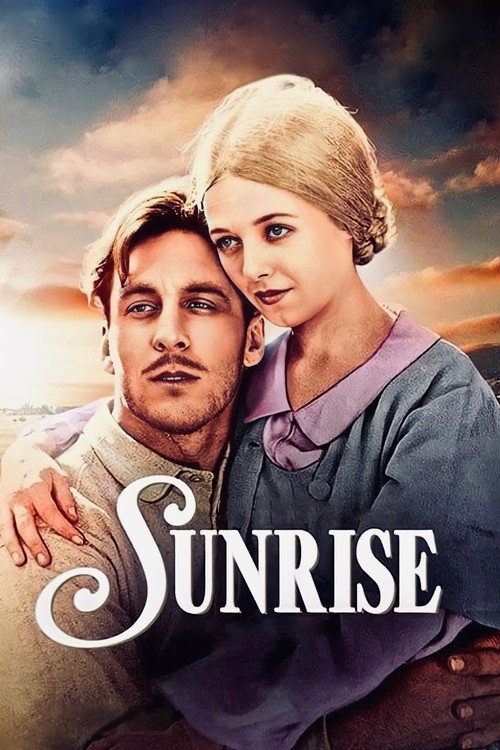
Sunrise: A Song of Two Humans1927
Picnic's whole engine—an outsider's arrival cracking open a settled community's desire and guilt—is here in its rawest, earliest form, before sound or Kansas sunshine softened it.
A silent masterpiece about a farmer torn between his wife and a seductive outsider—Murnau's camera makes desire and guilt feel physical decades before Picnic put it in Technicolor.
But No dialogue, no colour, a very different rhythm—if silent film isn't your thing, the adjustment period is real.
More like this (8)
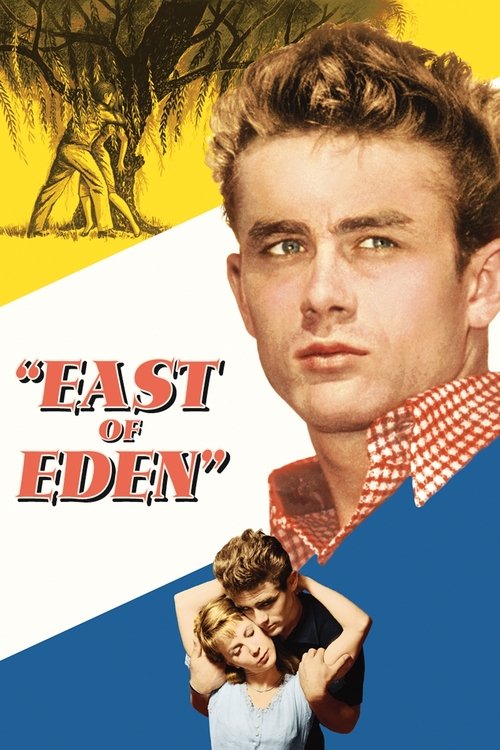
East of Eden1955
Released the same year as Picnic, with the same hunger for a bigger life smothered by a small one—Kazan's Salinas Valley is Kansas with a father-son wound at its center, and James Dean is combustible.
But It's angrier and more Freudian, family trauma instead of small-town romance—less picnic, more reckoning.
The Long, Hot Summer1958no page yet
A charismatic drifter walks into a sleepy Mississippi town and rearranges everyone's desires and allegiances—basically Hal's blueprint, played by a young, magnetic Paul Newman.
But It trades Picnic's melancholy for Faulkner-inflected Southern heat and a much twistier, more plot-heavy family drama.
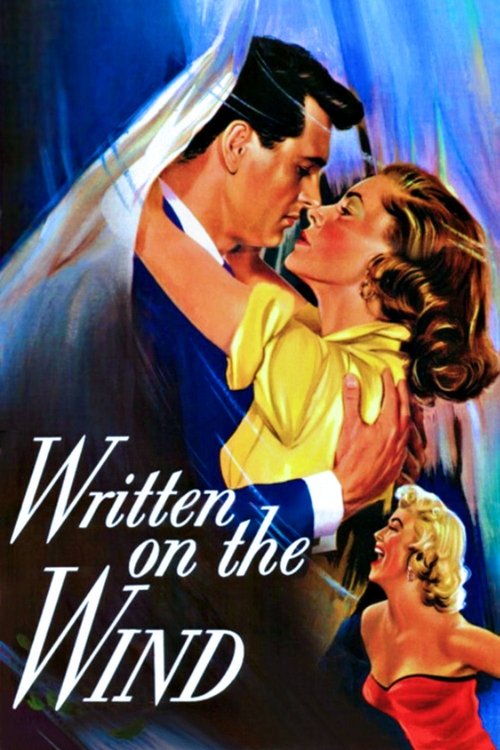
Written on the Wind1956
Sirk again, turning small-town repression into full-blown Texas oil-money delirium—lust, jealousy, and ruin rendered in eye-popping colour, a fun companion to Picnic's quieter ache.
But It's soapier and more melodramatic by design; if Picnic's restraint is what you loved, this one goes for broke instead.
Some Came Running1958no page yet
Frank Sinatra comes home to a small Indiana town he never fit into, and the community's judgment and desire tangle around him much as they do around Hal.
But It's baggier and more novelistic, with subplots Picnic never bothers with, and a bleaker view of homecoming.
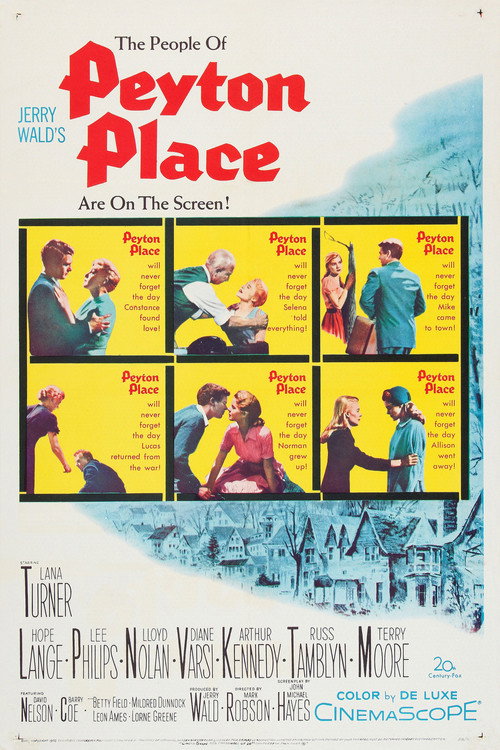
Peyton Place1957
The secrets and hungers under a postcard-pretty New England town, exposed one scandal at a time—same 1950s appetite for what respectability is hiding underneath.
But It's more soap opera than character study, spreading its attention across a whole town rather than one aching afternoon.
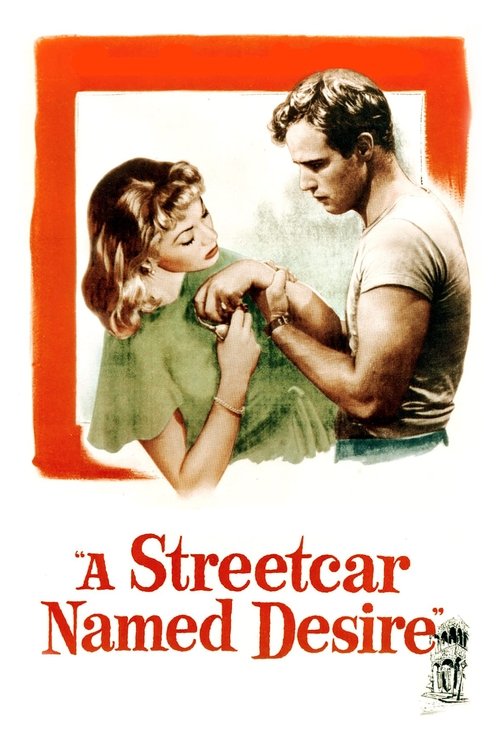
A Streetcar Named Desire1951
An earlier, sharper study of desire, class, and a woman undone by a man who unsettles everything around her—Kazan's film is Picnic's rougher, more dangerous cousin.
But It's a stage-bound, claustrophobic tragedy next to Picnic's sun-drenched sprawl—no fireworks, no dancing, real cruelty instead.
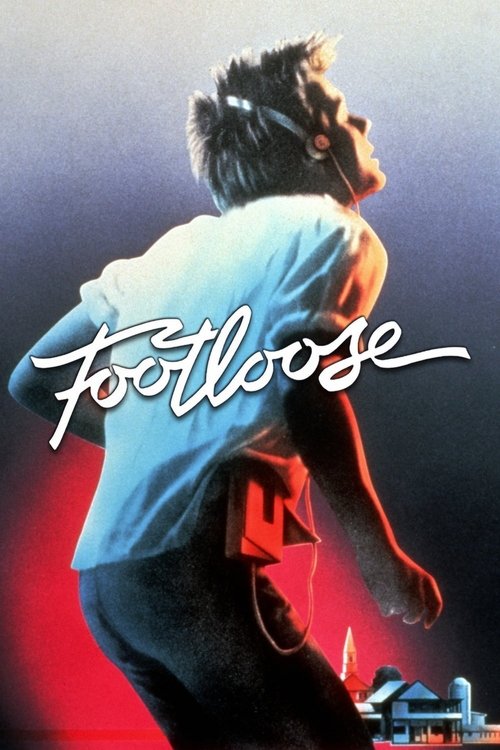
Footloose1984
Both hinge on a charismatic outsider loosening a town's grip on its own young people—Picnic plays it as tragedy where Footloose plays it as a party.
A stranger rolls into a buttoned-up town and gets everyone dancing, literally—same shape as Picnic's Labor Day, but played as pure teenage joy instead of aching melodrama.
But It's broad, cheesy '80s crowd-pleaser territory with none of Picnic's sadness or nuance—pure feel-good, not a character study.
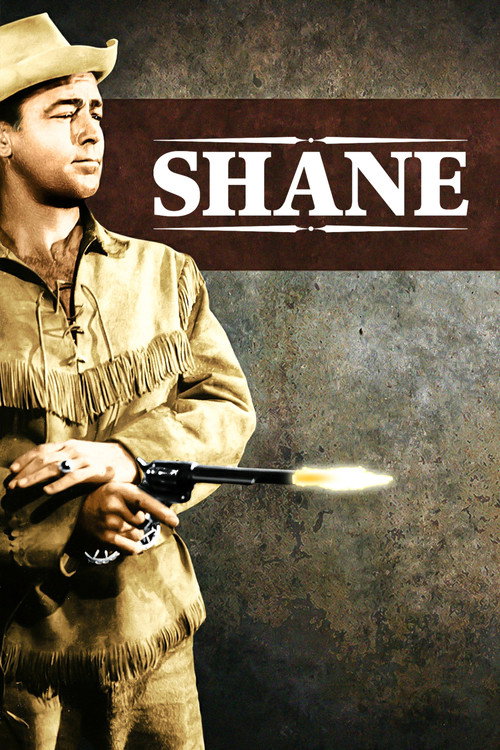
Shane1953
Same structural bones—the unattached man who can't stay, the woman drawn to what he represents, the town's fear of what he unsettles—just wearing a holster instead of a shirt in the sun.
A mysterious drifter arrives in a settled community, awakens longing he can't act on, and leaves everyone changed—the Western version of exactly what Hal does to that Kansas town.
But It's a gunfighter myth, not a romance—if you want Picnic's heat and heartbreak, Shane trades that for stoicism and violence.
People
Cast
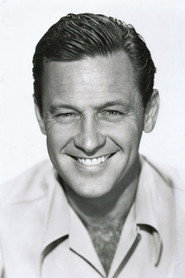 William HoldenHal Carter
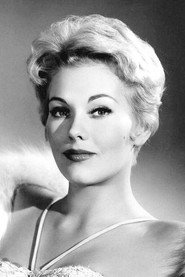 Kim NovakMadge Owens
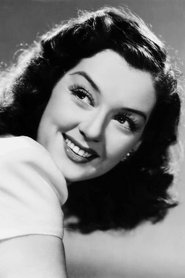 Rosalind RussellRosemary - The School Teacher
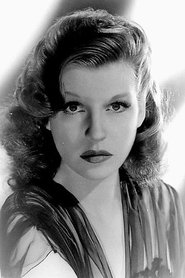 Betty FieldFlo Owens
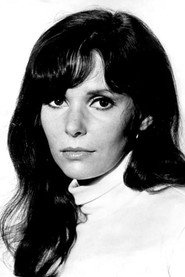 Susan StrasbergMillie Owens
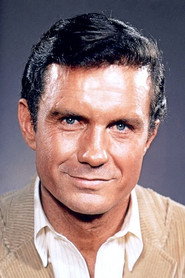 Cliff RobertsonAlan Benson
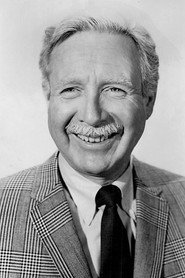 Arthur O'ConnellHoward Bevans
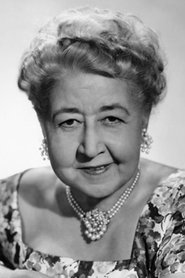 Verna FeltonHelen Potts
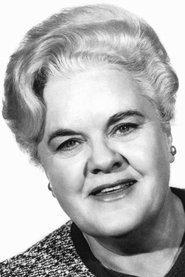 Reta ShawIrma Henderson
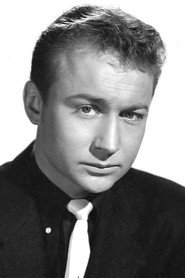 Nick Adams'Bomber'
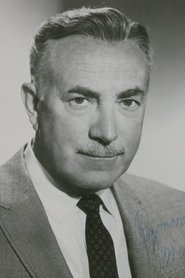 Raymond BaileyMr. Benson
 Elizabeth WilsonChristine Schoenwalder
Directing
- Carter DeHaven Jr.Assistant Director
- Joshua LoganDirector
Writing
- Daniel TaradashScreenplay
- William IngeTheatre Play
Production
- Fred KohlmarProducer