
Film
Workers Leaving the Lumière Factory
- Light-hearted
The Lumière brothers' 1895 film of factory workers exiting at day's end is cinema's first documentary moment. Forty-six seconds of pure observation: people in hats and long coats, a horse-drawn carriage, the texture of 19th-century life captured raw and unmediated. It's the birth of the medium pretending to be nothing but itself.
If you liked this
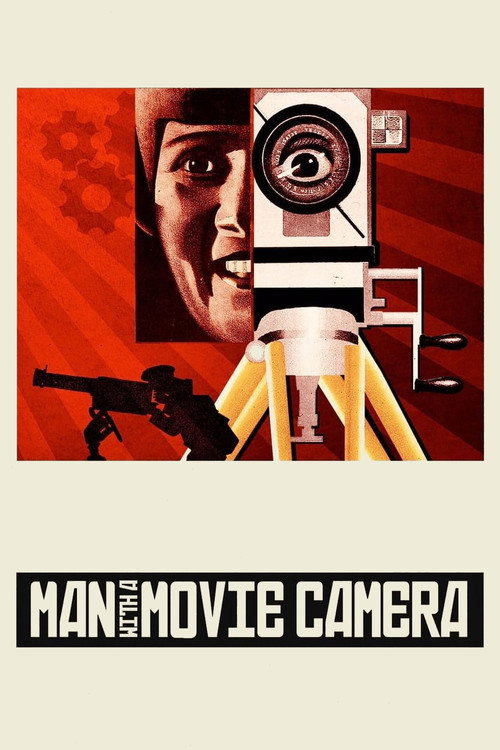
Man with a Movie Camera1929
Dziga Vertov's avant-garde symphony of Soviet daily life uses montage to sculpt meaning from ordinary moments. Trains, factories, crowds—cinema itself becoming the subject, just as the Lumières knew it could be.
But It's silent, experimental, and demands active viewing. No narrative to lean on, just rhythm and visual poetry.
Nanook of the North1922
Flaherty's ethnographic film of Inuit life is documentary's first masterpiece—patient, observational, finding drama in survival without manipulation. It asks what 'truth' means on camera, a question the Lumières posed first.
But The ethics are dated and colonial; you're watching a constructed 'reality' sold as pure documentation, which will bother you.

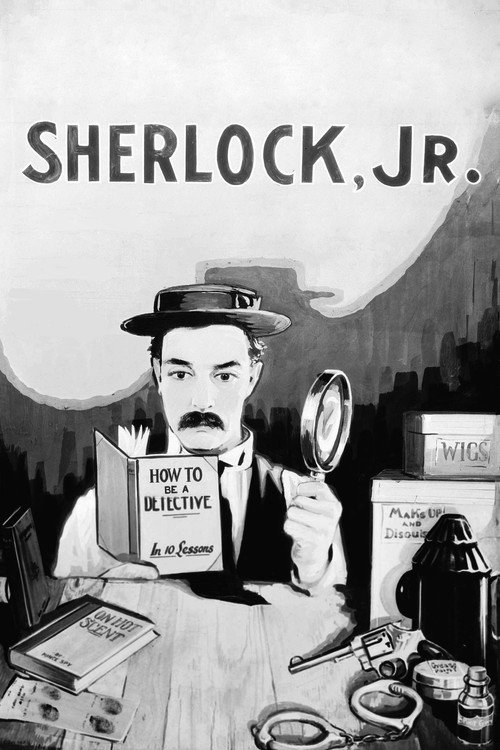
Sherlock Jr.1924
Buster Keaton's meta-comedy about a projectionist dreaming himself into movies is about cinema's power to transform reality—the inverse of the Lumières' project, but equally obsessed with what the camera reveals.
But Silent comedy, so you need to feel comfortable with physical gags and intertitles as the only language.
Not sure tonight? Get a pick in a minute, starting from Workers Leaving the Lumière Factory
The wildcard
Something you would not have found on your own.
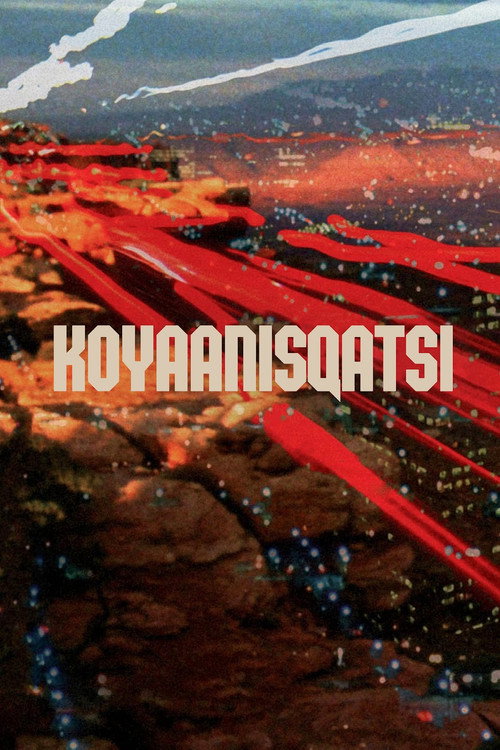
Koyaanisqatsi1983
Both films trust absolute observation without mediation. The Lumières recorded what they saw; Fricke records what we've stopped seeing by moving too fast.
Ron Fricke's film is 87 minutes of time-lapse and slow-motion photography with no dialogue, no narrative. It takes the Lumières' central insight—that the camera observes life—and expands it to show how modern civilization has reshaped human time itself.
But No words, no story, hypnotic rather than gripping. It's more like watching the world breathe than following a plot; the Philip Glass score will either transport or exhaust you.
More like this (8)
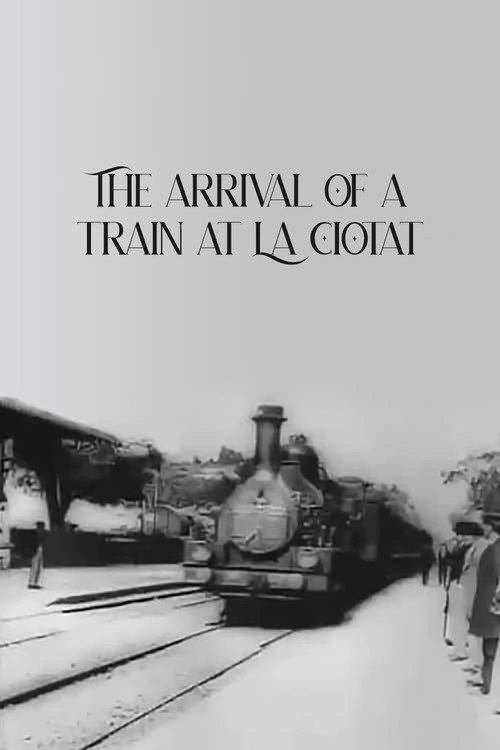
The Arrival of a Train at La Ciotat1896
Another Lumière film, this one capturing a train arriving at a platform. It's the companion piece: the same observational purity, the same revelation that a camera simply pointing at life could be mesmerizing.
But It's sixty seconds. Some viewers find early cinema too fragmentary to sustain attention, even for that long.
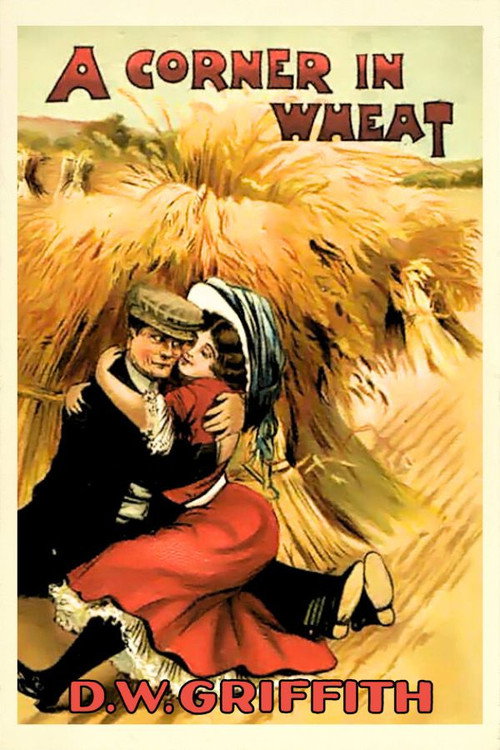
A Corner in Wheat1909
D.W. Griffith cuts between wheat traders and starving farmers, inventing cross-cutting as social commentary. He takes the Lumières' humble observational style and weaponizes it with meaning and montage.
But The melodrama of early cinema can feel overwrought; the social criticism doesn't land subtly.
Sunrise: A Song of Two Humans1927
F.W. Murnau transforms the quotidian—a man walking through a city—into psychological landscape. Pure cinema language, built from observation, the way the Lumières proved it could be done.
But It's silent and deeply expressionist; the emotional weight can feel heavy if you're not in the mood.

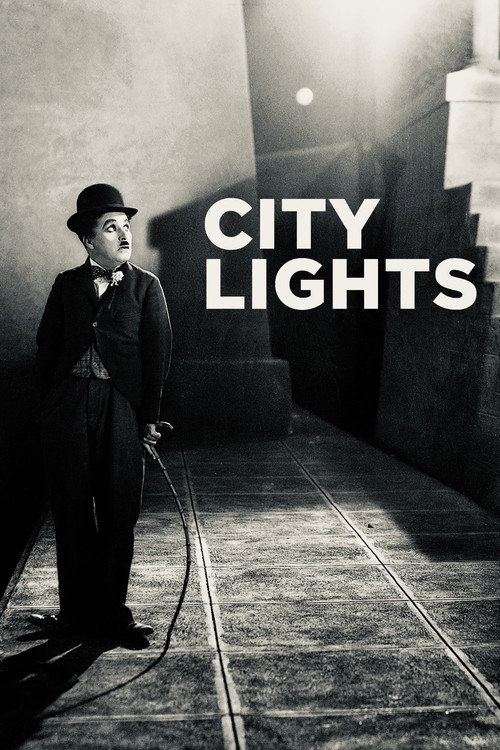
City Lights1931
Chaplin's silent comedy finds pathos in street life and human connection. He takes the Lumières' documentary eye and channels it through a character who sees the world with wonder and broken tenderness.
But At 87 minutes, it's long for a silent film, and the romance may feel saccharine to modern viewers.
The Phantom Carriage1921
Arne Borgh's supernatural masterpiece uses the language of early cinema—the Lumières' direct recording—but floods it with ghosts and existential dread. Documentation of the unseen.
But Swedish silent cinema; the plot takes a while to solidify, and the emotional register is bleak.

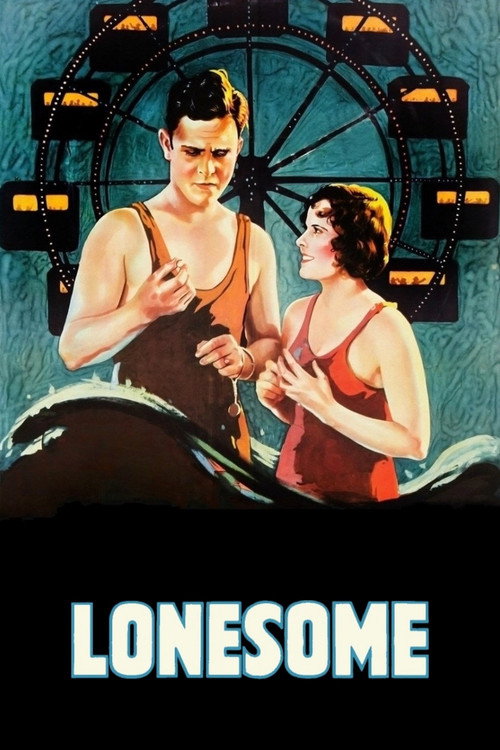
Lonesome1928
Paul Fejos captures a couple's day in New York through montage and movement, finding cinema poetry in the mundane. It channels the Lumières through the visual strategies of the late silent era.
But It's obscure and experimental; few viewers today know it, and it requires patience with silent cinema's grammar.
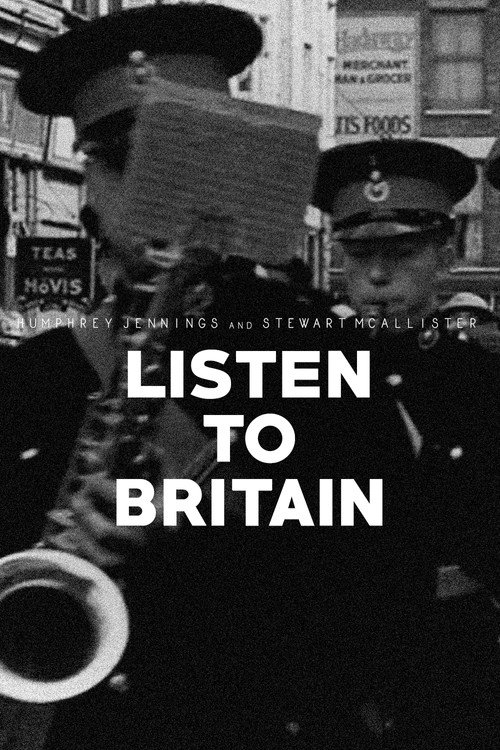
Listen to Britain1942
Both films believe that observation itself is the meaning. The Lumières recorded a gate; Jennings records a country, same principle: the camera as witness, not judge.
Humphrey Jennings' wartime documentary uses sound and image to capture the rhythms of British life under bombardment. No narration, no editorial comment—just the texture of survival. It's the Lumières' method applied to a nation.
But It's structurally loose, poetic rather than narrative. Patience required, and the subject matter is melancholic and austere.
Tokyo Story1953
Ozu inherited the Lumières' belief that the world itself, observed without fuss, contains all the meaning cinema needs. Both filmmakers let duration do the work.
Ozu's masterpiece is shot almost entirely in static, wide frames—the camera never moves, never cuts unless the scene demands it. It's visual patience as a moral choice, the Lumières' observational stillness married to narrative and profound emotional depth.
But The pacing is glacial by modern standards. If you need momentum or dramatic incident, this will feel like sitting in a room watching people breathe.

People
Directing
- Louis LumièreDirector
Production
- Auguste LumièreProducer
- Louis LumièreProducer