
Film
The Arrival of a Train at La Ciotat
- Light-hearted
The Lumière brothers' 50-second record of a train arriving at a platform in 1896. Nothing happens—that's the point. It's a pure document of cinema's first miracle: the camera's ability to capture motion and presence. For anyone curious about where movies began, or why early audiences found a mundane scene hypnotic.
Should you watch it?
Watch it if you are curious about where movies began and enjoy seeing a single unadorned image feel startling, because nobody had yet learned how to tell stories with cameras.
Skip it if you need plot, characters or any sense of a story arc, since this is one static shot with nothing to follow beyond what happens within it.
What it asks of you: Barely a minute of your attention is required, held on a single fixed frame where the only movement is whatever drifts in from the edge.
Not sure? Find tonight's pick in a minute.
If you liked this
Man with a Movie Camera1929
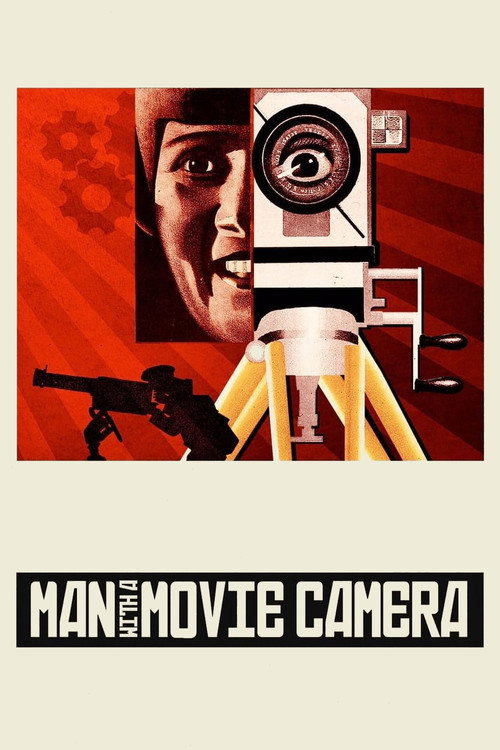
Dziga Vertov's symphony of Soviet city life: trains, factories, crowds, light. Uses the camera as Lumière did—as a witness to the actual world—but at feature length and with virtuosic editing. Hypnotic.
But Silent, structurally experimental, and utterly serious about technique. Zero plot. The pacing asks patience modern viewers often resist.
Wavelength1967
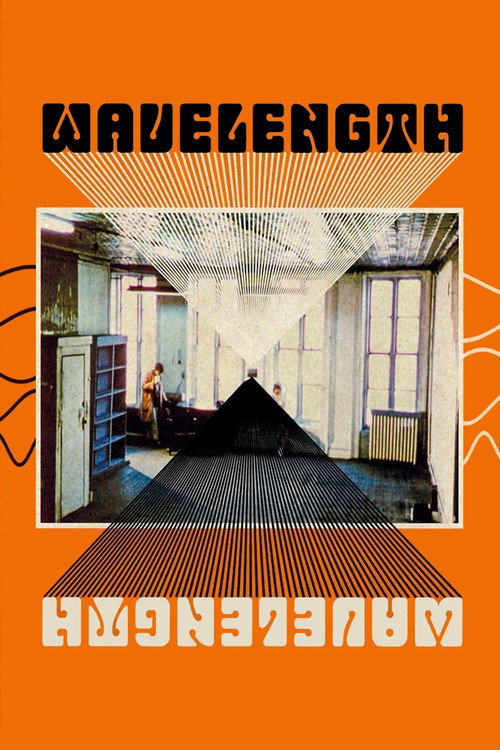
Michael Snow's 45-minute zoom across a loft while time collapses. Like Lumière, it trusts the camera and duration over spectacle. Asks the same question: what is cinema? Radical and beautiful.
But An experimental film in the densest sense. Minimal, hypnotic, sometimes maddening. Not for those seeking conventional experience.
Sans Soleil1983
Chris Marker's meditation on memory, travel and cinema itself. Builds from documentary moments—streets, trains, ordinary people—into something philosophical. Acknowledges Lumière's pioneering eye while complicating it.
But Associative rather than narrative. The essay-film format bewilders viewers expecting plot. Requires active attention and re-watching.

Not sure tonight? Get a pick in a minute, starting from The Arrival of a Train at La Ciotat
The wildcard
Something you would not have found on your own.
Nostalgia for the Light2010
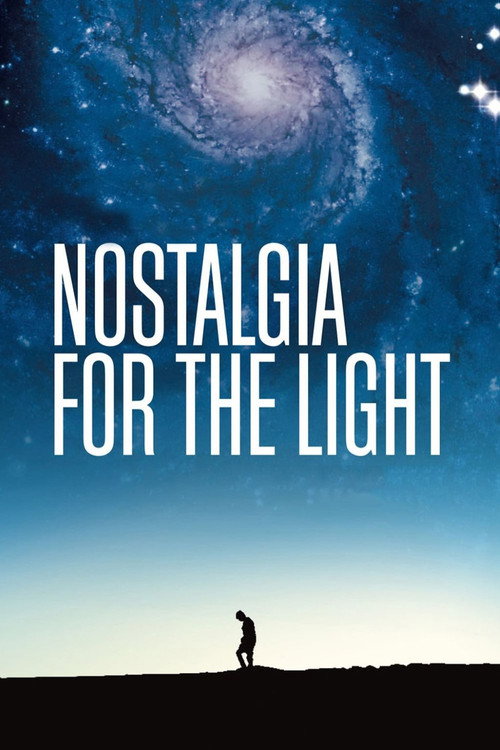
Both use the camera's documentary function—its simple presence—to ask moral questions about what we're allowed to see and who we're seeing it for.
Patricio Guzmán's documentary interweaves observational footage of the Atacama desert with testimony about Chile's disappeared. Uses duration and light the way Lumière did, but asks what it means to witness suffering through a lens.
But A film about atrocity that refuses easy catharsis. Demanding and very sad. Not therapeutic.
More like this (4)
Powaqqatsi1988
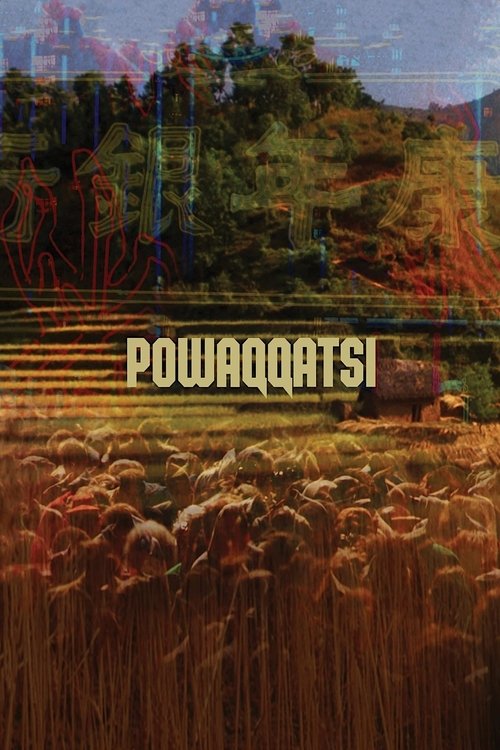
Godfrey Reggio's visual poem of human labour across continents, shot on film stock that glows. Uses duration and real-world movement the way Lumière did, but amplified through colour and Phillip Glass score.
But No dialogue, no story structure, purely impressionistic. The repetitive score hypnotizes some viewers and exhausts others.
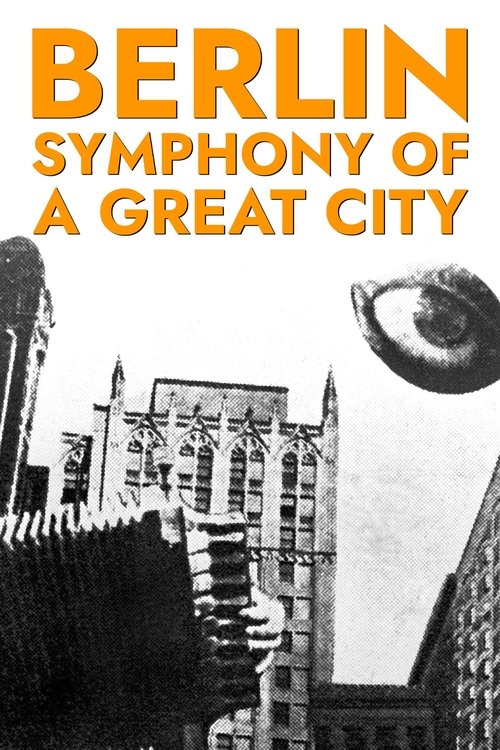
Berlin: Symphony of a Great City1927
Walter Ruttmann's portrait of 1920s Berlin through montage of city life: commuters, trains, streets, crowds. Inherits Lumière's documentary impulse but orchestrates it into something symphonic and modern.
But Silent, plotless, its Berlin now remote and unfamiliar. Some passages feel dated rather than timeless.
Sunrise: A Song of Two Humans1927
F.W. Murnau's masterpiece uses film to capture movement and light with extraordinary fluency. The visual storytelling proves how far cinema had run from Lumière in just three decades.
But Melodramatic in the silent style. The sentimentality distances modern viewers; you have to meet it on its terms.

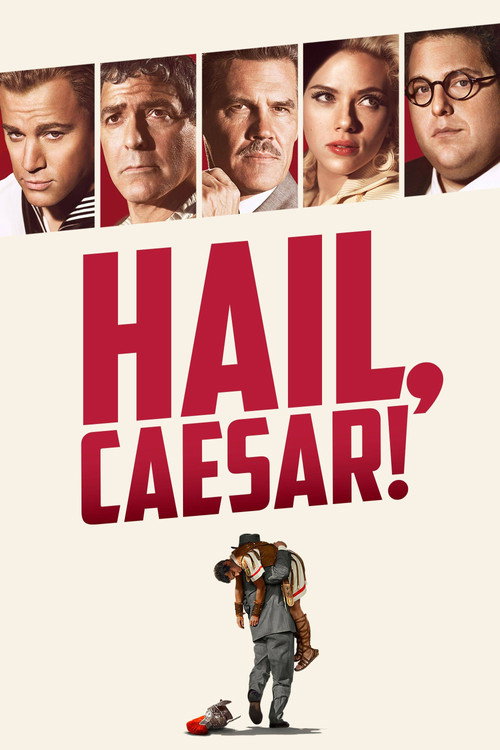
Hail, Caesar!2016
Both are fascinated by the technical magic of capturing bodies and movement on film—Lumière the pioneer, the Coens the inheritors playing with the language he invented.
The Coen Brothers' elaborate comedy about a 1950s studio fixer handling a kidnapped star. One scene restages a 1920s swimming ballet with Esther Williams synchronization precision—a direct visual homage to Lumière's capture of motion and bodies in space.
But A contemporary American farce. Nothing like Lumière in tone or urgency. The connection is oblique and fun rather than profound.
People
Cast
- Marcel KoehlerSelf
- Rose LumièreSelf
- Suzanne LumièreSelf
Directing
- Auguste LumièreDirector
- Louis LumièreDirector
Production
- Auguste LumièreProducer
- Louis LumièreProducer
Recommended by
Enemy Mine, Life According to Sam, Hachi: A Dog's Tale, Rain, Under Two Flags, The Great Magician, Our Gang, Carry On Cleo, Workers Leaving the Lumière Factory, Summer Holiday, Quest for Love, Blacksmith Scene, Bleeding Steel, Tabu, Time Out