
Film
Rain
- Slow-burning
A silent 16-minute film capturing Amsterdam transformed by rainfall. Joris Ivens films wet streets, reflections, and urban life with painterly precision, treating water and light as subjects themselves. It's meditative rather than narrative—a visual poem about a single weather event. For anyone who watches clouds or puddles.
Should you watch it?
Watch it if you love city-symphony films where the editing does the talking, and you want to watch a grey street come alive frame by frame without a single word of dialogue.
Skip it if you need characters to follow or a story to hold onto, since this silent study of weather and streets can feel thin after a few minutes.
What it asks of you: Sixteen minutes of quiet looking, with no dialogue to lean on, so it asks you to let the rhythm carry you rather than wait for things to be explained.
Not sure? Find tonight's pick in a minute.
If you liked this
Man with a Movie Camera1929
Vertov's kinetic masterpiece captures a day in Soviet life through radical montage and visual invention. Like Rain, it finds extraordinary cinema in the everyday, treating the city as protagonist.
But Silent experimental documentary from a century ago. It's visually dense and demands active viewing—there's no plot to carry you.

Night and Fog1956
Resnais's 32-minute essay on Auschwitz uses precise cinematography and montage to make absence visible. It shares Rain's ability to make form itself convey meaning rather than just document.
But Unbearably heavy subject matter. The film respects that weight, which means watching it costs something.

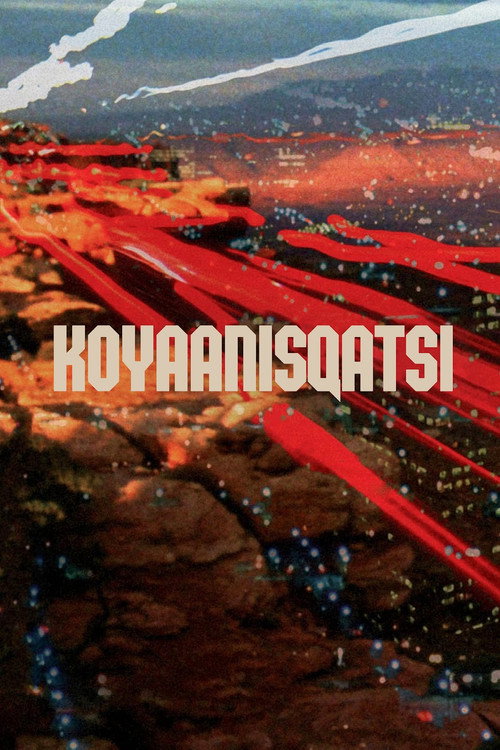
Koyaanisqatsi1983
Reggio's visual essay on modern life uses time-lapse and montage to make the familiar uncanny. Like Rain, it argues that cinema can make us truly see the world we move through daily.
But No dialogue, no narrative structure. Some find it pretentious; others find it demands patience they don't have.
Not sure tonight? Get a pick in a minute, starting from Rain
The wildcard
Something you would not have found on your own.
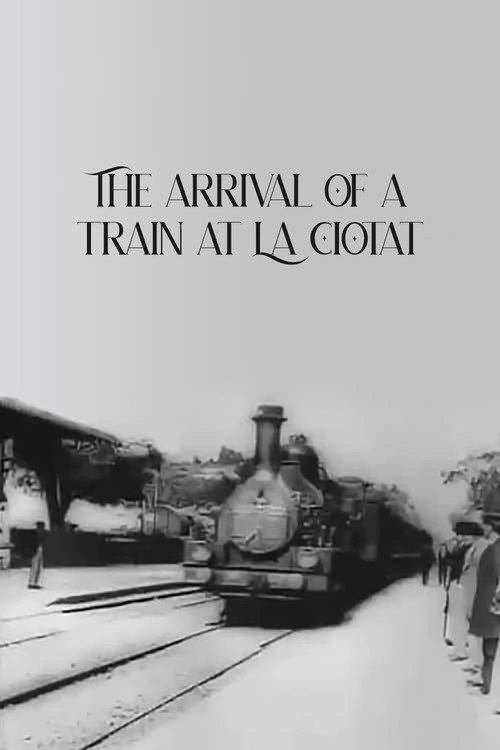
The Arrival of a Train at La Ciotat1896
Both are pure cinema: a camera trained on reality with no agenda but to let us truly see. The Lumière film proved it was enough; Rain proves it still is.
The Lumière brothers' 50-second film was cinema's founding act: a camera simply watching the world, unmediated. Rain is what that innocent gesture becomes when mastered—the opposite of primitive, but descended from the same principle.
But It's incredibly short, and its historical importance can feel academic rather than moving. Some experience it as nothing.
More like this (4)
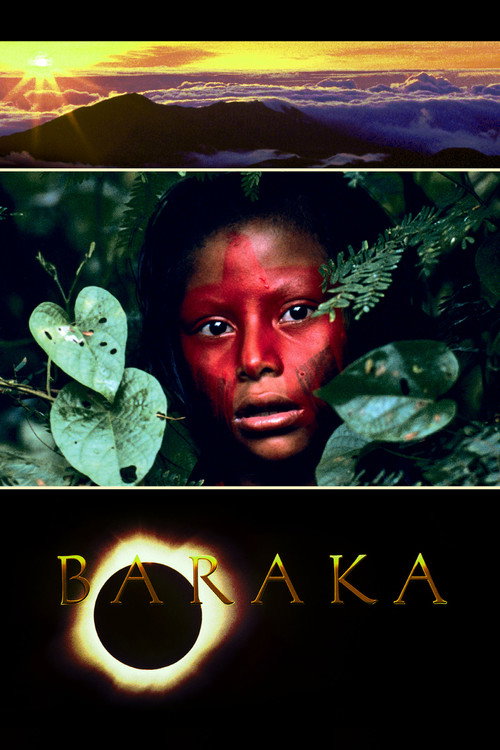
Baraka1992
Filmed across 150 locations, it's a visual anthology of human and natural phenomena. Shares Rain's deep attention to landscape, water, light, and the planet itself as subject.
But At 96 minutes, it can feel overwhelming and unfocused. The 'beautiful footage set to music' approach wears on some viewers.
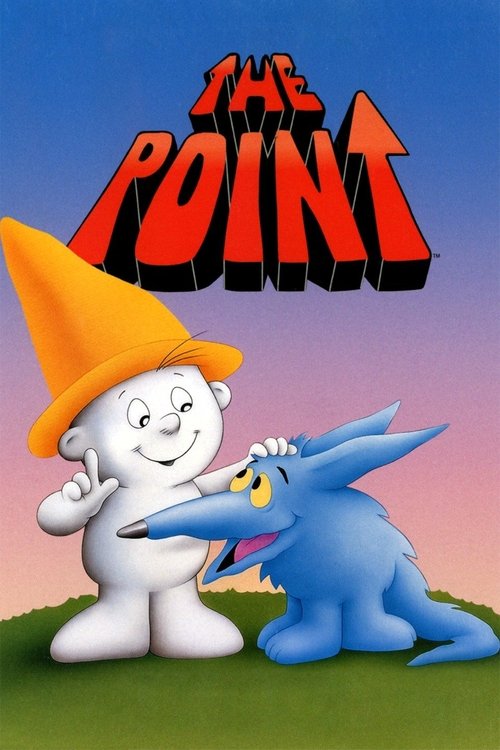
The Point1971
Animated parable about individuality in a pointless world. It has Rain's lyrical, almost musically-structured approach to storytelling, though in color and with voice.
But The didactic message about conformity is obvious. Some viewers find animated parables for adults unbearably slight.
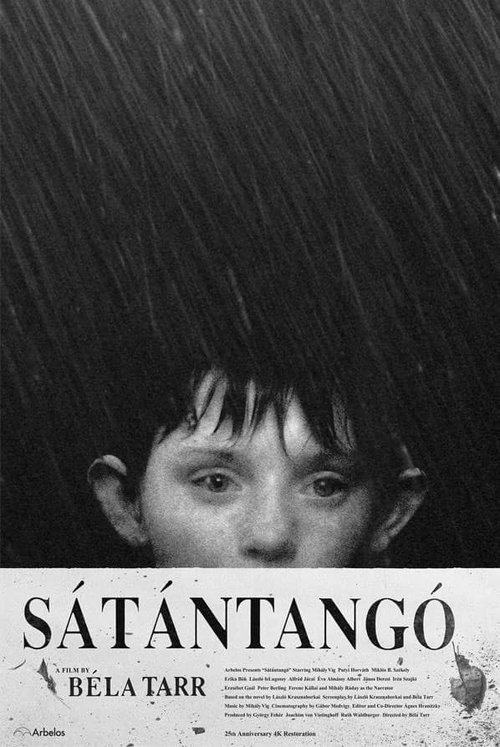
Satantango1994
Both films argue that slowness and attention to the quotidian—weather, surfaces, time—can be profound. Where Rain is 16 minutes of perfect form, Satantango is form extended into another dimension.
Béla Tarr's 7.5-hour Hungarian film has the same hypnotic quality as Rain—hours spent in a place, watching light and rain transform it, trusting that attention itself becomes beauty. It's patient cinema.
But Seven and a half hours of mostly monochrome landscape and human stillness. This is not entertainment; it's closer to meditation or endurance.
Stalker1979
Both treat the cinematic image itself—how light falls, how water catches light, how time accumulates in a space—as the real subject. Metaphor lives in the frame, not in dialogue or plot.
Tarkovsky follows three men through a mysterious zone with obsessive, painterly cinematography. Like Rain, it privileges vision over narrative: we watch light, water, and landscape until they become philosophical. Neither film rushes.
But At 160 minutes, it moves at its own pace, which some experience as glacial and others as transcendent. The metaphysics aren't explained—they're embedded in the image.

People
Directing
- Joris IvensDirector
- Mannus FrankenDirector
Writing
- Joris IvensWriter
- Mannus FrankenWriter
Production
- Mannus FrankenProducer