
Film
Land Without Bread
- Very dark
- Slow-burning
Buñuel's radical 1933 documentary stages scenes of crushing rural poverty in Spanish mountain villages—showing children malnourished, goitre endemic, life stripped to survival. It's unsettling by design: the narrator's detached voice and Buñuel's formal choices make misery strange rather than sentimental. For those ready to see cinema weaponized against comfortable distance.
Should you watch it?
Watch it if you like documentary that openly bends the truth to make a point, where a calm, matter-of-fact voice laid over harrowing images does the sting, and you enjoy seeing how cutting a film can be.
Skip it if you want a reliable window onto the past or people given context and voices of their own, since this keeps its distance and rarely lets anyone speak.
What it asks of you: Half an hour, and it doesn't rush; the images sit with you, and the flat narration makes the cruelty land harder, so expect to be unsettled rather than entertained.
Not sure? Find tonight's pick in a minute.
If you liked this
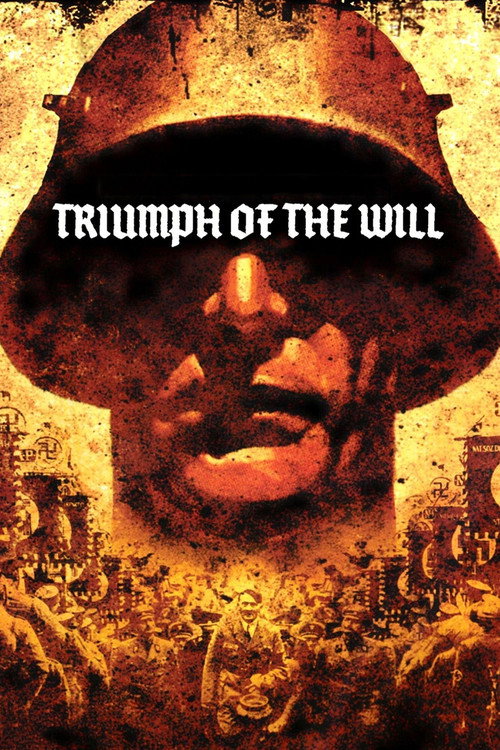
Triumph of the Will1935
Leni Riefenstahl's Nazi propaganda is visually masterful and historically essential, showing how cinema can seduce. A necessary counterpoint to understanding propaganda's power and cinema's capacity for moral corruption.
But It is Nazi propaganda, made to glorify the regime. Watching it requires a stomach for beauty in service of evil, and patience with formal technique that can feel glacial.
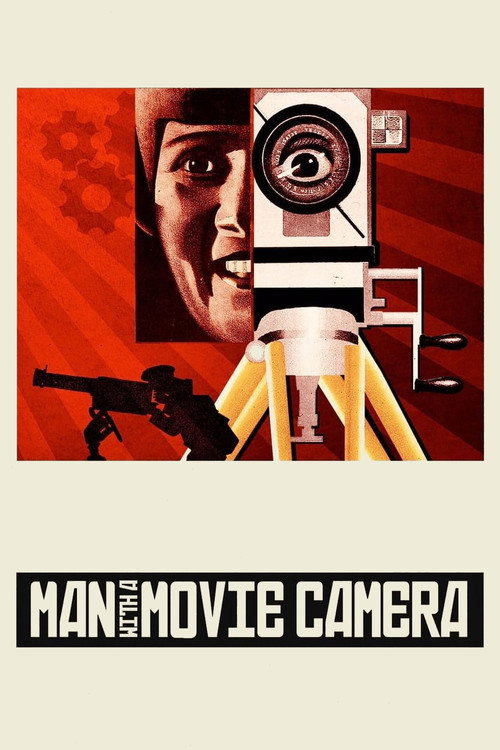
Man with a Movie Camera1929
Dziga Vertov's Soviet montage-poem captures city life through pure cinema—no plot, no actors, just the rhythm of urban existence cut together with revolutionary energy. Formally dazzling and genuinely moving.
But There's no narrative to follow and the pace is relentless. If you need a story to hold onto, this will feel like watching someone else's experimental footage.
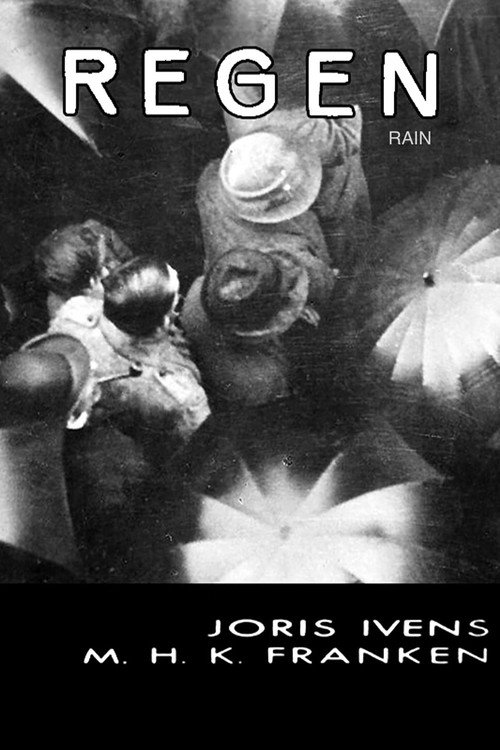
Rain1929
Joris Ivens films rain on Amsterdam for twelve minutes and makes it hypnotic. Pure observation, pure form. Shows what documentary can be when it abandons explanation and just looks.
But Nothing happens. It is literally rain, shot from every angle, for a quarter hour. If you need incident or meaning spelled out, this will feel pointless.
Not sure tonight? Get a pick in a minute, starting from Land Without Bread
The wildcard
Something you would not have found on your own.
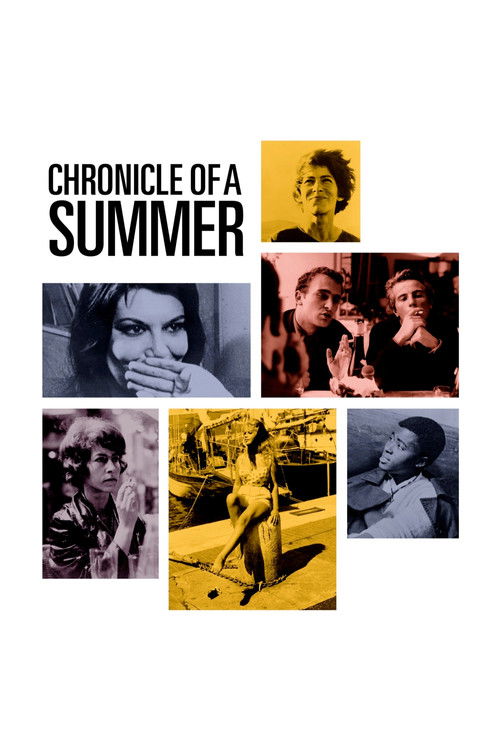
Chronicle of a Summer1961
Both are essays in form testing how cinema can reveal truth through manipulation. Rouch and Morin ask if staging compromises honesty; Buñuel proves it doesn't—the frame, the cut, the choice of what to show is always an argument.
Rouch and Morin invented direct cinema by asking ordinary Parisians 'Are you happy?' and filming their unguarded answers. It's playful, philosophical, and utterly modern—documentary as conversation rather than pronouncement. The people are vivid; the cinema is alive.
But Much of it is staged or semi-staged, which defeats the direct-cinema premise for some. The Parisian intellectuals can feel precious, and the film's optimism about documentary's power to reveal truth now reads as naïve.
More like this (7)
Nanook of the North1922
Flaherty's Inuit seal-hunting epic invented documentary cinema. The hunting sequences are genuinely thrilling, the life-or-death stakes real, the technical achievement stunning for its era.
But Flaherty staged scenes and guided the action. Modern viewers uncomfortable with the filmmaker's invisible hand in ethnographic material may find that friction impossible to ignore.

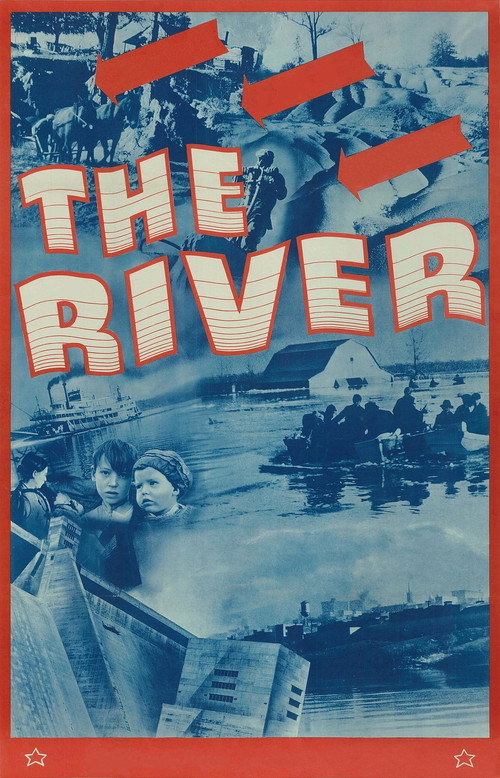
The River1938
Pare Lorentz's Depression-era documentary about the Mississippi and flood control is gorgeous and angry—searing indictment of land mismanagement wrapped in lyricism. Archival footage, time-lapse, human suffering, and visual grace.
But The narrative is didactic and the solutions offered feel dated. Some will find the New Deal optimism patronizing, the lecture-hall tone heavy-handed.
Battleship Potemkin1925
Eisenstein's montage-driven account of the 1905 mutiny is visceral propaganda cinema—the Odessa Steps sequence alone is a master class in editing and visual rhythm. Revolutionary form matched to revolutionary content.
But The acting is theatrically broad and the arguments are delivered in capitals. If subtlety and psychological complexity matter to you, this will feel like watching a pamphlet.

Come and See1985
Elem Klimov's account of a Belarusian boy conscripted into WWII partisans is a howl of anguish—war filmed not as spectacle but as incomprehensible horror. Deeply humanist, deeply necessary, unforgettable.
But It is relentlessly bleak and brutal. The violence is not cathartic, the despair is not temporary, and the film offers no comfort or redemption. Many will find it genuinely traumatizing.

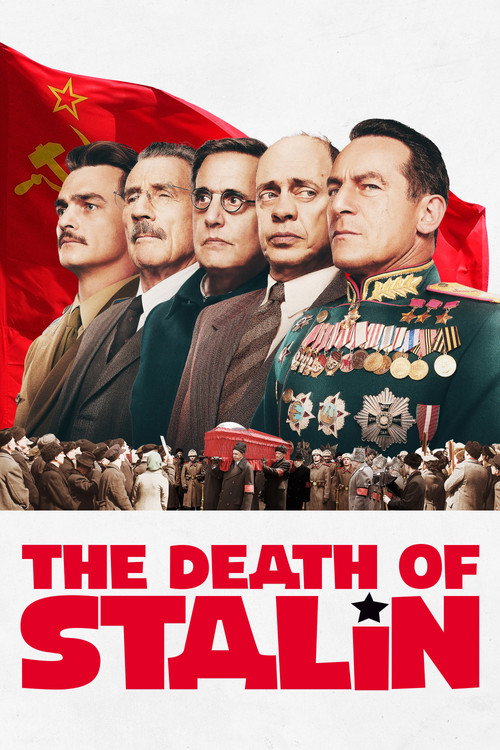
The Death of Stalin2017
Armando Iannucci's black-and-white Soviet farce about the succession crisis after Stalin's death uses documentary-like authenticity and political dread to fuel dark comedy. Formally inventive, viciously smart, unexpectedly funny.
But The humor is pointed and sometimes crude, the historical specificity demands attention, and the register—farcical amid atrocity—will alienate viewers wanting reverence toward tragedy.
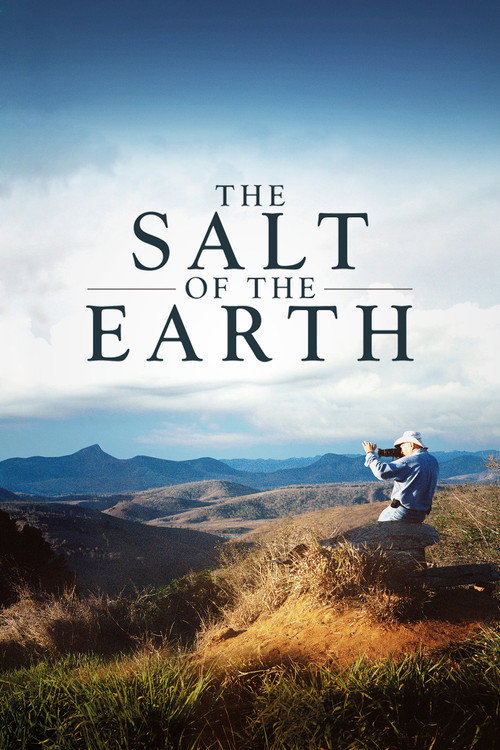
The Salt of the Earth2014
Both confront the ethics of watching and showing poverty and devastation. Both refuse sentiment. Both ask whether bearing witness to misery is an act of honor or exploitation.
Wim Wenders' portrait of photographer Sebastião Salgado is meditative and morally serious—following Salgado's documenting of human suffering (mines, genocide, migrations) while questioning what photography owes to its subjects. Gorgeous, haunting, vital.
But The suffering is relentless and the film's own gaze at atrocity can feel complicit. Some will resent the focus on the artist's witness rather than the victims' agency.
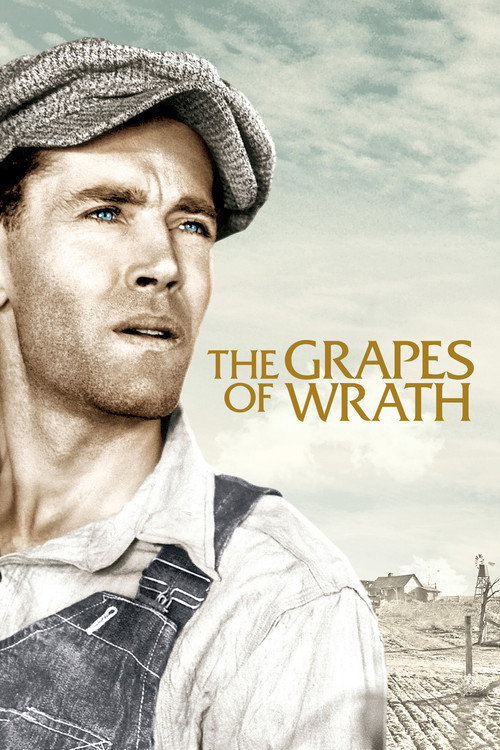
The Grapes of Wrath1940
Both are angry, visual testimonies to rural poverty and the systems that perpetuate it. Ford and Buñuel loved ordinary people and hated the conditions they endured. Where Buñuel shocks through estrangement, Ford moves through empathy—but the moral fury underneath is identical.
Ford's adaptation of Steinbeck follows an Oklahoma family driven west by the Dust Bowl. Luminous black-and-white photography, working-class dignity treated as heroic, and a social argument embedded in narrative grace. Cinema as moral act.
But The pacing is deliberate and the sentimentality is unashamed. Modern viewers impatient with 1940s humanism or looking for stylistic sophistication may find it earnest to the point of staginess.
People
Cast
 Francisco RabalNarrator (voice)
Directing
- Pierre UnikAssistant Director
- Rafael Sánchez VenturaAssistant Director
- Luis BuñuelDirector
Writing
- Maurice LegendreBook
- Luis BuñuelScreenplay
- Pierre UnikScreenplay
- Rafael Sánchez VenturaScreenplay
Production
- Luis BuñuelProducer
- Ramón AcínProducer
Recommended by
Vernon, Florida, I Am Cuba, Housing Problems, Louis Armstrong's Black & Blues, O Outro Lado do Paraíso, The Story of the Weeping Camel, The Hour of the Furnaces, A Place to Stand