
Film
A Place to Stand
- Light-hearted
A 1967 Oscar-winning multi-screen documentary that floods you with Ontario's landscape, industry, and people through pure image and sound. No narration—just stunning widescreen cinematography married to a relentlessly catchy folk song. It's a time capsule of Canadian optimism and mid-century visual ambition, made for Expo '67 but still hypnotic to watch.
If you liked this
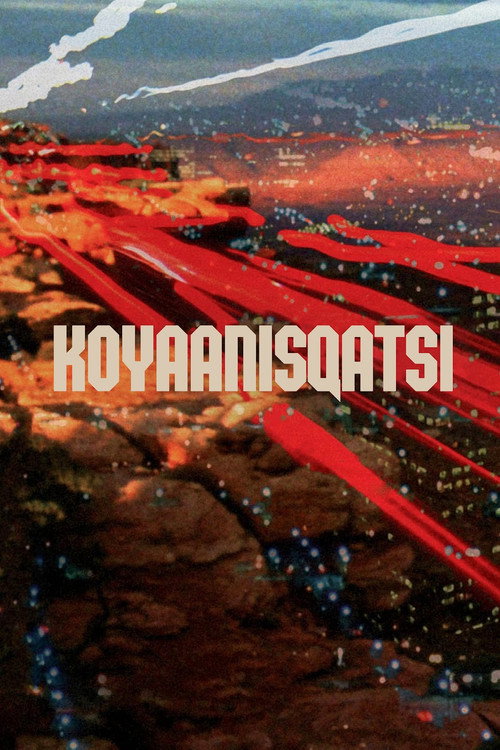
Koyaanisqatsi1983
Another wordless visual essay that floods the senses, trading Ontario's pastoral optimism for America's technological overwhelm. Haunting and gorgeous, a perfect spiritual sibling.
But The pacing is glacial by design. If you need plot or dialogue, you'll feel bored and confused within minutes.
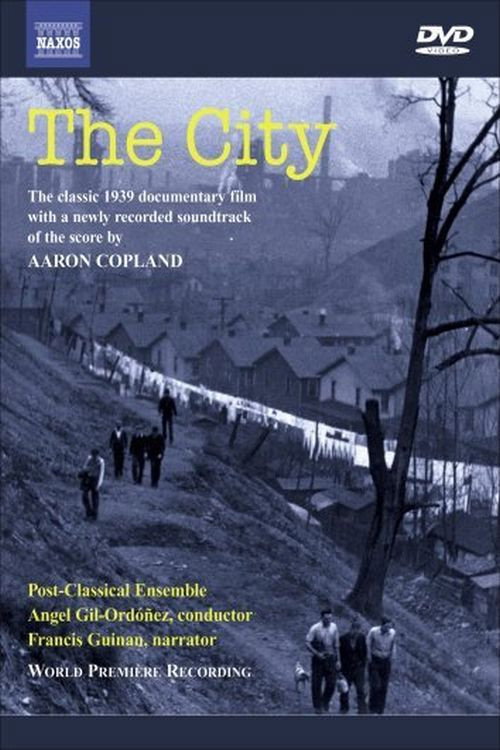
The City1939
A Depression-era city symphony about urban life, similarly structured around visual rhythm and music rather than explanation. Sees the world with the same wide-eyed wonder as a Place to Stand.
But It's shot in the cramped, grainy style of 1930s newsreels. The opening segment drags before the city comes alive.
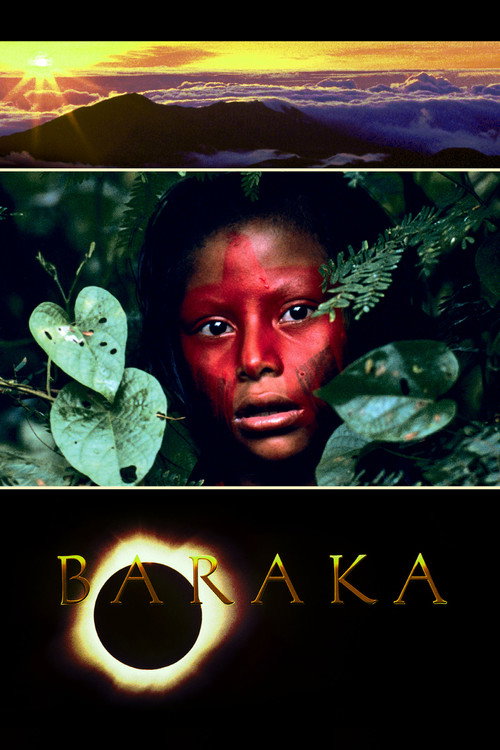
Baraka1992
Ninety-six minutes of pure planetary imagery—sacred sites, rituals, landscapes—set to hypnotic music. The spiritual descendant of A Place to Stand, vastly expanded in scope and ambition.
But At nearly two hours with no structure or argument, it can feel like visual wallpaper. Some find it pretentious rather than profound.
Not sure tonight? Get a pick in a minute, starting from A Place to Stand
The wildcard
Something you would not have found on your own.
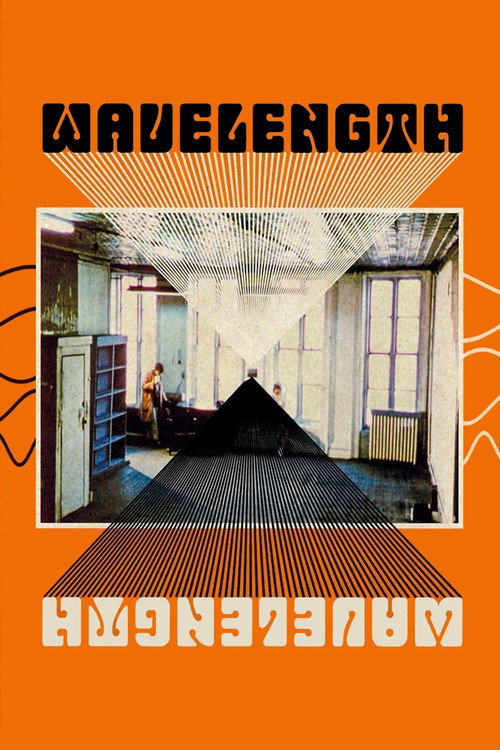
Wavelength1967
Both films premiered in 1967 and ask: what happens when you strip cinema down to its essence—pure vision, pure sound, no words? Both answer through duration and perception rather than information.
Michael Snow's invisible masterpiece: 45 minutes of a single room slowly zooming in on a window photograph. Made the same year as A Place to Stand, it's pure cinema as temporal experience, no subject matter needed.
But Calling it a 'film' is generous. You're essentially watching a photograph while a tone grows higher. Patience required, payoff not guaranteed.
More like this (6)
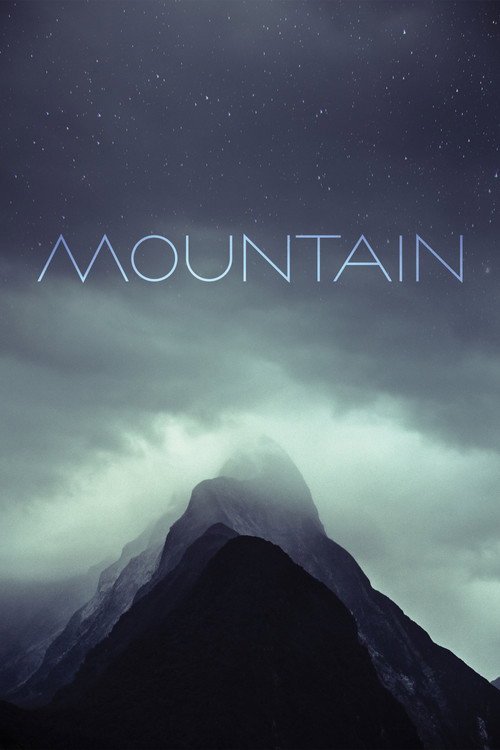
Mountain2017
A meditation on mountains worldwide, shot in gorgeous large-format cinematography with minimal narration. Same economy of storytelling, same sense of awe at landscape as A Place to Stand.
But It's very slow and deeply introspective. If you want information or narrative momentum, you won't find it here.
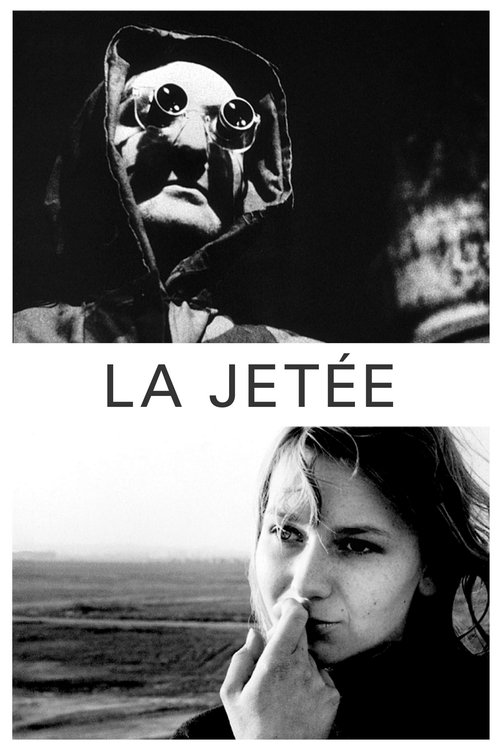
La Jetée1962
A science-fiction meditation on time and memory built almost entirely from still photographs and minimal dialogue. Proves that constraint breeds poetry—like A Place to Stand but far more intimate and strange.
But The experimental structure and bleak tone make it a harder watch. Some viewers find it too cerebral to be moving.
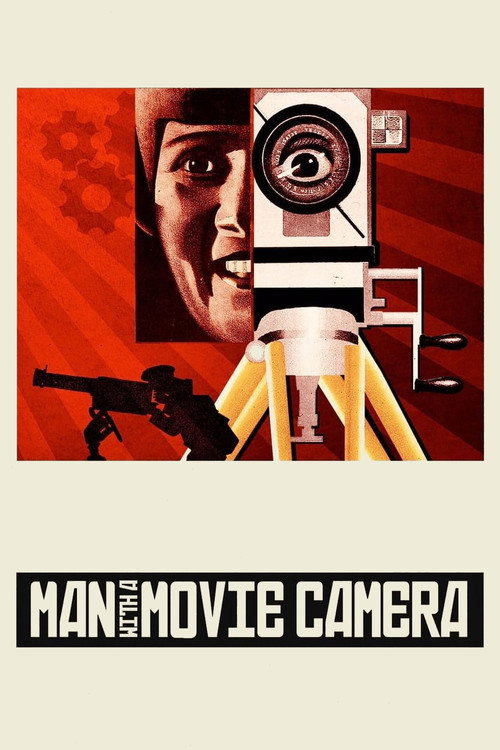
Man with a Movie Camera1929
Soviet montage cinema at its peak—a day in Leningrad told through radical editing and visual rhythm, no plot required. The great-grandfather of every visual symphony that followed.
But The silent film format and frenetic editing pace won't suit everyone. It can feel more like an experiment than a film.
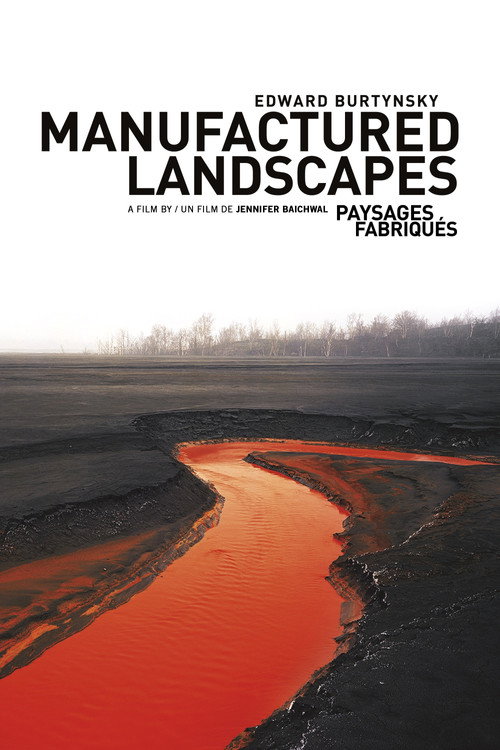
Manufactured Landscapes2006
Long, patient takes of industrial Ontario and global manufacturing, shot by the great cinematographer Edward Burtynsky. A darker, more critical reckoning with the same landscape A Place to Stand celebrated.
But It's intentionally glacial and offers no easy answers. The beauty of the images can feel uncomfortable given what they depict.
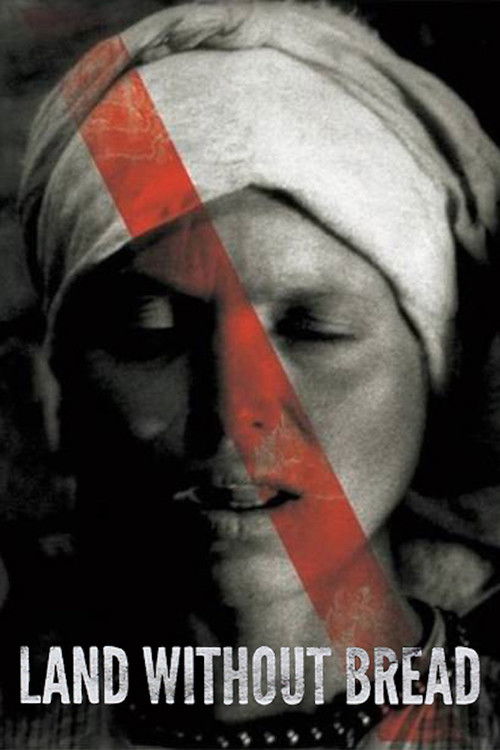
Land Without Bread1933
Buñuel's unflinching documentary about a forgotten Spanish region, told almost wordlessly with haunting folk music. Shows how the form can critique as powerfully as it can celebrate.
But It's bleak, sometimes disturbing, and attacks Spain's neglect of the poor. The tone is worlds away from A Place to Stand's optimism.
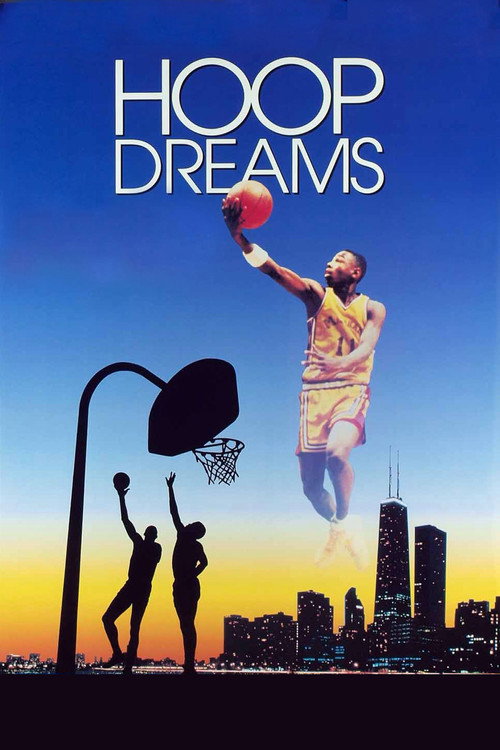
Hoop Dreams1994
Both trusts images and duration to do the work that narration usually does. Both celebrate ordinary life—Ontario's people and landscape, teenage basketball players' dreams—without condescension or easy sentiment.
A three-hour documentary about basketball, childhood, and American inequality that never explains or moralizes—it just watches and lets complexity unfold. Like A Place to Stand but with stakes, human faces, and devastating emotional weight.
But The length requires real commitment, and the basketball may feel incidental if you don't care about the game. Some find its slow revelation of injustice exhausting rather than moving.
People
Directing
- Christopher ChapmanDirector
Production
- Christopher ChapmanProducer
- David MackayProducer