
Film
The River
Other titles called The River: the 1951 film, the 1984 film, the 2012 series (ABC).
A 31-minute Depression-era documentary about the Mississippi River's role in American life and the ecological devastation wrought by agriculture and logging. Gorgeously photographed, mordantly narrated, and animated by genuine rage at progress that impoverishes the people it claims to help. Essential viewing for anyone interested in how we got here.
Should you watch it?
Watch it if you love documentaries that argue with images as much as narration, where a sweeping montage of water, dust and farmland carries the moral weight the words only frame.
Skip it if you want facts delivered briskly or a modern, talky investigation; this is an earnest, stylized 1930s piece whose voiceover is formal and its pacing deliberately unhurried.
What it asks of you: It runs only about half an hour, so it is a short sitting, but it moves slowly, letting long shots and rhythmic narration build a mood rather than a sequence of arguments.
Not sure? Find tonight's pick in a minute.
If you liked this
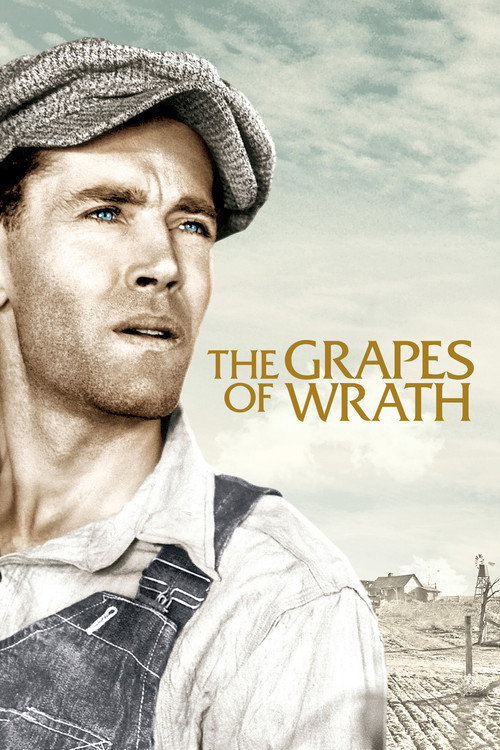
The Grapes of Wrath1940
Ford's adaptation of Steinbeck captures the same Depression desperation and environmental catastrophe as The River, but through intimate human faces and the dust bowl's grinding toll on families trying to survive.
But It's relentlessly bleak, nearly three hours long, and the ending offers no comfort—just the faint possibility of endurance.
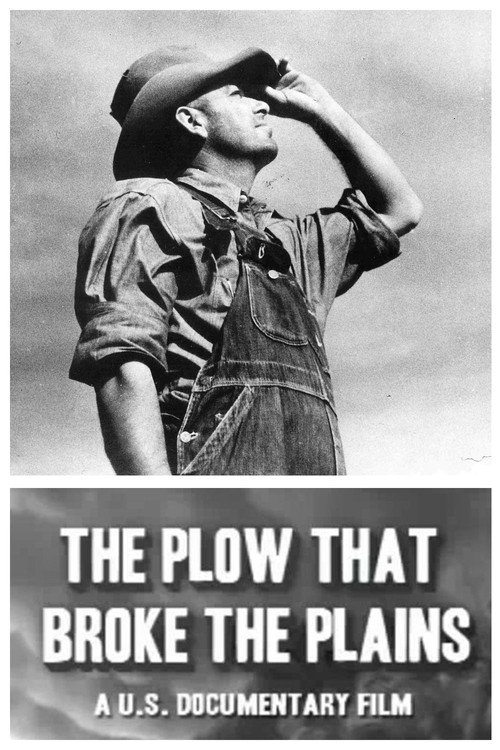
The Plow That Broke the Plains1936
Another Pare Lorentz short about ecological collapse and agricultural failure, made just two years before The River. The same fury at the human cost of industrial farming, shot with breathtaking scope.
But At 28 minutes, it moves quickly and doesn't linger on solutions—some find that frustrating rather than clarifying.
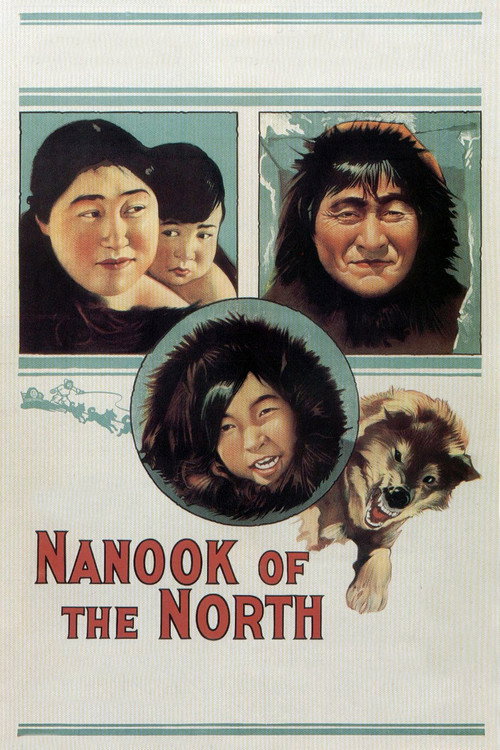
Nanook of the North1922
A pioneering documentary about how humans adapt to harsh landscapes. Visually stunning in ways that feel ancestral to The River, with a similarly unsentimental gaze at survival and environment.
But Nanook has problematic elements—it stages scenes and plays into primitivism in ways that make modern viewers uncomfortable.
Not sure tonight? Get a pick in a minute, starting from The River
The wildcard
Something you would not have found on your own.
Man with a Movie Camera1929
Both are 1930s documentaries that reject narrative comfort and use sophisticated cinematography and editing to make moral arguments about labor, environment, and progress. Both trust the image over easy sentiment.
Dziga Vertov's Soviet montage masterpiece shows a city's workers and rhythms through radical visual experimentation. It shares The River's faith in cinema as a tool for truth-telling and its belief that style and substance are one.
But There's no plot, no dialogue, and the rapid montage can feel overwhelming—it demands active attention and repeated viewing.

More like this (7)
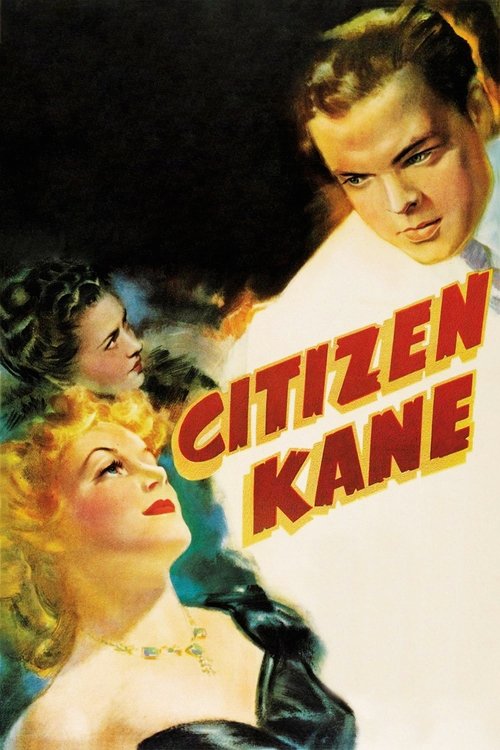
Citizen Kane1941
Welles dissects American ambition and the corruption of ideals into empire, using deep focus and complex montage. The rage at power's indifference to human cost runs parallel to The River's moral clarity.
But It's stylistically dense and can feel like homework; the narrative structure still confuses some viewers.
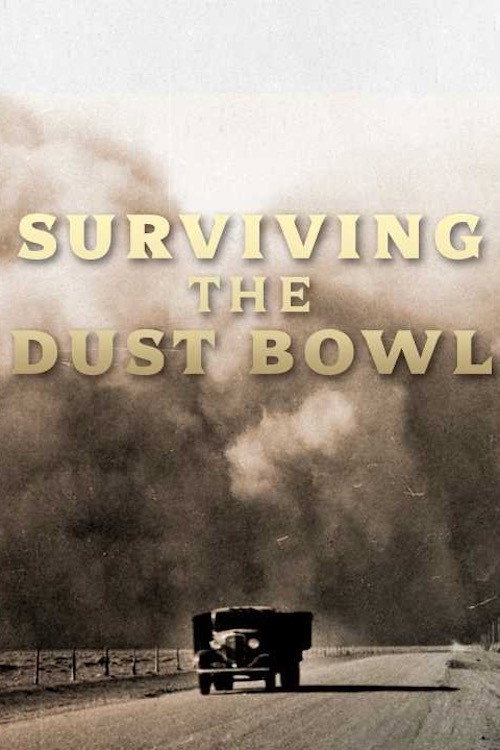
Surviving the Dust Bowl1998
Ken Burns's documentary gives visual and testimonial depth to the ecological catastrophe that frames The River. Photographs, letters, and survivor accounts create a fuller portrait of the same disaster.
But At 110 minutes across two parts, it's considerably longer and more conventional in structure—less visually experimental than The River.
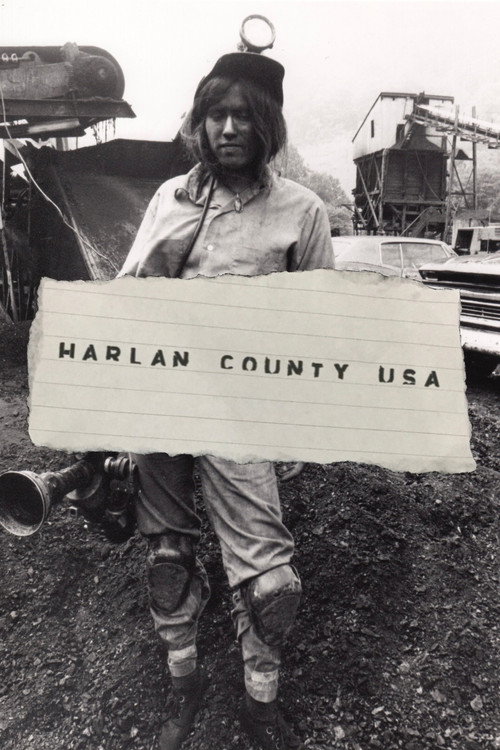
Harlan County U.S.A.1976
Barbara Kopple's documentary about coal miners' struggle against corporate indifference has The River's outrage at the exploitation of working people for profit, but with direct interviews and confrontation.
But The miners are filmed during active conflict with armed guards; the danger and tension are real and unresolved, which disturbs some viewers.
Winter Light1963
Bergman's meditation on faith, emptiness, and human indifference amid suffering operates at a different register but shares The River's unflinching moral vision and refusal of false comfort.
But It's austere, philosophical, and glacially paced—spiritual cinema rather than documentary activism, which will feel tangential if you want solutions.

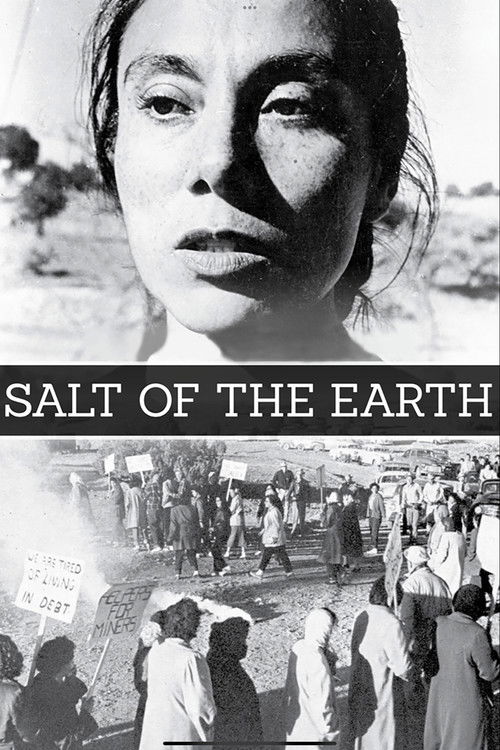
Salt of the Earth1954
A quietly radical film about Mexican-American miners and their families fighting exploitation. Made by blacklisted filmmakers, it carries the same commitment to showing dignity in struggle that animates The River.
But It's didactic and unapologetic about its politics; audiences wanting subtlety will find it heavy-handed.
Come and See1985
Both films are structured as an education in catastrophe. Both refuse to aestheticize destruction even as they photograph it gorgeously. Both ask: what does it mean to witness? What does witnessing cost?
Elem Klimov's film about a Soviet boy confronting the Nazi invasion of Belarus is a work of shattering power—it shows environmental and human destruction on an almost apocalyptic scale, photographed with heartbreaking beauty.
But It is brutal beyond almost any film ever made; the child actor's face registers trauma so accurately that watching feels like violence. Not for emotional fragility.

Stalker1979
Both examine environmental and spiritual devastation through landscape. Both use documentary-like visual patience to make metaphysical points about human greed and the costs of industrial civilization. Both trust silence and imagery over explanation.
Tarkovsky's sci-fi meditation on desire, faith, and the price of progress moves through a mysterious landscape with religious slow-ness. Like The River, it interrogates what we've sacrificed in the name of advancement.
But It's 163 minutes of contemplative walking and conversation with minimal plot. If you need momentum or resolution, you will find it maddening.

People
Cast
 Thomas ChalmersNarrator (Voice)
Recommended by
Land Without Bread, The Plow That Broke the Plains, Moana, Drifters