
Film
Surviving the Dust Bowl
- Action
- Very dark
A taut account of the 1930s Dust Bowl—when drought and agricultural collapse turned the Southern Plains into an apocalyptic wasteland. Narrated with gravitas, it focuses on the people who endured rather than fled, drawing on period photography and testimony to convey both the ecological horror and human resilience. For anyone interested in environmental catastrophe, American history, or how ordinary people survive the unsurvivable.
Should you watch it?
Watch it if you are drawn to plain-spoken oral history, where the people who lived through a catastrophe carry the story and archival stills and voices do the rest of the work.
Skip it if you want a dramatised narrative with characters you follow closely, since this is a documentary built on memory, photographs and a single narrator guiding you through the years.
What it asks of you: It runs under an hour and moves at a steady, unhurried clip, asking you to sit with hardship and endurance more than to be swept along by suspense.
Not sure? Find tonight's pick in a minute.
If you liked this
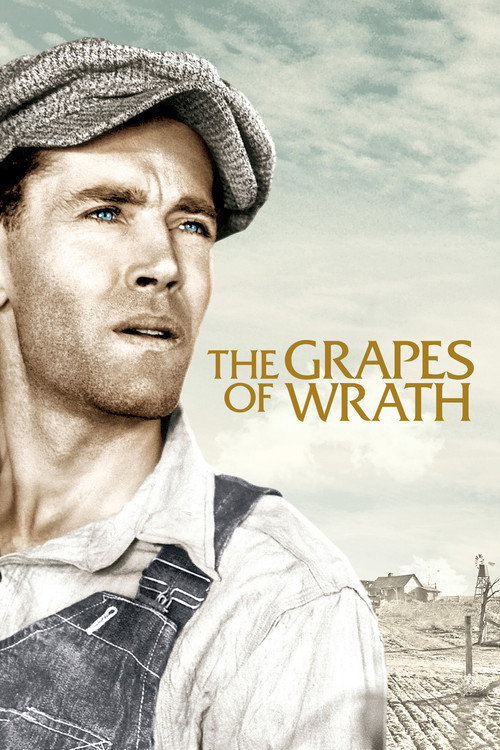
The Grapes of Wrath1940
Steinbeck's novel adapted by John Ford captures the exodus angle that Surviving the Dust Bowl deliberately sidelines. Henry Fonda's performance is achingly human, and Ford's cinematography renders desolation with poetic force.
But It's fundamentally about those who left, not those who stayed—a different story altogether. The pacing is deliberate, almost glacial by modern standards.
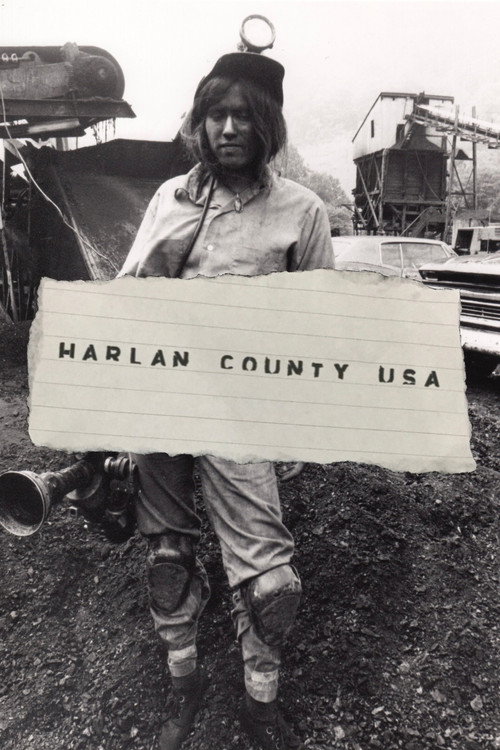
Harlan County U.S.A.1976
Barbara Kopple's Oscar-winning documentary about Appalachian coal miners fighting for survival in the 1970s. Like Surviving the Dust Bowl, it's a story of ordinary Americans enduring industrial catastrophe with stubborn dignity.
But It's a labor film, not an environmental one. The violence can be hard to watch. Feels more activist than observational.
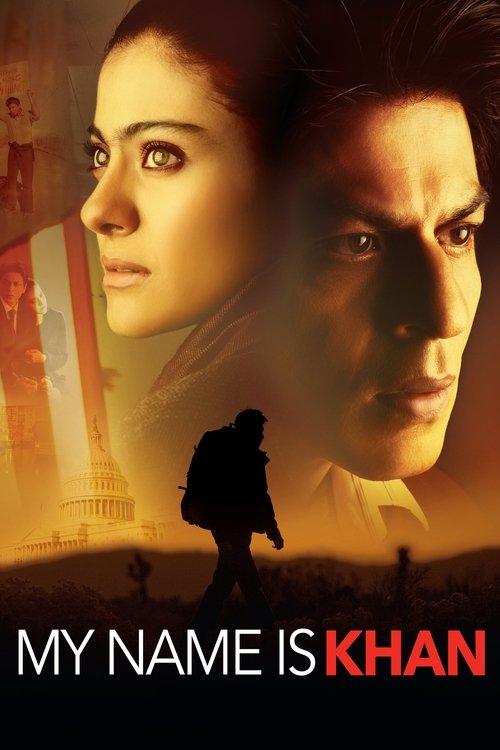
My Name Is Khan2010
A narrative film about displacement, survival, and reclaiming home in post-9/11 America. Thematically linked to the Dust Bowl's examination of resilience and belonging, though in a completely different register.
But It's a Bollywood melodrama, not a documentary. The emotional tone is entirely different. Some find it manipulative.
Not sure tonight? Get a pick in a minute, starting from Surviving the Dust Bowl
The wildcard
Something you would not have found on your own.
Stalker1979
Both explore catastrophic landscapes—one literal and ecological, one metaphorical and spiritual—and ask what it means to survive or persist in the face of overwhelming loss.
Andrei Tarkovsky's Soviet science-fiction film is formally and thematically the inverse of Surviving the Dust Bowl. Where the documentary captures collective trauma in documentary time, Stalker explores the metaphysical weight of desire and devastation through slow, philosophical cinema. Both examine what humans will endure—and what they'll sacrifice—when confronted with an incomprehensible landscape.
But It's a glacially paced philosophical meditation in Russian. Three hours. No plot in the conventional sense. If you expect narrative clarity or dramatic incident, you will be frustrated.

More like this (1)
American: The Bill Hicks Story2010
An American Experience documentary about a figure who represented resistance to prevailing narratives. It's about speaking truth in hard times—thematically distant from the Dust Bowl but structurally similar in how it uses archival material and testimony.
But Completely different subject and era. You need to care about stand-up comedy history for it to land.

People
Cast
 Liev SchreiberNarrator (voice)
 Matthew ModineLawrence Svobida (voice)
Directing
- Chana GazitDirector
Writing
- Chana GazitWriter
Production
- Laura Ozment-SchenckAssociate Producer
- Maria NicoloAssociate Producer
- Molly JacobsAssociate Producer
- David StewardCo-Producer
- Susan MottauCoordinating Producer
- Mark SamelsExecutive Producer
- Chana GazitProducer
- Sharon GrimbergProducer
- Susan BellowsProducer
- Nancy ShermanProduction Manager
Recommended by
The Plow That Broke the Plains, The River, The Civil War, Dirt! The Movie, Woody Guthrie: Ain't Got No Home