
Film
The Civil War
Other titles called The Civil War: the 1990 series (PBS).
Ken Burns' landmark documentary reimagines the American Civil War as an intimate human story told through photographs, letters, and music. It's meditative rather than didactic, letting contemporary voices read primary documents over still images that seem to breathe. Essential viewing that redefined how historical documentaries could work—patient, deeply moving, and entirely absorbing across its full ten hours.
Should you watch it?
Watch it if you want the whole arc of a national catastrophe laid out in one sitting, with a narrator guiding you through it rather than a dramatised story.
Skip it if you want individual characters, sustained drama, or deep dives into particular battles, since ninety-two minutes can only skim a war that spans four years.
What it asks of you: A narrator's voice carries most of the weight across a steady, unhurried pace, and you'll need a head for names and dates since there is no plot to lean on.
Not sure? Find tonight's pick in a minute.
If you liked this
Shoah1985
Claude Lanzmann's nine-hour Holocaust documentary uses a similar patience and moral weight, building testimony and historical documentation into something overwhelming and essential. Proof that a film can be long, formally austere, and still grip you entirely.
But Nine hours of difficult testimony and minimal score can feel punishing rather than cathartic. Some find the pacing glacial; others find that glacial pace is precisely the point.

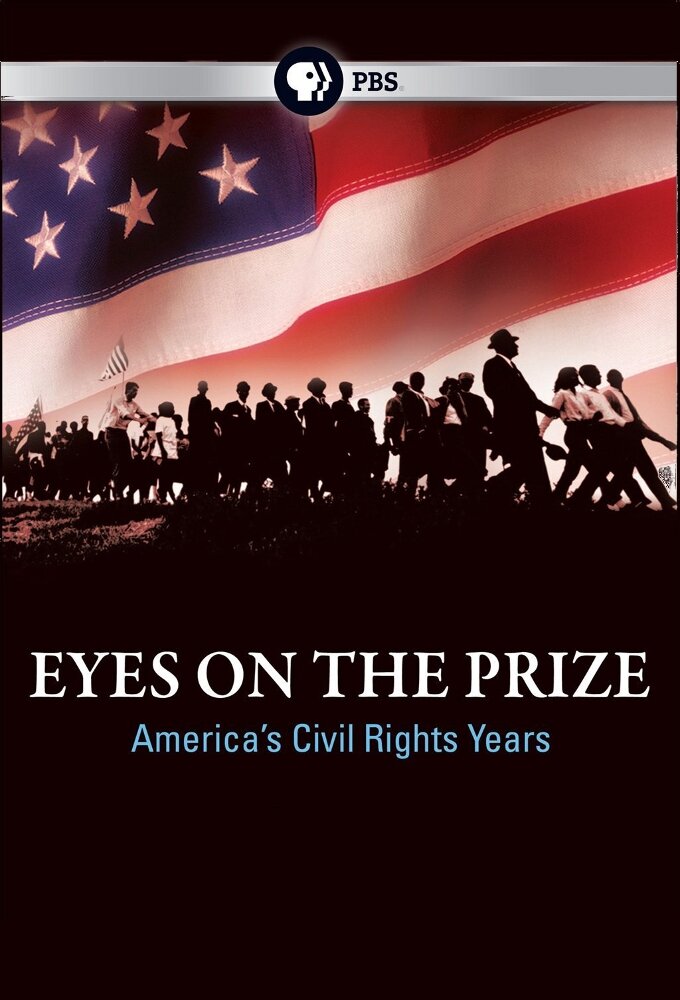
Eyes on the Prize1987
This 14-hour series about the Civil Rights Movement uses the same archival approach—photographs, newsreel footage, contemporary interviews—to trace American racial struggle with clarity and moral force. Equally essential, equally rewatchable.
But It covers ground that can feel overwhelming and painful, and some sequences are genuinely hard to watch. The historical wounds it documents remain unhealed.
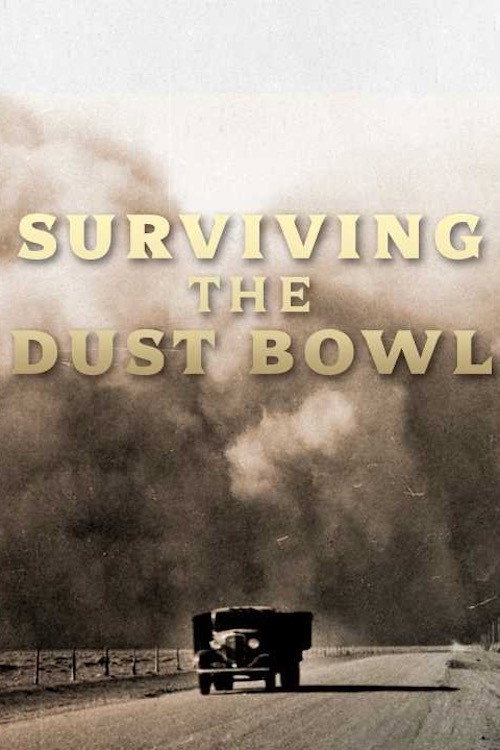
Surviving the Dust Bowl1998
Another Burns documentary with the same visual language and archival depth, but shorter and sharply focused on a single American catastrophe. If you loved the method, this is proof it works across different eras and scales.
But The Depression-era farming crisis isn't as immediately gripping as war, and the pacing might feel slack if you prefer narrative drive to contemplation.
Not sure tonight? Get a pick in a minute, starting from The Civil War
The wildcard
Something you would not have found on your own.
Come and See1985
Where Burns documents war's devastation through photographs and memory, Klimov dramatizes it through lived experience. Both refuse to aestheticize suffering; both demand the viewer sit with moral weight rather than be entertained.
Elem Klimov's narrative film about a Soviet boy's journey through WWII atrocity is the emotional opposite of The Civil War: it's a second-by-second immersion in trauma rather than a reflective overview. But it asks the same question: how does a nation survive the destruction of its own people?
But It's one of the most harrowing films ever made—genuinely difficult to watch. Some sequences are nearly unwatchable, and the film never offers catharsis or redemption.

More like this (2)
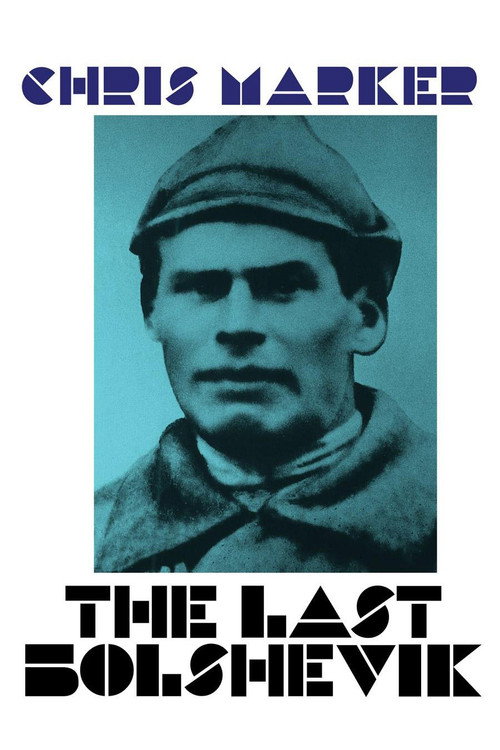
The Last Bolshevik1994
Chris Marker's meditation on Soviet history uses found footage, photographs, and voice-over to create something between documentary and essay film. Similar ambitions: to make still images narrate history with emotional intelligence.
But It's oblique and philosophically dense in ways The Civil War isn't. Less narrative satisfaction; more intellectual puzzle.
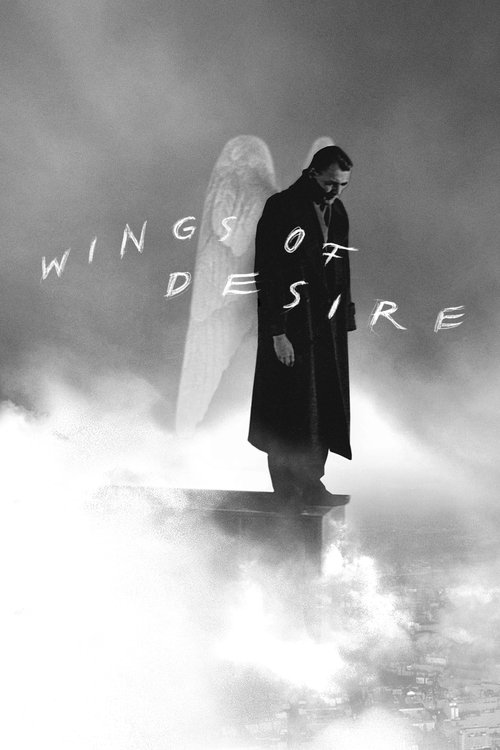
Wings of Desire1987
Wim Wenders' film moves through divided Berlin with the same reflective, almost elegiac tone Burns brings to the war's aftermath. Both are meditations on how a nation heals from catastrophe and division.
But It's a narrative fiction, not a documentary, and operates in metaphor rather than historical fact. The shift in approach might feel jarring.
People
Cast
- Jack HanrahanNarrator (voice)
Directing
- Tom JamesDirector
Writing
- James KelleherWriter