
Film
Woody Guthrie: Ain't Got No Home
A portrait of Woody Guthrie, the Dust Bowl troubadour who turned Depression-era hardship into music of incandescent rage and hope. Built from archive footage, interviews, and reenactments, it traces how a restless drifter became America's conscience—and why his vision of a shared country still matters. For anyone who's wondered what made him tick.
Should you watch it?
Watch it if you love folk music's back-roads roots and want to hear how one restless songwriter's voice turned hard times into hymns for ordinary people.
Skip it if you want a tightly plotted biography with dramatic reenactments and a clear arc, since this one leans on archive recordings, performance and talking about the songs more than on storytelling.
What it asks of you: It runs about ninety minutes at an unhurried pace, so settle in to listen closely, letting songs and voices carry the weight rather than waiting for a plot to unfold.
Not sure? Find tonight's pick in a minute.
If you liked this
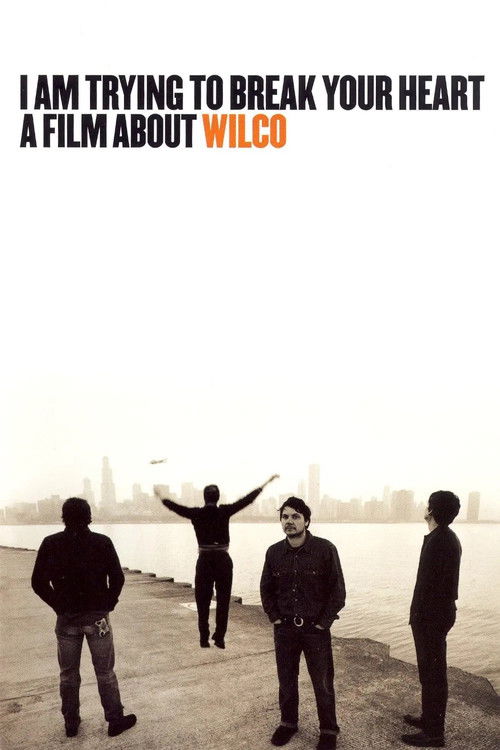
I Am Trying to Break Your Heart: A Film About Wilco2002
A musician-centered documentary that captures creative process and obsession without hagiography. Shows how songwriters channel personal turmoil into work that reaches others. Intimate and messy in ways that feel true.
But Focuses heavily on one album's making, which can feel narrow if you're not already invested in the band. Some sections drag.
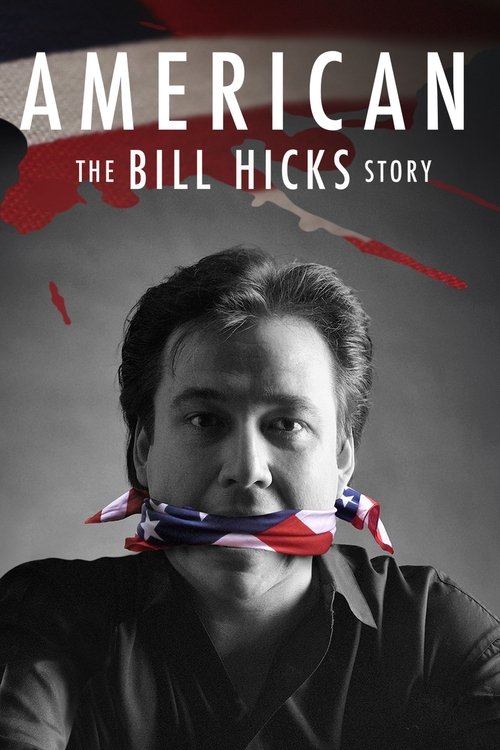
American: The Bill Hicks Story2010
Another documentary about an American truth-teller using performance as resistance. Hicks channels anger into comedy the way Guthrie channeled it into song. Same lineage of speaking for the voiceless.
But Hicks' material can be abrasive and dated. The film doesn't soften him—some will find that admirable, others exhausting.
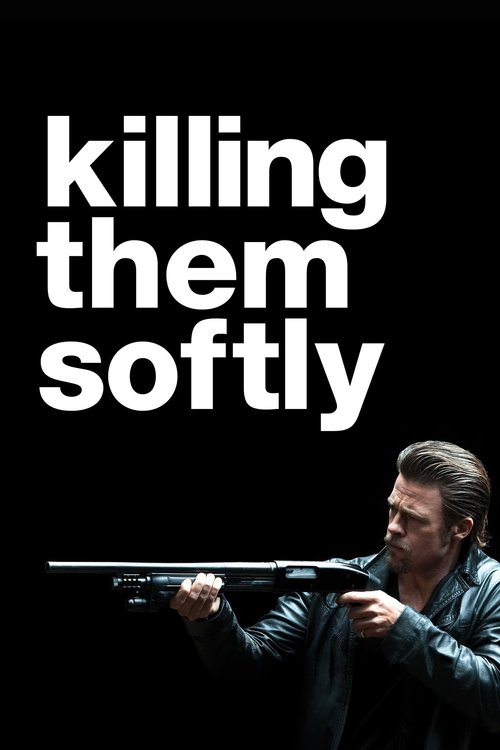
Killing Them Softly2012
Set against Depression-era and modern-day America, it's a hard-eyed look at economic desperation and whose land this really is. Shares Guthrie's skepticism about American mythology.
But It's a crime film, not a music documentary. Bleak and abstract in ways that won't appeal if you want traditional storytelling.
Not sure tonight? Get a pick in a minute, starting from Woody Guthrie: Ain't Got No Home
The wildcard
Something you would not have found on your own.
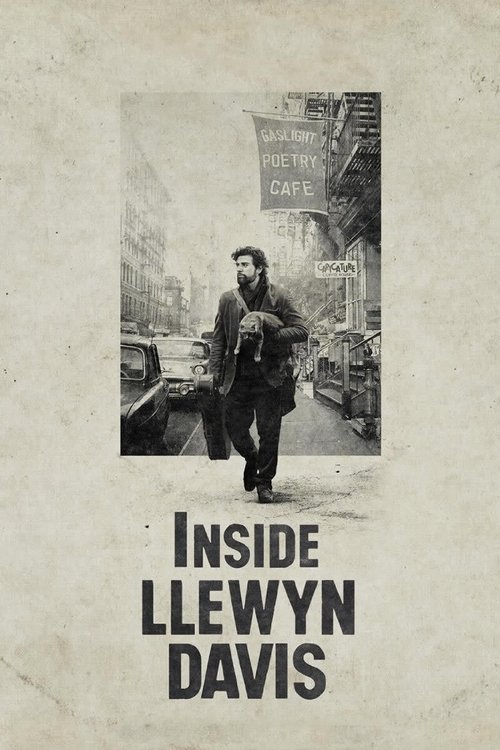
Inside Llewyn Davis2013
Both are about artists who see music as a moral necessity rather than a commercial product, and what that costs them in a world that doesn't always listen.
The Coen Brothers' film about a Greenwich Village folk singer in 1961—Guthrie's world and immediate aftermath. It's not a biography but a spiritual cousin. Shows folk music as a way of life, not a career path. Melancholic, strange, and structurally daring.
But It's oblique and unhappy. If you expect a triumphal folk-music narrative, you'll be disappointed. The protagonist is difficult.
More like this (8)
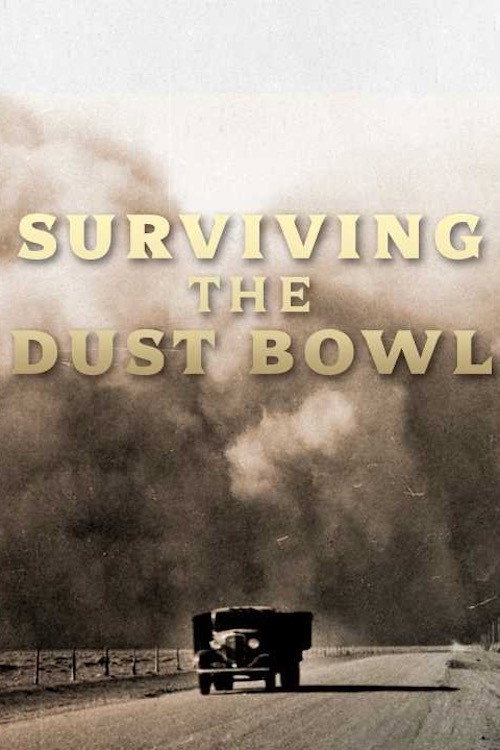
Surviving the Dust Bowl1998
Burns' documentary on the environmental catastrophe that scattered Guthrie's generation. Essential context for understanding where the music came from and what it cost.
But Deliberately paced. If you want narrative propulsion, you won't find it. Some viewers find Burns' style static.
Johnny Cash: The Man In Black
Cash walked in similar circles and carried similar burdens. This documentary catches him late in life, reflecting on prison activism and the songs that mattered most. Quiet, dignified.
But Made-for-TV feel. The production values are modest, and it doesn't have the cinematic sweep of later music docs.
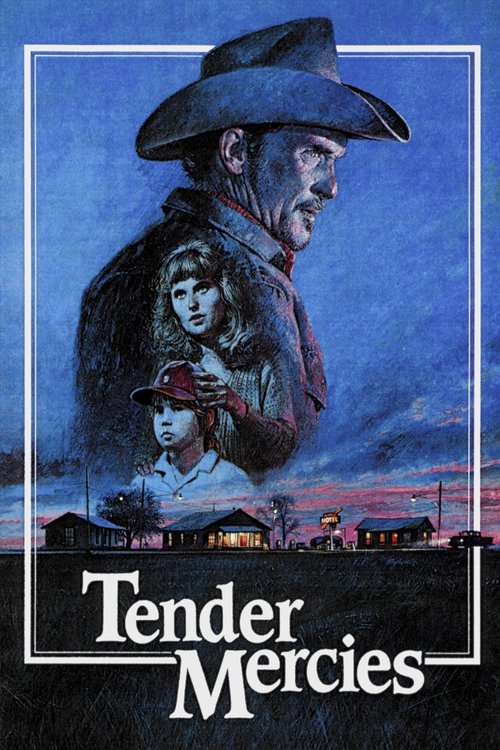
Tender Mercies1983
A fictional meditation on redemption, faith, and what songs mean to broken people. Features real country songs and real pain. It's about the same spiritual territory Guthrie inhabited.
But It's a narrative drama, not a documentary. Some find it slow and will want more music and less dialogue.
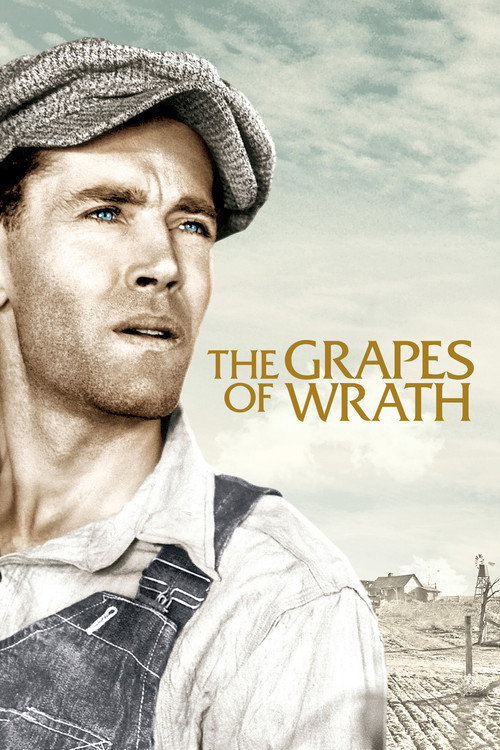
The Grapes of Wrath1940
Ford's film of Steinbeck's novel captures the Dust Bowl exodus Guthrie lived through. Shows the desperation and dignity that powered his politics. You'll understand the world that shaped him.
But Released before Guthrie's major work, so the connection is contextual rather than direct. Black and white, and very of its era.
The Ballad of Little Jo1993
A frontier story told from the margins—about someone writing her own life when society won't let her. That impulse, that resistance through living differently, echoes throughout Guthrie's work.
But A quiet, revisionist Western. Not what mainstream audiences expect from the genre. The pacing is deliberate.

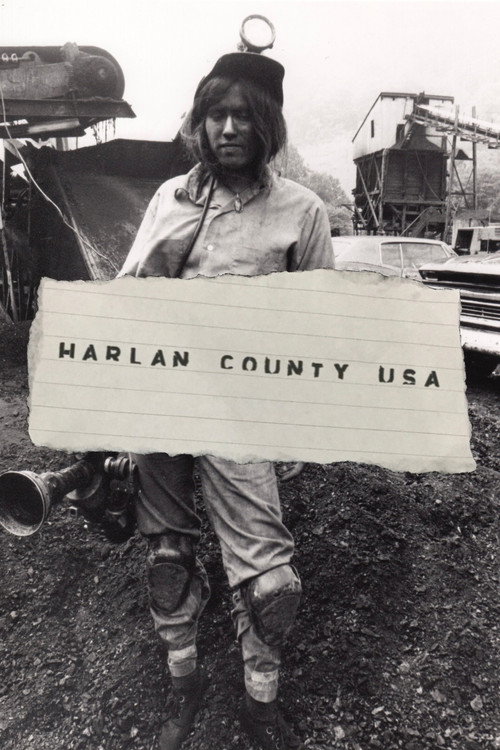
Harlan County U.S.A.1976
Barbara Kopple's documentary of a coal miners' strike, filmed in real time. Shows working people fighting for dignity, set to period music. The blood relative of Guthrie's populism in action.
But It's extremely focused on one labor dispute. If you want broader scope, you'll feel confined. Can be repetitive.
Stalker1979
Both are about searching—Guthrie physically wandering Depression America, Stalker's characters spiritually wandering a forbidden space. Both suggest that the journey itself, not the destination, is where grace lives.
Tarkovsky's science-fiction meditation on yearning and faith. A guide leads two men through a mysterious zone toward a room that grants wishes. It's slow, philosophical, and about the human hunger for meaning in a broken world. Sounds alien—but it shares Guthrie's belief that transformation is possible if you keep moving.
But It's extremely slow and meditative. Nearly three hours with long takes and minimal plot. Requires patience and rewards it generously.

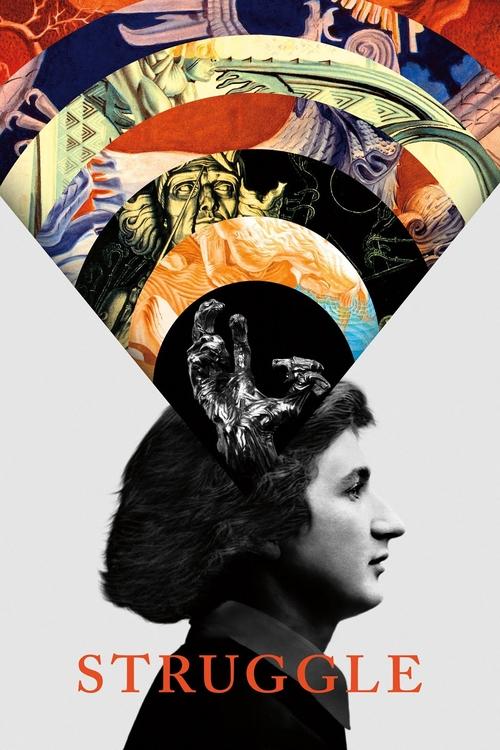
Struggle: The Life and Lost Art of Szukalski2018
Both men believed their work was a moral and spiritual necessity, not entertainment. Both were misfits who couldn't stop creating even when the world ignored them. Both ultimately matter because they refused to be silenced.
A documentary about a Polish-American sculptor and mystic who believed his art was spiritual resistance against fascism. Like Guthrie, he was prolific, difficult, broke, and convinced that making art was a moral imperative. His story is wild and almost forgotten—rediscovered late.
But It's sculptural and abstract rather than musical. The film itself is visually dense and occasionally hard to follow. Not a straightforward biography.
People
Cast
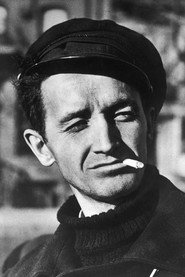 Woody GuthrieSelf (archive footage)
 Peter CoyoteNarrator (voice)
- Rick SharpWoody Guthrie
- Chad FiferAlan Lomax
- Richard BrownMoe Asch
- Peter Mark JoliatCisco Houston
 Alan LomaxArchival Footage
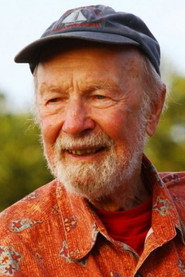 Pete SeegerSelf

- Bess HawesSelf
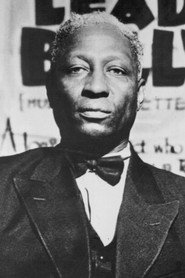 Lead BellySelf (archive footage)
Directing
- Peter FrumkinDirector
Writing
- Peter FrumkinWriter
Recommended by
The Weavers: Wasn't That a Time, Pete Seeger: The Power of Song