
Film
Drifters
Other titles called Drifters: the 2016 series (AbemaTV).
Joris Ivens' silent documentary follows the North Sea herring fleets from English ports to Shetland, capturing the labour and rhythm of industrial fishing in the late 1920s. Shot with formal precision and poetic restraint, it's a study of work, community, and the sea that moves between observation and visual metaphor. For anyone drawn to cinema as language rather than narrative.
Should you watch it?
Watch it if you like films that find a rhythm in ordinary labour and let the sea, the nets and the hauling do the storytelling, rather than people explaining themselves.
Skip it if you need characters to follow or a story to hold onto, since long stretches of repetitive work with little individual focus run slow.
What it asks of you: Most of its hour unfolds at sea and on the quayside, paced by the boats and the weather rather than by plot, so patience counts for more than close attention.
Not sure? Find tonight's pick in a minute.
If you liked this
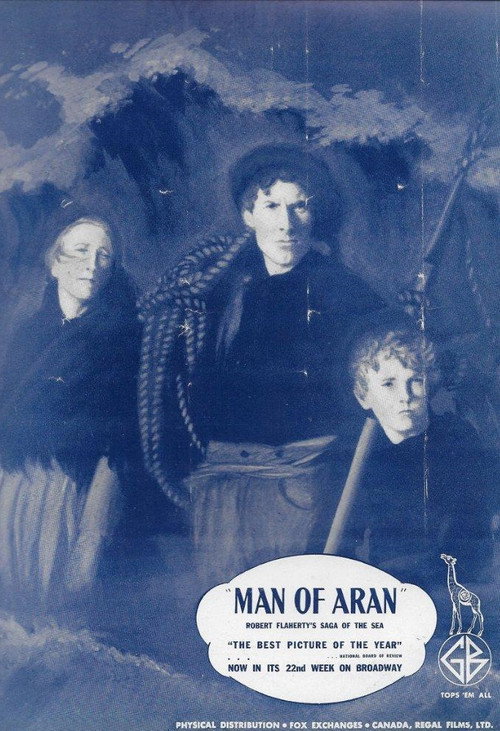
Man of Aran1934
Robert Flaherty's masterpiece about Aran Island fishermen balances documentary truth with mythic storytelling. Like Drifters, it finds drama in survival and labour, but with more conventional narrative pull and stunning cinematography.
But It's slower and less overtly political than Drifters, and Flaherty romanticises hardship in ways that can feel dated or uncomfortable now.
Nanook of the North1922
Flaherty's earlier work that essentially invented the documentary feature. It shares Drifters' fascination with how people survive extreme conditions, and its visual language influenced Ivens directly.
But The staging and manipulation are now obvious. It can feel like watching cinema history rather than experiencing a world.

Housing Problems1935
Grierson and Elton's British documentary uses sound and location shooting to document working-class life with urgency and empathy. It has Drifters' social conscience but feels more immediate and angry.
But The sound recording is thin and the editing occasionally didactic. It's a manifesto, not a poem.

Not sure tonight? Get a pick in a minute, starting from Drifters
The wildcard
Something you would not have found on your own.
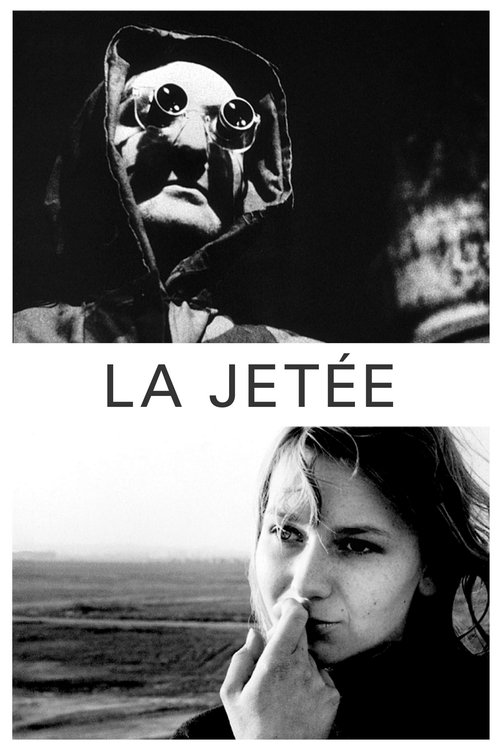
La Jetée1962
Both are brief, formally perfect meditations on time and repetition. Drifters shows us the same work, season after season; La Jetée circles a single moment. Both understand that cinema's true subject is time itself.
Chris Marker's 27-minute essay-film uses still photographs and voiceover to create narrative and emotion from static images. Like Drifters, it proves cinema doesn't require movement to move you—it requires composition and rhythm.
But It's abstract and cerebral. Some will find it cold or pretentious. It requires active watching.
More like this (6)
Berlin: Symphony of a Great City1927
Ruttmann's city symphony uses montage and rhythm to make urban labour and movement hypnotic. It proves documentary can be as formally daring as any avant-garde work.
But It's purely visual and rhythmic—there's no human centre. For some, that's a feature; for others, a fatal distance.

Sunrise: A Song of Two Humans1927
Though a fiction film, Murnau's masterpiece shares Drifters' visual poetry and its interest in landscape as character. It's gorgeous and moving in ways that prove technique and feeling aren't opposites.
But It's melodrama, not observation. If you want documentary's connection to truth, this romance might feel indulgent.

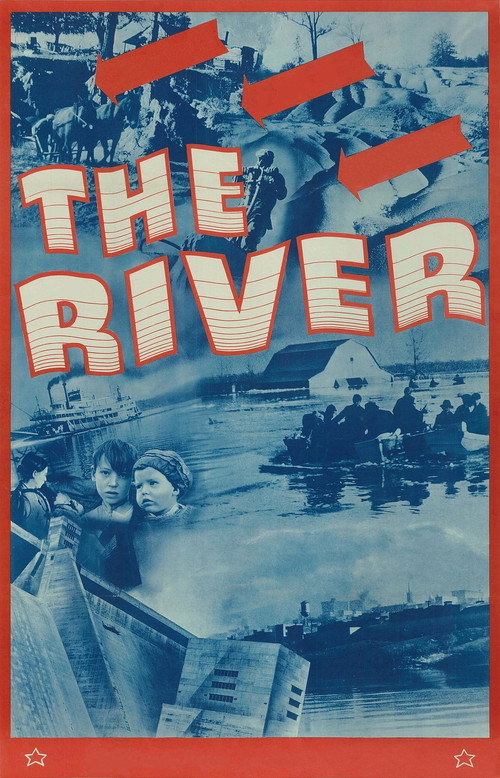
The River1938
Pare Lorentz's American documentary about the Mississippi River system matches Drifters' visual grandeur while adding lyrical narration and social argument. It's Ivens' world, but more accessible.
But The New Deal messaging can feel heavy-handed. The poetry sometimes bows to propaganda.
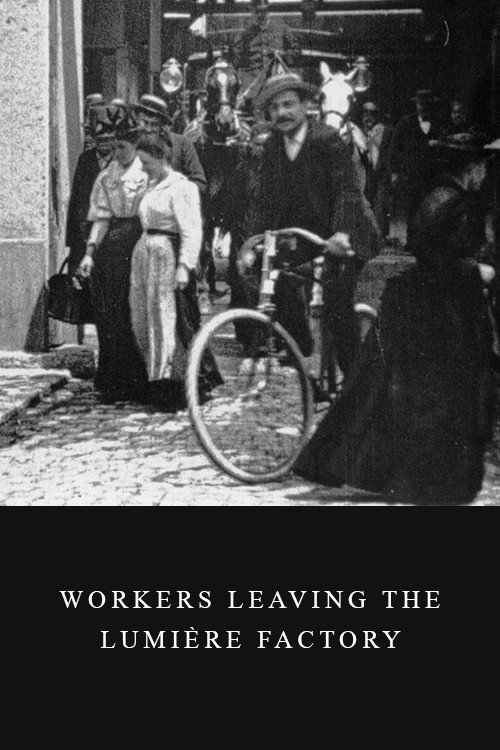
Workers Leaving the Lumière Factory1895
The earliest cinema. Lumière captured everyday labour with the same quiet attention Ivens brought to Drifters nearly 35 years later. It's the ur-text.
But It's 50 seconds. You'll watch it and want more, which is partly the point but also limiting.
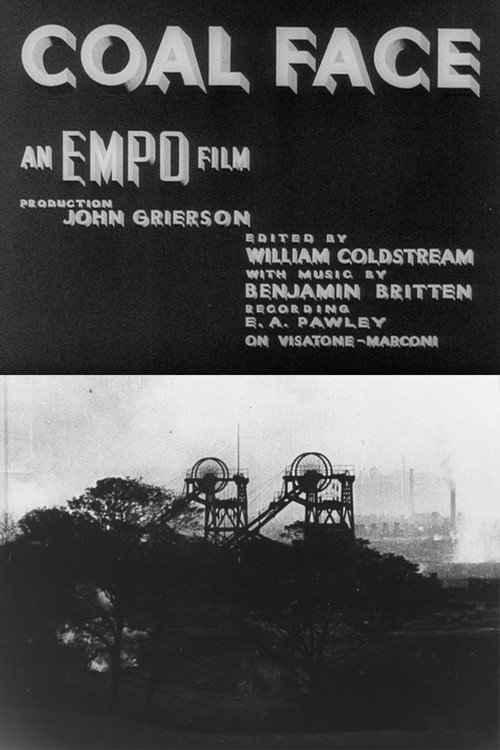
Coal Face1935
Cavalcanti's Grierson-produced documentary about coal mining has Drifters' focus on industrial labour and landscape, with experimental sound design that anticipates later innovations.
But It's agitprop, earnest in ways that can feel quaint. The aesthetics sometimes overwhelm the actual human stakes.
Sankofa1993
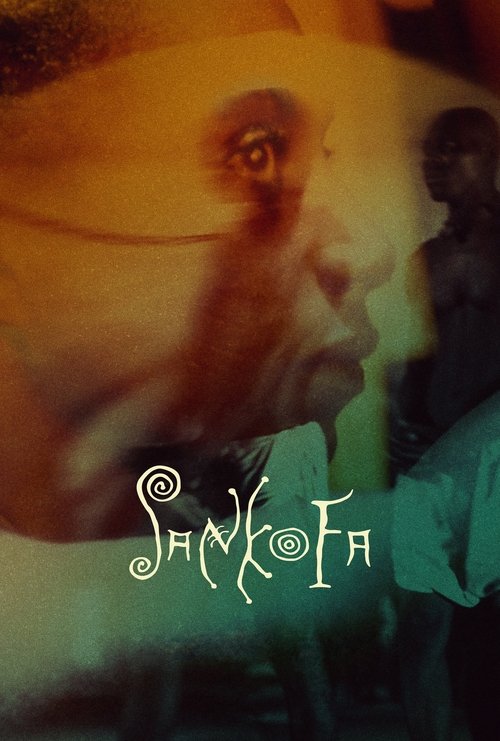
Both use the documentary impulse—witness, don't look away—but Sankofa forces you to see labour not as poetic abstraction but as violence. It's Drifters' formal legacy weaponised toward truth-telling about race and history.
Haile Gerima's film follows a Black model transported into the history of slavery through a West African beach. It's a documentary's insistence on showing labour and trauma, but remade as ancestor-haunted fiction. Absolutely necessary.
But It's long, painful, and deliberately confrontational. It doesn't comfort or entertain. It interrogates the viewer's complicity.
People
Directing
- John GriersonDirector
Production
- John TaylorProduction Assistant