
Film
Schramm
- Horror
- Serial killer
- Very dark
Jörg Buttgereit's 65-minute descent into the fractured mind of a serial killer. Shot on video with deliberate ugliness, *Schramm* observes its protagonist without judgment or distance, letting us inhabit his delusion and disgust. Not a thriller; a clinical, unflinching study of how monstrosity emerges from loneliness. For viewers willing to sit in genuine discomfort.
Should you watch it?
Watch it if you want a grim, unblinking study of a killer's ordinary routine, the kind of cold, observational horror that refuses to explain itself or look away from the damage.
Skip it if you want relief or dark wit in your horror; this is a bleak, airless hour of sordid cruelty that offers no release and lingers on the victims' degradation.
What it asks of you: Under seventy minutes, it moves slowly and deliberately, with long stretches of plain, watchful stillness; you are asked to sit with its unease rather than be carried past it.
Not sure? Find tonight's pick in a minute.
If you liked this
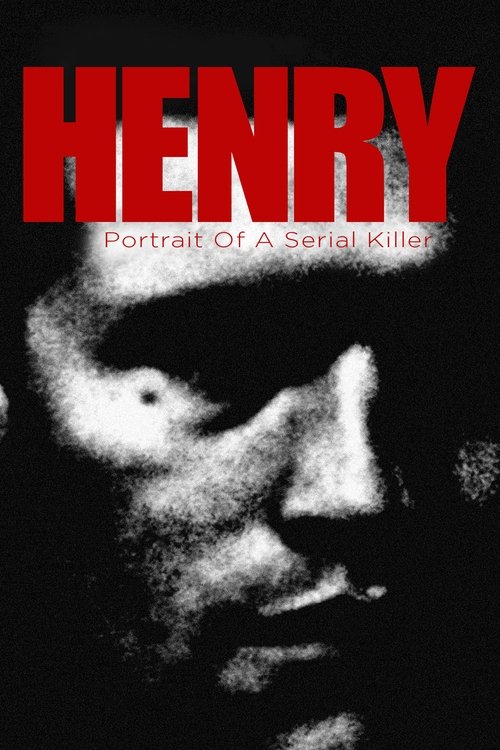
Henry: Portrait of a Serial Killer1986
John McNaughton's ur-text of the genre: handheld, intimate, and utterly devoid of glamour. Like *Schramm*, it refuses to make killing comprehensible or entertaining, trapping you in the killer's mundane reality instead.
But The video quality is deliberately rough and the pacing glacial. There are no dramatic set pieces, just waiting and dread. It tests patience as a deliberate artistic choice.
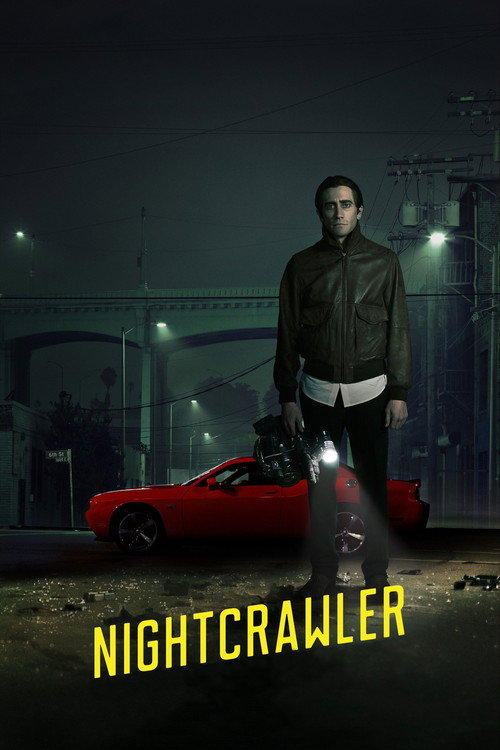
Nightcrawler2014
Jake Gyllenhaal as a sociopath documenting LA's underbelly—same obsession with the camera as witness, same slow revelation of rottenness beneath normalcy. Beautifully composed where *Schramm* is ugly, but spiritually adjacent.
But It's sleeker and more conventionally structured than *Schramm*, which some will find less transgressive. The moral architecture is also more legible, which dilutes the vertigo.
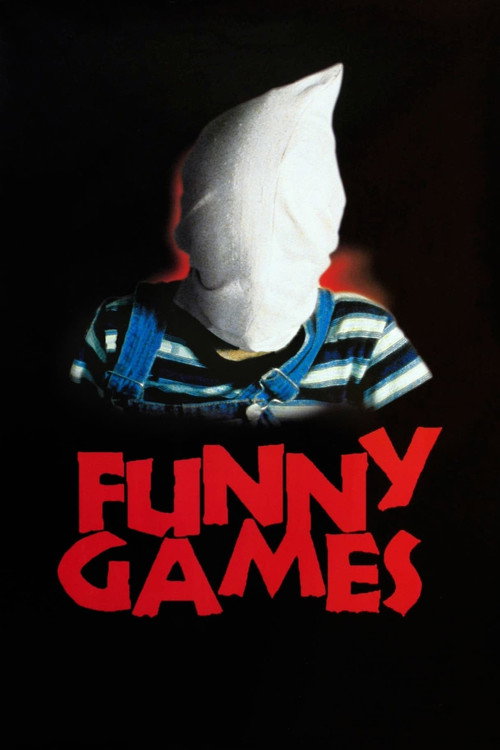
Funny Games1997
Michael Haneke's home-invasion film operates in the same space of aesthetic provocation: Why are we watching this? What does it say about us? Both films weaponize the medium against viewer complicity.
But It's a formal exercise dressed as torture porn. Some viewers feel manipulated rather than challenged. The Austrian arthouse tone may feel insufferably precious if you're not in the mood.
Not sure tonight? Get a pick in a minute, starting from Schramm
The wildcard
Something you would not have found on your own.
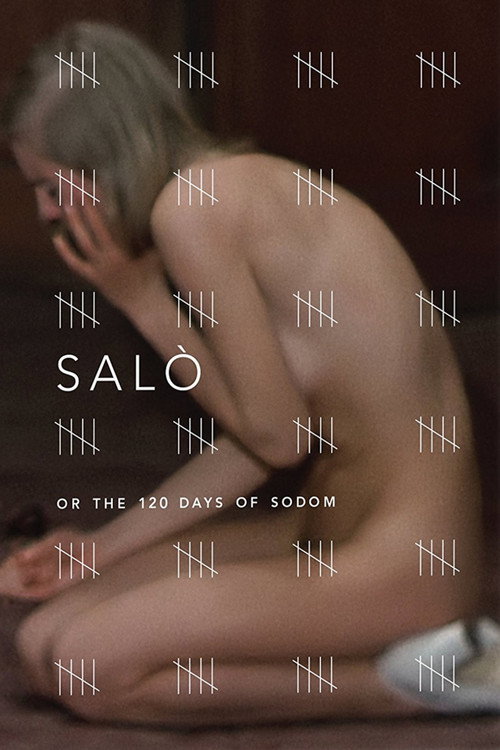
Salò, or the 120 Days of Sodom1976
Both are European art films that weaponize transgression as artistic method. Neither asks for forgiveness or entertainment value. Both treat cruelty as a subject worthy of unflinching cinema.
Pasolini's final film as formal provocation: obscene, baroque, utterly repellent, yet undeniably a work of artistic seriousness. Both films use taboo content to ask what cinema should be allowed to show and why we watch it.
But It's extreme in every direction—length, content, pacing. Genuinely difficult to sit through. Many will conclude the taboo-breaking is more important to the film than the statement it makes.
More like this (7)
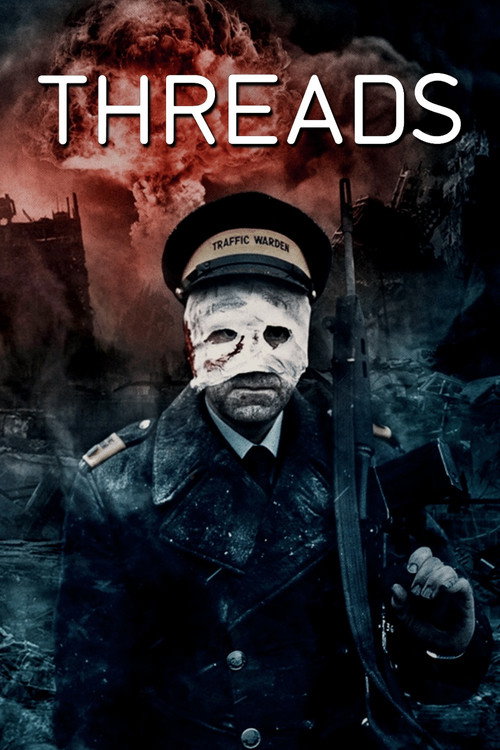
Threads1984
A British nuclear-war nightmare that shares *Schramm*'s refusal to soften its subject matter. Bleakly shot on video, it documents collective trauma the way *Schramm* documents individual dissolution.
But Depressingly bleak and occasionally TV-movie awkward in execution. The pacing drags intentionally, and there are no characters to root for. Not an escape.
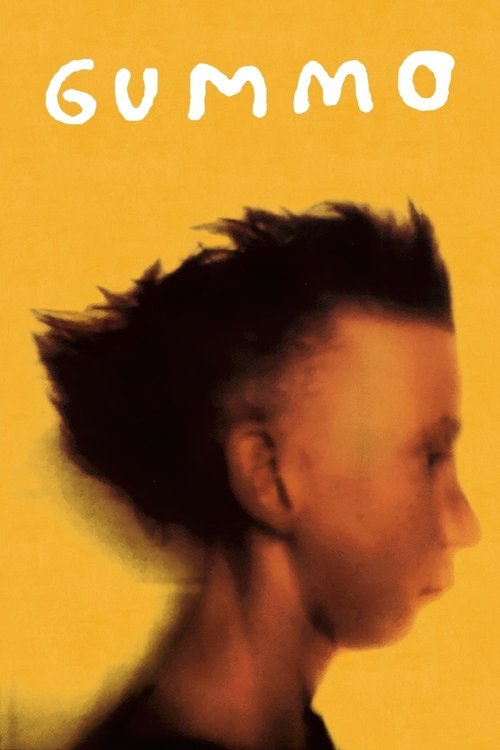
Gummo1997
Harmony Korine's post-tornado documentary-fiction hybrid observes American strangeness and decay with the same patient, non-judgmental camera. Both films find horror in the quotidian rather than the extraordinary.
But It's artfully incoherent and structurally hostile to narrative. Many will find it self-consciously difficult rather than genuinely challenging. The indie-art-film mannerisms can grate.
Come and See1985
Elem Klimov's Soviet war film tracks the psychological destruction of a child through relentless, unflinching observation. Like *Schramm*, it uses cinema as a tool for empathic violation—you cannot look away without guilt.
But It's longer, slower, and even more harrowing than *Schramm*. Designed to traumatize. Some will reasonably decide that's not entertainment they want, and they're not wrong.

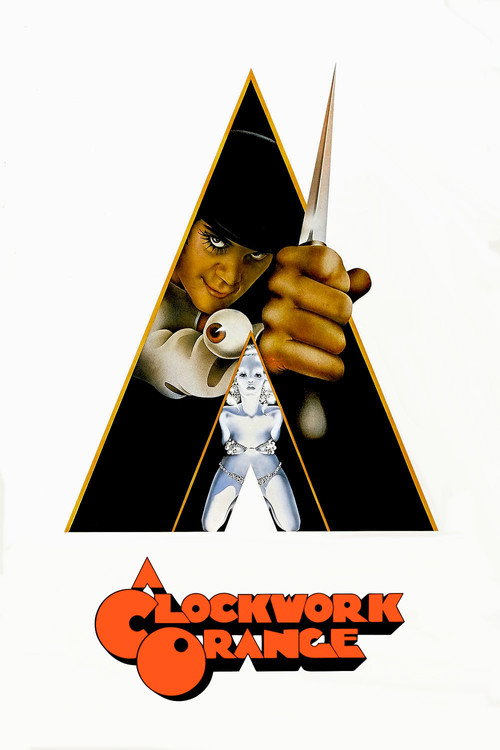
A Clockwork Orange1971
Kubrick's formal mastery over dehumanization and moral ambiguity. Both films refuse to condemn their subjects cleanly, making the viewer complicit in attention itself.
But It's been discussed to death and its shock value has dated. The style now reads as mannered. And it's slicker than *Schramm*, which softens its own transgression.
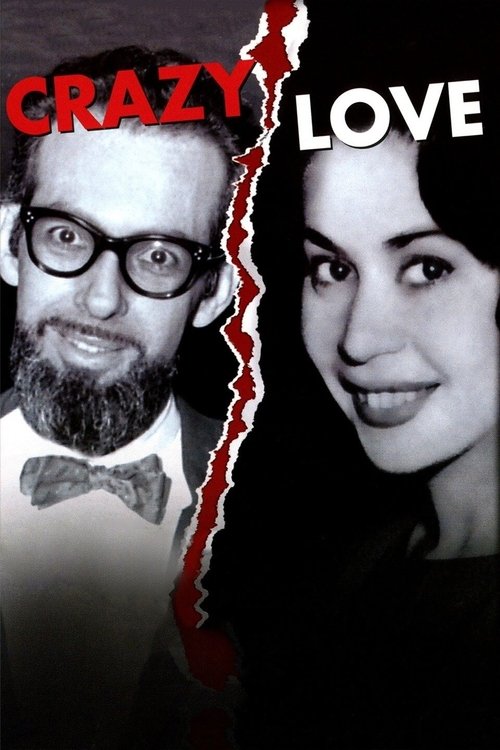
Crazy Love2007
A documentary about a real case of obsession and violence that has *Schramm*'s quality of making the inexplicable seem ordinary. The banality of monstrosity through interviews and archival material.
But It's less formally innovative than *Schramm* and the real-crime format can feel exploitative. Some will feel it trivializes genuine suffering by treating it as entertainment.
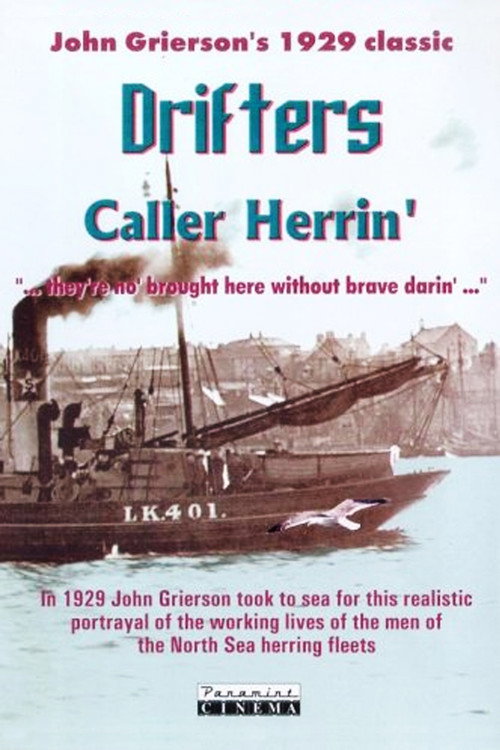
Drifters1929
Both films locate aesthetic and human truth in the overlooked and unglamorous. Both trust the camera to reveal character through environment and gesture rather than exposition. Both are formally radical for their era.
John Grierson's pioneering documentary about Scottish fishermen—a visual poem about labor and dignity in grimy reality. Like *Schramm* observed through a completely opposite lens: beauty found in bleakness, not horror. Same video-verite impulse, 60 years earlier.
But It's a silent documentary from 1929. No narrative, minimal dialogue, purely visual observation. Requires active viewing. Some will find it boring rather than meditative.
Possession1981
Both films reject psychological realism as a framework for depicting damaged minds. Both use formal extremism—ugliness, repetition, refusal of narrative comfort—to make interior dissolution visible. Both are Berlin (Schramm) / Berlin & other cities (Possession) disintegration narratives.
Andrzej Żuławski's fractured psychological drama disguised as horror. Isabelle Adjani and Sam Neill undergo complete emotional and physical dissolution on-camera—as psychologically raw as *Schramm*, but through art-film abstraction and performance rather than realist observation.
But It's nearly 2.5 hours of escalating hysteria and incoherence. Not a plot you can follow cleanly. The 80s horror and art-film extremism will feel arch and overripe to some.

People
Cast
- Florian Koerner von GustorfLothar Schramm
 Monika M.Marianne
- Micha BrendelBeliever
- Carolina HarnischBeliever
 Xaver SchwarzenbergerOld Man 1
- Gerd HorvathOld Man 2
 Michael BrynntrupJesus
- Franz RodenkirchenDentist
- Anne PrestingDentist
- Eddi ZachariasLover
- Michael RomahnSuicide
- Volker HauptvogelWaiter
Directing
- Franz RodenkirchenAssistant Director
- Jörg ButtgereitDirector
Writing
- Franz RodenkirchenIdea
- Jörg ButtgereitIdea
- Franz RodenkirchenScreenplay
- Jörg ButtgereitScreenplay
- Franz RodenkirchenStory
- Jörg ButtgereitStory
- Franz RodenkirchenWriter
- Jörg ButtgereitWriter
Production
- Manfred O. JelinskiProducer
- Jörg ButtgereitProduction Manager
- Clemens SchwenderUnit Production Manager
- Pia LöfflerUnit Production Manager