
Film
The Hour of the Furnaces
A ferociously ambitious three-part essay on imperialism, colonialism, and revolution in Latin America, using Argentina as its case study. Shot partly in secret, partly in exile, it's propaganda as rigorous argument—four hours of archive footage, stills, text, and narration building toward a call to armed resistance. Essential political cinema, and difficult in every sense.
Should you watch it?
Watch it if you want a sprawling political essay that argues its case openly, mixing archive footage of revolutionary leaders with blunt narration, and you are willing to be provoked rather than kept at a comfortable distance.
Skip it if you want detached history or a film that stays out of the argument, since this one is openly partisan, heavy with statistics, and runs over four hours.
What it asks of you: Three parts totalling just over four hours, paced like an argument that builds rather than a story that unfolds, so it asks for a full evening and steady attention.
Not sure? Find tonight's pick in a minute.
If you liked this
The Battle of Algiers1966
Gillo Pontecorvo's masterpiece about anti-colonial uprising uses similar formal techniques—newsreel-like realism, political urgency, a documentary rhythm—to dramatize revolution. Required viewing for understanding how cinema became a weapon.
But It's a film about urban terrorism that doesn't condemn it, which unsettles viewers regardless of politics. Some scenes are viscerally brutal.

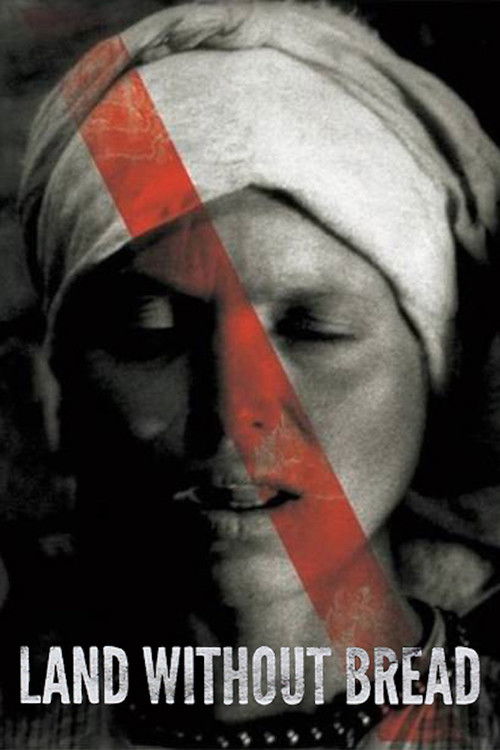
Land Without Bread1933
Buñuel's essay-documentary exposes rural poverty in Spain with surrealist technique and savage irony. It shares the conviction that cinema must provoke outrage and that aesthetic innovation serves political truth.
But It's only 30 minutes but feels like an accusation. The poverty it documents is genuinely harrowing, and Buñuel offers no comfort.
Come and See1985
Elem Klimov's film about a Soviet boy conscripted into WWII shares The Hour's conviction that historical violence demands witnessing without aesthetic mercy. It's cinema as moral testimony, not entertainment.
But It's one of the most devastating films ever made. The violence is graphic and the film offers no catharsis. Some viewers find it unwatchable.

Not sure tonight? Get a pick in a minute, starting from The Hour of the Furnaces
The wildcard
Something you would not have found on your own.
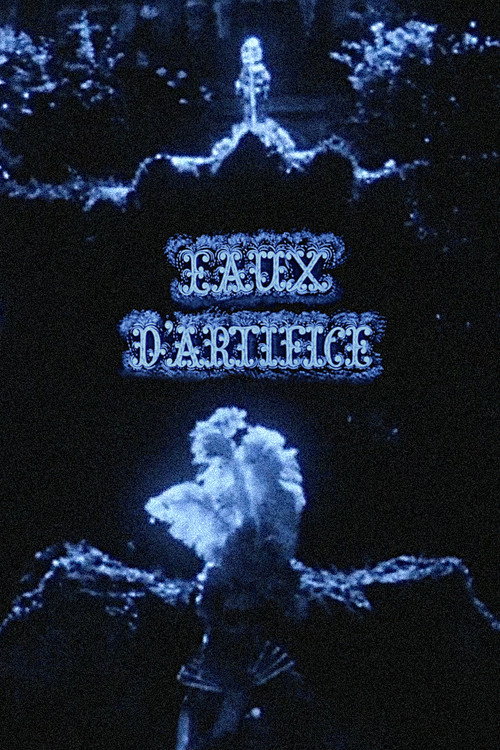
Eaux d'Artifice1953
Both were made by filmmakers who believed cinema itself—its rhythm, its abstraction, its refusal of conventional meaning—was inherently revolutionary. Different weapons, same war.
Kenneth Anger's 18-minute experimental film of fountains and gardens is pure cinema—no dialogue, no narrative, hypnotic abstraction. It shares The Hour's conviction that cinema has revolutionary potential, but achieves it through aesthetic intoxication rather than argument.
But It's avant-garde formalism with no political content you can name. If you want explicit ideology rather than cinema that enacts resistance through form, it will seem remote or decorative.
More like this (4)
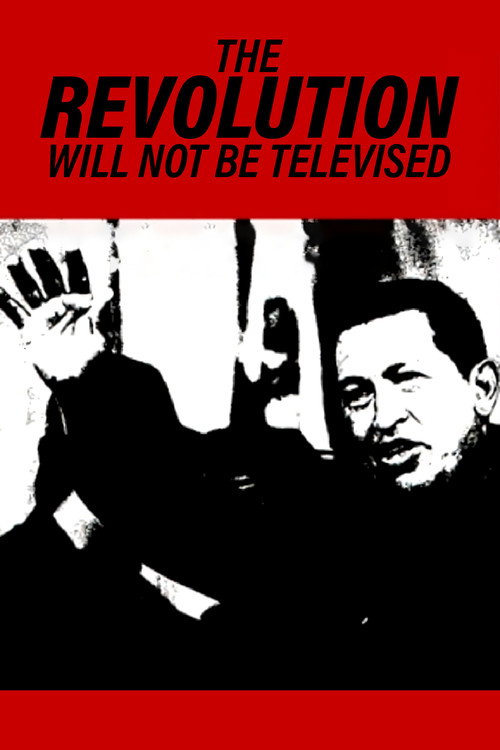
The Revolution Will Not Be Televised2003
This doc about the attempted Venezuelan coup uses similar guerrilla techniques and political urgency, but in miniature. It shows how The Hour's DNA persists in activist cinema fifty years later.
But Heavy-handed at moments. The political certainty that felt urgent in The Hour can read as dated when the cause is more recent and contested.
Sans Soleil1983
Chris Marker's essay-film meditates on history, memory, and revolution across Guinea-Bissau, Japan, and Iceland. Like The Hour, it refuses narrative comfort and trusts the viewer to construct meaning from juxtaposition.
But It's deliberately fragmented and often cryptic. There's no plot to follow, only associations and ideas. Requires active, patient watching.

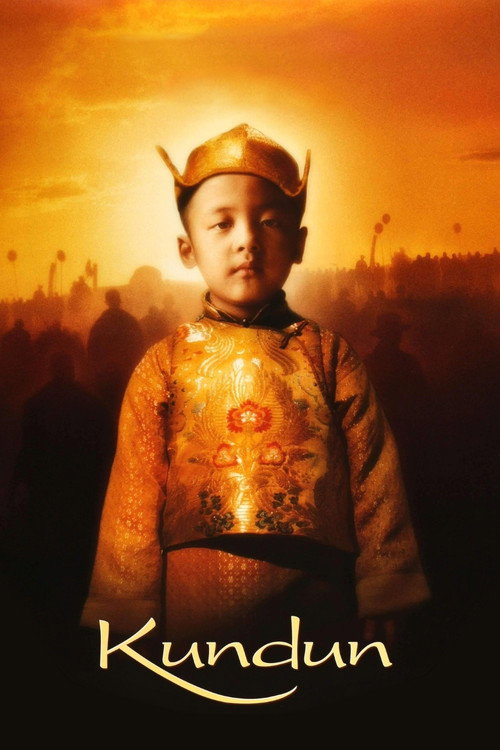
Kundun1997
Scorsese's film about the Dalai Lama and Tibet's occupation shares The Hour's conviction that political cinema need not be realist. Visually sumptuous but ideologically uncompromising, refusing easy Western sympathy.
But The pacing is meditative and the narrative sparse. Some find it remote. It's politically serious in ways that exclude sentimentality, which some viewers experience as coldness.
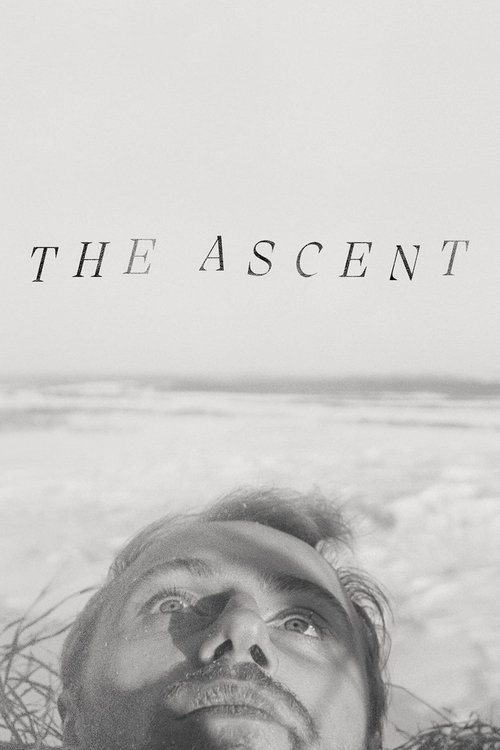
The Ascent1977
Both films trust cinema to convey historical trauma and political necessity without naturalism or comfort. Both believe the image—and silence—can do what argument cannot. Both refuse the viewer's ease.
Larisa Shepitko's film about two Soviet partisans awaiting execution during WWII is a chamber piece about faith, sacrifice, and political conviction. Formally austere, spiritually devastating. Political cinema that works through metaphor and image rather than analysis.
But It's slow, abstract, and theologically preoccupied. The politics are never stated, only embodied. If you need explicit argument, you'll find it opaque.
People
Cast
- María de la PazNarrator
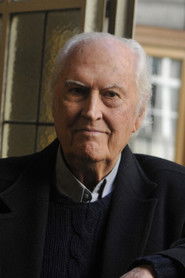 Fernando E. SolanasNarrator
 Edgardo SuárezNarrator
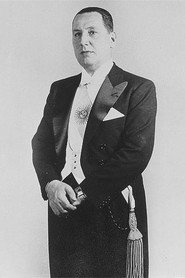 Juan Domingo PerónSelf (archive footage)
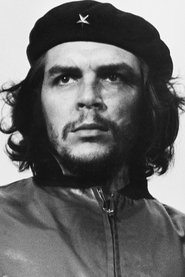 Che GuevaraSelf (archive footage)
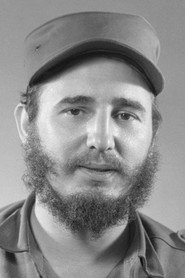 Fidel CastroSelf (archive footage)
Directing
- Fernando E. SolanasDirector
- Octavio GetinoDirector
Writing
- Fernando E. SolanasWriter
- Octavio GetinoWriter
Production
- Edgardo PalleroProducer
- Fernando E. SolanasProducer
Recommended by
Tent of Miracles, The Revolution Will Not Be Televised, Nicaragua: No Pasaran, Los de abajo