
Film
Summer Holiday
Other titles called Summer Holiday: the 1963 film.
A 1948 MGM musical set in small-town Connecticut at 1900, following a dreamy teenage boy navigating first love, family chaos, and his half-baked idealism. It's cheerful and earnest in the way only mid-century Hollywood musicals can be—vivid Technicolor, Mickey Rooney at peak enthusiasm, and numbers that stop the plot cold. For anyone who loves the tactile warmth of classic Hollywood or period musicals that don't wink at themselves.
If you liked this
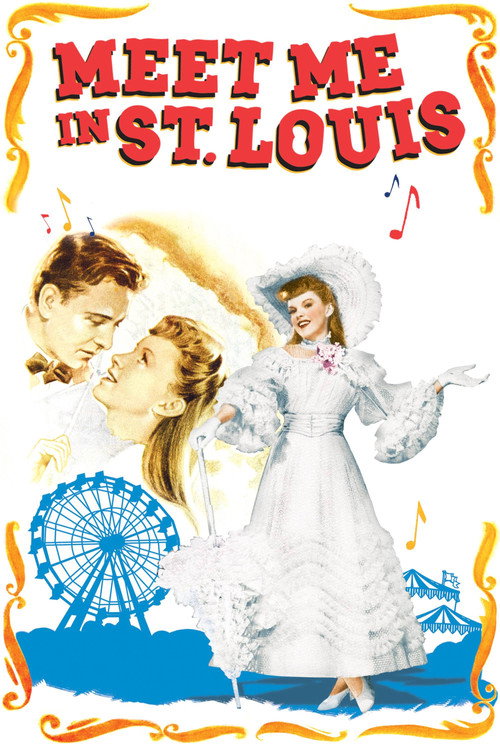
Meet Me in St. Louis1944
Judy Garland in another MGM Technicolor musical set in an idealized American past. Same DNA of family ensemble, period charm, and production design that makes the frame feel like stepping into memory. The "Trolley Song" has the same infectious energy as Summer Holiday's musical numbers.
But Slower paced than you might expect, and the romantic tension is gentler than modern musicals—if you need propulsive plot momentum, it meanders.
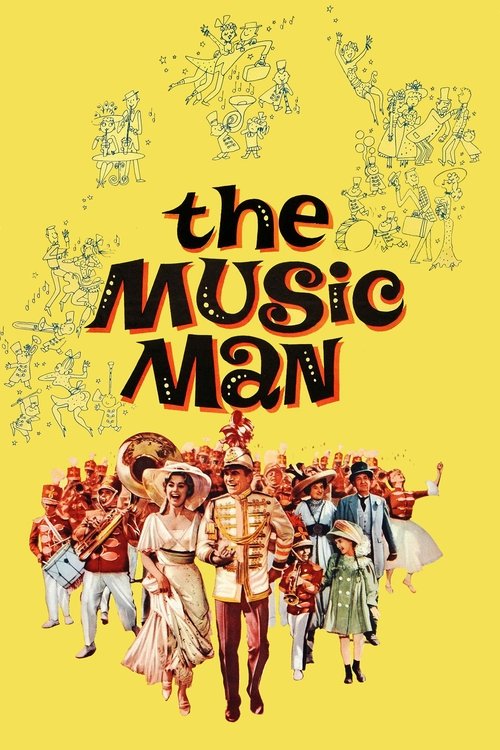
The Music Man1962
Robert Preston and Shirley Jones in a small-town American musical where charm and big orchestration matter more than realism. Same celebration of turn-of-the-century Americana, same trust in melody to carry mood, similar period-piece coziness that feels nostalgic even now.
But The gender politics are dated, and the pacing can feel theatrical rather than cinematic—some find the staginess awkward on screen.
Singin' in the Rain1952
Gene Kelly and Donald O'Connor deliver pure musical joy—inventive choreography, genuine humor, and that same MGM gloss and confidence. It proves the studio system could make musicals that feel spontaneous despite enormous artifice, just like Summer Holiday attempts.
But It's so famous it's almost intimidating to approach, and if you're resistant to the artifice of old musicals, this won't convert you.

Not sure tonight? Get a pick in a minute, starting from Summer Holiday
The wildcard
Something you would not have found on your own.
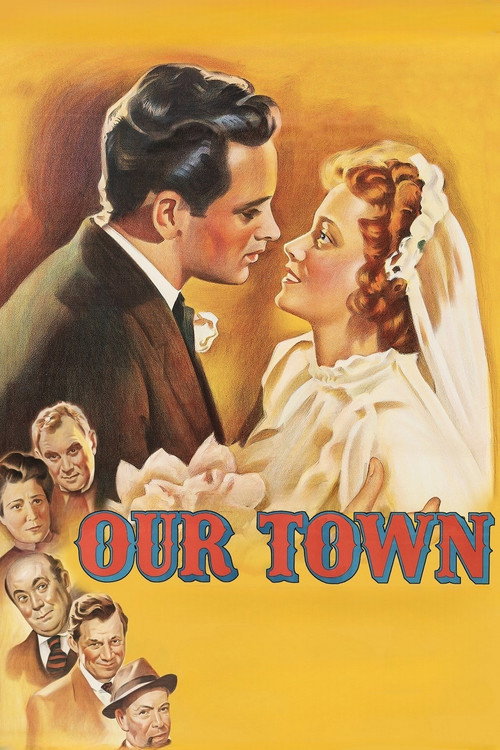
Our Town1940
Both capture small-town American life at 1900, but Our Town does it as quiet elegy while Summer Holiday does it as Technicolor celebration—same subject, opposite moods.
Thornton Wilder's play about small-town New Hampshire life, adapted with Emily's (Martha Scott) meeting with her future husband's mother. The connection: both look at turn-of-the-century American small towns with genuine tenderness, but Our Town is sober and elegiac where Summer Holiday is bright and musical—two utterly different registers describing the same nostalgia.
But It's deliberately anticlimactic and rejects sentiment even while evoking it. The Stage Manager's narration distances you deliberately, which can feel cold compared to Summer Holiday's warmth.
More like this (8)
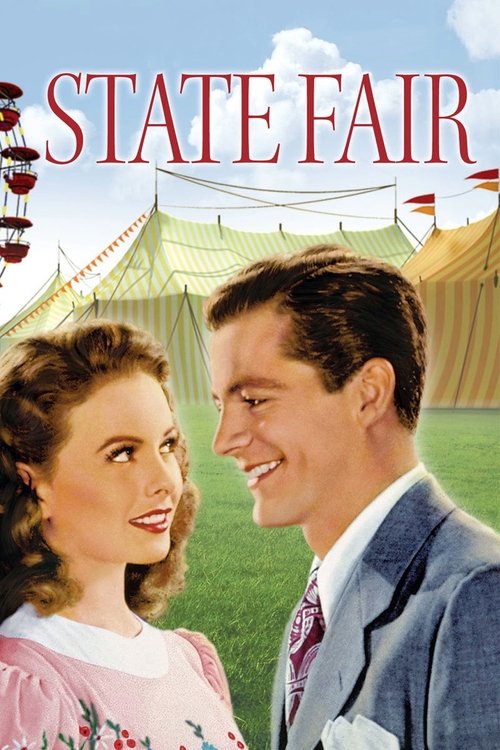
State Fair1945
Another Americana musical about a midwest family's adventures, with Rodgers and Hammerstein songs and the same gauzy Technicolor warmth. The blend of young romance, family dynamics, and wholesome settings mirrors Summer Holiday's landscape.
But The sentimentality is very thick, and the plot mechanics feel creaky by modern standards—plot takes a backseat to mood and spectacle.
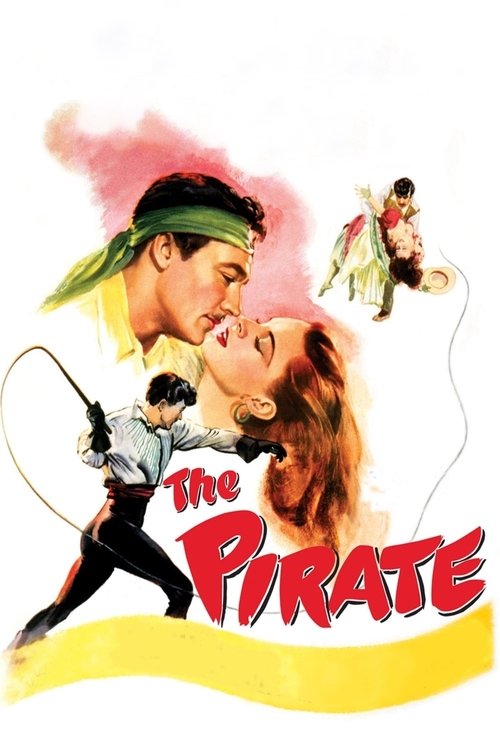
The Pirate1948
Released the same year as Summer Holiday, this Judy Garland-Gene Kelly musical has brighter ambition and snappier direction. It shows what MGM's musical machine could do at full throttle, with wit and theatrical flair alongside the production values.
But It's more stylized and arch than Summer Holiday, so if you prefer sincerity over theatricality, the tone might feel too mannered.
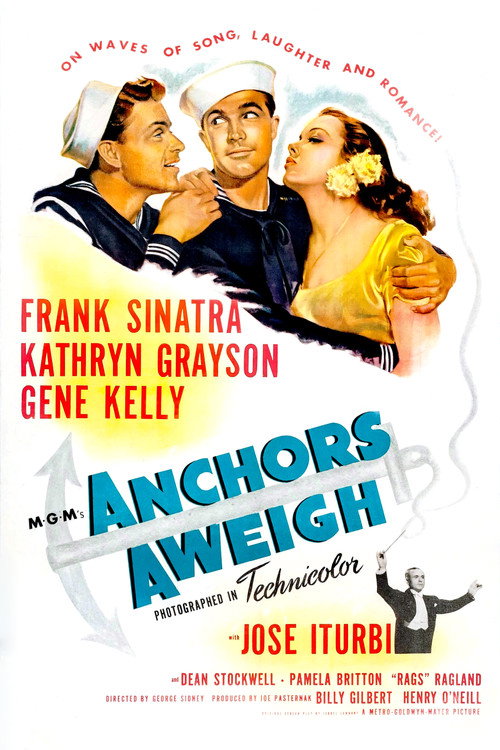
Anchors Aweigh1945
Frank Sinatra and Gene Kelly in a musical that balances plot and spectacle more dynamically than most. Shows how the studio could mix humor, romance, and extended musical set pieces with enough narrative momentum to keep engagement high.
But The story is thin even by musical standards, and some sequences feel padded—the spectacle occasionally overwhelms coherence.
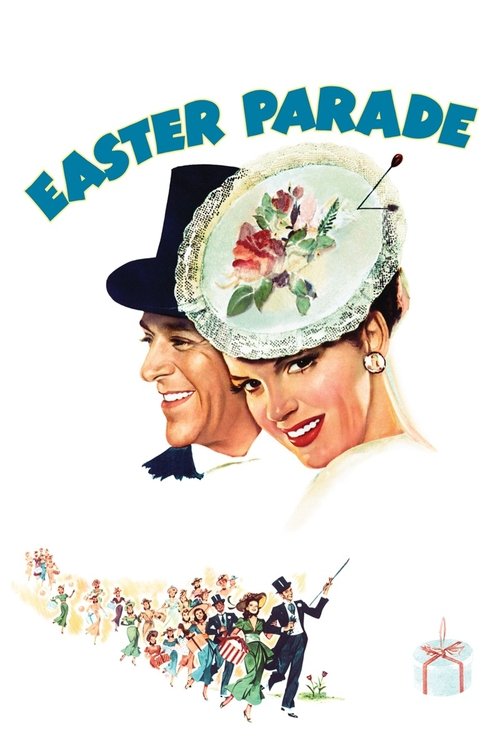
Easter Parade1948
Fred Astaire and Judy Garland in another 1948 MGM musical with Irving Berlin songs and period charm. Simple setup, straightforward execution, and the kind of dancing and singing that Summer Holiday reaches for but can't quite match.
But The romantic setup and resolution are predictable, and if tap dancing doesn't move you, the centerpiece sequences feel like intermission.
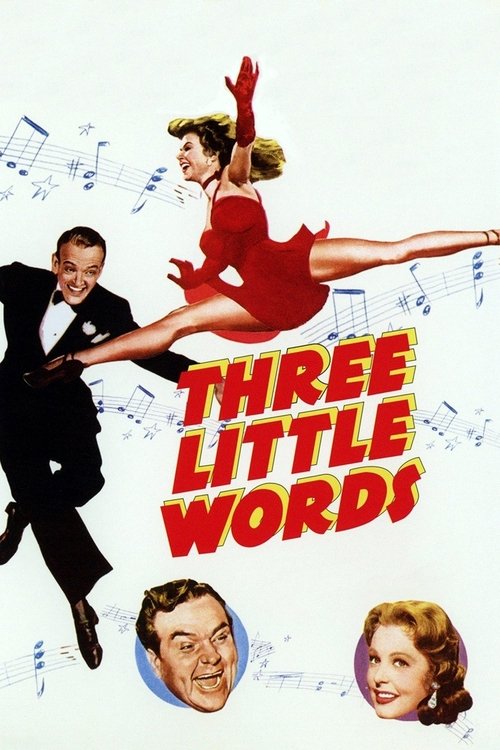
Three Little Words1950
Fred Astaire and Red Skelton in a backstage musical that's slightly looser and funnier than Summer Holiday, with better dance numbers and a livelier pace. Still in that MGM Technicolor universe but with more comedic snap.
But The songwriting biography framework is thin, and the film trades sincerity for one-liners—some prefer the earnestness of older musicals.
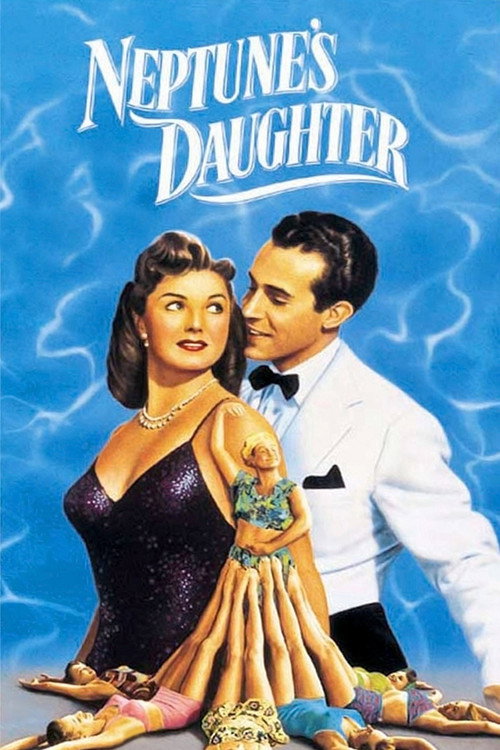
Neptune's Daughter1949
Esther Williams and Red Skelton in a breezy, lightweight MGM musical with aquatic spectacle and comedy that moves. It's not ambitious like Summer Holiday, but it understands charm and keeps momentum brisk.
But It's utterly inconsequential and fluffy—if you want musicals to say something, this is pure entertainment with no subtext whatsoever.
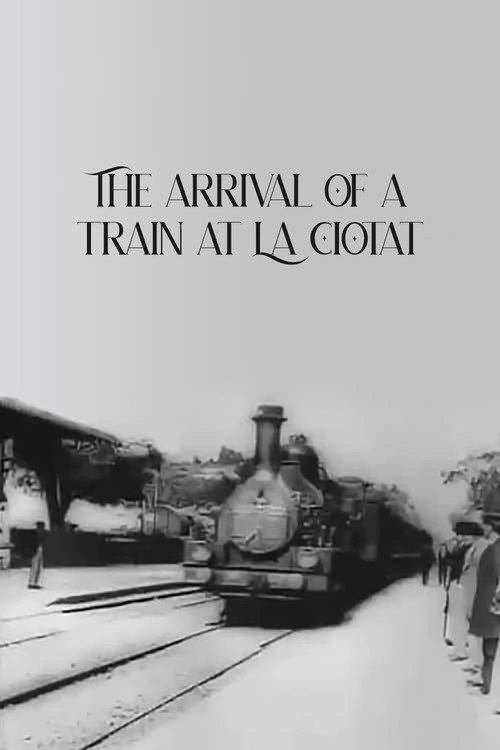
The Arrival of a Train at La Ciotat1896
Summer Holiday romanticizes 1900 America in Technicolor artifice; this is 1900 itself, unvarnished and unconcerned with beauty. Both let you inhabit the era, but one invents it and one documents it.
The Lumière brothers' 50-second film is cinema's foundation stone. It captures turn-of-the-century life in 96 seconds with more authenticity than any studio recreation: real clothes, real movement, real time. Summer Holiday reaches back to this era; watching this is watching the actual era watching itself.
But It's not entertainment—there's no story, no drama, no music. You're watching strangers arrive at a train station. If you need narrative or spectacle, this is difficult.
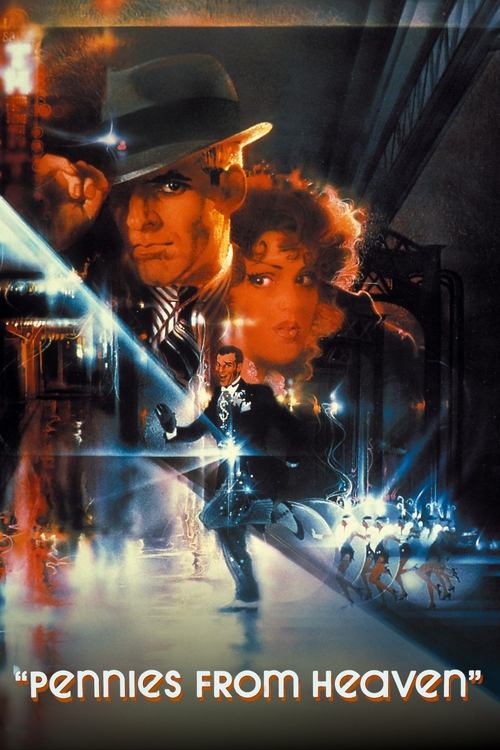
Pennies from Heaven1981
Both use musicals set in American economic struggle (though different eras), but Summer Holiday trusts the fantasy as real joy while Pennies from Heaven treats it as psychological necessity masking despair.
Steve Martin and Bernadette Peters in Dennis Potter's dark reinvention of 1930s musical fantasy. Like Summer Holiday, it uses songs and fantasy sequences to escape hardship, but Potter shows the mechanism as a desperate coping mechanism, not innocent charm. A radical rethinking of what musical escapism means.
But It's bleak and sexual in ways Summer Holiday would never touch—Depression-era poverty becomes grinding and real. The tonal whiplash between fantasy and reality unsettles some viewers deeply.
People
Cast
 Mickey RooneyRichard Miller
 Gloria DeHavenMuriel McComber
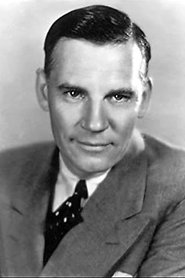 Walter HustonMr. Nat Miller
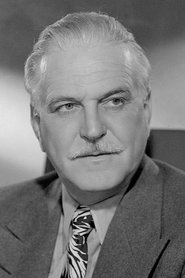 Frank MorganUncle Sid
 Jackie 'Butch' JenkinsTommy Miller
 Marilyn MaxwellBelle
 Agnes MooreheadCousin Lily
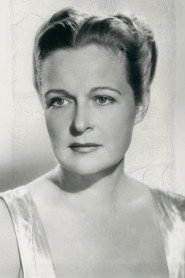 Selena RoyleMrs. Essie Miller
 Michael KirbyArthur Miller
- Shirley JohnsMildred Miller
 Hal HackettWint
 Anne FrancisElsie Rand
Directing
- Wallace Worsley Jr.Assistant Director
- Rouben MamoulianDirector
Writing
- Albert HackettScreenplay
- Frances GoodrichScreenplay
- Eugene O'NeillTheatre Play
Production
- Arthur FreedProducer
- Hugh BoswellProduction Manager