
Film
Hail, Caesar!
- Comedy
- Light-hearted
The Coen Brothers love the chaos of 1950s Hollywood. Hail, Caesar! is a sprawling, riffing comedy about a studio fixer wrangling stars, scripts, and scandals across one frantic day. It's less a mystery to solve than a love letter to the absurdity of the studio system—sharp, beautifully made, and genuinely funny if you're on its wavelength.
Should you watch it?
Watch it if you enjoy shaggy, deadpan comedies where the jokes sit inside a loving pastiche of old studio pictures, and you don't mind a plot that wanders off to admire the scenery.
Skip it if you need a tight mystery with a clear throughline, since the investigation here is loose and the film is happier showing off its sets and its scenes than building suspense.
What it asks of you: It asks you to settle into a rambling, episodic shape, where studio business stacks up like sketches and the plot doubles back; at under two hours it never rushes.
Not sure? Find tonight's pick in a minute.
If you liked this
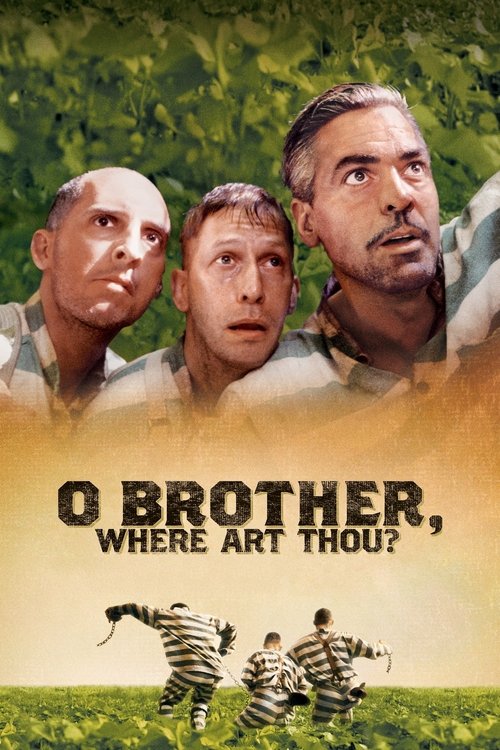
O Brother, Where Art Thou?2000
The Coens' other great studio-era comedy, stuffed with character actors, period detail, and the same affection for tall tales and con-artist energy. Same blend of screwball plotting and genuine warmth.
But It's episodic and meandering; if you want a tightly wound plot, this will frustrate you.
Singin' in the Rain1952
The Coen Brothers' obvious inspiration: a backstage musical about Hollywood's golden age where the real drama is offstage chaos. Gorgeous, funny, and genuinely moving in ways Hail, Caesar! gestures at.
But It's a 1950s musical. If that sounds like homework, nothing here will change your mind.

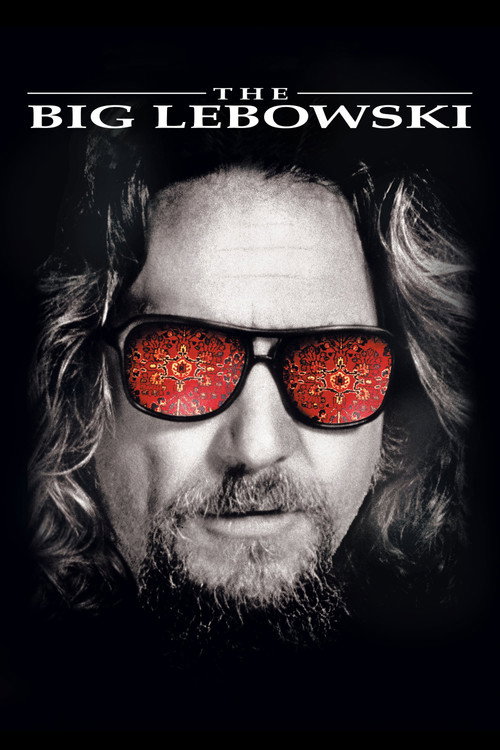
The Big Lebowski1998
The Coens at their most digressive and funny, following a hapless guy through LA as increasingly strange people drag him into their schemes. The same tone of chaos-as-plot and ensemble warmth.
But Some find it rambling and self-indulgent. If you need clarity and forward momentum, it'll feel like spinning wheels.
Not sure tonight? Get a pick in a minute, starting from Hail, Caesar!
The wildcard
Something you would not have found on your own.
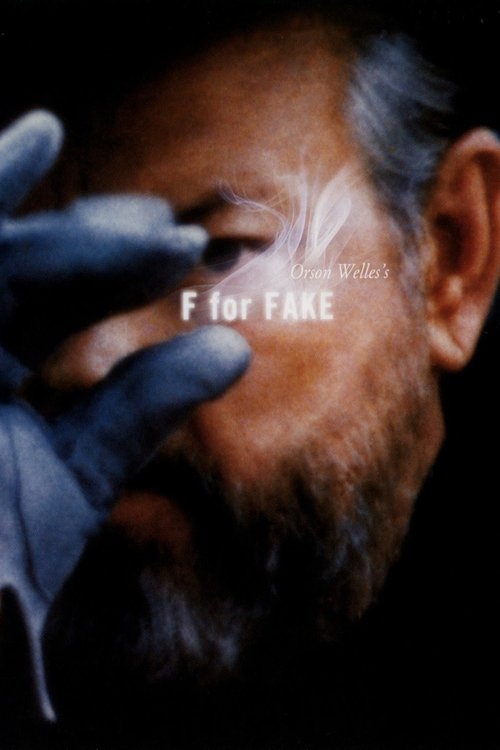
F for Fake1973
Both are love letters to performance and fakery; both understand that the machinery of making things is more interesting than the finished product.
Welles' final film: a personal essay about hoaxes, art, and authenticity disguised as a documentary-thriller. Like Hail, Caesar!, it's playfully obsessed with the blur between real and performed, and wildly entertaining on its own terms.
But It's essayistic and formally weird. You need to surrender to Welles' voice and rhythm; conventional narrative it is not.
More like this (8)
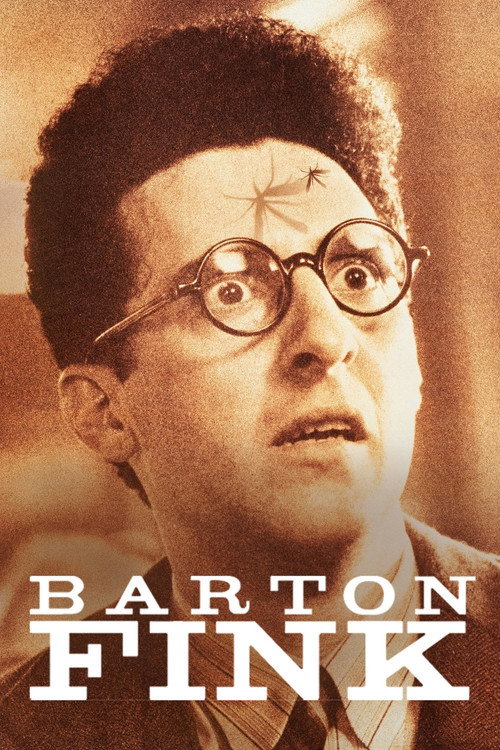
Barton Fink1991
A Coen film about a playwright navigating 1940s Hollywood. Darker and weirder than Hail, Caesar!, but with that same fascination with the gap between artistic ambition and studio machinery.
But It's genuinely unsettling and philosophically bleak. This one earns its darkness in ways that can exhaust you.
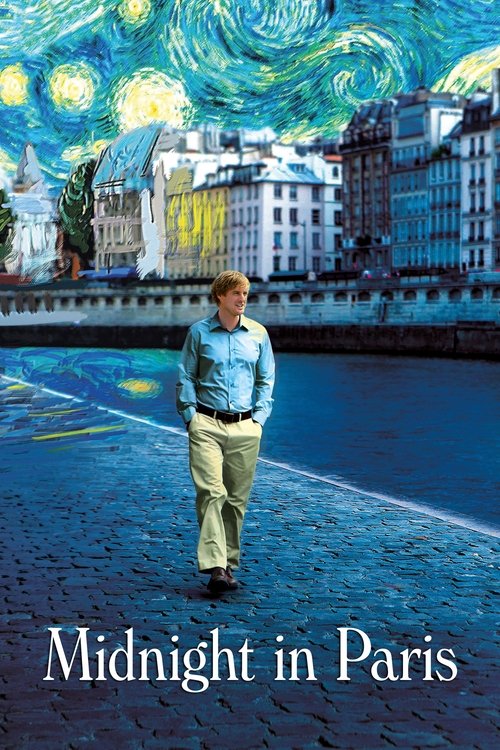
Midnight in Paris2011
Woody Allen's love letter to a golden era of creativity, with a cast of screen legends playing historical figures. Lighter than Hail, Caesar! but the same nostalgic affection for old Hollywood and Paris glamour.
But It's sentimental and sometimes precious. If you hate the sound of your own nostalgia validated, skip it.
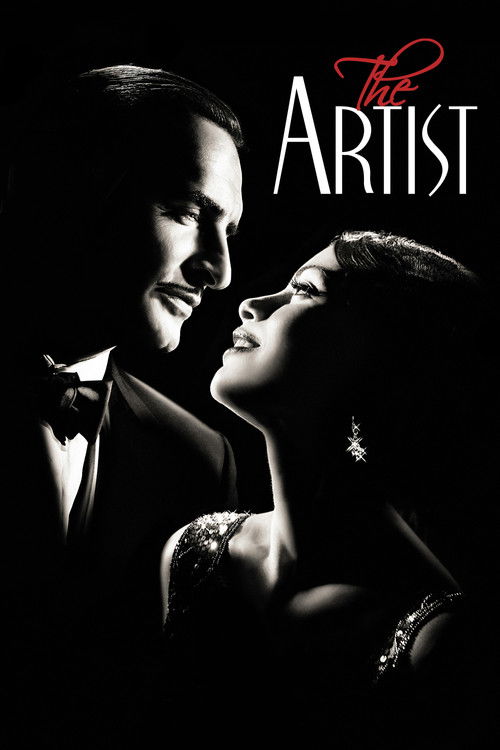
The Artist2011
A silent black-and-white film about silent film—a technical love letter to the 1920s transition to talkies. The Coens' sensibility, but without dialogue; pure cinema.
But It's quiet and deliberately artificial. If you need naturalism and normal pacing, this will feel like watching a museum.
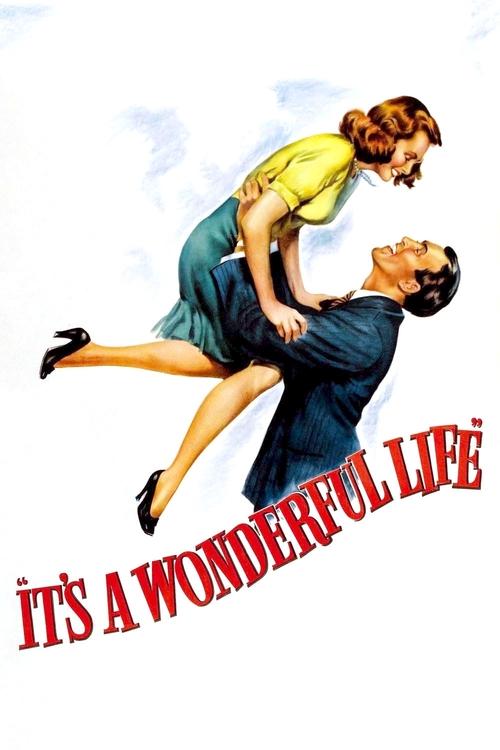
It's a Wonderful Life1946
Capra's masterpiece about one man's crisis and salvation in small-town America. Hail, Caesar! is riffing on this DNA—screwball idealism meeting genuine emotional stakes.
But It's sentimental. The ending works on sentiment, not logic, and that requires you to meet it halfway.
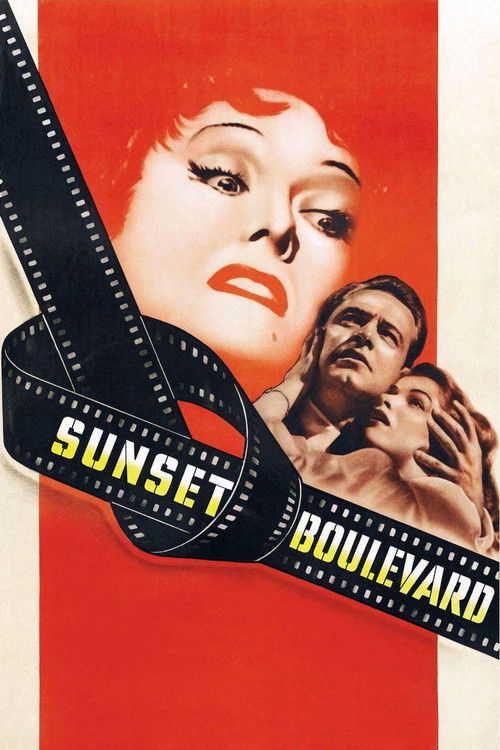
Sunset Boulevard1950
Billy Wilder's savage, gorgeous dissection of fading stardom and studio corruption. Like Hail, Caesar!, but darker—it's what happens when the studio system eats people alive.
But It's cynical in ways that can feel bleak. There's no warmth here, only brilliant misanthropy.
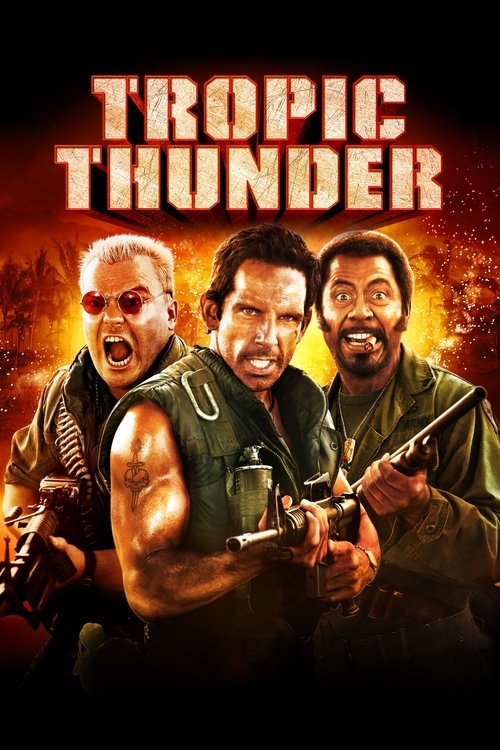
Tropic Thunder2008
An ensemble comedy about making a bad war film, full of actors playing exaggerated versions of themselves. That same affectionate mockery of the entertainment machine, with a similar cast energy.
But It's broader and louder than Hail, Caesar!, and the satire is less elegant. Some of the comedy lands as cruel rather than clever.
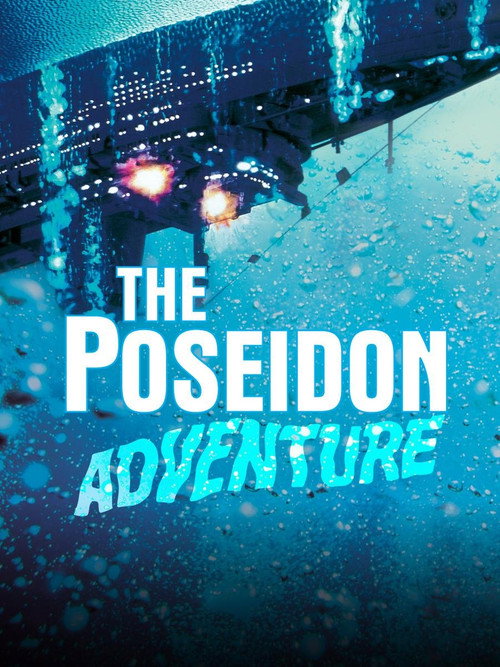
The Poseidon Adventure1972
Same DNA: a large cast of character actors, each given a moment to shine, solving problems through screwball logic and earnestness in an absurd scenario.
The disaster film at its peak: an all-star cast (Gene Hackman, Ernest Borgnine, Shelley Winters) stuck in an upside-down ship, bickering and heroic. Ensemble chaos that's warm despite the catastrophe.
But It's campy and dated in ways that can read as unintentionally funny. If you don't surrender to the 1970s, it'll bounce off you.
Mulholland Drive2001
Both use Hollywood itself as the setting and subject; both understand the studio system as a character. But where Hail, Caesar! is a warm comedy, Mulholland Drive is a tragedy that eats you alive.
David Lynch's fractured, nightmarish meditation on Hollywood ambition, identity, and the dark side of the dream factory. Like Hail, Caesar! it's about the machinery of moviemaking, but this time it's a fever dream about what lies beneath.
But It's surreal, emotionally devastating, and deliberately confusing. This is not a film that resolves itself; it's a film that haunts you for weeks.

People
Cast
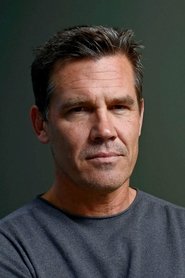 Josh BrolinEddie Mannix
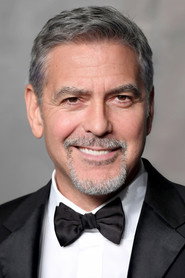 George ClooneyBaird Whitlock
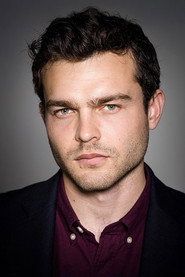 Alden EhrenreichHobie Doyle
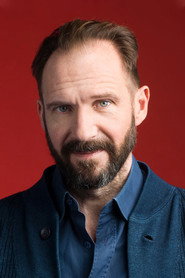 Ralph FiennesLaurence Laurentz
 Scarlett JohanssonDeeAnna Moran
 Tilda SwintonThora Thacker / Thessaly Thacker
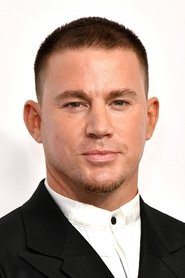 Channing TatumBurt Gurney
 Frances McDormandC. C. Calhoun
 Jonah HillJoe Silverman
 Veronica OsorioCarlotta Valdez
 Heather GoldenhershNatalie (Secretary)
 Alison PillMrs. Mannix
Directing
- Ethan CoenDirector
- Joel CoenDirector
- Betsy MagruderFirst Assistant Director
- Lyn Matsuda NortonScript Supervisor
- Bac DeLormeSecond Assistant Director
- Stephanie TullSecond Second Assistant Director
Writing
- Ethan CoenWriter
- Joel CoenWriter
Production
- Dann FinkADR Voice Casting
- Leslie ThorsonAssistant Location Manager
- S. Dylan KirklandAssistant Location Manager
- Elizabeth TysonAssistant Production Coordinator
- Catherine FarrellAssociate Producer
- Ellen ChenowethCasting
- Daniel CabezaCasting Assistant
- Robert GrafExecutive Producer
- Adam DeLisiExtras Casting
- Debbie DeLisiExtras Casting
- Jennifer SaladaFirst Assistant Accountant
- John PanzarellaLocation Manager
- John MontgomeryPayroll Accountant
- Trevanna PostPost Production Accountant
- Eric FellnerProducer
- Ethan CoenProducer
- Joel CoenProducer
- Tim BevanProducer
- Paul BelenardoProduction Accountant
- Rachael Lin GallaghanProduction Coordinator
- Eric K. YunProduction Secretary
- Karen Ruth GetchellUnit Production Manager
- Robert GrafUnit Production Manager
Recommended by
The Artist, The Big Lebowski, Who Framed Roger Rabbit, Wadd: The Life & Times of John C. Holmes, The United States vs. Billie Holiday, The Arrival of a Train at La Ciotat, Bad Blood, Britney vs. Spears, Live by Night