
Film
The United States vs. Billie Holiday
Lee Daniels' urgent drama traces how the U.S. government criminalized Billie Holiday to silence her most dangerous song. Andra Day delivers a performance of raw vocal and emotional power, capturing Holiday's resilience against systemic racism disguised as drug enforcement. It's a film about art, freedom, and the price of speaking truth.
Should you watch it?
Watch it if you want a music biopic that treats a singer's art as evidence in a fight, and you're happy to sit with the injustice rather than be consoled by it.
Skip it if you want a warm, celebratory portrait of a star; the mood stays tense and bleak, and the performances are heavy with pressure rather than joy.
What it asks of you: Two hours and eleven minutes of measured pacing, with darkness that builds steadily and little relief, so settle in rather than dip in.
Not sure? Find tonight's pick in a minute.
If you liked this
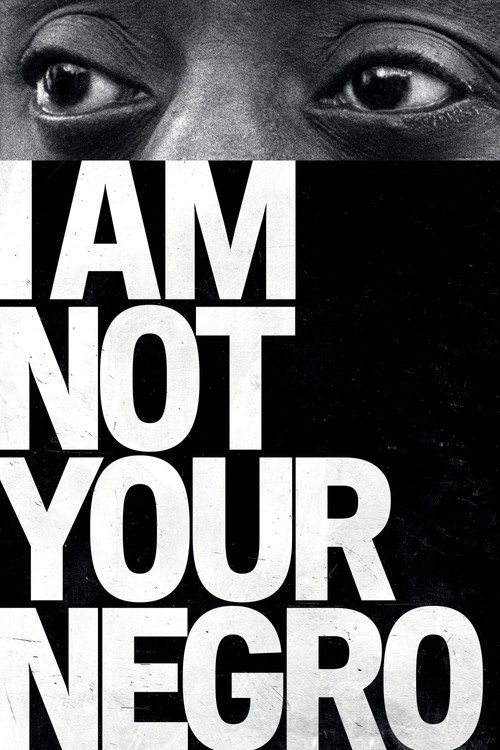
I Am Not Your Negro2017
A documentary essay that shares The United States vs. Billie Holiday's rage at American racism and uses archive footage, Baldwin's voice, and precise editing to indict a nation. Essential viewing on the same moral wavelength.
But It's a documentary, not a narrative, and demands active intellectual engagement rather than passive watching. The pacing is deliberately unhurried.
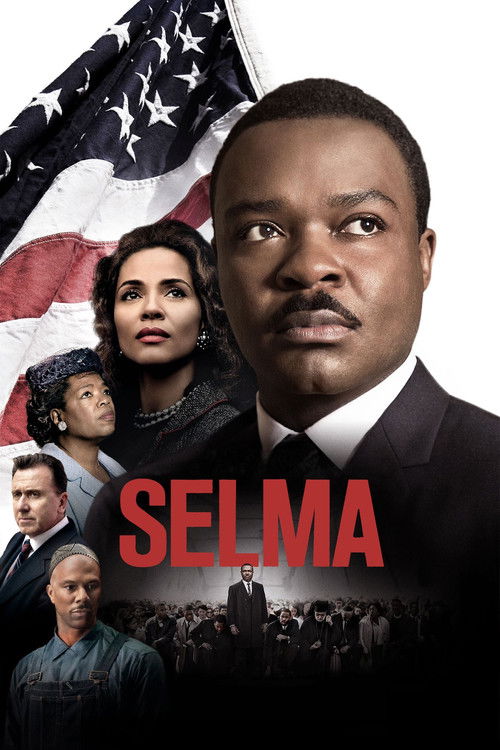
Selma2014
Another incandescent chronicle of Black resistance to state persecution. It has the same focus on a specific campaign to break a specific person, the same period authenticity, and David Oyelowo's performance carries comparable weight.
But The film is occasionally didactic, and some find its historical streamlining frustrating. It doesn't surprise you with where it goes.
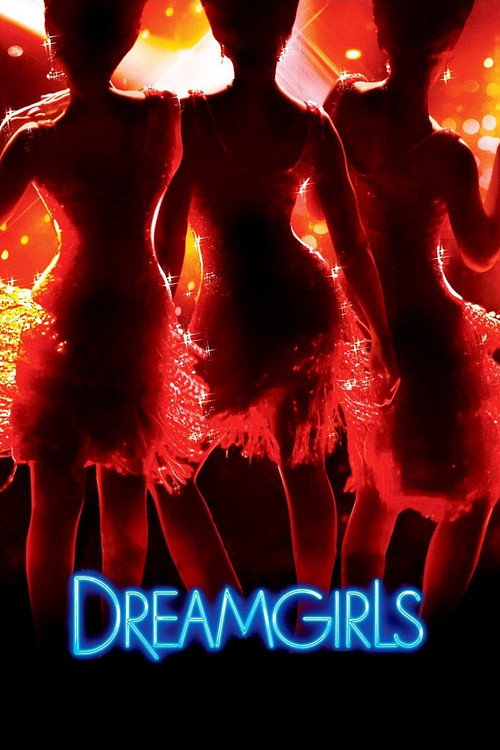
Dreamgirls2006
A musical drama about Black women navigating fame, exploitation, and self-determination in the entertainment industry. Jennifer Holliday's performance has the same incandescent defiance, and the music carries the emotional truth words can't touch.
But It's a stage adaptation, so it can feel theatrical and broad. The melodrama isn't everyone's register.
Not sure tonight? Get a pick in a minute, starting from The United States vs. Billie Holiday
The wildcard
Something you would not have found on your own.
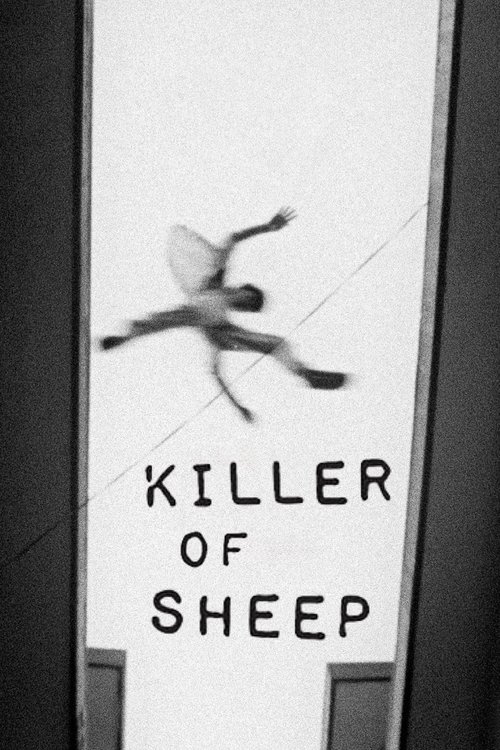
Killer of Sheep1978
Both films argue that the state's assault on Black life is structural and quotidian, not just criminal. Both find their subject's humanity most alive in art and presence, in refusing to disappear.
Charles Burnett's experimental portrait of a Black family surviving economic devastation in Watts, told through fragmentary scenes, music, and visual poetry. Like Billie Holiday, it finds beauty and dignity in systems designed to strip them away, but through pure cinema rather than narrative.
But It's formally challenging—minimal plot, no conventional arc, long static shots of ordinary life. Some viewers find it slow or incomplete, not understanding that the incompleteness is the point.
More like this (8)
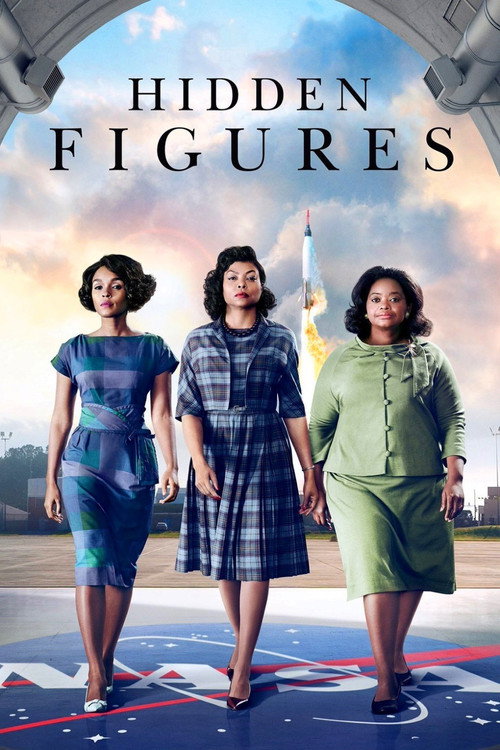
Hidden Figures2016
A true story about brilliant Black Americans fighting institutional racism to contribute to history. It shares the same DNA of systemic injustice meeting individual excellence, though it resolves with more hope.
But It's engineered to be inspirational and palatable. Some find its approach too polished for such serious material.
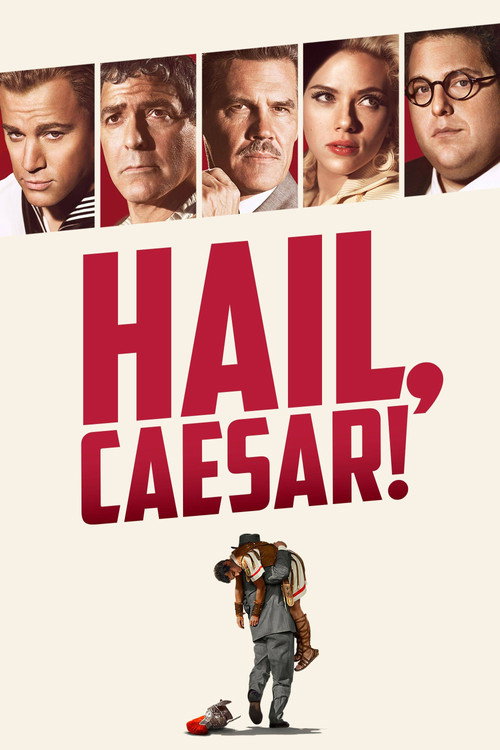
Hail, Caesar!2016
The Coen Brothers examine how power operates in Old Hollywood: who gets silenced, who gets protected, how systems crush individuals for profit. The tone is lighter, but the anatomy of control is identical.
But It's a comedy, and its satirical distance may feel trivializing if you want righteous anger. The plot meanders intentionally.
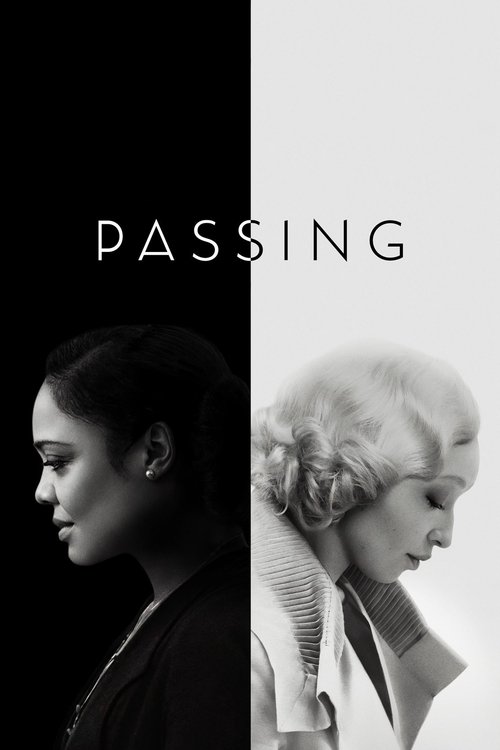
Passing2021
Rebecca Hall's precise, chamber-piece drama about two Black women navigating identity and survival in 1920s America. It shares the film's interest in how race is weaponized and how women resist invisibility.
But It's quiet and interior where Billie Holiday is operatic. The stakes feel personal rather than national, which some find less urgent.
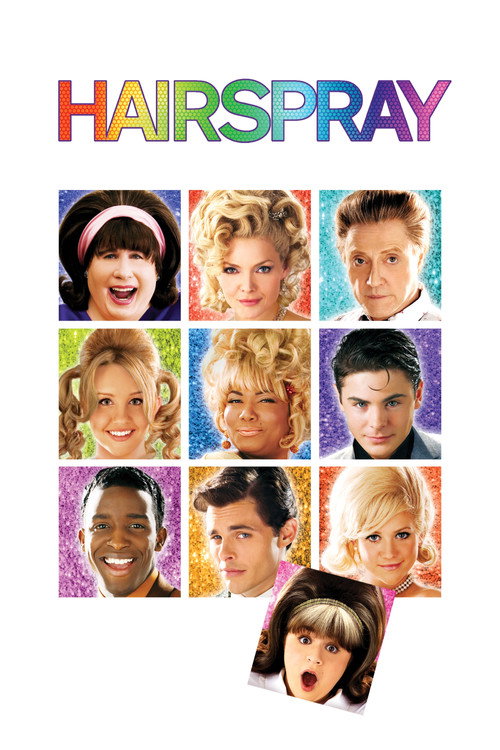
Hairspray2007
John Waters' musical about integration and resistance in 1960s Baltimore, with genuine affection for its characters and their fight. It has the same conviction that music and joy are acts of defiance.
But It's a comedy-musical, bouncy and playful. The tone is almost the opposite of Billie Holiday's gravity, which might feel like tonal whiplash.
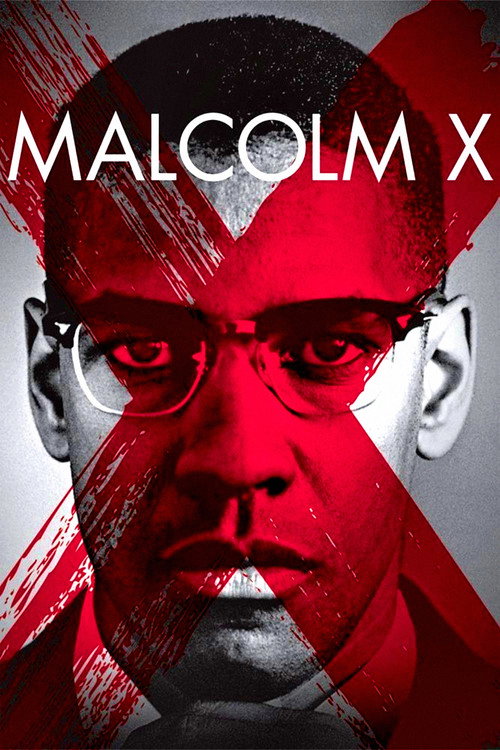
Malcolm X1992
Spike Lee's biography of a man destroyed by state surveillance and FBI targeting, then rebuilt. It has the same architectural interest in how power destroys and transforms, and Denzel Washington is commanding.
But It's nearly four hours. Some find its reverent tone repetitive, and Lee's filmmaking can feel dated now.
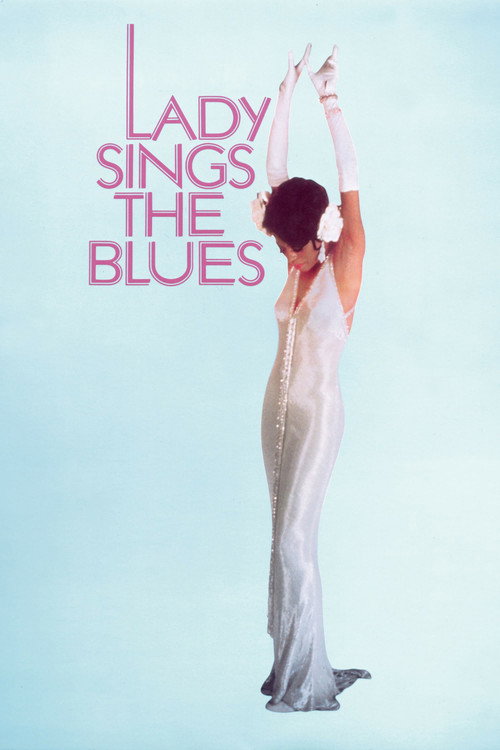
Lady Sings the Blues1972
Diana Ross in the first major Billie Holiday biopic, a vehicle that captures the glamour and tragedy of her life. If you want to see how the story was told before, this is necessary context.
But It's melodramatic in ways that undercut its own seriousness, and it sanitizes material the newer film doesn't shy from. The politics are much softer.
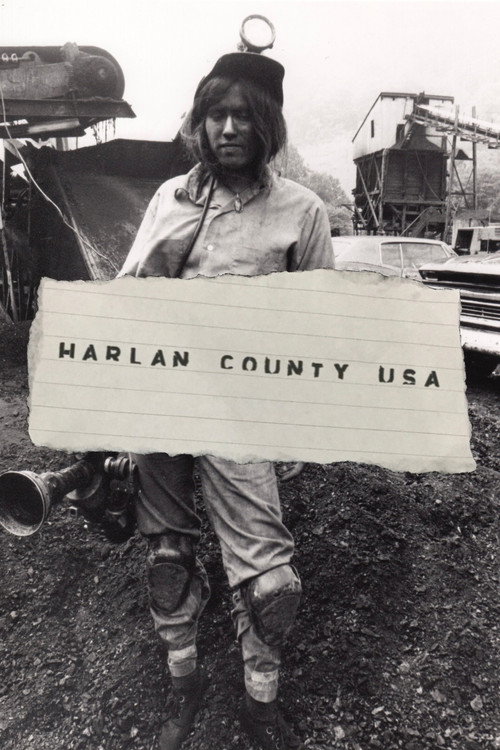
Harlan County U.S.A.1976
Both films understand that the state protects money, not people, and that resistance to that power comes first from art and assembly. Both trust their subjects to speak their own truth.
Barbara Kopple's documentary of Appalachian coal miners fighting for survival and dignity against corporate power. It shares Billie Holiday's conviction that ordinary people singing and standing together is revolutionary. The rage is quiet but absolute.
But It's a documentary, not a drama, and its pacing is the pacing of a real strike—long, slow, repetitive. The class politics may feel distant if you don't have roots in labor history.
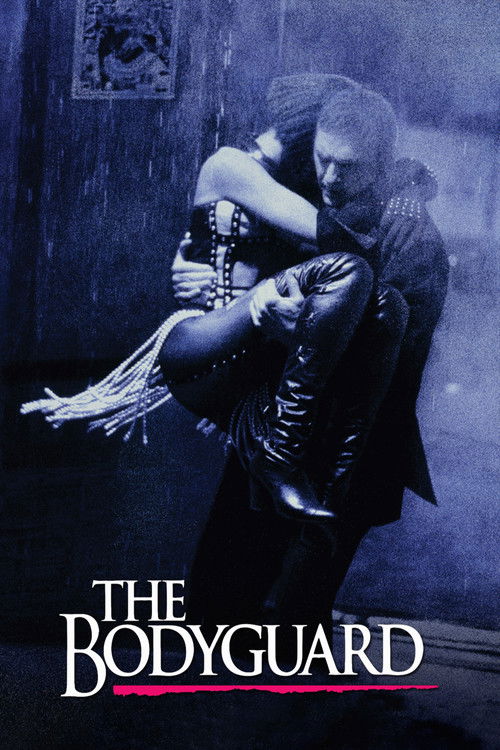
The Bodyguard1992
Both center the interior life of a Black female vocalist whose voice and body are sites of desire and danger. Both suggest that fame is a form of siege. Houston's performance has the same unguarded emotional power Day brings to Holiday.
Whitney Houston in her only film role, playing a Black woman artist pursued by obsession and violence. It's a thriller, not a biopic, so it's freed to explore the psychic cost of fame, desire, and protection in a different register—pure suspense and emotional vulnerability.
But It's a mainstream romance-thriller, not a serious drama. The plot is pulpy and somewhat absurd. It won't satisfy anyone hungry for historical reckoning or political analysis.
People
Cast
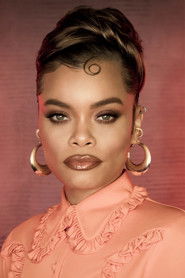 Andra DayBillie Holiday
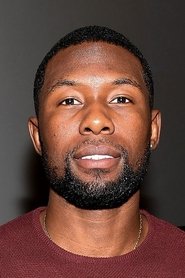 Trevante RhodesJimmy Fletcher
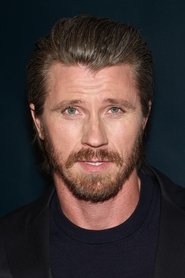 Garrett HedlundHarry Anslinger
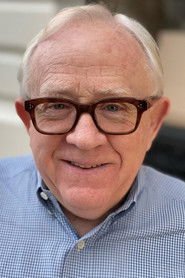 Leslie JordanReginald Lord Devine
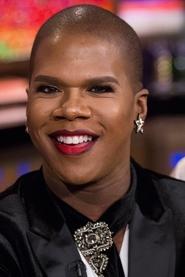 Miss LawrenceMiss Freddy
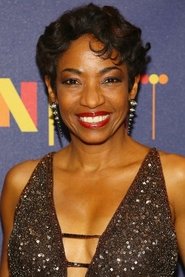 Adriane LenoxMrs. Fletcher
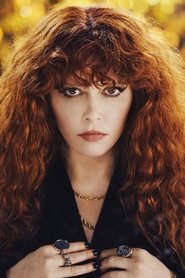 Natasha LyonneTallulah Bankhead
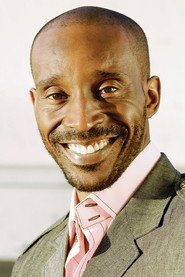 Rob MorganLouis McKay
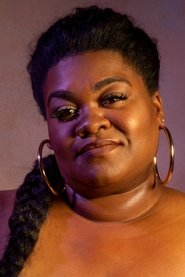 Da'Vine Joy RandolphRoslyn
 Evan RossAgent Williams
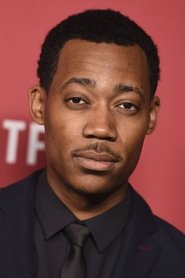 Tyler James WilliamsLester 'Prez' Young
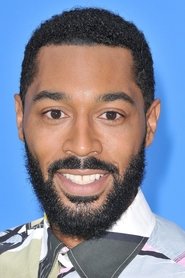 Tone BellJohn Levy
Directing
- Ami DiakitéAssistant Director Trainee
- Lee DanielsDirector
- H.H. CooperFirst Assistant Director
- Elizabeth TremblayScript Supervisor
- Fanny HudonSecond Assistant Director
- Harris EllisonThird Assistant Director
- Shanna Roberts SaléeThird Assistant Director
Writing
- Johann HariBook
- Suzan-Lori ParksScreenplay
Production
- Michelle FowlerAdditional Post-Production Supervisor
- Georgia SimonADR Voice Casting
- Eva QuinteroAssistant Production Coordinator
- Benoit ThériaultAssistant Unit Manager
- Stephane DesharnaisAssistant Unit Manager
- Jake MeyersAssociate Producer
- Jeremy GreenAssociate Producer
- Thomas WestfallAssociate Producer
- Valérie CaronBack-up Set Production Assistant
- Christian RollinBack-up Truck Production Assistant
- Ashley IngramCasting
- Billy HopkinsCasting
- Kevin ScottCasting
- Leah Daniels-ButlerCasting
- Simone SheffieldCo-Executive Producer
- H.H. CooperCo-Producer
- Jahil FisherCo-Producer
- Marie CiscoCo-Producer
- Wellington LoveCo-Producer
- Cassian ElwesExecutive Producer
- Dennis StrattonExecutive Producer
- Hilary ShorExecutive Producer
- Jeremy AllenExecutive Producer
- Johann HariExecutive Producer
- Mark BombackExecutive Producer
- Patty LongExecutive Producer
- Julie BretonExtras Casting
- Melissa NeptonExtras Casting Assistant
- Flora EleftheriouFirst Assistant Accountant
- Andrea KenyonLocal Casting
- Randi WellsLocal Casting
- Benoît MathieuLocation Manager
- François ChoinièrePayroll Accountant
- Kelsey SchuylerPost Production Accountant
- Mallory TricePost Production Coordinator
- Jeff KirschenbaumProducer
- Joe RothProducer
- Jordan FudgeProducer
- Lee DanielsProducer
- Pamela Oas WilliamsProducer
- Tucker TooleyProducer
- Adam DavisProducer's Assistant
- Ben CluneProducer's Assistant
- Danny WilliamsProducer's Assistant
- Ian MalcolmProducer's Assistant
- Tom Di BlasioProduction Accountant
- Kathy Ann ThomasProduction Coordinator
- Patricia FerrisProduction Secretary
- Odette LavigneTravel Coordinator
- Martin RoyTruck Production Assistant
- Brigitte St-OngeUnit Manager
- George ParraUnit Production Manager
- Hélène RossUnit Production Manager
- Patty LongUnit Production Manager