
Film
Tabu
Miguel Gomes's *Tabu* is a Portuguese film in two movements: a contemporary portrait of an elderly woman and her younger neighbour, then a dreamlike flashback to a colonial past that haunts her. It's watching someone peel away layers of silence and secrecy through small, perfectly observed moments. For those who believe cinema can be about mood and implication rather than plot.
Should you watch it?
Watch it if you love films that fold memory, melodrama and playful formal experiment into one another, and who don't mind a story told as much through mood and fragments as through plot.
Skip it if you want a tidy, linear story with clear motives, since this one drifts, switches registers and leaves its characters' histories partly in the dark on purpose.
What it asks of you: Two hours in two movements, the first a hushed, grainy, almost silent reverie and the second a slow, talky modern-day piece that rewards patience and attention to small gestures.
Not sure? Find tonight's pick in a minute.
If you liked this
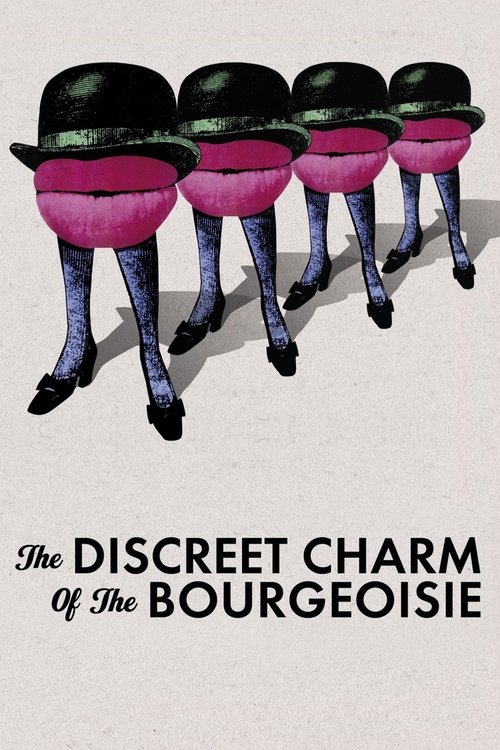
The Discreet Charm of the Bourgeoisie1972
Buñuel's surreal-but-precise exploration of class, desire, and the rituals we hide behind. Like *Tabu*, it finds comedy and darkness in the gap between propriety and truth, using strange logic to excavate the unsayable.
But It's deliberately opaque and repeats itself structurally; if you want clear narrative momentum, this will feel like it's withholding on purpose. It is.
The Best Exotic Marigold Hotel2012
Another film about elderly people and secrets in exotic locations, exploring how the past clings to us. Warmer and more explicitly life-affirming than *Tabu*, but with real melancholy underneath the charm and the ensemble joy.
But It's more comforting than unsettling, more plot-driven. If you're drawn to *Tabu* for its ambiguity and restraint, this might feel too resolved and neat.

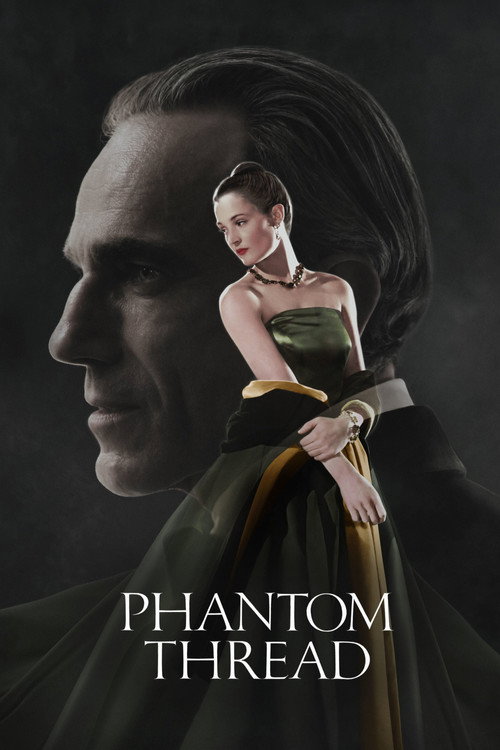
Phantom Thread2017
A film about two people locked in an intimate dance of power, desire, and unspoken resentment. Like *Tabu*, it suggests that obsession can masquerade as love, and that the past doesn't release its hold easily.
But It's slow and airless; the relationship at its centre is suffocating by design. Some find this hypnotic. Others find it claustrophobic and grim.
Not sure tonight? Get a pick in a minute, starting from Tabu
The wildcard
Something you would not have found on your own.
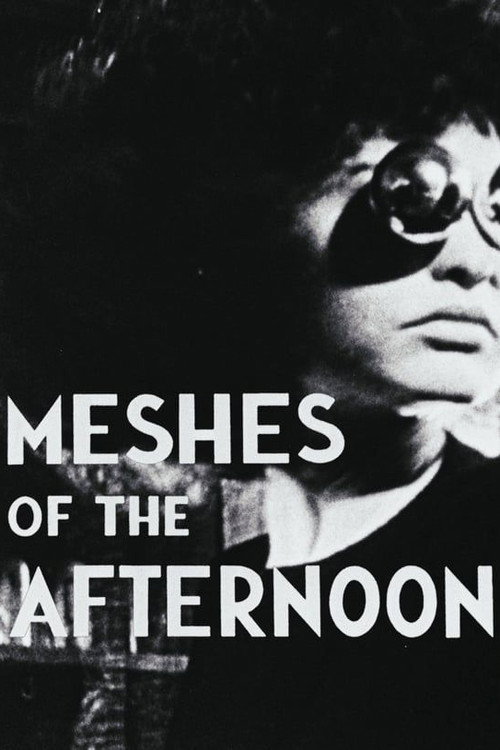
Meshes of the Afternoon1943
Both films use repetition, mirrors, and architectural space to visualize how trauma and memory trap us. Both are interested in cinema as dream logic rather than plot.
Deren's 14-minute experimental film is a proto-*Tabu*: a woman haunted by repetition, identity fractured, the past as a maze you cannot escape. Shot in a single house, it uses visual language—mirrors, staircases, ritual—to make the internal external. Essential viewing for understanding how cinema can express obsession.
But It's abstract, wordless, and disorienting. It looks nothing like a conventional film. If you want narrative or character clarity, you will be frustrated.
More like this (8)
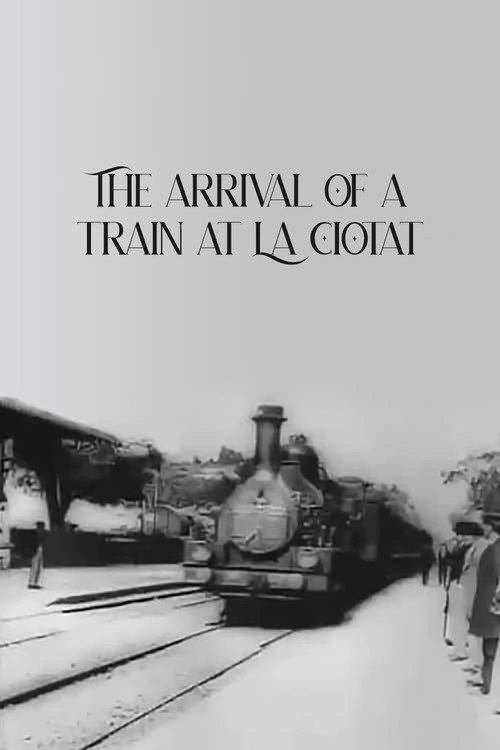
The Arrival of a Train at La Ciotat1896
Because *Tabu* opens as silent cinema, with iris shots and a visual language rooted in cinema's infancy. This Lumière brothers' film is the ancestor—a moment when cinema learned to simply watch. It rewires how you see the film that follows.
But It's 50 seconds long and nothing happens. If you need narrative or sound, you'll wonder why it's on the list.
A Ghost Story2017
Another film about how the past refuses to leave, haunting the present. It uses a deliberately flat, strange visual language to make the familiar uncanny. Both films understand that longing and unfinished business can outlast death.
But It's more overtly supernatural and philosophical. *Tabu*'s ghosts are metaphorical; this one wears a sheet. The tonal shift won't work for everyone.

The Leopard1963
Visconti's masterpiece about the past refusing to stay past, about aristocracy and colonialism and the impossibility of holding onto anything. Shot with a sensuality and formal beauty that echoes *Tabu*'s visual language.
But It's three hours, Italian, operatic in register. *Tabu* is restrained; *The Leopard* is baroque. The scale might overwhelm what you loved about Gomes.

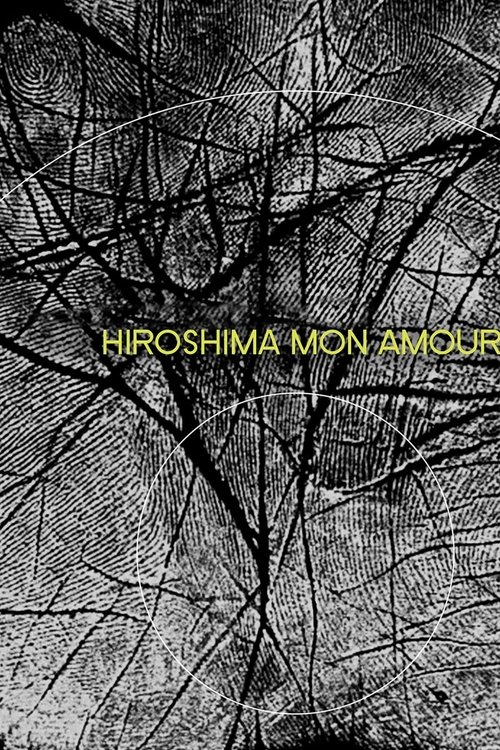
Hiroshima Mon Amour1959
A film about two people and the weight of history, told through fragmented memory and visual poetry. Like *Tabu*, it uses structure and repetition to suggest that the personal and the historical are always entwined.
But It's experimental and asks a lot of the viewer. If you want clarity or conventional narrative, it will feel elliptical and distant.
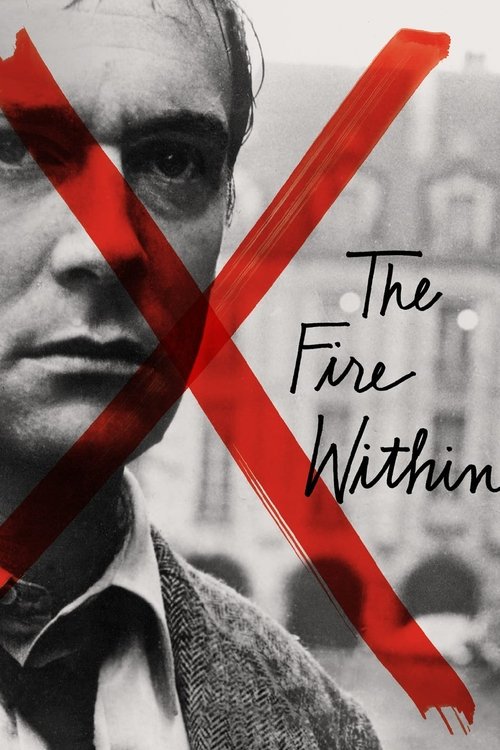
The Fire Within1963
Malle's devastating portrait of depression and disconnection, told with quiet precision and a refusal to look away. Like *Tabu*, it finds tragedy not in large gestures but in the small silences between people.
But It's relentlessly bleak. There's no redemption arc, no comforting resolution. It's a film about surrender, and it doesn't flinch from that.
Mulholland Drive2001
Lynch's fractured Los Angeles mystery, where the past and present collapse into each other and nothing is as it seems. Like *Tabu*, it suggests that cinema itself can be a dream, and that what we remember may not be true.
But It's deliberately confusing, and the more you try to solve it, the more it resists. Some people love this. Some find it pretentious and exhausting.

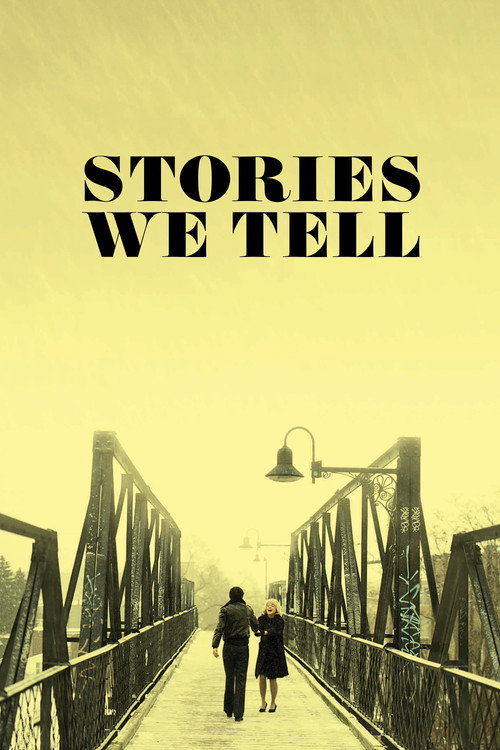
Stories We Tell2012
Both are structured around revelation and concealment. Both use cinema's formal language—editing, framing, rhythm—to suggest that how we tell stories matters as much as what we say.
Michael Haneke's documentary about his family's lies and secrets, narrated by his father, told through photographs and archival footage. Like *Tabu*, it's about how the past reveals itself in fragments, and how cinema itself can be complicit in myth-making. It's devastating and formal at once.
But It's a documentary about a specific family's private tragedy. If you come looking for *Tabu*'s drama, this will feel small and austere. The emotional investment has to be earned, not given.
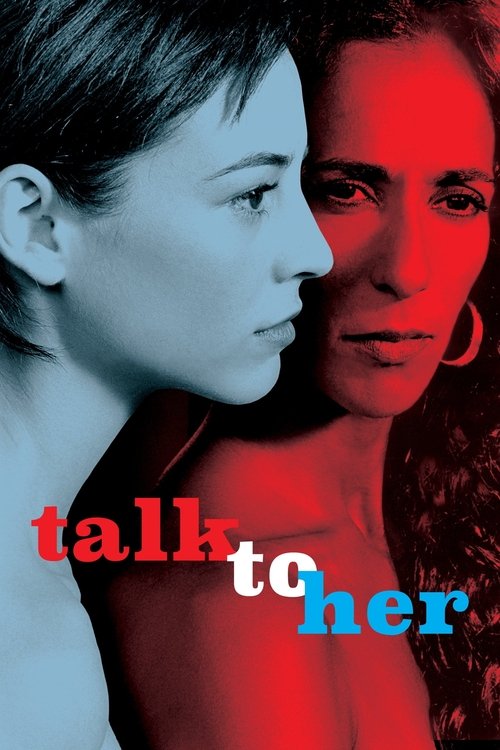
Talk to Her2002
Both explore how desire and obsession survive in the absence of reciprocation. Both treat impossible love with seriousness rather than judgment. Both understand that the past and the present can be collapsed into the same moment.
Almodóvar's film about two men bound by their love for women in comas, unable to speak. Like *Tabu*, it's about devotion that cannot be reciprocated, passion that finds no outlet, and the ways we make meaning from silence. It's rich, strange, and deeply human.
But It's melodramatic and operatic—the opposite of *Tabu*'s restraint. It's also Spanish and verbose where *Tabu* is Portuguese and elliptical. The emotional register is entirely different.
People
Cast
 Teresa MadrugaPilar
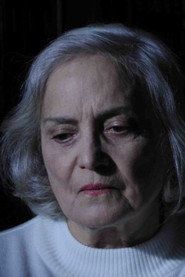 Laura SoveralAurora
 Ana MoreiraYoung Aurora
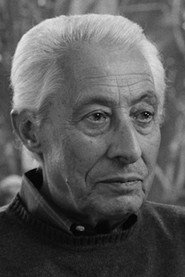 Henrique Espírito SantoGian Luca Ventura
 Carloto CottaYoung Gian Luca Ventura
 Isabel CardosoSanta
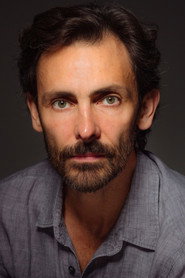 Ivo MüllerAurora's Husband
- Manuel MesquitaMário
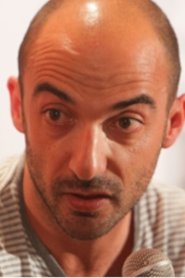 Telmo ChurroIntrepid Explorer
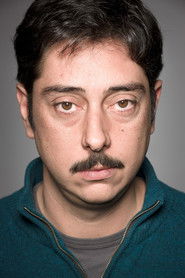 Miguel GomesNarrator (voice)
- Hortêncílio AquinaPorter #1
- Américo MotaPorter #2
Directing
- Miguel GomesDirector
- Bruno LourençoFirst Assistant Director
- Telmo ChurroScript Supervisor
- Patrick MendesSecond Assistant Director
Writing
- Mariana RicardoScreenplay
- Miguel GomesScreenplay
Production
- Alexander BohrAssociate Producer
- Georg SteinertAssociate Producer
- Caio GullaneCo-Producer
- Débora IvanovCo-Producer
- Fabiano GullaneCo-Producer
- Gabriel LacerdaCo-Producer
- Janine JackowskiCo-Producer
- Jonas DornbachCo-Producer
- Maren AdeCo-Producer
- Thomas OrdonneauCo-Producer
- Luís UrbanoExecutive Producer
- Sônia Império HamburgerExecutive Producer
- Benjamin WüpperPost Production Coordinator
- Luís UrbanoProducer
- Sandro AguilarProducer
- Joaquim CarvalhoProduction Director
- Joana Vaz da SilvaProduction Manager
- Momade CapurchandeProduction Manager