
Film
Enemy Mine
A human fighter pilot and an alien soldier, sworn enemies, crash on a barren planet and must choose between killing each other or surviving together. Enemy Mine is a quietly radical 1985 SF film about learning to see humanity in the unimaginable Other. It trades laser battles for slow recognition, asking what remains when every reason to hate someone is stripped away. For anyone who believes science fiction can do more than spectacle.
Should you watch it?
Watch it if you love a slow-building odd-couple story about two bitter enemies forced into a survival partnership, where the pleasure lies in small gestures of trust and the sci-fi is a backdrop to very human friction.
Skip it if you want a relentless action picture, since the fighting is brief and the film spends most of its running time on two stranded men learning to tolerate each other in long, quiet stretches.
What it asks of you: Around ninety minutes of patience before the friendship warms, with a deliberate pace, sincere emotion, and little irony to cushion the earnest moments.
Not sure? Find tonight's pick in a minute.
If you liked this
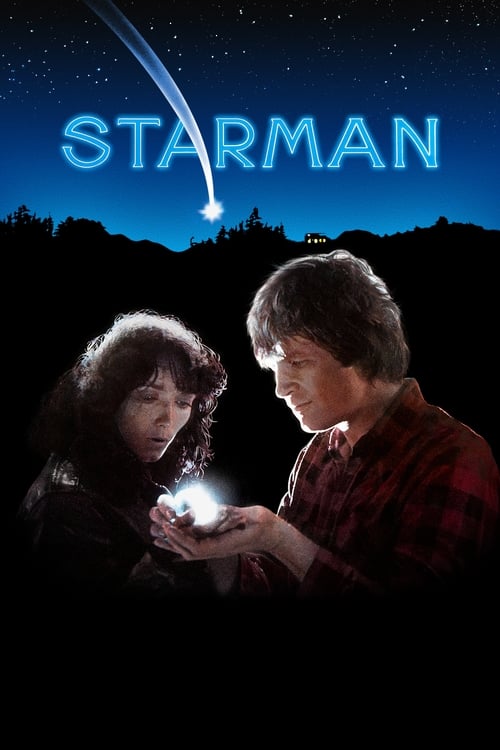
Starman1984
Jeff Bridges plays an alien learning to be human through roadside Americana. Like Enemy Mine, it finds tenderness in the gulf between species, but with more Americana charm and John Carpenter's patient direction.
But It's sentimental in ways that won't work if you need your SF harder-edged or faster-paced. The romance plot divides audiences sharply.
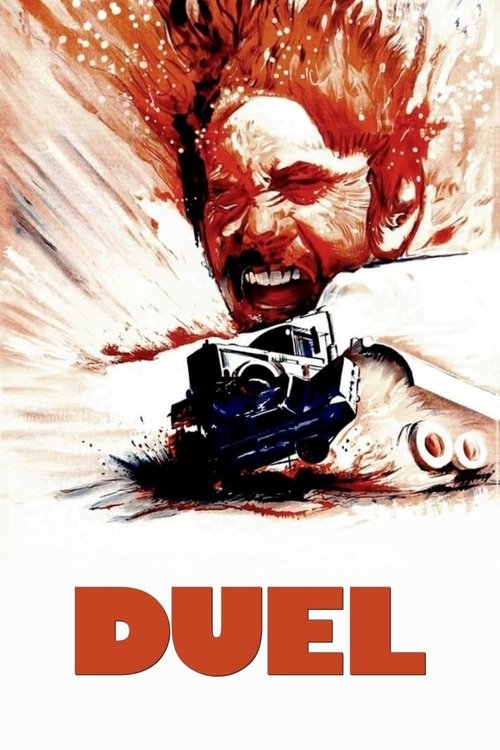
Duel1971
Spielberg's first film: a man versus a faceless truck driver, each invisible to the other, locked in escalating conflict. Like Enemy Mine, it's about recognizing the human on the other side of enmity.
But Minimal dialogue and a simple premise feel thin if you're not ready for meditative pacing. The threat is deliberately abstract.
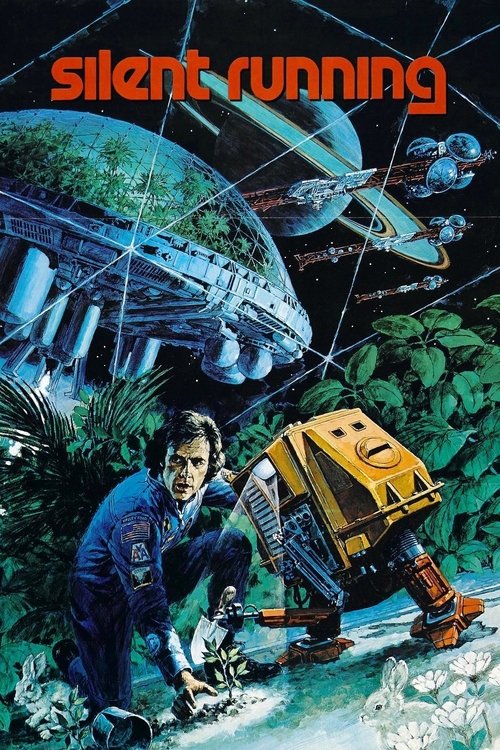
Silent Running1972
Bruce Dern alone (mostly) with machines he loves on a space freighter, carrying the last forests of Earth. Shares Enemy Mine's isolation and the surprising depth of connection across impossible distance.
But Long stretches with no other human voice. The ending divides people on whether it's transcendent or despairing. Visibly low-budget.
Not sure tonight? Get a pick in a minute, starting from Enemy Mine
The wildcard
Something you would not have found on your own.
Come and See1985
Both films from 1985 about recognizing or losing humanity when circumstances force total vulnerability with the unimaginable.
A Soviet boy is conscripted into WWII. Enemy Mine asks what happens when you see your enemy's humanity. Come and See asks what happens when you can't unsee the machinery of dehumanization. Both films place ordinary people in catastrophe and watch who they become.
But Relentlessly brutal. Not a metaphor for war—a portrait of its actual cost. Shot in desaturated color that drains hope. Watching it is not cathartic.

More like this (8)
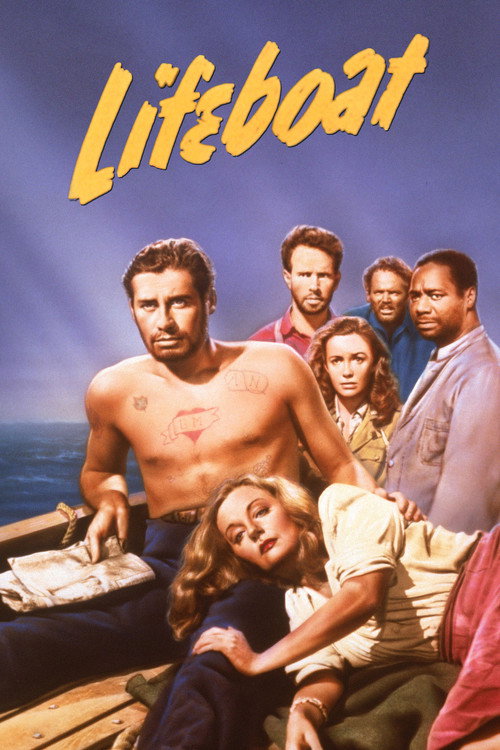
Lifeboat1944
Hitchcock traps a diverse group in a lifeboat with a German U-boat captain. The claustrophobia and moral complexity—can you survive alongside your enemy?—parallel Enemy Mine's forced alliance.
But Stagey by modern standards. The politics haven't aged without friction. Moves slower than you'd expect from a thriller.
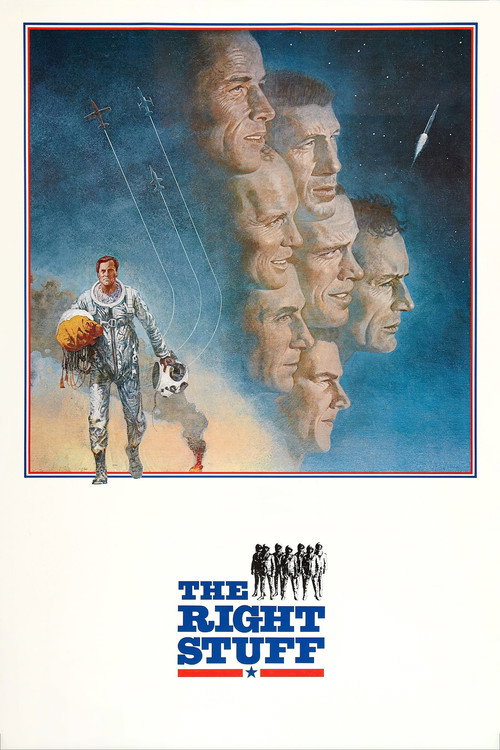
The Right Stuff1983
Test pilots and cosmonauts during the space race. Shares Enemy Mine's interest in how professional enemies can recognize each other's courage and skill across ideological lines.
But Nearly four hours long. Heavy on American mythology. Some find the pacing uneven and the tone shifts jarring.
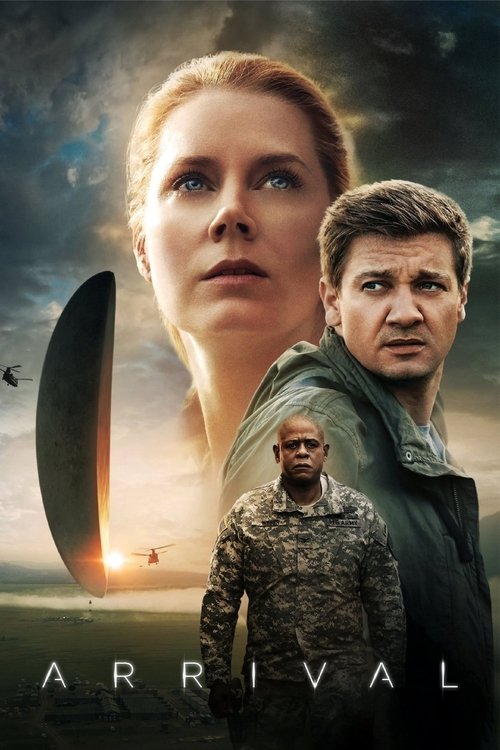
Arrival2016
A linguist must learn to think like an alien to prevent war. It asks the same question as Enemy Mine: what changes in us when we truly understand the Other?
But Cerebral and slow. If you need action or plot momentum, this prioritizes philosophy over excitement. The ending may feel heavy-handed.
Under the Skin2014
An alien woman in human form moves through Scotland. Profoundly strange meditation on what it means to be an outsider observing humanity. Shares Enemy Mine's interest in alien perspective reshaping ours.
But Deliberately opaque. Long, quiet scenes. Scarlett Johansson barely speaks. If you want plot clarity or conventional narrative, this will frustrate you.

Solaris1972
A man on a space station confronts an ocean-planet that mirrors his grief. Like Enemy Mine, it's science fiction about communion across total strangeness, where understanding costs you.
But Three hours of Tarkovsky's long takes and philosophical argument. Glacially paced. Easy to admire and hard to love.

The Fourth Kind2009
A psychologist in Alaska encounters alien contact. Shares Enemy Mine's interest in forced coexistence with the truly alien, and the isolation such contact imposes.
But Gimmicky found-footage approach. The scares feel cheap. Most critics found it derivative and overwrought.

The Arrival of a Train at La Ciotat1896
Both about the vertiginous moment of first contact—the instant before communication becomes possible, when the Other is most alien.
Lumière brothers, 50 seconds. A train enters a station. The first films to show ordinary people seeing the Other on screen—a camera, technology from elsewhere, witnessing them. Enemy Mine is about learning to see across fundamental difference; this is cinema learning to see across the boundary between worlds.
But It's 50 seconds long. Not a story. If you need plot or character, this is an artifact, not entertainment. Curiosity must do the work.

Ikiru1952
Both culminate in one being caring for another across a gulf they didn't choose, and finding that service rewrites both of their lives.
Kurosawa's dying man searches for meaning in service to others. Enemy Mine ends with an act of transcendent caregiving. Ikiru is two hours of what that caregiving costs and saves. Same spiritual architecture, inverted—not forced alliance but chosen sacrifice.
But Slow and melancholic. Bureaucratic and Japanese in ways Western audiences often find impenetrable. The ending may read as resigned rather than hopeful.

People
Cast
 Dennis QuaidWillis Davidge
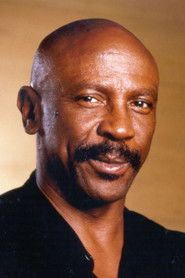 Louis Gossett Jr.Jeriba 'Jerry' Shigan
 Brion JamesStubbs
 Richard MarcusArnold
 Carolyn McCormickMorse
 Lance KerwinJoey Wooster
 Bumper RobinsonZammis
- Jim MappOld Drac
 Scott KraftJonathan
- Lou MichaelsWilson
- Andy GeerBates
 Henry StolowCates
Directing
- Wolfgang PetersenDirector
- Bert BattFirst Assistant Director
- Gerd HuberSecond Assistant Director
- Hannes NikelSecond Unit Director
- Albrecht von BethmannSecond Unit First Assistant Director
- Thomas JauchSecond Unit First Assistant Director
- Robert HottarekThird Assistant Director
Writing
- Edward KhmaraScreenplay
- Barry LongyearStory
Production
- Jane FeinbergCasting
- Mike FentonCasting
- Troy NeighborsCasting
- Stanley O'TooleExecutive Producer
- Stephen J. FriedmanProducer
- Kathy SykesProduction Coordinator
- Susan Fritz-MonahanProduction Coordinator
- Ariel LevyProduction Manager
- Harry NapProduction Manager
- Scott WodehouseProduction Manager
- Walter PuckerProduction Manager
- Dieter MeyerProduction Supervisor
- Jan-Michael BrandtUnit Manager
Recommended by
Alien Nation, The Last Starfighter, Stargate, The Hidden, Firefox, Riddick, The Philadelphia Experiment, Space Mutiny, Spacehunter: Adventures in the Forbidden Zone, UFO, Impostor, The Arrival