
Film
A Corner in Wheat
D.W. Griffith's 1909 silent film about a wheat magnate who corners the market, starving farmers and the poor while he feasts. It's a moral tale told in stunning deep-focus photography, socially furious but formally elegant. For anyone curious how political cinema began, or how much rage can fit into fourteen minutes.
If you liked this
Intolerance: Love's Struggle Throughout the Ages1916
Griffith's epic response to his critics, braiding four historical periods into one argument about power and cruelty. Visually staggering and morally complex in ways that feel modern.
But At three and a half hours, it's a commitment, and some of the historical framings are uncomfortable by today's standards.

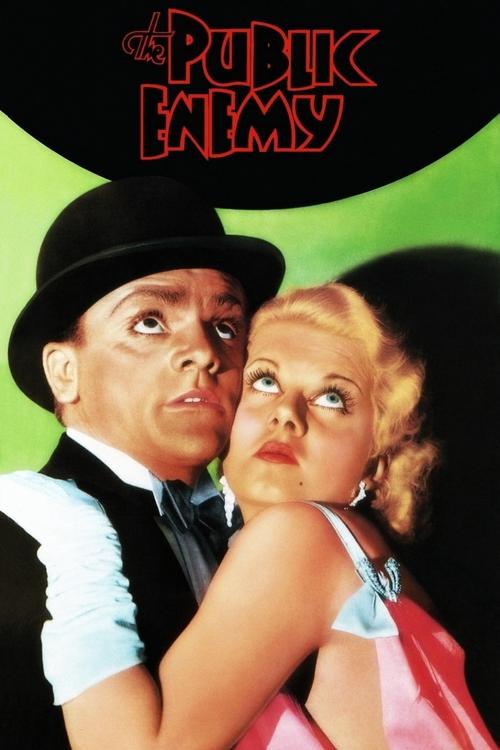
The Public Enemy1931
James Cagney as a gangster born from poverty and rage. Like Corner in Wheat, it tracks how economic desperation breeds violence, but with sound, speed, and a star who makes wickedness magnetic.
But Pre-Code morality means it moves fast and shows brutality without apology. Some viewers find that shocking rather than clarifying.
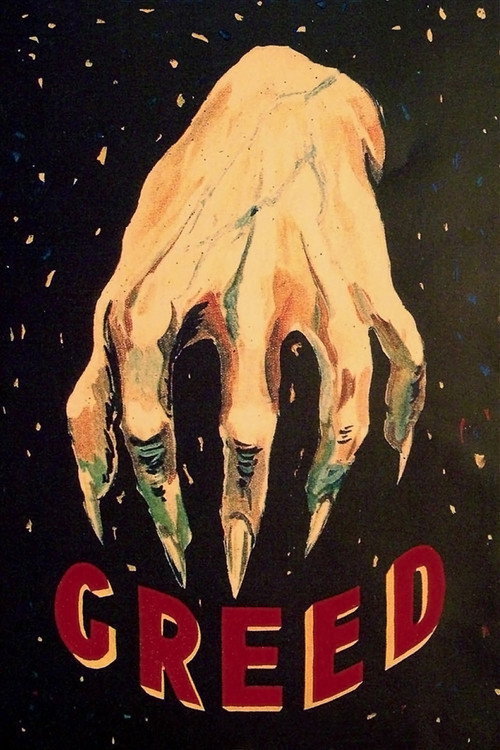
Greed1924
Erich von Stroheim's masterpiece about ordinary people destroyed by greed—a wife, a dentist, gold fever. Griffith's moral vision turbocharged: longer, more intimate, more devastating.
But It's a four-hour reconstruction of a film that was cut to shreds. The pacing is deliberate and sometimes glacial.
Not sure tonight? Get a pick in a minute, starting from A Corner in Wheat
The wildcard
Something you would not have found on your own.
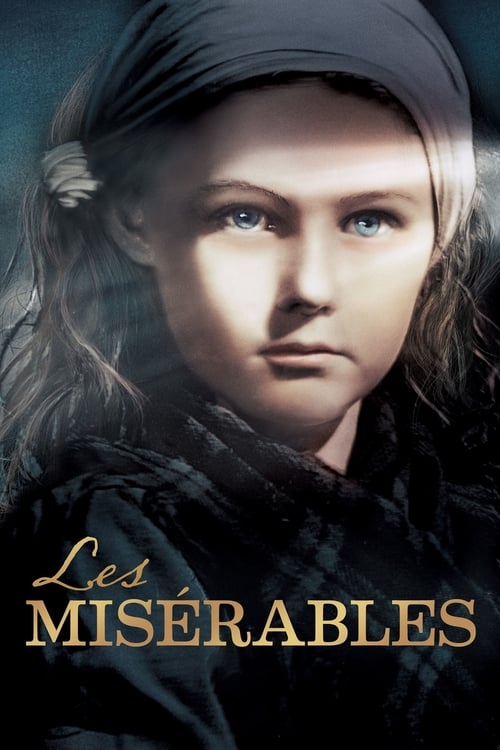
Les Misérables1935
Both are moral allegories about systems that grind the poor into dust. Corner in Wheat is aphorism; Les Misérables is the lived weight of that aphorism across a lifetime.
Raymond Bernard's five-and-a-half-hour epic brings Hugo's novel to the screen with staggering scope. Like Corner in Wheat, it traces how poverty breeds crime and how systems crush the innocent—but with the full sweep of a human life.
But It's a three-part film from the 1930s, which means subtitles, pacing from another era, and a commitment of five hours. Some find that sacred; others find that exhausting.
More like this (8)
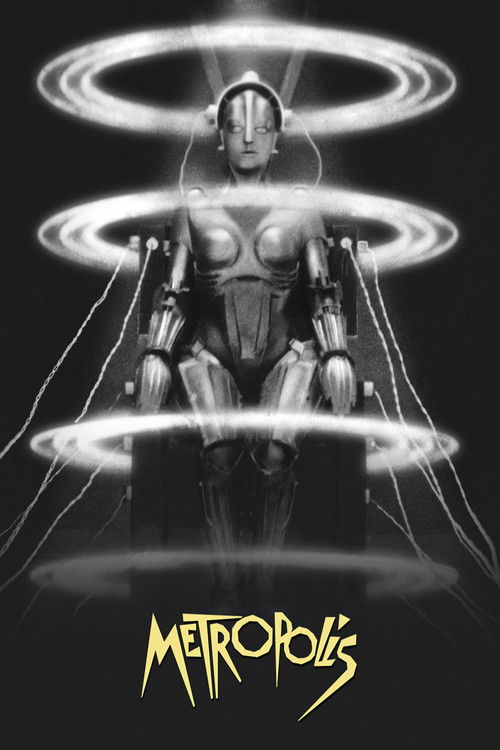
Metropolis1927
Fritz Lang's vision of a city split between the wealthy and the starving. Like Corner in Wheat, it shows the mechanical cruelty of a system designed to benefit the few.
But The dialogue (via intertitles) can feel heavy-handed, and the restored versions vary in quality and completeness.
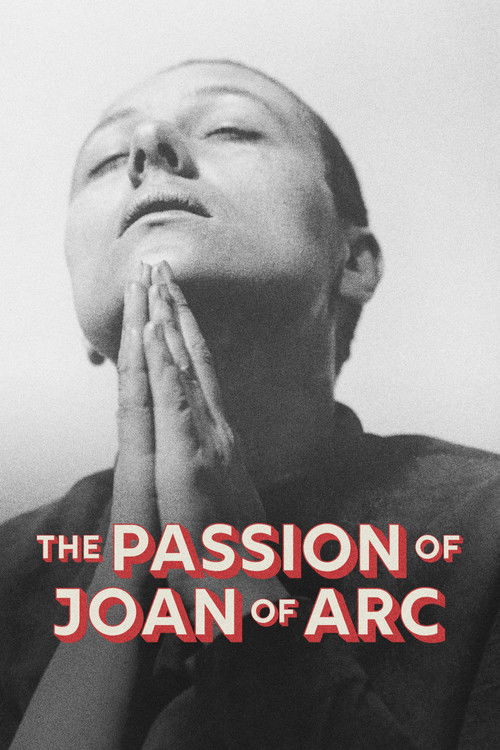
The Passion of Joan of Arc1928
Carl Theodor Dreyer strips filmmaking down to faces and close-ups. A spiritual descendant of Griffith's moral clarity, but even more austere and hypnotic.
But It's silent cinema at its most abstract. If you need plot momentum, this will feel slow.
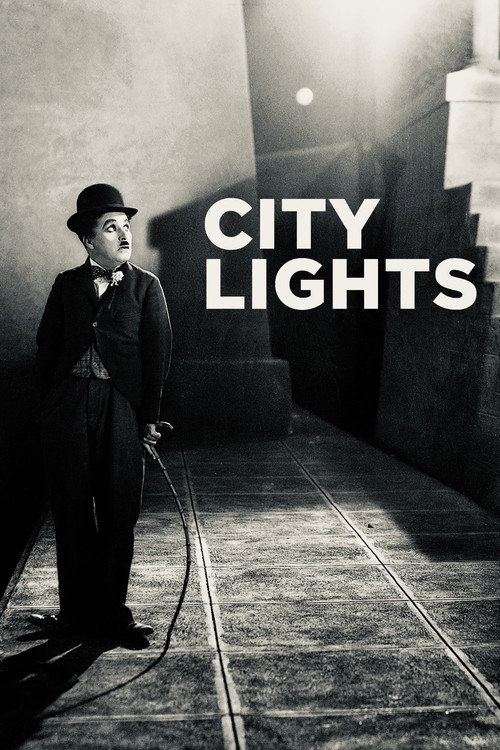
City Lights1931
Chaplin's tramp navigates a world of wealth and poverty with grace and humor. The social anger in Corner in Wheat becomes something more hopeful here, but no less true.
But The sentimentality at the end divides viewers—some find it transcendent, others find it maudlin.
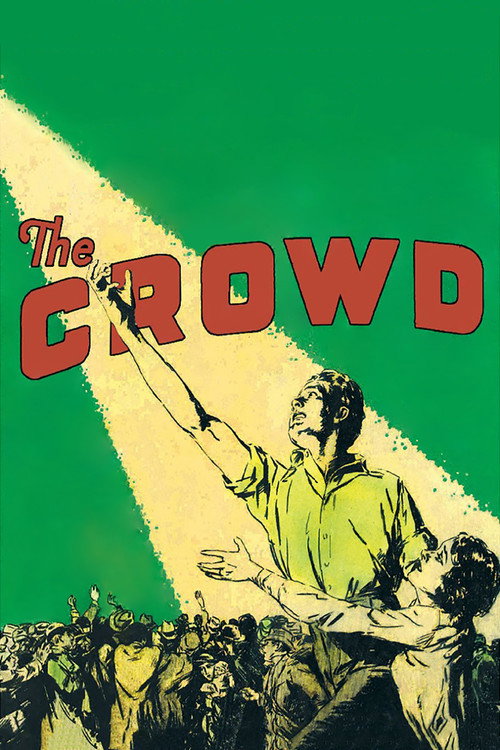
The Crowd1928
King Vidor's portrait of an ordinary man crushed by an indifferent city and system. The ancestor of every office-worker tragedy that followed; bleaker than you'd expect.
But The ending is deliberately unresolved. Some find that powerful; others find it unsatisfying.
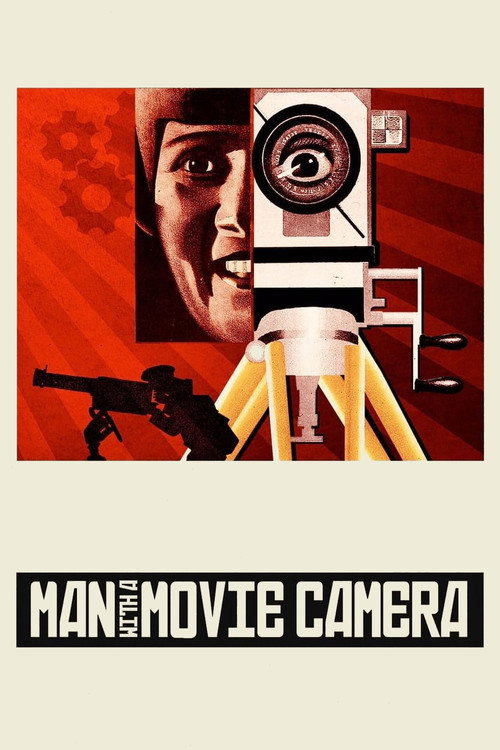
Man with a Movie Camera1929
Dziga Vertov's Soviet documentary experiment captures a city in motion, celebrating work and community. A formal opposite to Corner in Wheat, but animated by the same belief that cinema can show injustice.
But It's pure cinema—no plot, no characters, just rhythm and editing. Some find it exhilarating; others find it difficult.
The Phantom Carriage1921
Victor Sjöström's ghost story about a drunk saved by redemption on New Year's Eve. A spiritual companion to Griffith: morally urgent, visually innovative, about how we treat the poor and broken.
But The plot hinges on coincidence and supernatural intervention. If you need realism, this tilts toward melodrama.

Battleship Potemkin1925
Both are essays in cinema about economic injustice, but Potemkin shows the rebellion that Corner in Wheat can only imply. They're the same anger, one at rest and one in motion.
Sergei Eisenstein's Soviet masterpiece about a mutiny and a city in revolution. The Odessa Steps sequence alone changed cinema, but the whole film burns with the same fury as Corner in Wheat—the poor pushing back against those who exploit them.
But It's avant-garde silent montage cinema. If you expect narrative clarity or character development, you'll be disappointed. It asks you to *feel* the rhythm of revolution.

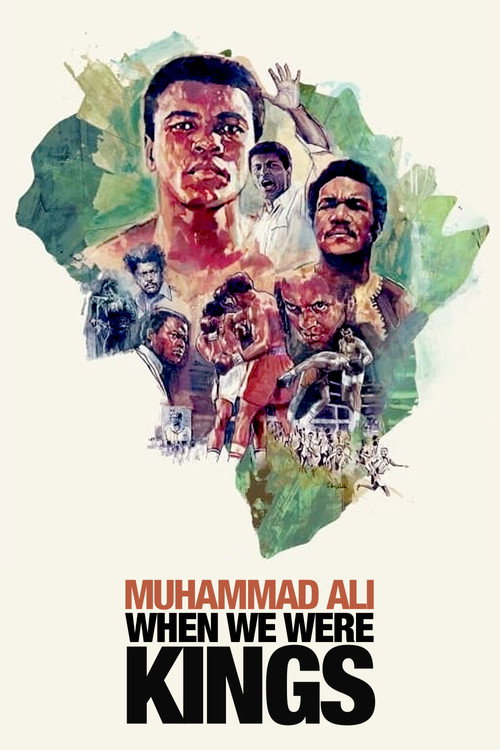
When We Were Kings1996
Both ask: who profits from systems, and who pays? Corner in Wheat shows the structure; When We Were Kings shows a flesh-and-blood human refusing to accept his role in it.
Leon Gast's documentary about the Rumble in the Jungle and Muhammad Ali's boxing match in Zaire. It captures a moment when an athlete used his fame to resist power—a real-world answer to the moral question Corner in Wheat poses.
But It's not a sports film first; it's political and messy. If you want a tidy match recap, this sprawls into history and economics and what it costs to resist.
People
Cast
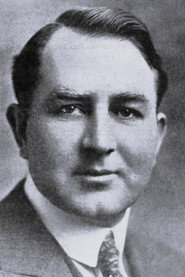 Frank PowellThe Wheat King
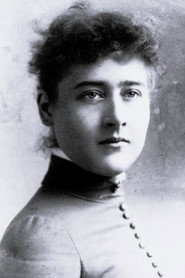 Grace HendersonThe Wheat King's Wife
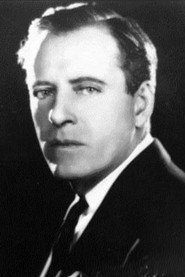 James KirkwoodFarmer
 Linda ArvidsonFarmer's Wife
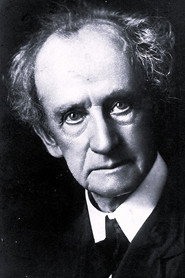 W. Chrystie MillerFarmer's Father
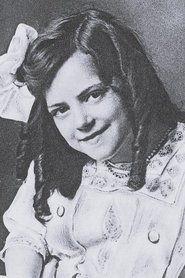 Gladys EganFarmer's Little Daughter
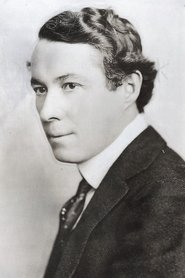 Henry B. WalthallWheat King's Assistant
Directing
- D.W. GriffithDirector
Writing
- Frank NorrisNovel
- D.W. GriffithWriter
- Frank E. WoodsWriter
Production
- D.W. GriffithProducer