
Film
Les Misérables
Other titles called Les Misérables: the 1952 film, the 1998 film, the 2012 film, the 2018 series (BBC One), the 2019 film.
Fredric March and Charles Laughton anchor this 1935 adaptation of Hugo's sprawling novel, stripping away theatricality for something grittier and more intimate. It's a film about mercy and obsession, pursuit and redemption, shot in deep shadow and played with restraint. For anyone who's only known the musical or the 2012 film, this version arrives like a revelation: quieter, stranger, more interested in the weight of years than in catharsis.
Should you watch it?
Watch it if you love old Hollywood storytelling that leans on big performances, moral weight and sweeping melodrama, the kind of film where a single look from an actor carries a whole argument.
Skip it if you want brisk pacing or modern visual rhythm; this 1935 adaptation moves at a stately, theatrical clip, and its sound-era staging can feel stagey and heavy-handed to fresh eyes.
What it asks of you: Roughly an hour and forty-eight minutes of patience with long dramatic scenes, earnest speechmaking and emotion played broadly rather than understated, settling in for a slow build.
Not sure? Find tonight's pick in a minute.
If you liked this
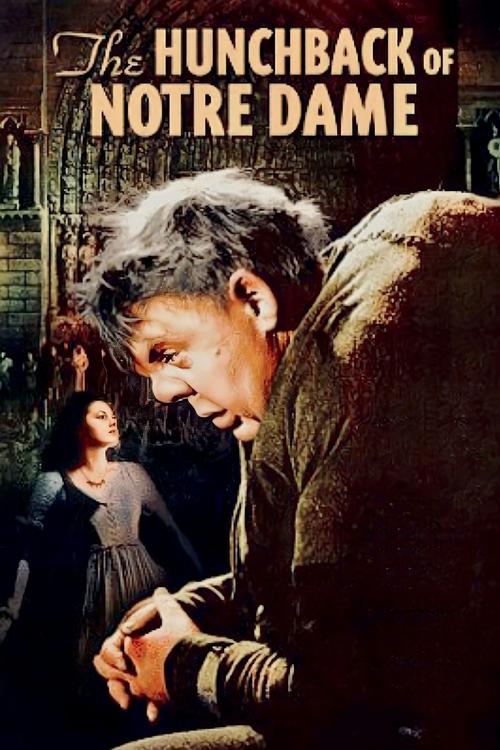
The Hunchback of Notre Dame1939
Another Hugo adaptation with Charles Laughton, shot by the same director with similar commitment to atmosphere and humanity. Laughton's face carries the whole film, and the Paris of the film feels as much a character as any person.
But At nearly two hours it moves in long sequences rather than quick cuts. If you need constant plot movement, the pacing will test you.
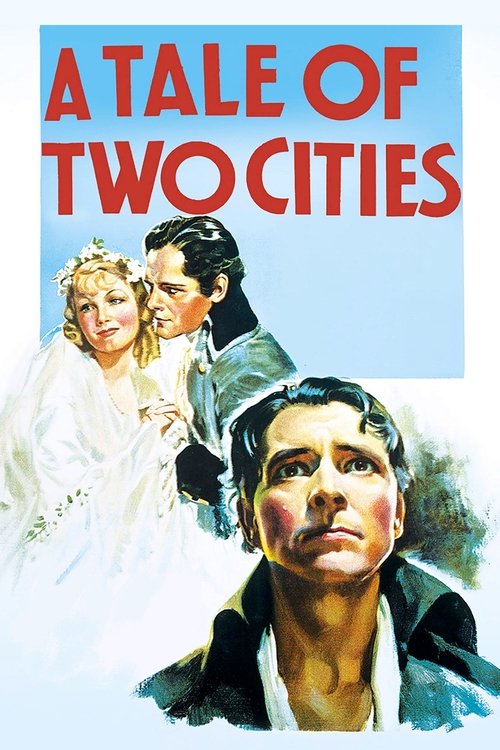
A Tale of Two Cities1935
Another desperate escape across revolutionary history, with Ronald Colman's quiet anguish at its heart. The guillotine scenes hit harder than you'd expect from an 1935 film, and the sacrifice at the end is genuinely moving.
But The dialogue carries most of the weight, and some line delivery feels theatrical by modern standards. The romance subplot can feel obligatory.
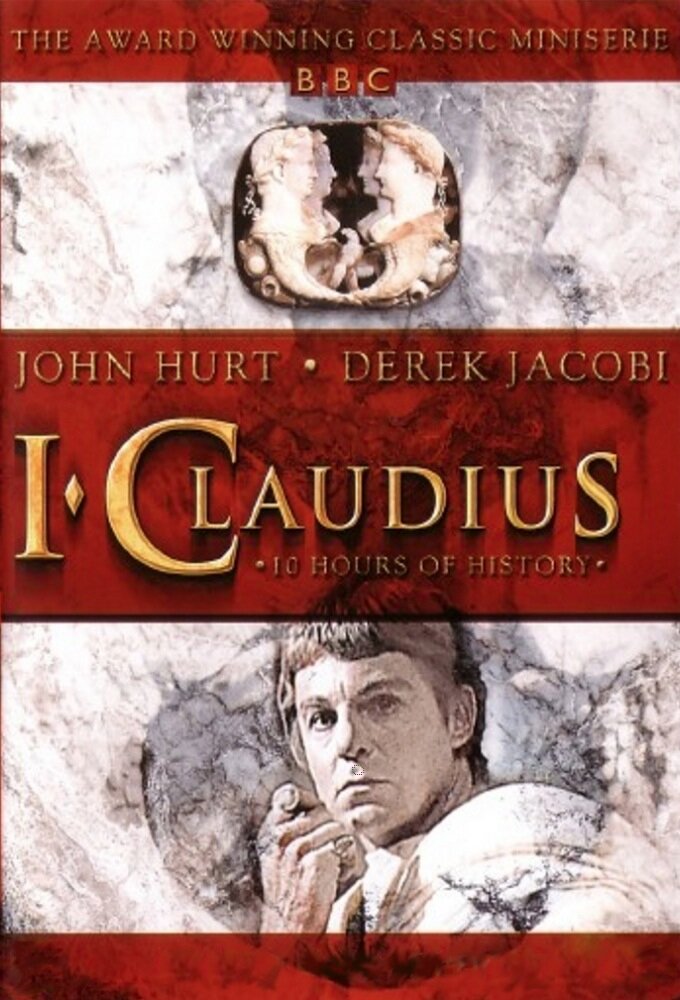
I, Claudius1976
A BBC miniseries with similar ambition to map a huge novel into television, with Derek Jacobi transforming utterly as a supposed fool navigating imperial Rome. The constraint of the budget somehow increases the intensity—everything is close, intimate, about faces and voices.
But It's very British television, which means naturalism over spectacle. If you want sword-clashing action, this isn't it.
Not sure tonight? Get a pick in a minute, starting from Les Misérables
The wildcard
Something you would not have found on your own.
Bicycle Thieves1948
Both films argue that theft born of desperation is a symptom of systems failure, not individual moral collapse. Both center on men undone by hunger, literally and spiritually.
Italian neorealism's masterpiece about a man fighting impossible systems over something small and necessary. It shares Les Misérables' faith in ordinary humanity and its interest in how desperation reshapes a person, but strips away the romantic tragedy.
But Nothing is resolved. The ending is ambiguous and sad in a way that feels unearned if you're expecting narrative justice. The film moves like real life, not like drama.

More like this (7)
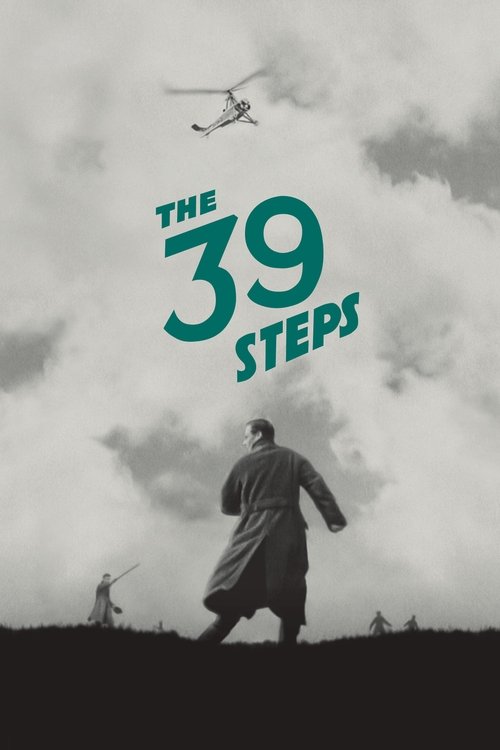
The 39 Steps1935
Released the same year, Hitchcock's thriller has a similar energy of relentless pursuit and fugitive logic. It moves like water, and the wronged man at the center becomes sympathetic without the film ever stopping to explain him.
But It's a thriller, not a tragedy, so the emotional weight is nothing like Les Misérables. If you're seeking similar themes, the tone will feel lighter than you want.
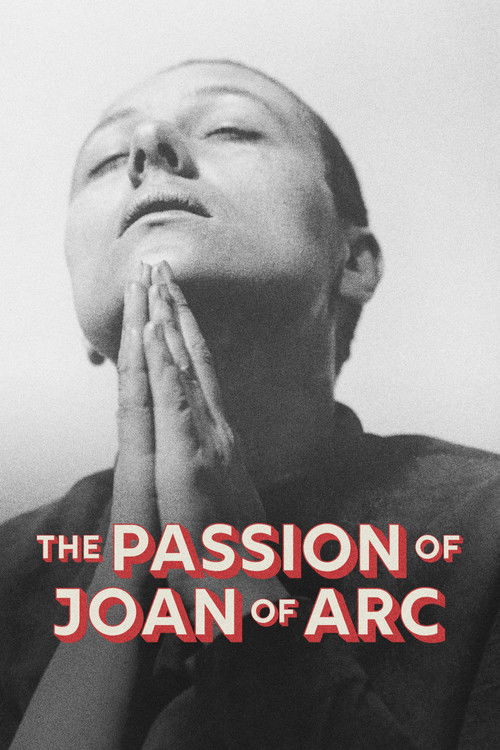
The Passion of Joan of Arc1928
Dreyer's masterpiece about another French figure caught between systems larger than herself. Renée Jeanne's face in close-up becomes unbearable—this is cinema as spiritual interrogation, not narrative spectacle.
But It's nearly silent, shot in 1928, with long passages of quietness and suffering. The pacing is glacial. It demands something from the viewer that a regular drama does not.
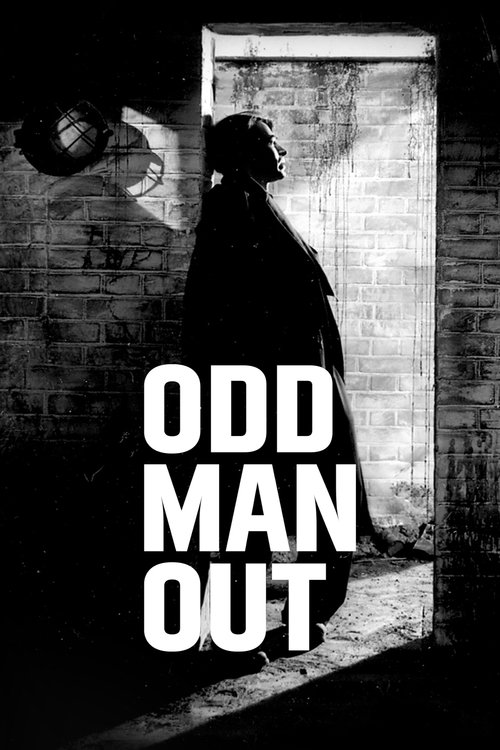
Odd Man Out1947
Carol Reed's thriller about a wounded fugitive hunted through Belfast, with James Mason's face deteriorating over the course of a night. It captures that same sense of relentless pursuit, but as hallucinatory nightmare rather than moral grandeur.
But It's expressionist and strange, more interested in shadow and despair than in redemption. If you want hope at the end, this film won't give it.
The Phantom Carriage1921
Sjöström's Swedish masterpiece about guilt and second chances, a ghost story that's really about whether a man can be redeemed. Shot in 1921 but morally complex in ways that feel modern, and the desperation is unmistakable.
But It's silent and nearly two hours long. The special effects are primitive. It requires patience and attention that many viewers won't extend to a century-old film.

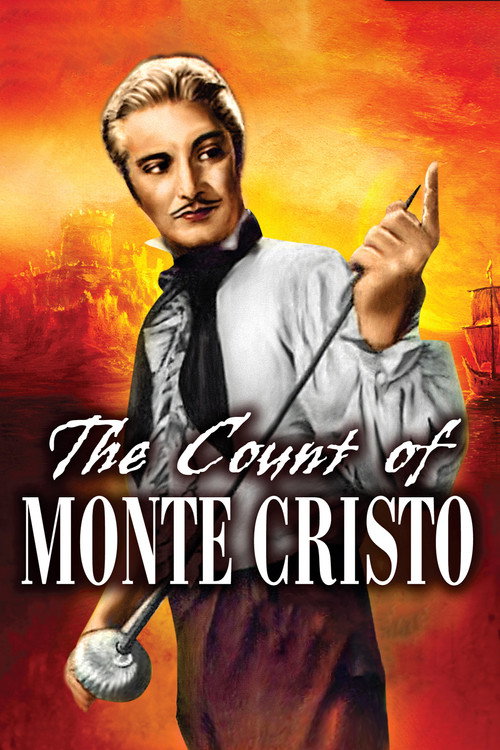
The Count of Monte Cristo1934
Another wronged man, another epic of pursuit and revenge, but this time with escape fantasy built in. Robert Donat's charm keeps the darker impulses in check, and the adventure element makes it thrilling rather than crushing.
But It's essentially a revenge fantasy, so the moral weight is lighter. If you want the spiritual wrestling of Les Misérables, this film is about getting even instead.
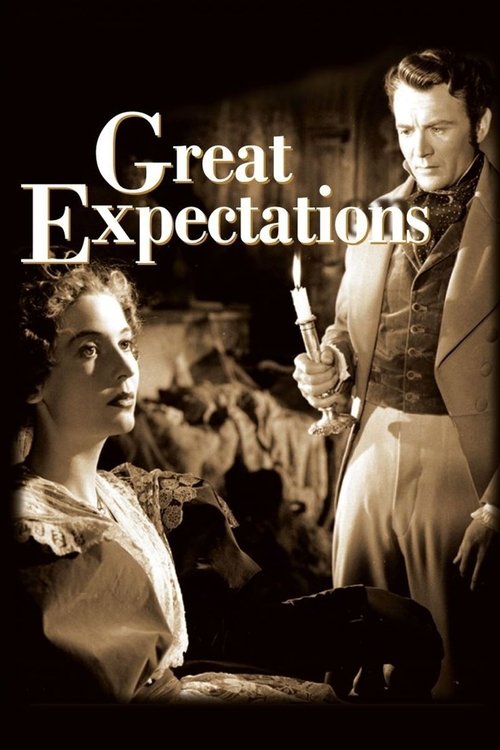
Great Expectations1946
David Lean's rendering of Dickens finds similar darkness in Victorian society: a young man shaped by accident and circumstance, a convict who becomes his secret benefactor, poverty and aspiration colliding. The cinematography is extraordinary.
But It compresses a sprawling novel and some narrative threads feel rushed. If you're familiar with the book, you may find cuts frustrating.
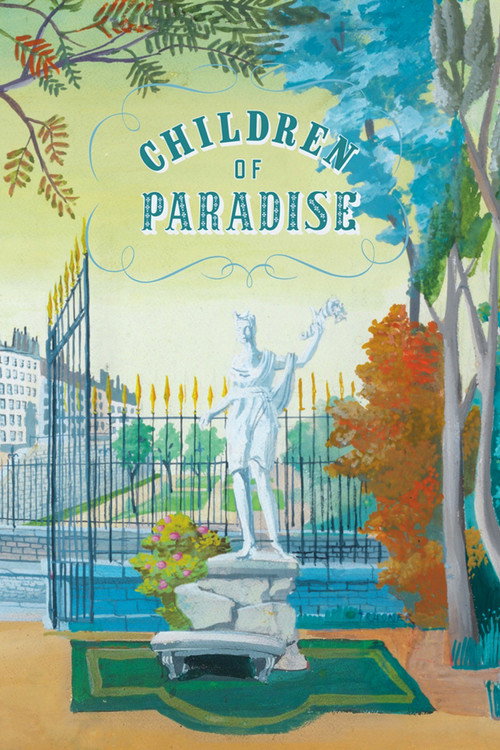
Children of Paradise1945
Both are French films obsessed with Paris as a character and with the distance between the life someone wants and the life they're forced to live. Both treat performance and authenticity as central moral questions.
Carné and Prévert's masterpiece, shot during Nazi occupation, about theatre and pretence and the Paris underworld. It's often called the greatest French film ever made. The performances are immaculate, the atmosphere intoxicating, the final betrayal shattering.
But It's three hours long and in French. The plot involves multiple timelines and a cast of dozens. If you need things simple and swift, this will frustrate you.
People
Cast
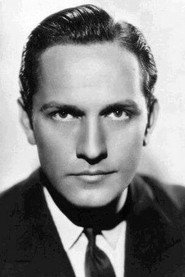 Fredric MarchJean Valjean / Champmathieu
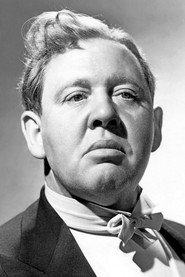 Charles LaughtonInspector Emile Javert
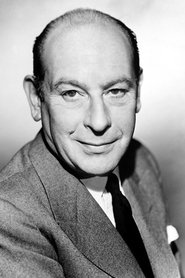 Cedric HardwickeBishop Bienvenue (as Sir Cedric Hardwicke)
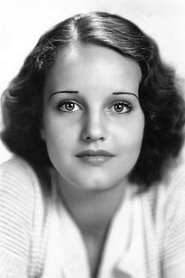 Rochelle HudsonCosette
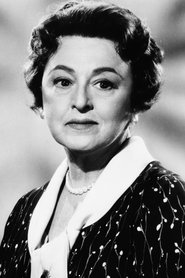 Florence EldridgeFantine
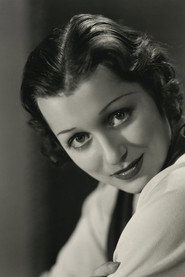 Frances DrakeEponine
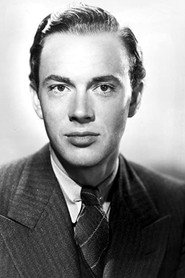 John BealMarius
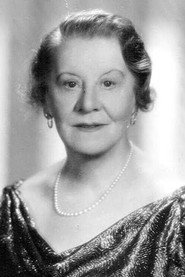 Jessie RalphMadame Magloire
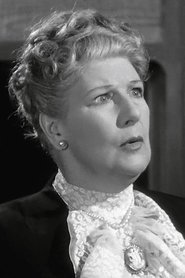 Mary ForbesMlle. Baptiseme
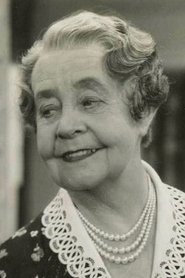 Florence RobertsToussaint
- Jane KerrMadame Thenardier
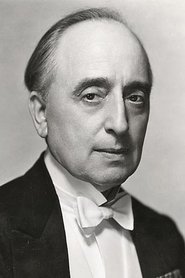 Ferdinand GottschalkThenardier
Directing
- Eric StaceyAssistant Director
- Richard BoleslawskiDirector
Writing
- Victor HugoNovel
- W.P. LipscombWriter
Production
- Lew SchreiberCasting
- Darryl F. ZanuckProducer
Recommended by
Les Misérables, Mutiny on the Bounty, The Private Lives of Elizabeth and Essex, A Tale of Two Cities, Cuna de lobos, A Tale of Two Cities, Shenandoah, A Corner in Wheat