
Film
Les Misérables
Other titles called Les Misérables: the 1935 film, the 1952 film, the 1998 film, the 2012 film, the 2018 series (BBC One).
- Crime
- Very dark
A tense, visceral police thriller set in the Paris suburbs where three cops navigate gang violence, institutional indifference, and their own complicity. Shot with documentary immediacy, it's a study of power, corruption, and how systems fail communities. For anyone who wants cinema that grips you and won't let go.
If you liked this
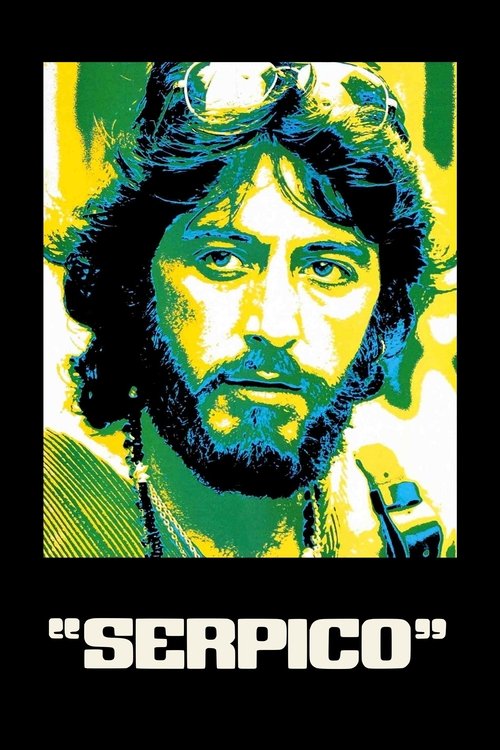
Serpico1973
Al Pacino as a cop fighting institutional corruption in NYC. A righteous thriller that understands how the system protects itself, with the same moral urgency as Les Misérables.
But It's deliberate and procedural rather than propulsive, which tests patience. The '70s texture won't appeal to everyone.
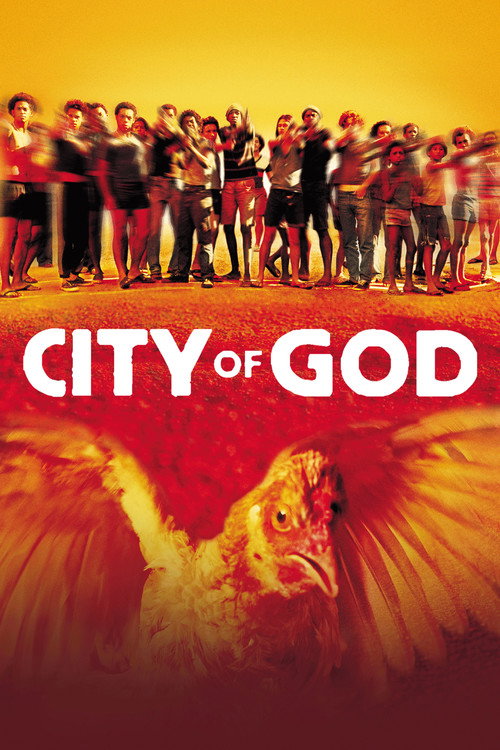
City of God2002
Brazilian favela gang violence captured with kinetic, unflinching energy. Structurally inventive and morally complex in exactly the same way—showing how neighborhoods become war zones and who profits.
But The rapid editing and overlapping narratives demand active viewing. Some find the style exhausting rather than exhilarating.
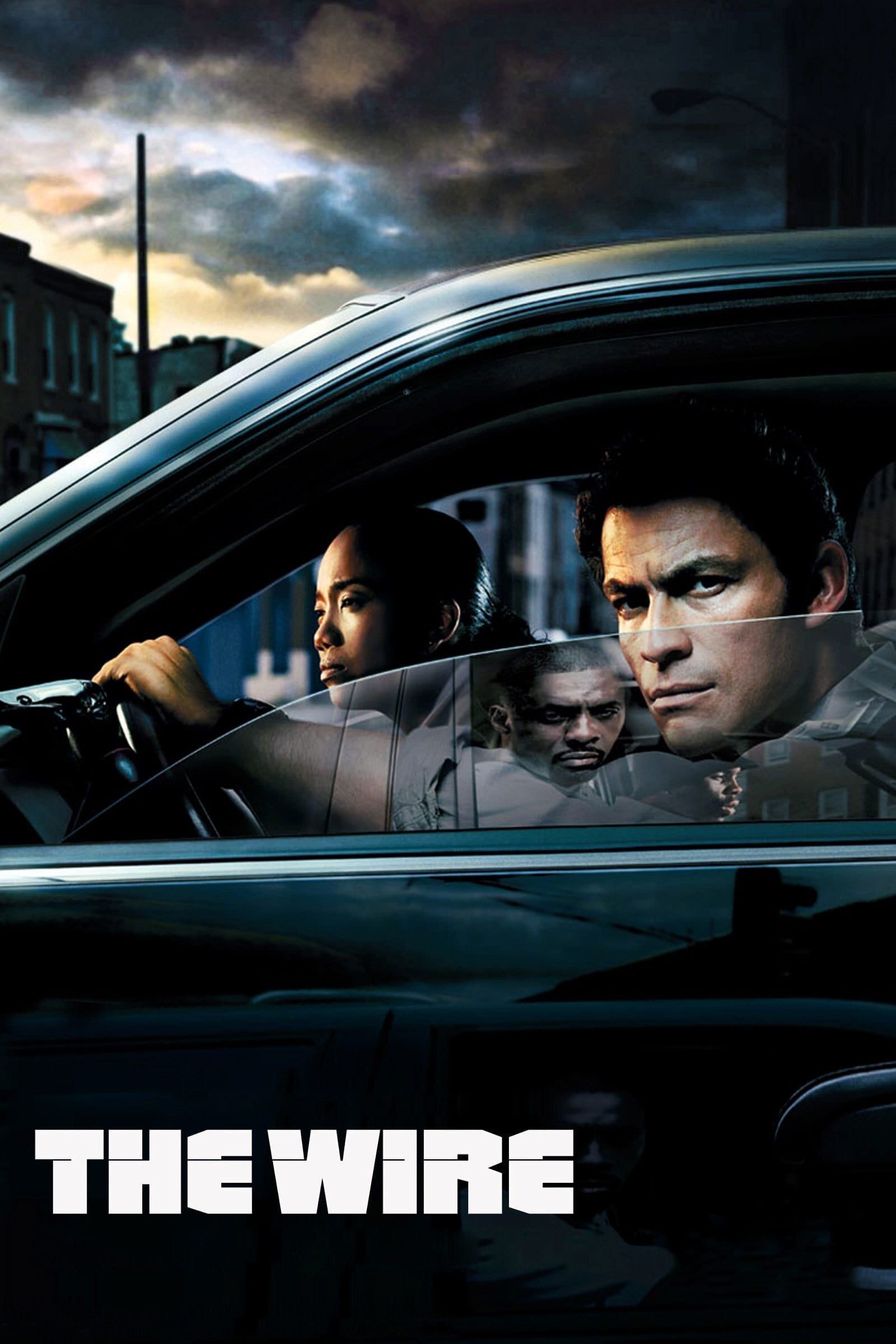
The Wire2002
Five seasons of Baltimore's drug trade, police corruption, and systemic failure. The same DNA: ground-level realism, institutions that harm the people they're meant to serve, no easy answers.
But It's a 60-hour commitment and notoriously slow to start. Some plot threads disappear, which infuriates certain viewers.
Not sure tonight? Get a pick in a minute, starting from Les Misérables
The wildcard
Something you would not have found on your own.
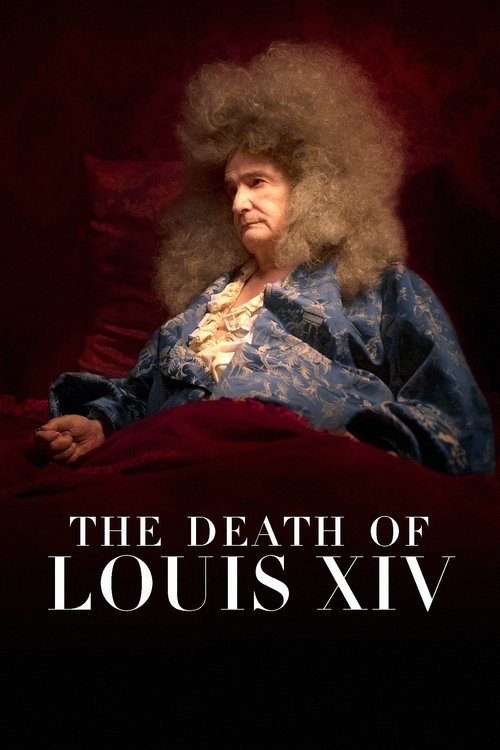
The Death of Louis XIV2016
Both films set in France, both obsessed with how systems and hierarchies collapse; one shows it from the bottom, one from the throne dissolving above.
Albert Serra's extraordinary reimagining of the Sun King's final illness—a meditation on power, decay, and the distance between authority and actual human vulnerability. Shot in color-saturated tableaux that feel like animated paintings.
But It's glacially slow, almost anti-narrative. The painterly approach means very little happens. Some call it pretentious; they're not entirely wrong.
More like this (7)
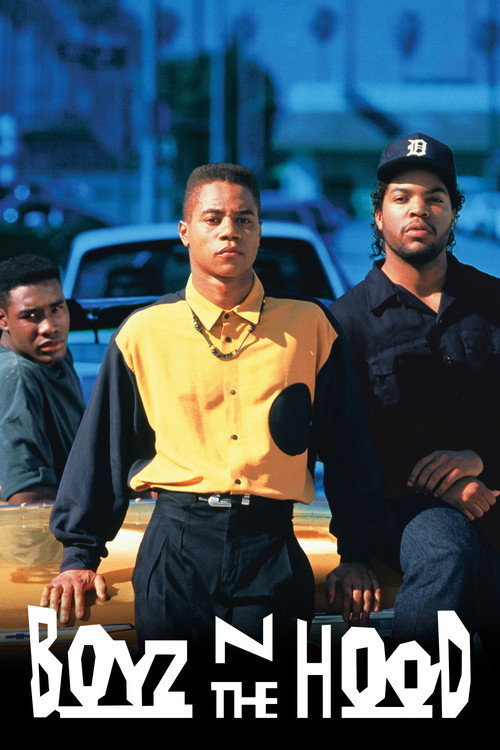
Boyz n the Hood1991
John Singleton's Los Angeles mirror to Montfermeil's Paris—young men trapped between gang logic and a system that doesn't protect them. Urgent, clear-eyed, humanizing without sentimentality.
But The dialogue can feel didactic. Some scenes prioritize message over naturalism.
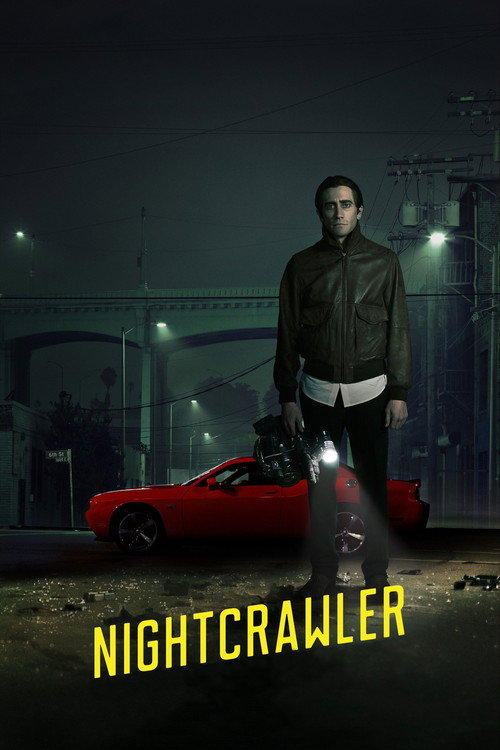
Nightcrawler2014
Jake Gyllenhaal as an amoral operator exposing Los Angeles's darkness. Like Les Misérables, it interrogates who benefits from documenting other people's suffering.
But The protagonist is so despicable that watching him thrive is genuinely unpleasant. Some find the cynicism suffocating rather than clarifying.
A Prophet2009
French prison thriller about systemic violence and survival. Mathieu Kassovitz (who wrote Les Misérables) made this—same eye for institutional machinery crushing individuals.
But It's grim and claustrophobic. The brutality is relentless and sometimes feels gratuitous.

Bodycam
An Israeli officer's body camera records an interrogation in occupied territory. Claustrophobic, ethically devastating, about how documentation changes nothing when power is asymmetrical.
But It's a single-location chamber piece. The repetition and lack of resolution frustrate some viewers.
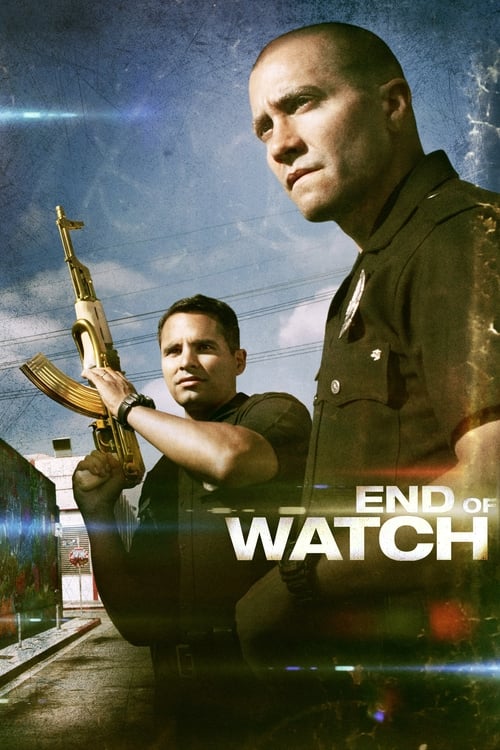
End of Watch2012
Jake Gyllenhaal again—two LA cops whose body camera and dashcam footage forms a found-footage thriller about brotherhood and vulnerability on the job.
But The found-footage format feels gimmicky. The third act pivots toward action movie logic that undercuts the realism.
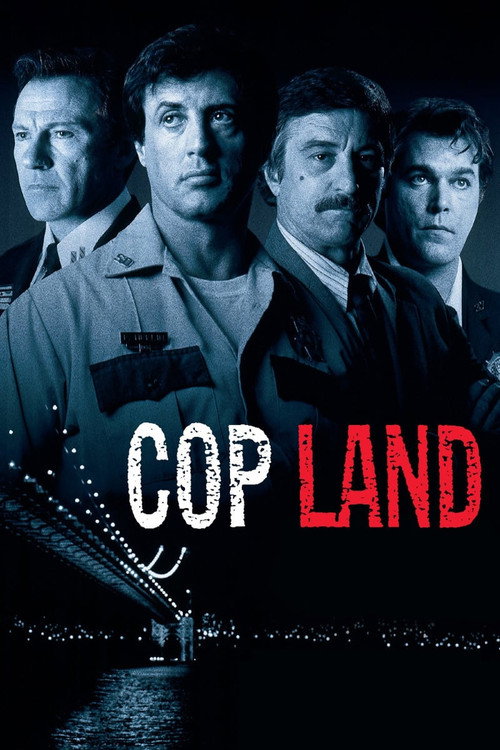
Cop Land1997
Stallone as a deaf New Jersey cop investigating police corruption. Interested in institutional rot and moral compromise, with a stellar ensemble cast earning their weight.
But Three hours long with baroque plotting that meanders. Some scenes feel like they're servicing character arcs rather than story.
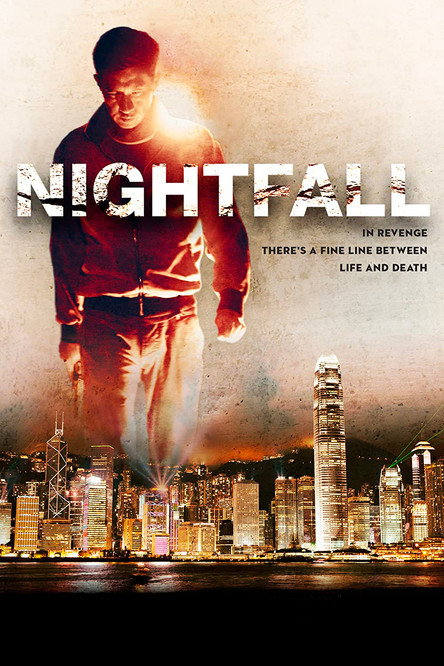
Nightfall2012
Same moral architecture—institutional indifference and personal decency colliding—but from Iran instead of France, and in a minor key instead of a major one.
Hassan Yektapanah's Iranian film about a detective and a working-class boy forming an unlikely bond after a crime. Quiet, moral, and beautifully acted. It shares Les Misérables' concern with who the system abandons, but in a completely different register—contemplative rather than urgent.
But It moves very gently. The pacing is meditative; some viewers find it underdramatic. The ending leaves threads intentionally untied.
People
Cast
 Damien BonnardStéphane
 Alexis ManentiChris
 Djebril ZongaGwada
 Steve TientcheuThe Mayor
 Jeanne BalibarThe Comissioner
 Issa PericaIssa
 Al-Hassan LyBuzz
 Almamy KanouteSalah
 Nizar Ben Fatma'La Pince'
 Raymond LopezZorro
 Luciano LopezLuciano
 Jaihson LopezJaihson
Directing
- Ladj LyDirector
- Arthur GuerrandFirst Assistant Director
- Jeanne Fontaine-SardaScript Supervisor
Writing
- Alexis ManentiWriter
- Giordano GederliniWriter
- Ladj LyWriter
Production
- Alice GirardAssociate Producer
- Benoît QuainonAssociate Producer
- Michel MerktAssociate Producer
- Sylvie PialatAssociate Producer
- Elise VogelCasting
- Christophe BarralProducer
- Toufik AyadiProducer
- Laurène LadogeProduction Manager