
Film
Bodycam
- Police procedural
- Very dark
A 17-minute documentary essay on police body cameras: what they record, what they hide, and the moral weight of being forced to witness. It's a formally daring piece that treats the camera itself as a character—asking urgent questions about surveillance, accountability, and who gets to see the truth. For anyone thinking seriously about policing, evidence, and power.
If you liked this
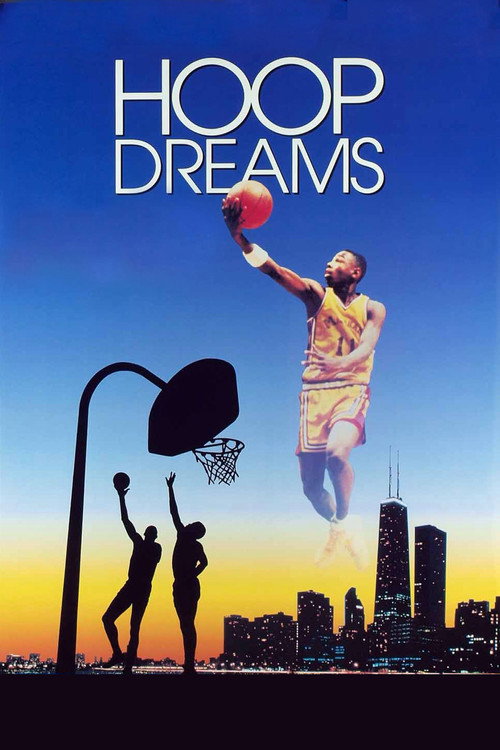
Hoop Dreams1994
A documentary that questions what the camera chooses to follow and what it ignores. It's ostensibly about basketball, but it's really about how perspective shapes reality—much like bodycam footage itself.
But It's three hours and deliberately meandering. The structure can feel slow if you're expecting a conventional sports film.
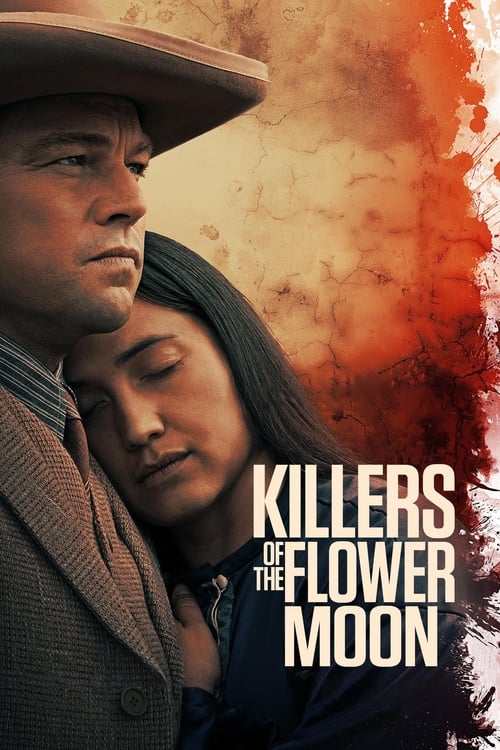
Killers of the Flower Moon2023
Scorsese's recent film examines surveillance, deception, and systems of power destroying lives. The camera becomes complicit in what it witnesses, raising questions about complicity and looking away.
But It's a long, unhurried examination of historical injustice. Some viewers find Scorsese's pace glacial, and the subject matter is deeply disturbing.
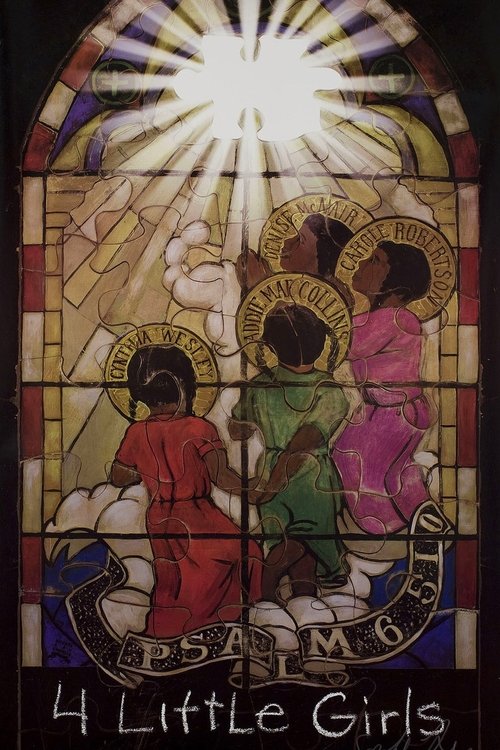
4 Little Girls1997
Spike Lee's documentary about a 1963 church bombing uses archival footage and testimony to confront what cameras did and didn't capture at a pivotal moment in American history.
But It's structured around unspeakable violence against children. Lee doesn't soften this for the viewer, and neither should you expect him to.
Not sure tonight? Get a pick in a minute, starting from Bodycam
The wildcard
Something you would not have found on your own.
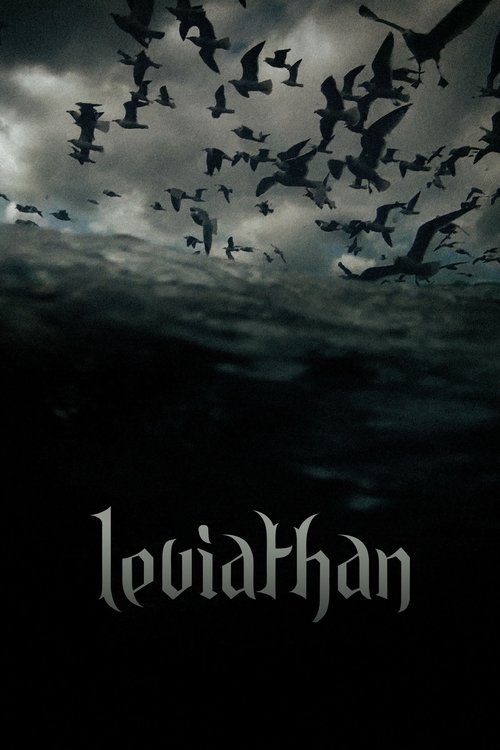
Leviathan2013
Both treat the camera as a neutral recorder while asking whether neutrality is possible. Both suggest that seeing everything doesn't mean understanding anything.
A Russian documentary that mounts a camera on a fishing boat and lets it record whatever happens. It's pure observation without commentary—raw, political, devastating. Like bodycam footage but with no pretense of proof or justice.
But It's three hours of largely static shots of death and decay. The non-narrative structure demands patience most viewers don't have. It's also in Russian with minimal dialogue.
More like this (7)
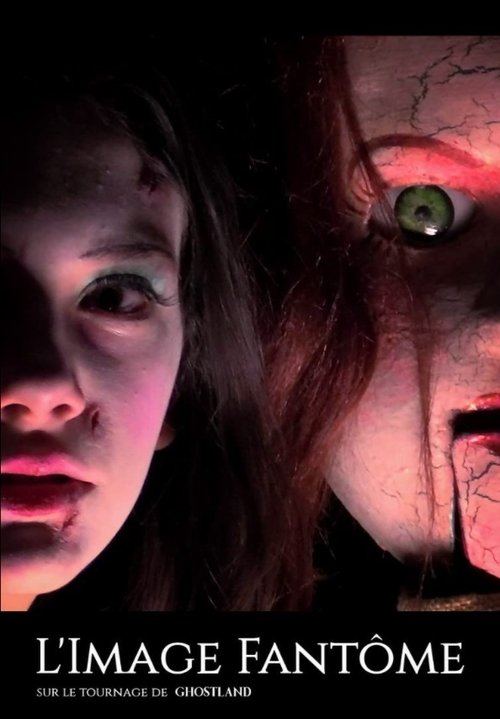
The Ghost Image - On the set of Ghostland2018
A horror film that uses found footage and subjective perspective to question reliability and trauma. It's formally inventive in ways that mirror how bodycam footage distorts reality.
But It's horror, and deliberately disorienting. If you're looking for clarity or comfort, this actively works against that goal.
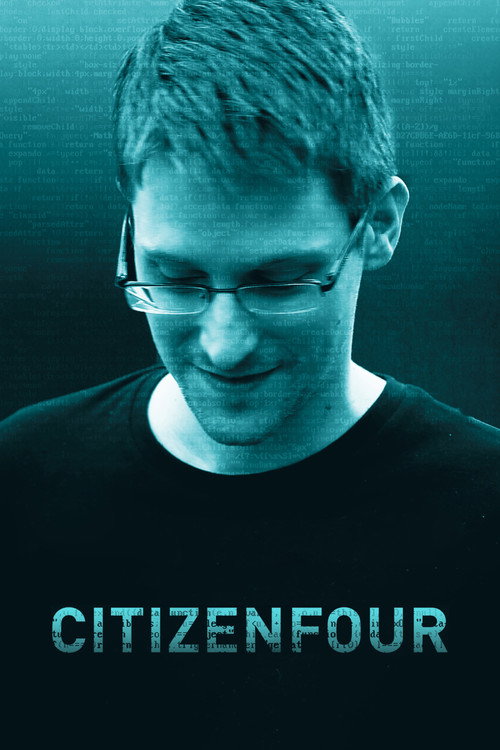
Citizenfour2014
Laura Poitras's documentary about Edward Snowden grapples with surveillance, the power of recording, and what happens when the camera becomes evidence of state overreach.
But It's dense with technical detail and political ideology. If you're not already engaged with surveillance politics, it can feel didactic.
Grey Gardens1976
A cinéma vérité masterpiece where the camera's presence fundamentally shapes what we see. It's a meditation on observation, consent, and what the recording eye does to its subjects.
But It's uncomfortably voyeuristic and sometimes feels cruel. The subjects' decline is real, and the film doesn't apologize for documenting it.

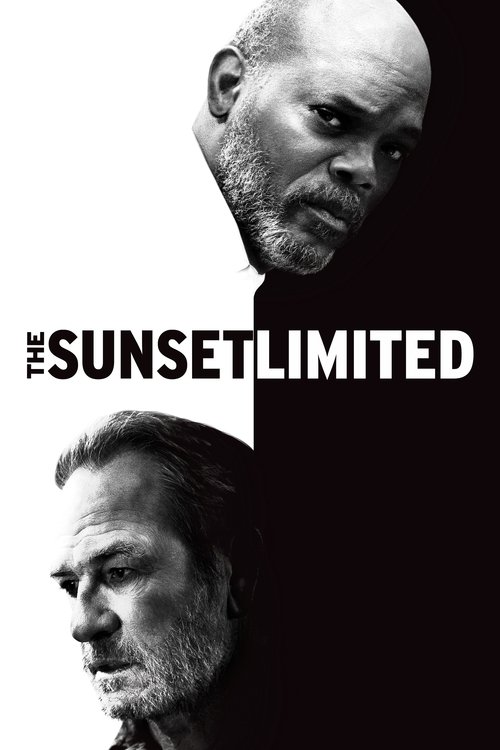
The Sunset Limited2011
A philosophical two-character film about looking inward and the impossibility of true understanding. It's sparse and meditative—about what dialogue captures and what it misses.
But There's almost no plot. If you need external action or traditional narrative momentum, this will feel static and claustrophobic.
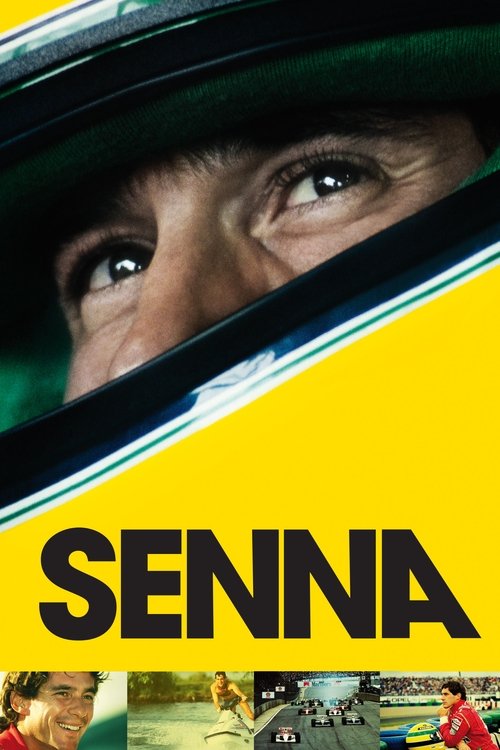
Senna2010
Oscar-winning documentary constructed entirely from archival footage and interviews. It's a masterclass in how editing and framing shape our understanding of recorded reality.
But Even if you love Formula 1, the length and repetitive narrative structure (triumph, setback, repeat) can feel monotonous.
The Act of Killing2012
Both explore whether the camera reveals truth or creates it. Both ask: whose perspective does the lens serve?
An Indonesian documentary where the director gets genocide perpetrators to reenact their crimes on camera. It's a radical inversion of bodycam logic—asking what happens when the camera serves the powerful instead of documenting them.
But It's morally queasy and formally weird. Some viewers find the reenactments exploitative, and the film's ethics are genuinely unresolved. It's also nearly three hours.

Sans Soleil1983
While Bodycam asks what the camera's gaze reveals, Marker asks what it always obscures. Both are formal investigations of observation as a moral act.
Chris Marker's essay film about memory, image, and what cameras can't capture. It's experimental and lyrical—the opposite of bodycam footage's legal pretension. A meditation on looking itself.
But It's abstract, deliberately oblique, and structured like a letter rather than a story. There's no plot. If you need concrete narrative, this will frustrate you.

People
Directing
- Stéphane MyczkowskiDirector
Writing
- Derek RawsonWriter
- Martin LecointeWriter
- Stéphane MyczkowskiWriter