
Film
Bride of the Storm
A 1926 silent melodrama where an American heiress, shipwrecked and raised by lighthouse keepers, is held captive for her fortune until a sailor arrives to sweep her away. It's pure emotional cinema—Dolores Costello's expressive face carries the whole thing, while storms rage and villains plot. Exactly what silent drama fans crave.
If you liked this
The Phantom Carriage1921
Vik Sjöström's masterpiece of guilt, redemption, and supernatural haunting. If you love how silents use faces and atmosphere to wreck you emotionally, this is the summit. Swedish cinema at its peak.
But The pacing is deliberate and the mood unrelenting. There's no lightness here, just existential dread and the weight of past sins.

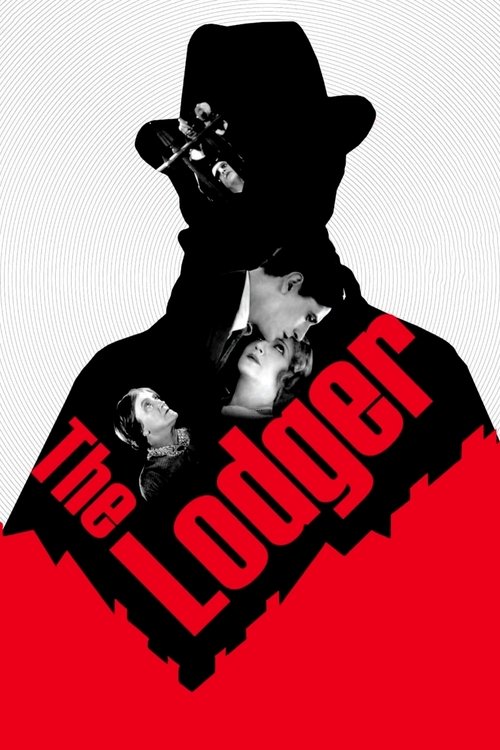
The Lodger: A Story of the London Fog1927
Hitchcock's silent thriller about a mysterious lodger in a London boarding house during a serial killer panic. Visually inventive, genuinely suspenseful, and it proves silent cinema could do psychological tension.
But The plot hinges on class anxiety and mistrust of outsiders in ways that feel dated. And it's short enough that you might want more.
Sunrise: A Song of Two Humans1927
A husband tempted to murder his wife by another woman, then reconciliation. F.W. Murnau made something transcendent about love, guilt, and forgiveness. The cinematography rewrites what camera could do.
But It's self-consciously artistic and occasionally sentimental in a way that feels heavy-handed now. The fantasy sequences might test your patience.

Not sure tonight? Get a pick in a minute, starting from Bride of the Storm
The wildcard
Something you would not have found on your own.
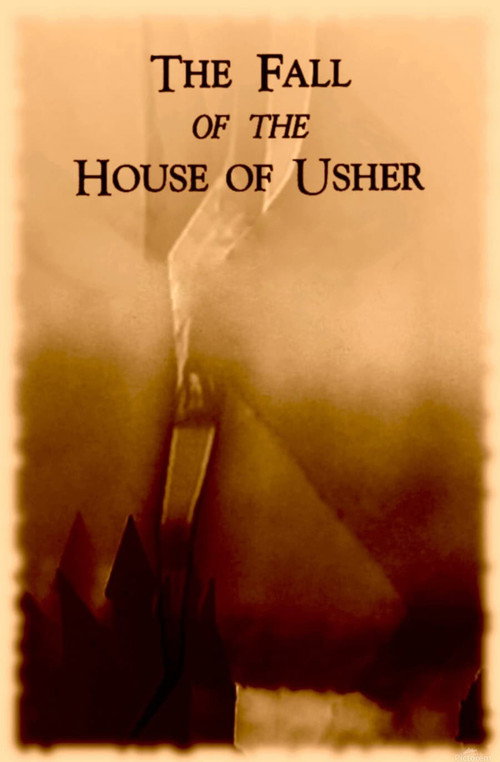
The Fall of the House of Usher1928
Both trap their heroines in isolated, enclosed spaces where outside men must rescue them from architectural and family prisons. But Epstein unmakes the rescue entirely—the house and its decay are the real characters.
Jean Epstein's avant-garde adaptation of Poe—forget plot, this is pure atmosphere and dread. Distorted lenses, superimposed images, decay made visual. It's what happens when experimental cinema meets gothic horror. Poe would recognize himself.
But There is almost no narrative conventional sense. If you watch it expecting story, you'll be lost and frustrated. It demands you surrender to mood and imagery.
More like this (7)
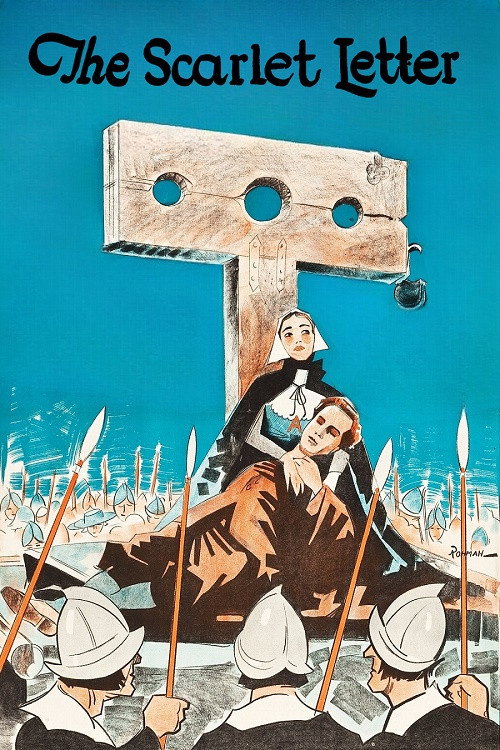
The Scarlet Letter1927
Lillian Gish in Hawthorne's Puritan guilt story. A woman branded by shame and desire in a repressive community. The silent medium lets her suffering become almost abstract—it's devastating.
But Literary adaptations of this era can feel stagey and over-explain the emotional stakes when they should let your face do the work.
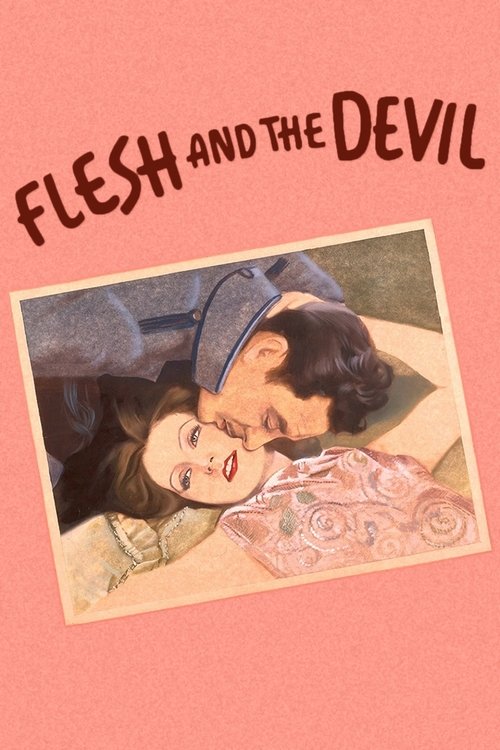
Flesh and the Devil1926
Greta Garbo as a temptress who destroys a friendship between two men. It's about desire, betrayal, and the way one person can unravel everything. Garbo's eyes contain multitudes.
But The gender politics are what you'd expect from 1926—the woman is the destroyer, the men are victims of her beauty. It's seductive but uncomfortable.
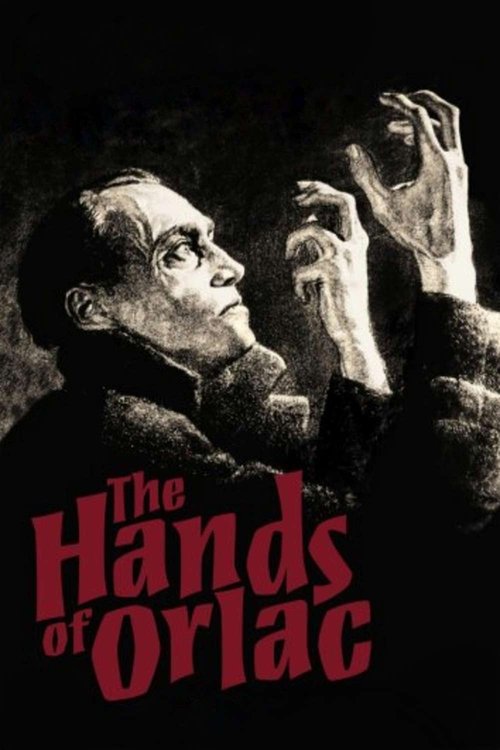
The Hands of Orlac1924
A concert pianist gets a murderer's hands transplanted after an accident and descends into paranoia. Early horror that's genuinely creepy, with superb German Expressionist set design and a claustrophobic atmosphere.
But The science is nonsense and it moves slowly. Also, some of the acting borders on camp, though that's part of the charm.
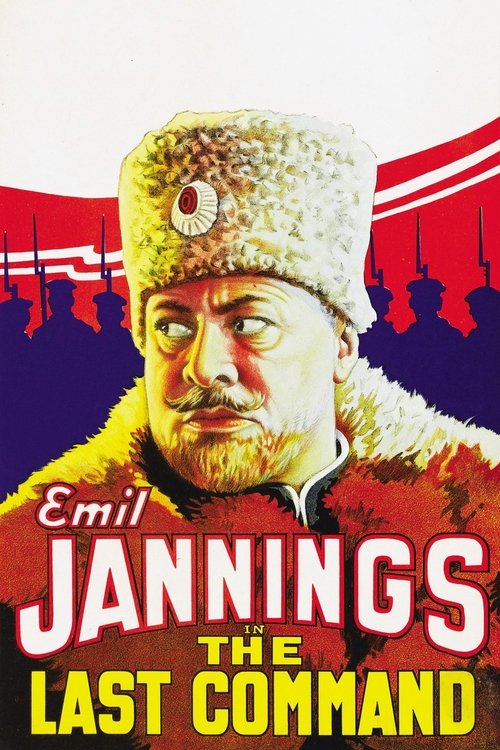
The Last Command1928
Emil Jannings as a Russian general reduced to bit parts in Hollywood films, haunted by his past. It's about pride, exile, and the cruel transience of power. The performance is massive and heartbreaking.
But The revenge plot is melodramatic and the ending feels forced. And at nearly two hours, it tests whether you're invested enough in one man's bitterness.
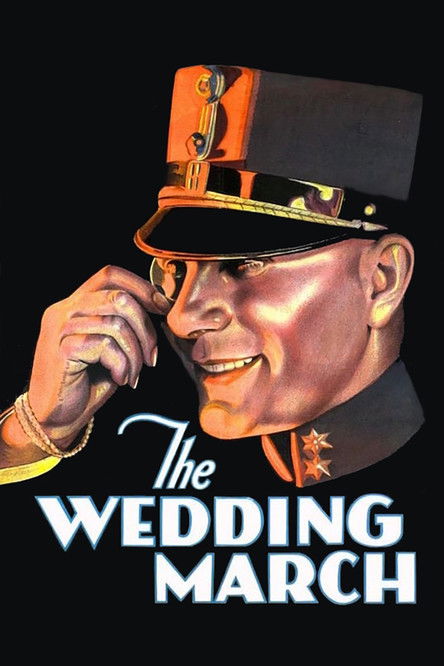
The Wedding March1928
Erich von Stroheim as a dissolute Austrian officer forced into a loveless marriage for money. Darkly comic and baroque, with a visual style so excessive it becomes its own kind of poetry about decay and compromise.
But It's nearly three hours and the indulgence is deliberate—Stroheim luxuriates in every moment of corruption. Some will find it tedious; others will worship it.
Pandora's Box1929
Where Bride of the Storm's Faith is captive and passive, Lulu is active and free—and that freedom, paradoxically, destroys as much as Piet's imprisonment. Both films are about what happens when a woman's body and fortune are contested.
G.W. Pabst's final silent masterpiece with Louise Brooks as Lulu, a woman whose sexuality and refusal to be controlled destroys everyone around her. She's neither victim nor villain—she simply exists, and that's catastrophic. Brooks is unforgettable.
But Lulu is amoral and the men who love her suffer for it. If you watch silents for sympathetic heroines, this inverts everything. Also: the ending is grim.

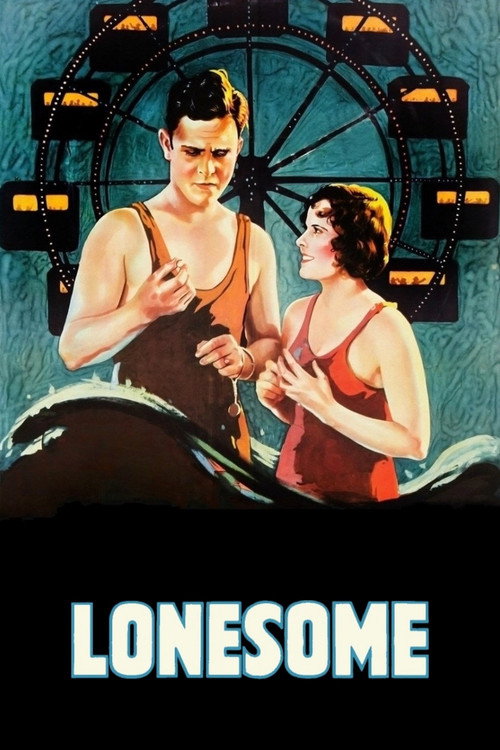
Lonesome1928
Like Bride of the Storm, Lonesome is built on the arrival of a stranger who offers salvation from isolation. But Fejos makes the rescue mutual and quotidian—not dramatic rescue but human connection, glimpsed in a single day and possibly lost forever.
Paul Fejos made a love story in the crowds of New York—two lonely people meet at Coney Island and fall in love in a single evening. It switches between black-and-white and hand-tinted color, between realism and dream. Unbearably tender and modern.
But Nothing happens externally. A man and woman spend a day together. There are no villains, no rescues, no inheritance plots. If you want melodrama, this is its opposite.
People
Cast
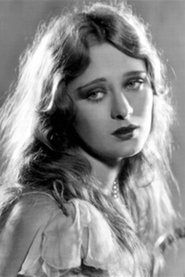 Dolores CostelloFaith Fitzhugh
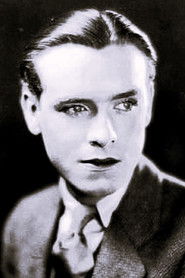 John HarronDick Wayne
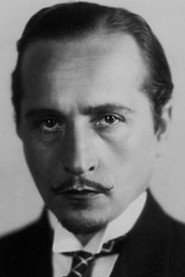 Otto MatiesonHans Kroon
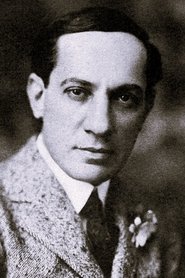 Sheldon LewisPiet Kroon
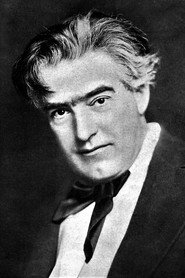 Tyrone Power Sr.Jacob Kroon
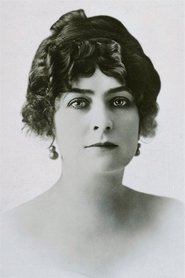 Julia Swayne GordonFaith's Mother
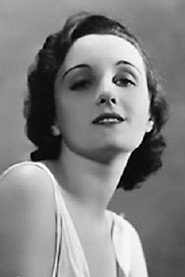 Yvonne PelletierFaith - age 8
- Ira McFaddenHeine Krutz
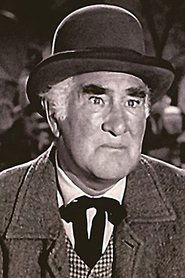 Tudor OwenFuneral Harry
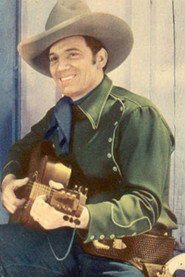 Fred ScottSpike Mulligan
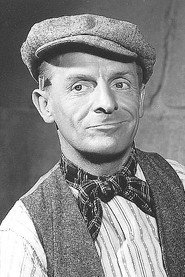 Donald StuartAngus McLain
- Walter TennysonEnsign Clinton
Directing
- J. Stuart BlacktonDirector
Writing
- James Francis DwyerStory
- Marian Constance BlacktonWriter