
Film
The Love of Sunya
A 1927 silent drama where Gloria Swanson's character receives mystical glimpses of alternate futures, forcing her to choose between love, security, and self-determination. It's a meditation on fate wrapped in glamorous melodrama, showcasing Swanson's luminous star power and the era's fascination with the supernatural as a lens for moral reckoning.
Should you watch it?
Watch it if you love silent-era melodrama where a star's face carries the whole story, and you don't mind a fanciful premise treated with full sincerity.
Skip it if you want a brisk modern plot, since this one lingers on mood and melodramatic gesture and can feel stagey to anyone raised on faster cinema.
What it asks of you: Seventy-eight minutes long, almost entirely silent, it moves at a deliberate pace and plays its emotions broad, with title cards doing much of the talking.
Not sure? Find tonight's pick in a minute.
If you liked this
Sunrise: A Song of Two Humans1927
Released the same year, this masterpiece uses visual poetry and supernatural elements to explore love's transformative power. A towering achievement of silent cinema that shares The Love of Sunya's belief in cinema's ability to visualize the invisible.
But The pacing is deliberately slow and meditative; modern viewers accustomed to faster cutting may find stretches difficult.

The Phantom Carriage1921
A Swedish ghost story where a man sees visions of his possible futures, directly paralleling Sunya's structure. Visually stunning and emotionally devastating, it proves the mystical-vision premise is potent in the right hands.
But It's darker and more expressionistic than Sunya; some find it bleak rather than hopeful.

Madame DuBarry1919
Swanson in a historical melodrama full of costume, intrigue, and moral complexity. If you're drawn to her star presence in Sunya, this showcases her range across a grander canvas.
But The plot is fairly conventional; it relies heavily on Swanson's charm rather than surprising narrative turns.

Not sure tonight? Get a pick in a minute, starting from The Love of Sunya
The wildcard
Something you would not have found on your own.
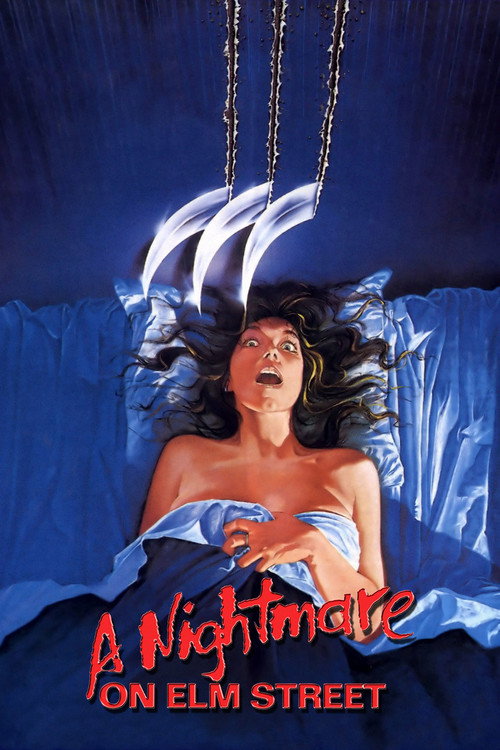
A Nightmare on Elm Street1984
Both use premonitory visions as plot engine, exploring whether fate can be dodged or is fixed.
Like Sunya, it uses visions and dreams as the machinery of the plot—what you see might determine what happens. Both films ask: if you know a future, can you prevent it? Wes Craven's film is visceral where Sunya is ethereal, but they're spiritual cousins in structure and metaphysics.
But It's a slasher horror film with graphic kills; nothing like the romantic register of Sunya, and the gore will alienate those seeking period romance.
More like this (8)
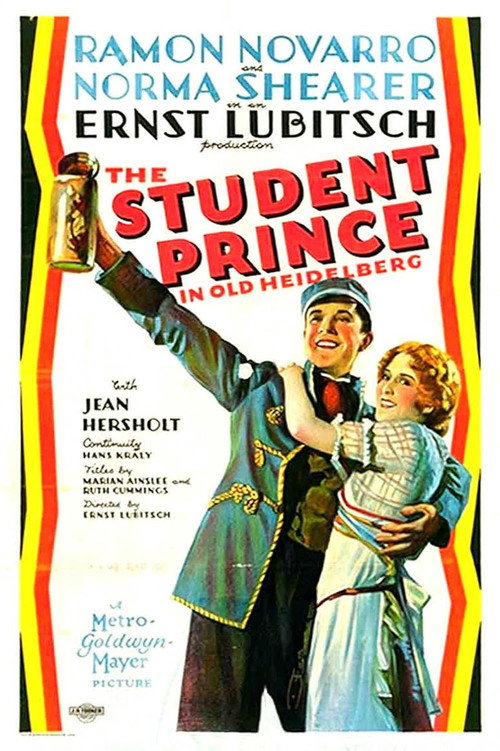
The Student Prince in Old Heidelberg1928
Another 1927 romance about choosing between duty and desire, with sumptuous production design and genuine emotional stakes. A solid, moving period piece from the same moment.
But It's sentimental in ways that can feel dated; the prince's dilemma is less philosophically interesting than Sunya's.
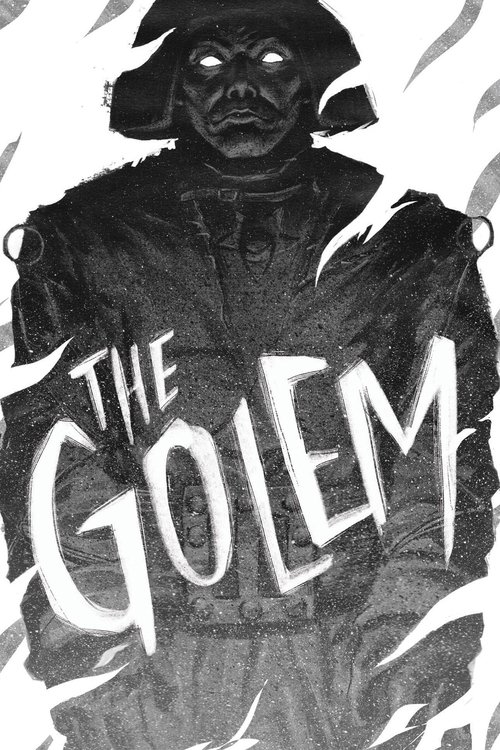
The Golem: How He Came into the World1920
German expressionism meets the supernatural: a film about creating a protective force that becomes dangerous. It shares Sunya's interest in fate, intervention, and whether we can cheat destiny.
But It's visually much harsher and more unsettling; the tone is horror-adjacent, not romantic.
The Woman on Trial1927
A 1927 courtroom drama centered on a woman's life choices and their consequences. Lighter than Sunya but thematically aligned, exploring how society judges women's decisions.
But The courtroom framework feels a bit theatrical and can oversimplify moral questions.

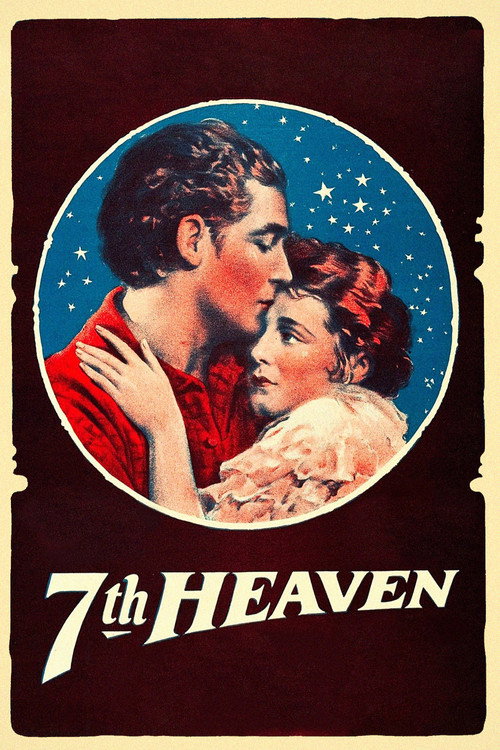
7th Heaven1927
An earlier Boles and Swanson-era romance about love transcending circumstance, with genuine warmth and a spiritual undercurrent. Emotionally direct where Sunya is more abstract.
But The sentimentality is unironic and thick; if you prefer subtlety, this will feel obvious.
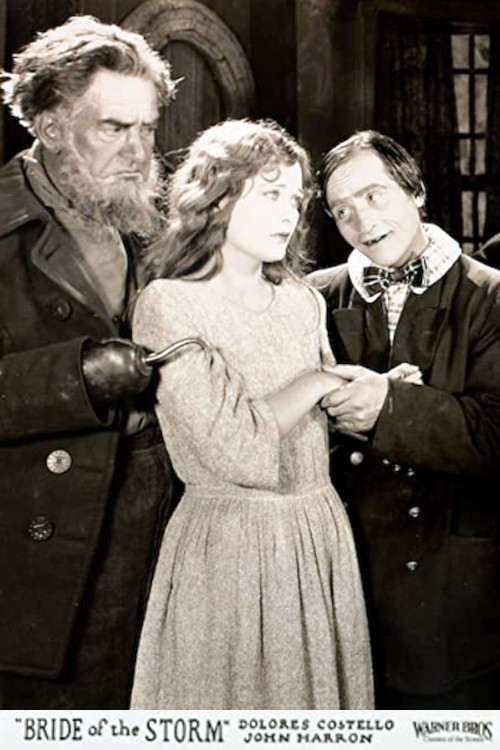
Bride of the Storm1926
A melodrama about a woman's pivotal choice between two men and two futures, with atmospheric cinematography and real emotional weight. Very much in Sunya's wheelhouse.
But The resolution relies on coincidence and providence rather than character agency; some find that frustrating.
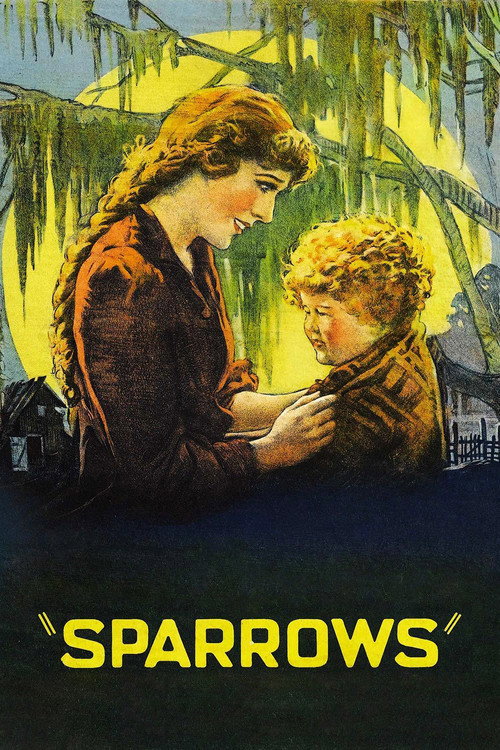
Sparrows1926
A Mary Pickford film about resilience and maternal love in hardship. Less mystical than Sunya but equally concerned with how we endure and choose kindness despite suffering.
But It's a more conventional rescue narrative; the philosophical ambition is lower.
Stalker1979
Both present visions of possible futures and ask whether knowing them changes anything; both suggest the real question is who we are, not what will happen.
Tarkovsky's science-fiction meditation on desire, choice, and the unknowability of the future. A man guides people into a mysterious zone that grants wishes—or reveals what they truly want. Visually hypnotic and philosophically rich, it's what Sunya's mystical premise becomes in the hands of a poet.
But It's deliberately slow, dialogue-sparse, and abstract; there is no plot in the conventional sense. Requires patience and tolerance for ambiguity.

Synecdoche, New York2008
Both center on a character shown multiple possible lives and forced to confront the impossibility of knowing the right choice before you make it.
A theater director builds an increasingly elaborate replica of life, blurring reality and artifice, unable to choose which path to take. Like Sunya, it's about a protagonist haunted by alternate versions of their life and paralyzed by the weight of choice. Visually baroque and emotionally devastating.
But It's deliberately confusing and structurally fractured; the narrative loops and contradicts itself. Many find it maddening rather than profound.

People
Cast
 Gloria SwansonSunya Ashling
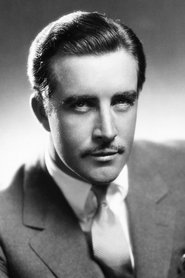 John BolesPaul Judson
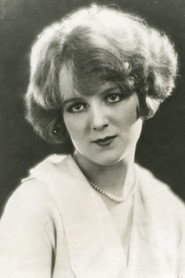 Pauline GaronAnna Hagan
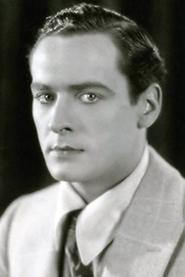 Ian KeithLouis Anthony
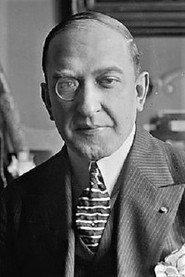 Andrés de SegurolaPaolo deSalvo
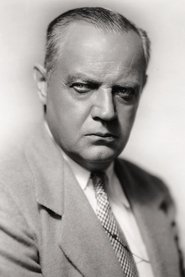 Anders RandolfRobert Goring
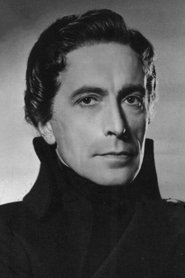 Hugh MillerThe Outcast
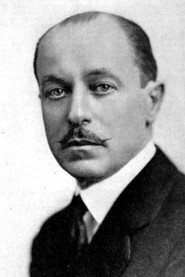 Robert SchableHenri Picard
 Ivan LebedeffTed Morgan (as Ivan B. Lebedeff)
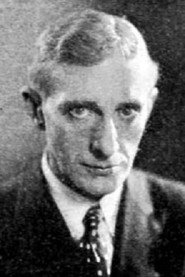 John MilternAsa Ashling
 Raymond HackettKenneth Ashling
 Florence FairRita Ashling (as Flobelle Fairbanks)
Directing
- Albert ParkerDirector
Writing
- Earle BrowneAdaptation
- Charles GuernonTheatre Play
- Max MarcinTheatre Play