
Film
Madame DuBarry
A 1919 German silent film depicting the rise of Jeanne Vaubernier from laundress to Louis XV's celebrated mistress. Pola Negri and Emil Jannings carry this lavish period drama through court intrigue, romance, and the gathering shadows of revolution. Visually sumptuous and emotionally direct in the way only silent cinema could be.
If you liked this
Sunrise: A Song of Two Humans1927
F.W. Murnau's masterpiece about desire, temptation, and moral reckoning uses the same visual poetry and emotional intensity as Madame DuBarry, with a camera that seems to feel everything.
But It's experimental in structure—the plot is simple, but the storytelling isn't conventional. The pacing demands patience.

The Phantom Carriage1921
Ystjn Gade's Swedish ghost story matches DuBarry's ambition to make silent film convey inner life through image alone. Haunting, visually astonishing, spiritually weightier than it first appears.
But The supernatural framework might feel dated if you're not primed for it. Slower than modern cinema, and deliberately so.

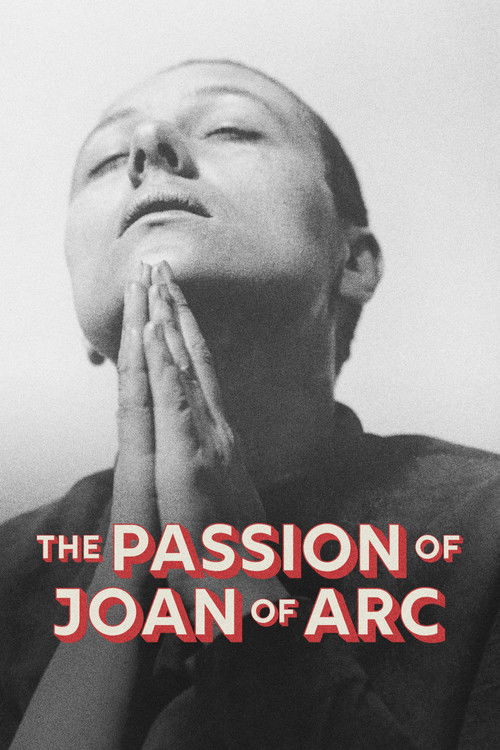
The Passion of Joan of Arc1928
Renée Jeanne Galo's devastating performance under Carl Theodor Dreyer captures the same intensity Pola Negri brings to court drama—a woman's face bearing the full weight of history and desire.
But Intensely bleak. The ending is not a triumph, and the film doesn't soften that. Emotionally exhausting in the best way.
Not sure tonight? Get a pick in a minute, starting from Madame DuBarry
The wildcard
Something you would not have found on your own.
Nosferatu1922
Both are German-language silents about the gravity of desire, using visual abstraction to convey interior states. But where DuBarry frames passion as romantic drama, Nosferatu reframes it as existential threat.
F.W. Murnau's vampire film emerges from the same German Expressionist ferment as DuBarry but remakes the language of desire and seduction as horror. A count pursuing a woman with the same intensity as a king, but the outcome is damnation not triumph.
But It's a horror film, and some viewers find the aesthetic dated. The pacing privileges mood over plot, which frustrates viewers expecting narrative momentum.

More like this (8)
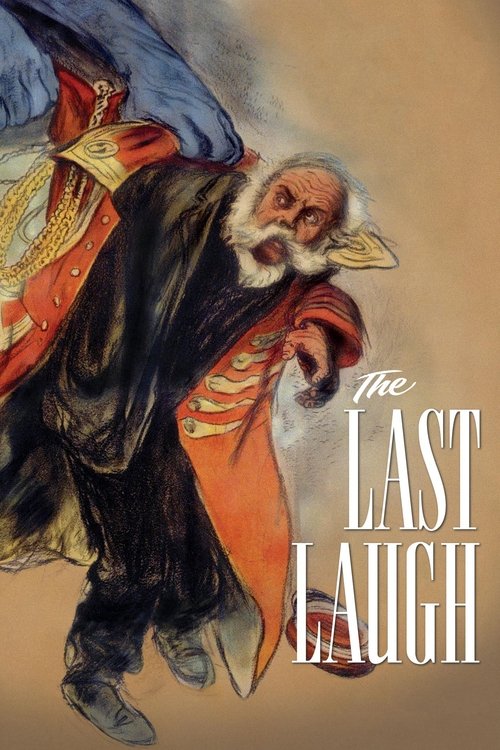
The Last Laugh1924
Murnau and Jannings (DuBarry's own male lead) created a film about status, humiliation, and the fragility of dignity. Visually revolutionary and still gripping—proof that silent cinema was never primitive.
But The opening feels slow and the emotional register is minor-key melancholy rather than dramatic sweep. Some find it tedious before the transformation hits.
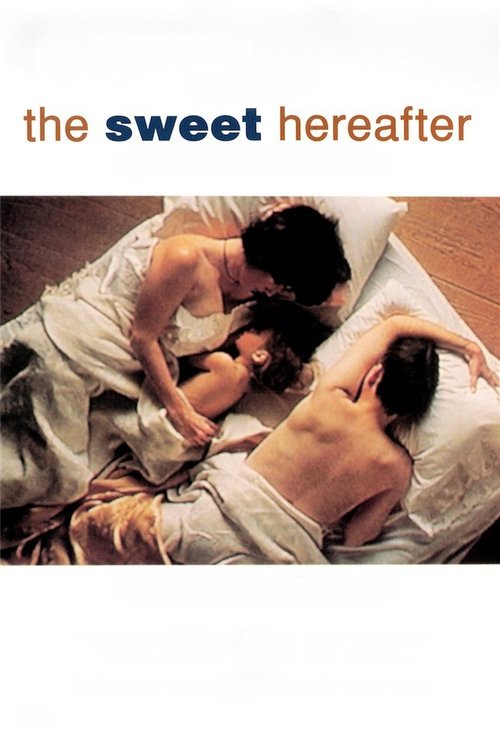
The Sweet Hereafter1997
Danish director Holger-Madsen made a film about mortality, regret, and the spaces between certainty and doubt. Metaphysical without being precious, and genuinely moving about lives lived and lost.
But Philosophically inclined but not plot-driven. Long sequences of contemplation might feel preachy to viewers wanting narrative momentum.
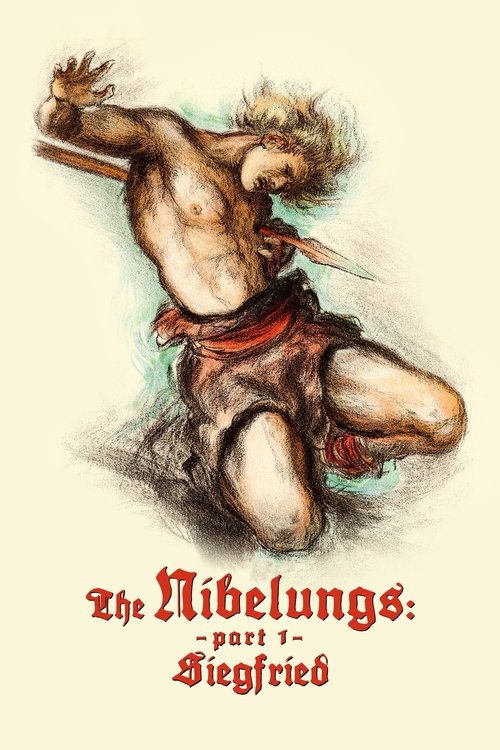
Die Nibelungen: Siegfried1924
Fritz Lang's two-part Norse epic has the same sweeping historical ambition and visual grandeur as DuBarry, with a narrative scope that feels genuinely monumental.
But Nearly five hours across two films. The pacing is deliberate to the point where commitment is required before engagement arrives.
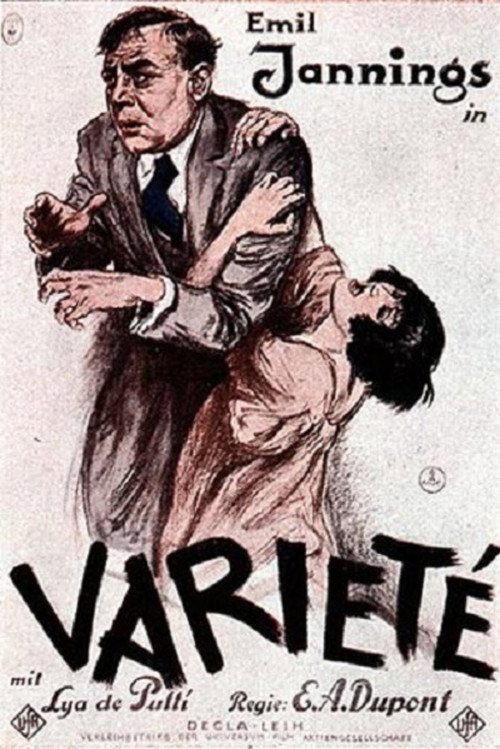
Variety1925
Ewald André Dupont's film about desire and betrayal in the circus uses camera movement and visual invention to make jealousy and temptation visceral. Pure cinema language.
But The plot is lurid and the moral universe cynical. If you need characters to be sympathetic, you'll struggle.
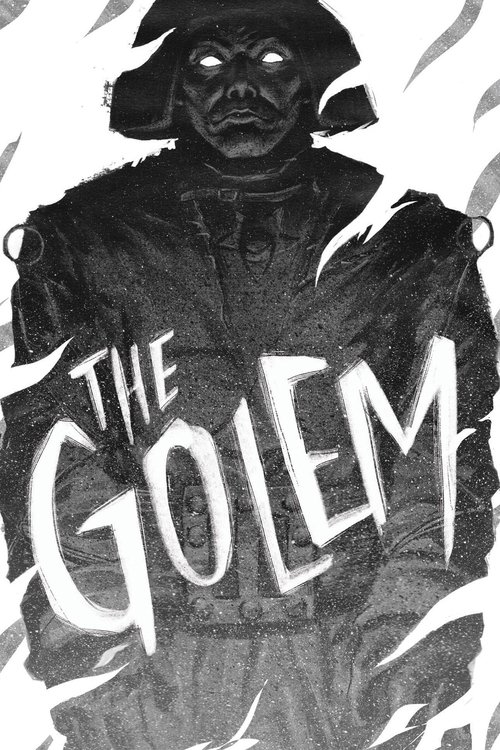
The Golem: How He Came into the World1920
Paul Wegener's expressionist masterpiece is a German-language film from the same era using shadow and distortion to make the supernatural feel inevitable. Visually stunning and genuinely unsettling.
But The mythological framework demands buy-in. If you're sceptical of fantasy trappings, the story underneath might not hold you.
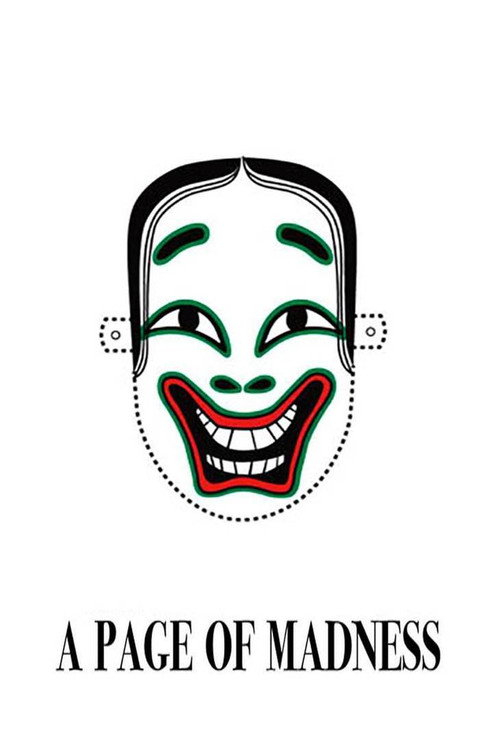
A Page of Madness1926
Teinosuke Kinugasa's Japanese experimental film about memory, asylum, and devotion uses form to reflect fragmented consciousness. Bolder formally than anything in mainstream Western cinema of the era.
But Genuinely challenging to follow. No intertitles, abstract editing, the plot deliberately obscured. Demands active interpretation rather than passive consumption.
Pandora's Box1929
Both center women whose sexuality is their currency and their weapon in patriarchal systems. DuBarry aestheticizes this as tragedy; Pabst presents it as social anatomy—more clinical, less romantic.
G.W. Pabst's adaptation of Wedekind's plays stars Louise Brooks in a performance of raw sexual power. DuBarry shows a woman rising through seduction; Pandora's Box shows the cost—visually frank and morally unflinching.
But Contains frank depictions of sexuality and same-sex desire that predate any coded language. The sexual content is presented matter-of-factly, which some find transgressive still.

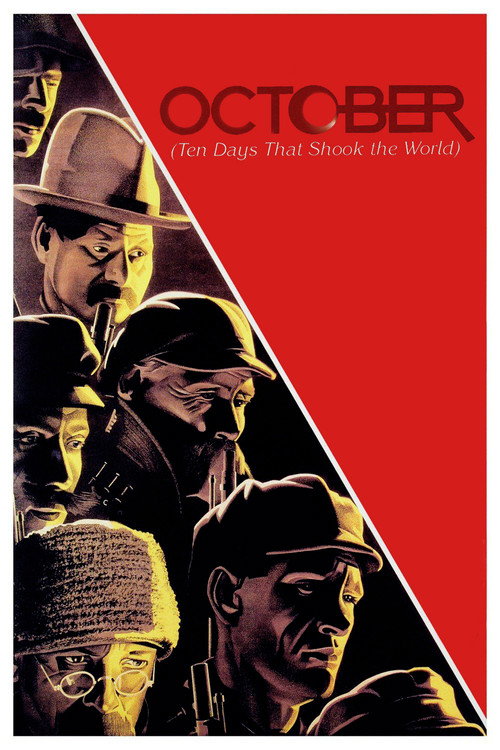
October (Ten Days that Shook the World)1928
DuBarry ends with revolution approaching; October depicts it arriving. Where DuBarry is courtly and intimate, Eisenstein makes revolution a mass phenomenon. Both ask what happens when systems of power collapse, but speak in utterly different cinematic languages.
Sergei Eisenstein's revolutionary epic about the Russian Revolution uses the same historical moment DuBarry anticipates to interrogate power, class, and the machinery of historical change. Visually radical and formally revolutionary—cinema as argument.
But The montage technique is demanding and the political argument is explicit and uncompromising. No emotional comfort, no neutrality. Requires intellectual engagement as much as aesthetic appreciation.
People
Cast
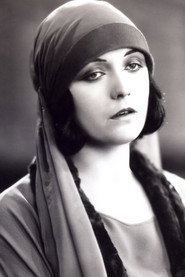 Pola NegriJeanne Vaubernier - later Madame du Barry
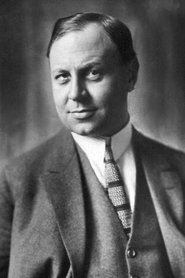 Emil JanningsLudwig XV.
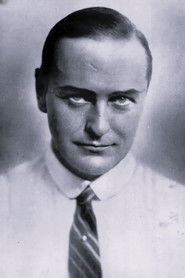 Harry LiedtkeArmand De Foix
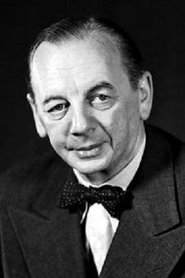 Reinhold SchünzelDuke of Choiseul
- Eduard von WintersteinGraf Jean du Barry
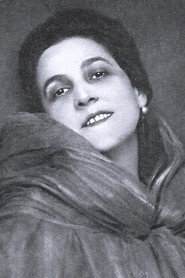 Else BernaGraefin Gramont
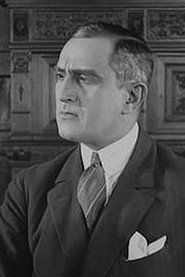 Fred ImmlerRichelieu
- Gustav CzimegAiguillon
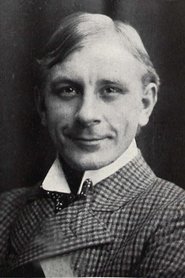 Karl PlatenGuillaume du Barry
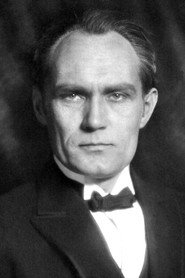 Bernhard GoetzkeRevolutionär
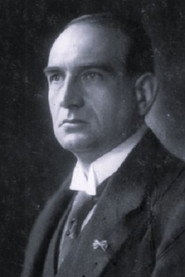
- Magnus StifterDon Diego
Directing
- Fritz Arno WagnerAssistant Director
- Ernst LubitschDirector
Writing
- Hanns KrälyWriter
- Norbert FalkWriter
Production
- Paul DavidsonProducer