
Film
Die Nibelungen: Siegfried
Fritz Lang's 1924 silent epic recounts the Nibelung legend with Germanic mythology as its stage. Visually sumptuous, operating at the scale and ambition of early cinema at its most audacious, it transforms medieval heroism into a series of tableaux—dragon-slaying, treasure, courtship—that feel mythic rather than narrative. For those who want to understand what silent film could accomplish, or who simply love watching cinema discover itself.
Should you watch it?
Watch it if you love silent-era spectacle where painted sets, huge crowd staging and stylised myth carry the emotion more than dialogue ever could, and you don't mind a slow, ceremonial build.
Skip it if you need quick cuts, naturalistic acting or a story that moves briskly, since this one lingers over courtly ritual and gestures at nearly three hours of length.
What it asks of you: It runs close to two and a half hours and rewards patience, with long stately scenes, intertitles to read, and a steady formal rhythm rather than fast momentum.
Not sure? Find tonight's pick in a minute.
If you liked this
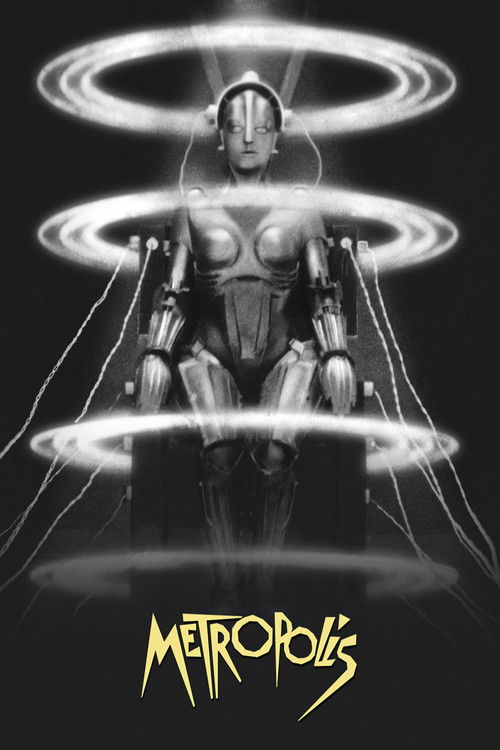
Metropolis1927
Lang's other masterpiece: a more intricate machine of image and idea, exploring a future city with the same technical virtuosity he brought to myth. You'll see his visual language matured.
But Nearly three hours, black-and-white, and the restored version emphasizes the mechanical plotting—it can feel more like watching a diagram than living inside a story.
Intolerance: Love's Struggle Throughout the Ages1916
D.W. Griffith's four-narrative epic tackles ambition on a scale that makes most films look modest. If you loved Siegfried's grandeur and mythic sweep, this is what inspired it.
But The pacing is glacial by modern standards, and Griffith's racial politics are deeply embedded in the work. It requires both patience and a strong stomach.

The Cabinet of Dr. Caligari1920
German Expressionism at its most hallucinatory: painted sets, twisted shadows, psychological dread. Made before Siegfried, it shows the visual language Lang inherited and transformed.
But At 71 minutes it's brief, but it's also abstract and unsettling—closer to a fever dream than a story. Some will find it airless.

Not sure tonight? Get a pick in a minute, starting from Die Nibelungen: Siegfried
The wildcard
Something you would not have found on your own.
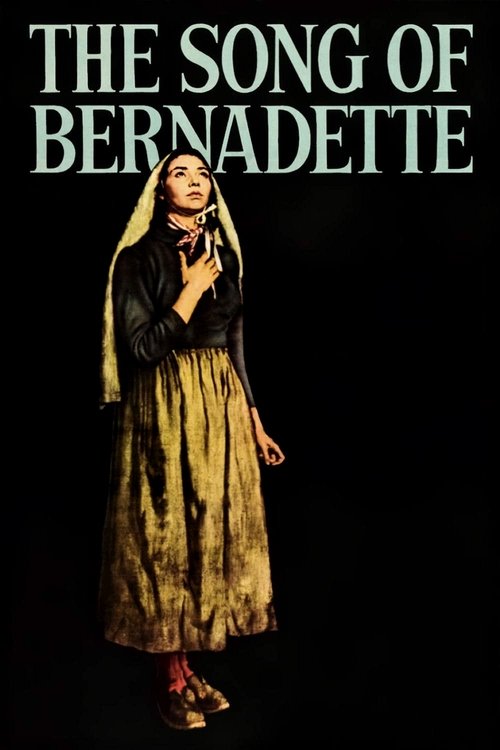
The Song of Bernadette1943
Both films treat legend as truth worth filming at epic scale, using costume and architecture as part of the narrative language rather than mere decoration.
Made in Hollywood two decades later, this retells a legend—a modern saint's story—with the same visual reverence and period grandeur Lang brought to Siegfried. William Holden, a young Jennifer Jones, and Henry King directing with operatic faith.
But It's deeply, actively religious in a way modern audiences often find saccharine. The faith is not ironic or questioned; it's the whole point.
More like this (8)
The Phantom Carriage1921
A Swedish masterpiece using light and shadow with operatic restraint. Like Siegfried, it shows what silent cinema could achieve with myth and visual poetry.
But Slow, elegiac, and bound by its one-room setting for much of its length. The emotional register is mournful rather than heroic.

Nosferatu1922
German cinema's other landmark: a vampire film that uses silhouette, shadow, and a sense of creeping dread. It proves silent cinema could do horror as convincingly as epic.
But It's genuinely disturbing and visually bleak. There's no escape in the narrative, and the mood sits heavy.

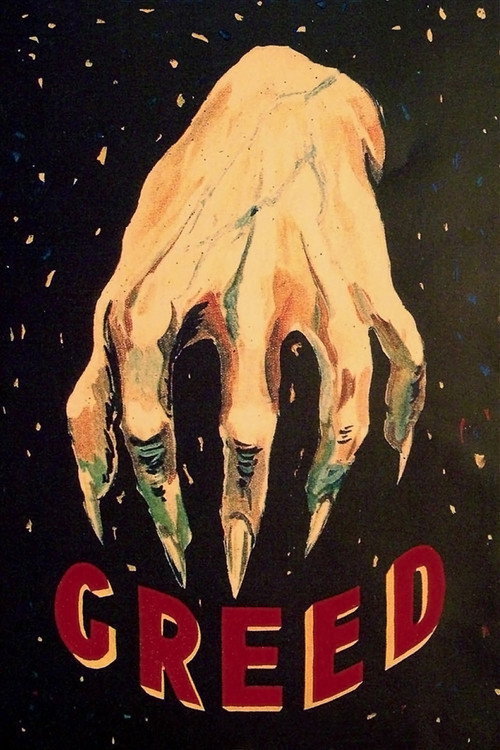
Greed1924
Erich von Stroheim's American epic, made the same year as Siegfried. Shot on location, it has a realist texture that complements Siegfried's mythic approach—proof that 1924 was an extraordinary year.
But Cut from nearly nine hours to four by the studio, it's a film fighting its own frame. The incompleteness can be maddening if you're trying to follow the story.
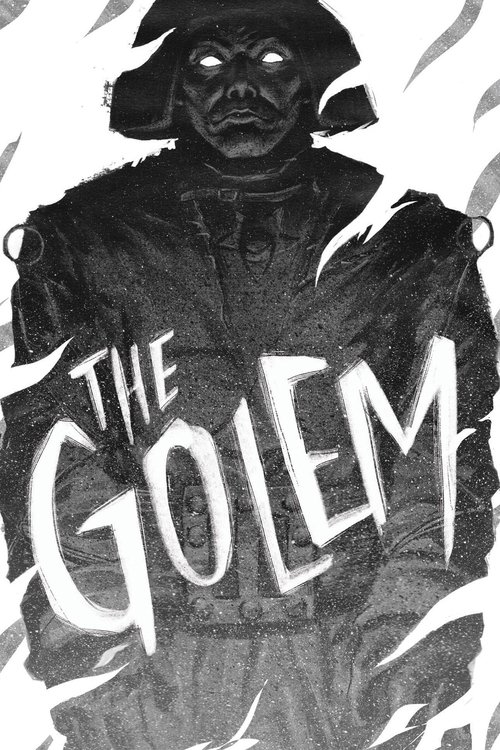
The Golem: How He Came into the World1920
A Prague-set legend about a clay creature protecting Jews. It shares Siegfried's love of Germanic myth and Germanic Expressionist style, but from a completely different moral perspective.
But The pace is stately, and the golem makeup looks theatrical rather than real. Some viewers find it static compared to how they remember it.
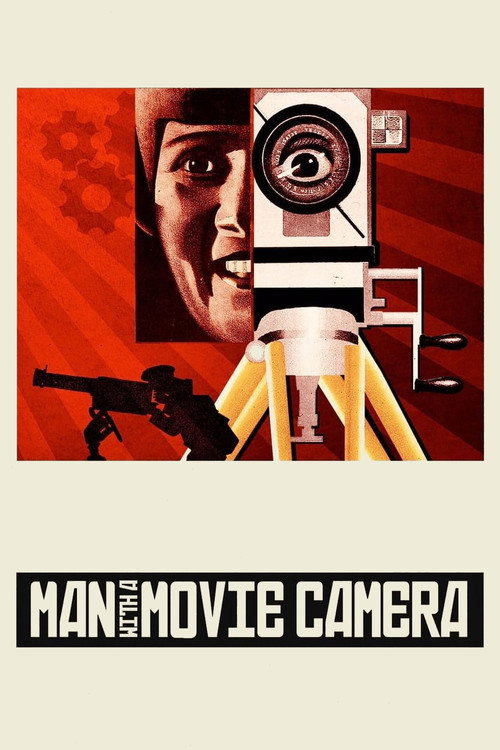
Man with a Movie Camera1929
Dziga Vertov's documentary symphony shows what cinema could become when you abandoned narrative altogether. A different answer to the question Siegfried asked: what is film for?
But There is no plot, no characters, no dialogue. It's an experience rather than a story—abstract enough to bore anyone looking for traditional drama.
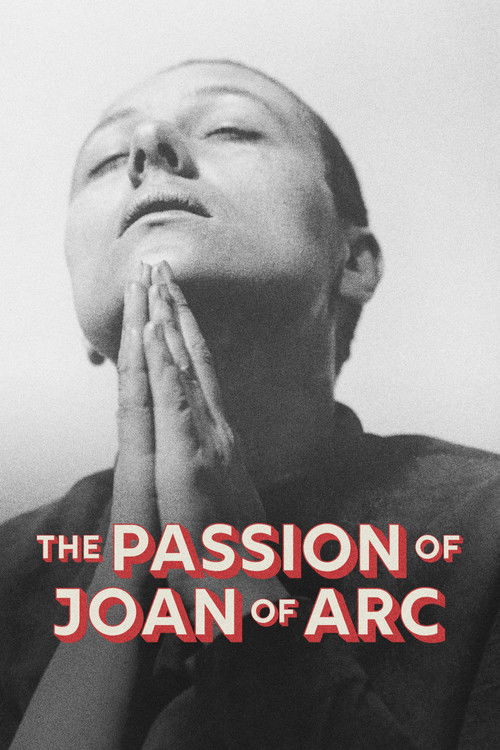
The Passion of Joan of Arc1928
Carl Theodor Dreyer's final silent film is where emotional close-up overwhelms the mythic. Watching Renée Jeanne Macready's face, you see what silent film mastered: the human scale of suffering.
But It's static and claustrophobic, shot almost entirely in close-up. If you wanted Siegfried for its landscape and movement, this will feel like a punishment.
Stalker1979
Both films understand that a hero's journey is really about what happens to the hero's mind. The destination matters less than the transformation en route.
Andrei Tarkovsky's slow-burn science fiction about a journey to a forbidden room feels like a spiritual sequel to the mythic quest narrative. Shot in color with a meditative pace, it proves the legend-structure survives modernism.
But 163 minutes, subtitled, and almost nothing happens in plot terms. Tarkovsky believes in duration as an emotional experience; some will experience it as boredom.

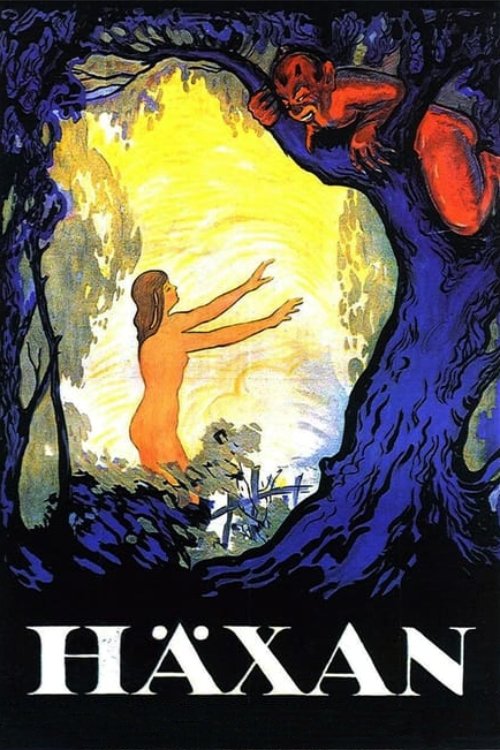
Häxan1922
Both made in the same moment of silent cinema, both prove that myth and history can be filmed as sequences of images rather than linear stories. Häxan inspired everything from Bergman to Herzog.
A Swedish documentary-fantasy-nightmare about the history of witchcraft, made two years before Siegfried. It's also silent, also Germanic-influenced, also a history told through tableau and theater rather than realism. Utterly strange.
But It's a patchwork of styles with no obvious narrative shape. The tone swings from academic to surreal to horrifying. You may never be sure what you're watching.
People
Cast
 Gertrud ArnoldQueen Ute
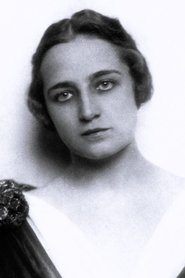 Margarete SchönKriemhild
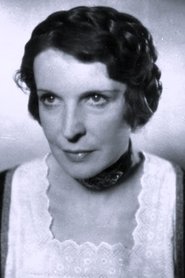 Hanna RalphBrunhild
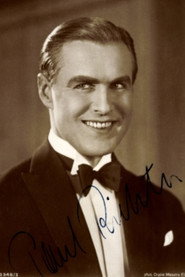 Paul RichterSiegfried
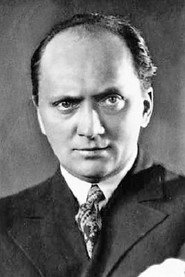 Theodor LoosKing Gunther
- Hans Carl MuellerGerenot
- Erwin BiswangerGiselher
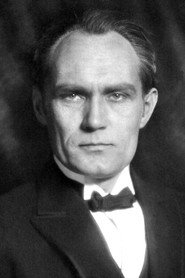 Bernhard GoetzkeVolker von Alzeÿ
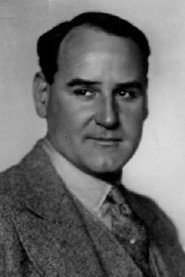 Hans Adalbert SchlettowHagen Tronje
- Hardy von FrancoisDankwart
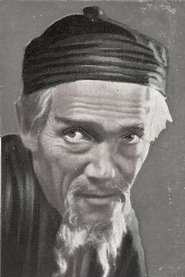 Georg JohnMime the Blacksmith / Alberich the Nibelung
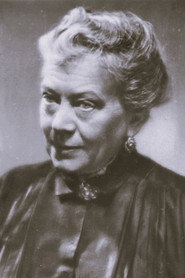 Frida RichardThe Runes Maid
Directing
- Fritz LangDirector
Writing
- Fritz LangScreenplay
- Thea von HarbouScreenplay
Production
- Erich PommerProducer