
Film
The Woman on Trial
A 1927 silent courtroom drama with Pola Negri as a woman on trial for murder. Her testimony unfolds through extended flashbacks that gradually reveal the truth behind her crime. It's a showcase for Negri's extraordinary screen presence and the visual storytelling possibilities of silent cinema—a taut, emotionally intelligent piece that uses the courtroom frame to explore complicity, desperation, and the gap between appearance and reality.
If you liked this
The Phantom Carriage1921
Ystjänst's masterpiece of visual storytelling uses layered flashbacks and ghostly imagery to examine guilt and redemption with astonishing sophistication. A direct ancestor to The Woman on Trial's narrative approach.
But It's Swedish, silent, and runs 88 minutes—a significant commitment. The pacing will feel meditative or glacial depending on your tolerance for silent cinema.

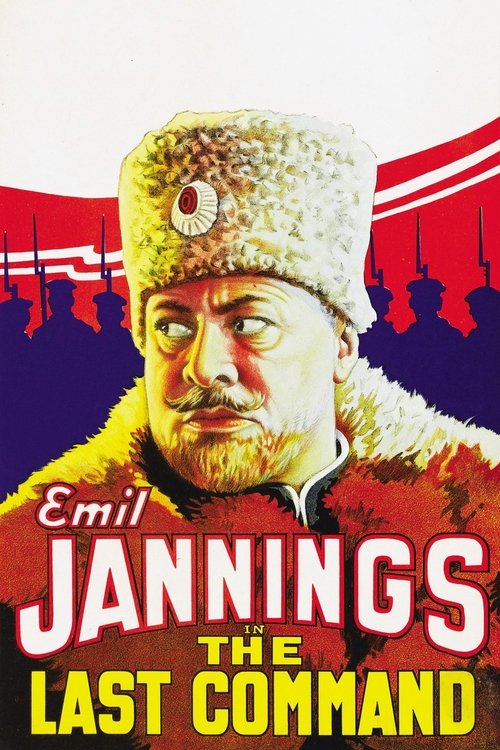
The Last Command1928
Emil Jannings in a tour-de-force performance as a former Czarist general reduced to playing his own past on film. Shares Negri's interest in performance, humiliation, and the weight of history etched on a face.
But The anti-Soviet sentiment dates it uncomfortably. And Jannings' later career choices make rewatching his work complicated for some viewers.
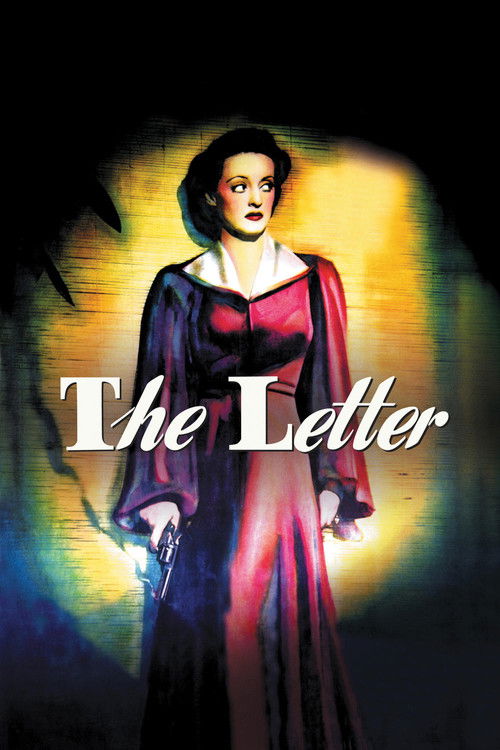
The Letter1940
Bette Davis in a woman-on-trial thriller where written evidence and past behaviour are weaponized in the courtroom. The same engine—secrets, testimony, a woman's reputation under siege—rebuilt for sound cinema.
But It's American and glossy where The Woman on Trial is European and intimate. The moral clarity might feel heavy-handed if you prefer ambiguity.
Not sure tonight? Get a pick in a minute, starting from The Woman on Trial
The wildcard
Something you would not have found on your own.
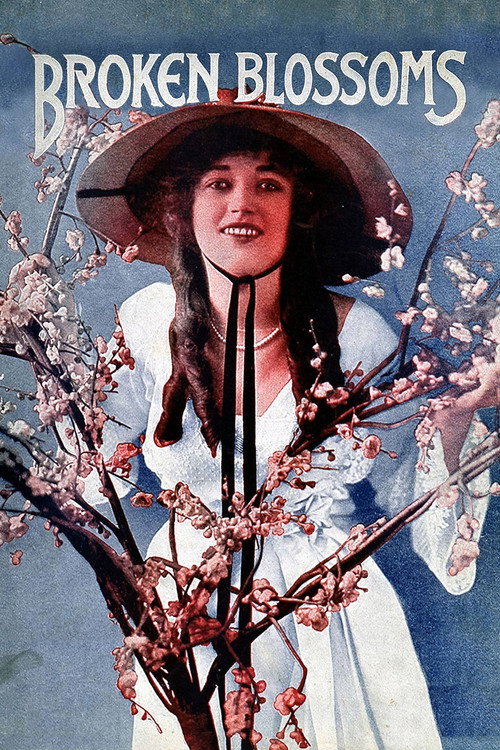
Broken Blossoms or The Yellow Man and the Girl1919
Both use the courtroom or legal system as a frame to explore how society judges suffering it has caused. Both argue that the camera is better at truth than the law.
D.W. Griffith's most humane film: a Chinese immigrant and a battered English girl find temporary refuge in each other. It shares The Woman on Trial's use of close-ups to read interior states and its tragic understanding of how systems destroy individuals.
But Griffith's other work is deeply racist; context matters and complicates viewing. This film is gentler, but his reputation casts a shadow. Also, the ending is deliberately devastating.
More like this (8)
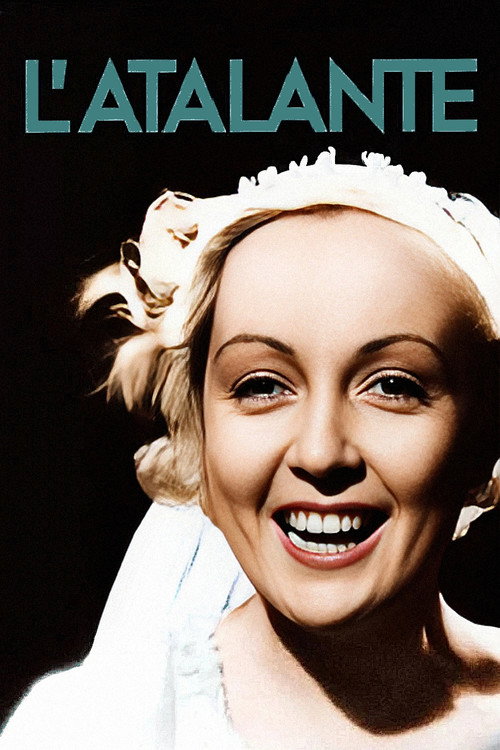
L'Atalante1934
Jean Vigo's lyrical drama of a marriage tested by desire and circumstance. Silent-era visual poetry applied to the tangle of human relationships—similarly interested in showing rather than telling.
But It's about newlyweds on a barge, which sounds whimsical until it isn't. The melancholy might surprise you if you approach it expecting romance.
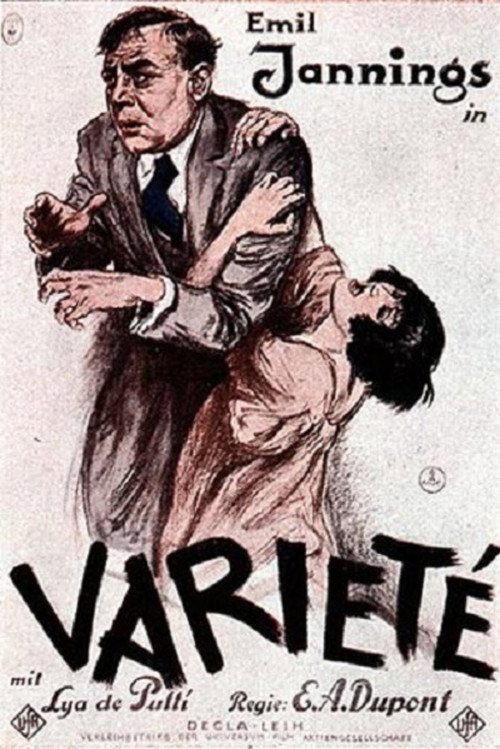
Variety1925
E.A. Dupont's circus noir with extraordinary camerawork that lets the visuals carry the psychological weight. Another silent film fascinated by jealousy, performance, and the mechanics of betrayal.
But The plot hinges on sexual betrayal and class resentment—it's a men's drama using a woman as a catalyst. That dynamic may frustrate you.
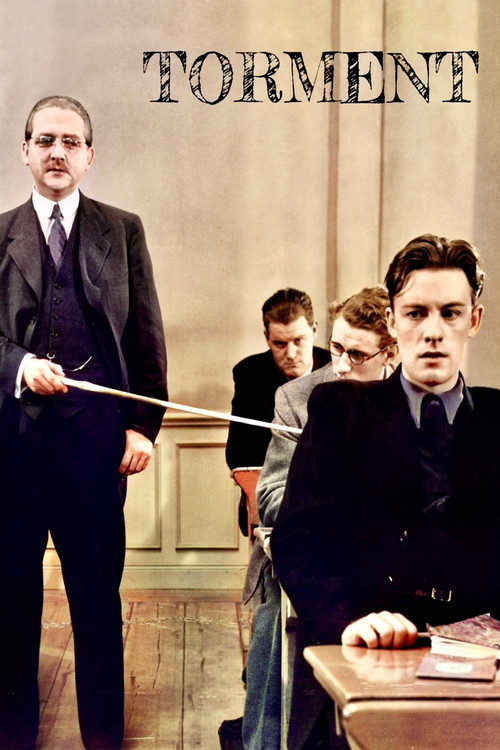
Torment1944
Bergman's first film, written by Bergman, about a sadistic teacher's hold over a student. Uses flashback and fractured chronology to show how power distorts memory and self-perception. Darker and more psychologically acute than it initially appears.
But It's Swedish melodrama with some very uncomfortable power dynamics. And Bergman's reputation sometimes overshadows the work itself.
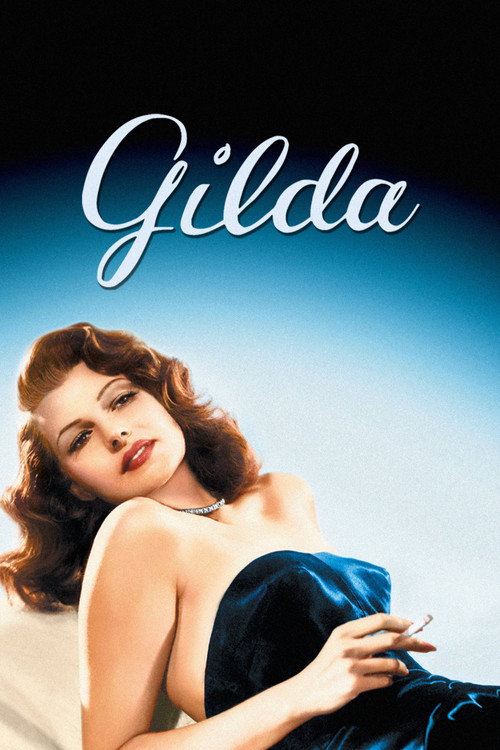
Gilda1946
Rita Hayworth as a woman whose past keeps rising to destroy the present. Postwar glamour coating a story about male paranoia and female complicity. Less interested in justice than in the erotic charge of suspicion.
But It's indifferent to what Gilda actually thinks or wants—she exists to reflect men's anxieties. That's structurally the point, but it's still frustrating to watch.
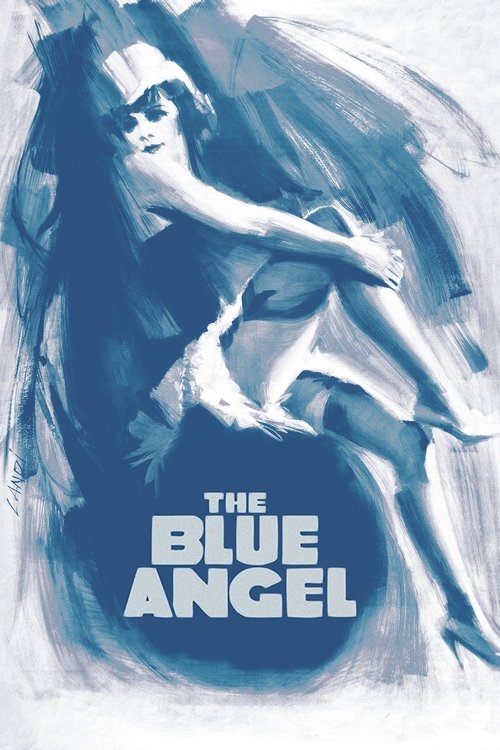
The Blue Angel1930
Marlene Dietrich in von Sternberg's tale of a respectable man undone by passion. The first sound film to achieve what The Woman on Trial does silently—use the frame itself to express interior states.
But The speed of the German audio (with English subtitles) takes adjustment. And the film's view of sexuality and shame is bleak in ways that can feel oppressive.
Jeanne Dielman, 23, quai du Commerce, 1080 Bruxelles1976
Chantal Akerman's radical reconstruction of a woman's life through quotidian detail. Not a courtroom drama, but structured like testimony—showing rather than explaining, trusting image over plot.
But It's three hours of a woman's daily routine, shot without conventional drama. Many people bounce off it immediately. That's a valid choice.

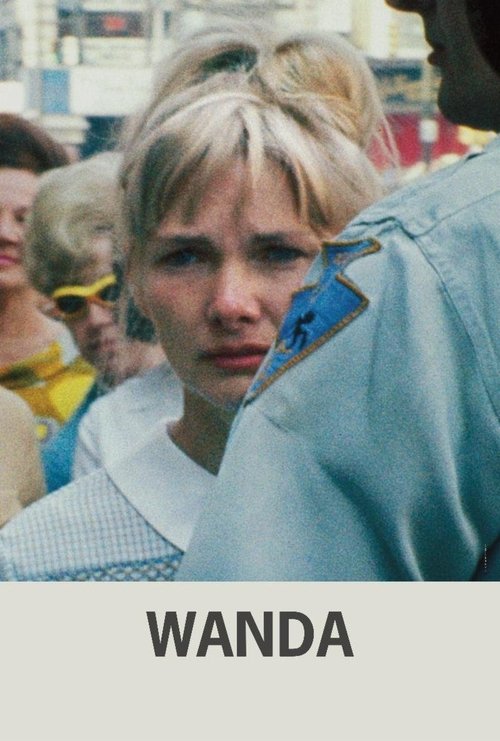
Wanda1970
Both are films about women on trial—one literally, one existentially. But where The Woman on Trial builds a case through flashback, Wanda dismantles the idea that there's a case to be made. The trial happens inside the viewer.
Barbara Loden as a woman drifting through petty crime and male company with no plan and no redemptive arc. A lo-fi American road film that inverts the courtroom drama—instead of defending herself, she stops defending anything.
But It's deliberately shapeless and unglamorous. Loden's performance is opaque to the point of inscrutability. Nothing is explained or resolved.
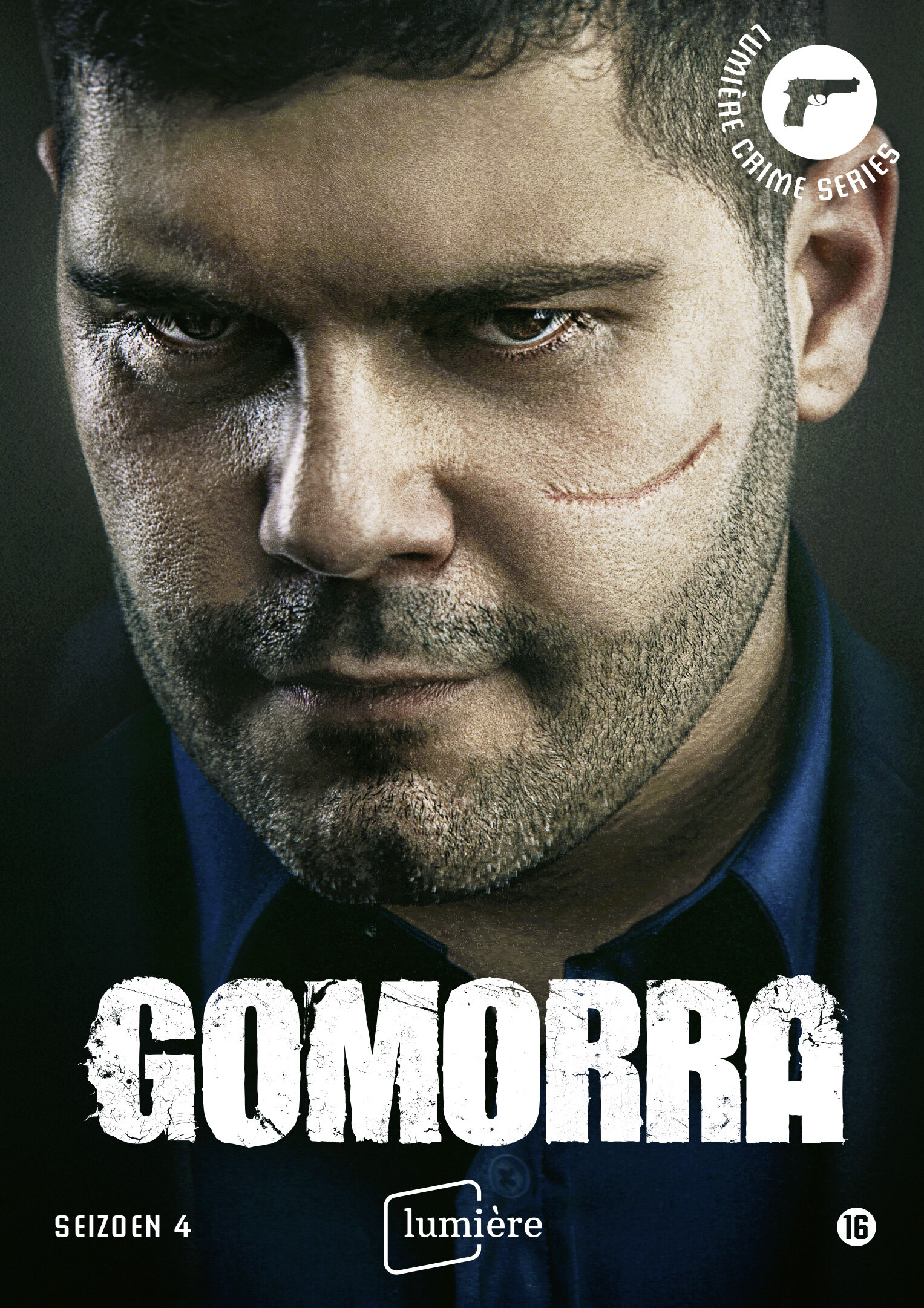
Gomorra: La Serie2014
Both understand that law and order are stories told by the powerful. Both use fragmented narrative to suggest that truth is deeper than verdict, and that a woman (or a system) contains multitudes that no trial can reduce to a sentence.
Matteo Garrone's Neapolitan crime saga told through interlocking stories. It inherits the silent film's trust in visual language and emotional precision—every frame carries weight. The structure is fractured testimony, reality as conflicting accounts.
But It's extremely violent and grim. The Camorra is the protagonist, not the antagonist. If you need moral clarity or a hero, this will exhaust you. Also subtitled, which requires attention.
People
Cast
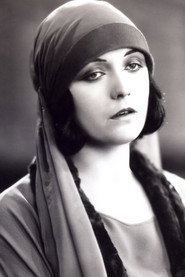 Pola NegriJulie
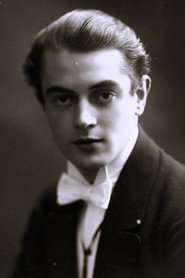 Einar HansonPierre Bouton
- Arnold KentGaston Napier
- André SartiJohn Morland
- Dorothy BrockPaul
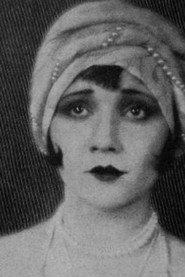 Valentina ZiminaHenrietta
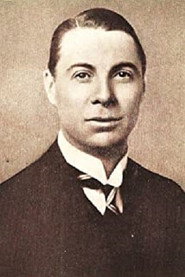 Sidney BraceyBrideaux
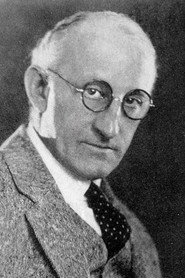 Bertram MarburghMorland's Lawyer
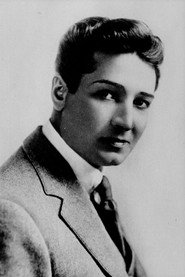 Gayne WhitmanJulie's Lawyer
Directing
- Mauritz StillerDirector
Writing
- Hope LoringAdaptation
- Hope LoringScreenplay
- Ernest VajdaTheatre Play
- Elsie FullerWriter
Production
- B.P. SchulbergAssociate Producer