
Film
Ah, Wilderness!
- Coming-of-age
- Light-hearted
- Slow-burning
A sunlit coming-of-age story set in small-town Connecticut at the turn of the century. A teenage boy navigates first love, minor rebellions, and the painful gap between childhood and manhood, anchored by the steady warmth of his father's quiet wisdom. Gentle, funny, and unexpectedly moving—a film that loves its characters without sentimentalizing them.
If you liked this
It Happened One Night1934
A romantic comedy that finds genuine emotion in everyday moments. Clark Gable and Claudette Colbert have a crackling chemistry that feels alive and specific, not performed. You'll see why audiences still adore this.
But The pacing is slow by modern standards, and some of the gender politics, though progressive for 1934, feel dated. It requires patience and goodwill.

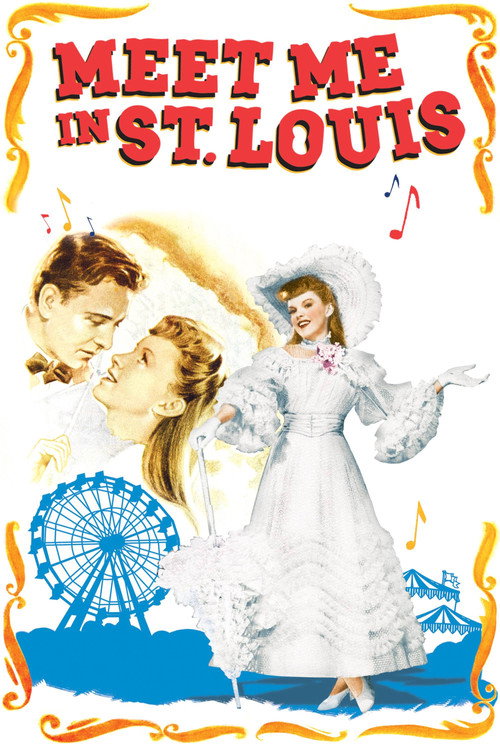
Meet Me in St. Louis1944
Judy Garland in a family story built on small, perfect moments—awkward crushes, sibling dynamics, the way rituals anchor us. It's got songs but isn't a musical; it's a portrait of home and growing up.
But The tone shifts between whimsy and genuine darkness in ways that can feel tonally uncertain. Some sequences are slow, even for those who love the period.
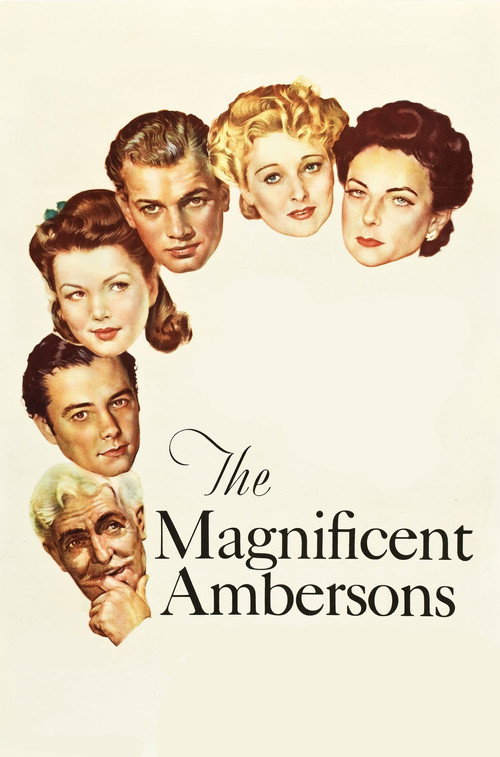
The Magnificent Ambersons1942
Orson Welles's meditation on American life, family legacy, and the passage of time. Every frame is composed with care. The portrait of a household and its slow dissolution is devastating and true.
But The ending was re-shot by the studio without Welles's input, and it shows. The film is also quite dark—there's no easy comfort here.
Not sure tonight? Get a pick in a minute, starting from Ah, Wilderness!
The wildcard
Something you would not have found on your own.
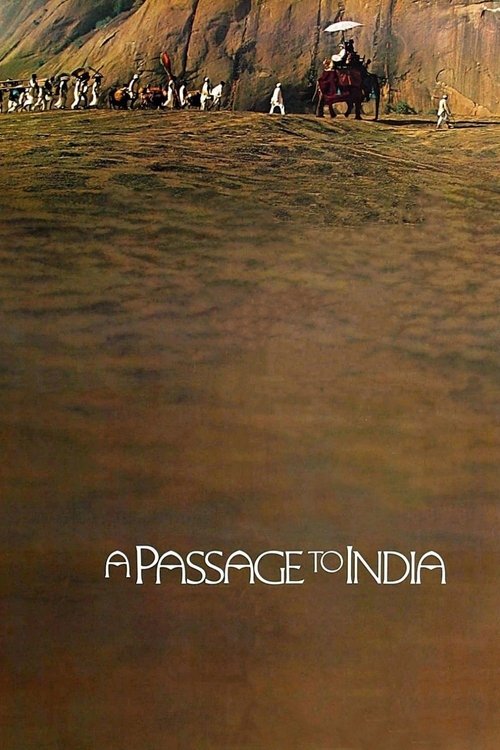
A Passage to India1984
Both are period films about how ordinary life—family, courtship, small conflicts—contains everything that matters, even as the world around them changes irrevocably. Both were made looking back at an America or era that's gone.
David Lean's final film is an elegy for a way of life and a meditation on connection across impossible distance. It has the same quality of looking back with love and sorrow, but with the weight of history and colonialism pressing in. Visually stunning and emotionally complex.
But It's three hours long, the pacing is formal and unhurried, and the political dimensions are heavy. Some find it glacial and didactic rather than affecting.
More like this (8)
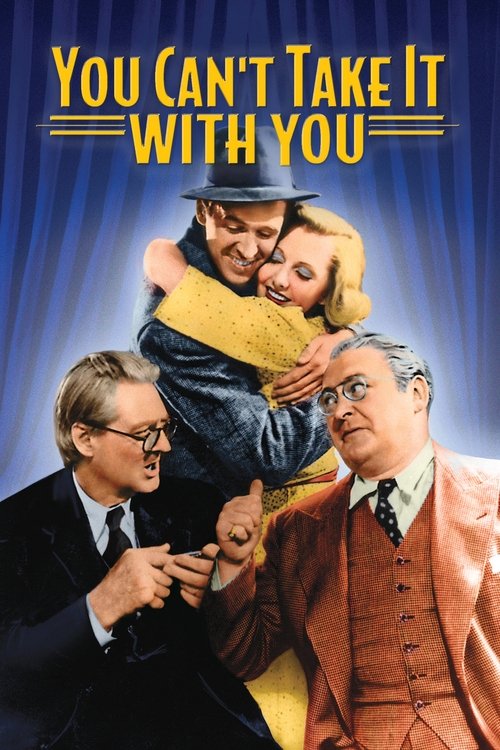
You Can't Take It with You1938
Capra's celebration of eccentricity and human kindness, set in a chaotic household where everyone's a little strange and everyone's beloved. It finds comedy in acceptance rather than ridicule.
But The sentimentality is laid on thick, and the resolution feels too easy for the tensions it sets up. The politics are also aggressively naive.
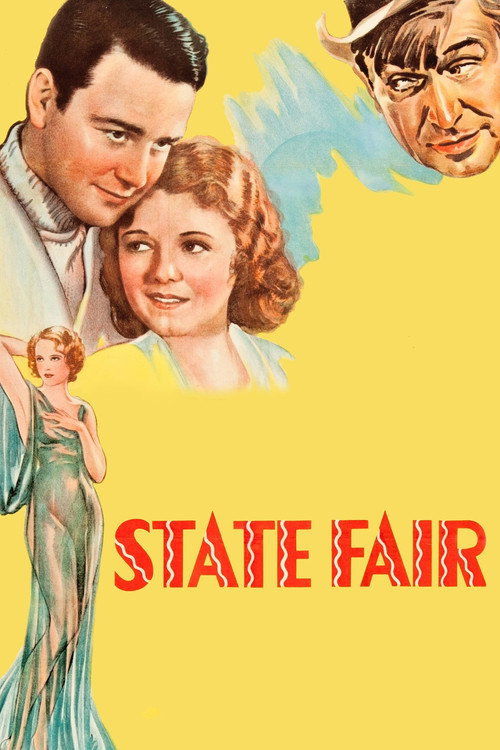
State Fair1933
A small-town American family takes a trip to the state fair. It's episodic and wandering, more interested in mood and character than plot. Pure, unpretentious warmth.
But Plot is genuinely sparse. If you need narrative drive or stakes, you'll find this frustratingly aimless.
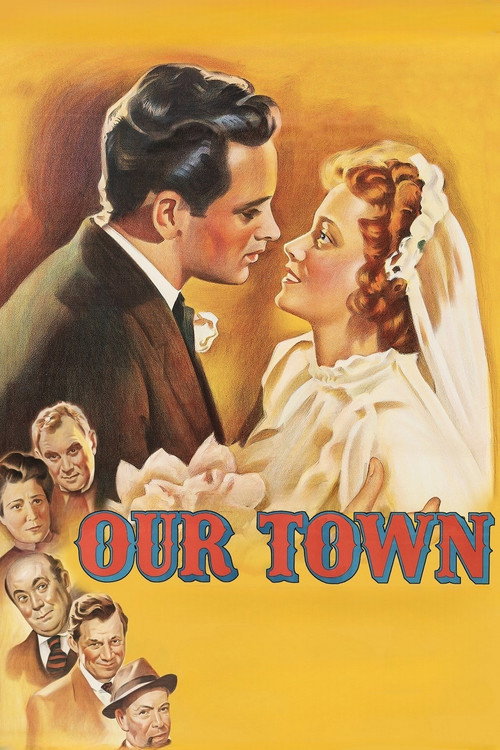
Our Town1940
Thornton Wilder's meditation on ordinary life, small towns, and the ache of mortality. Beautifully restrained. The Stage Manager guides us through birth, love, and death with quiet grace.
But It's deliberately anti-cinematic—minimalist sets and narration can feel stagy and distant rather than moving. Some find it slow.
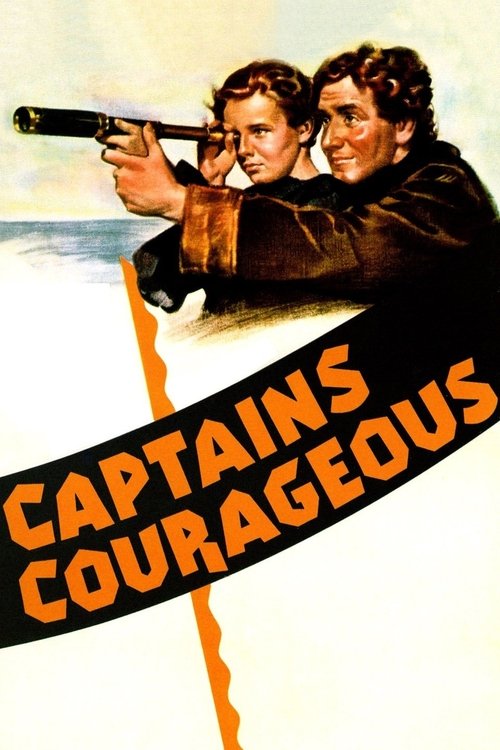
Captains Courageous1937
Spencer Tracy and a spoiled rich boy at sea. A genuine coming-of-age story about humility, work, and learning to be a man. Tracy's gruff tenderness is unforgettable.
But The class politics are dated, and some of the seafaring scenes go on. The sentimentality of the final act may feel unearned.
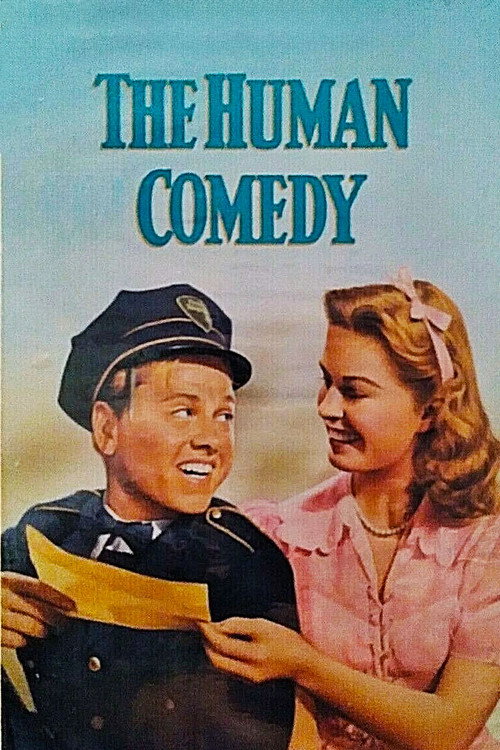
The Human Comedy1943
William Saroyan's episodic portrait of a small California town during wartime. It's tender, funny, and full of life—connected moments that add up to something like grace.
But The structure is deliberately loose and anecdotal. It's a mood more than a story, which can feel thin or formless if you're not in the right frame of mind.
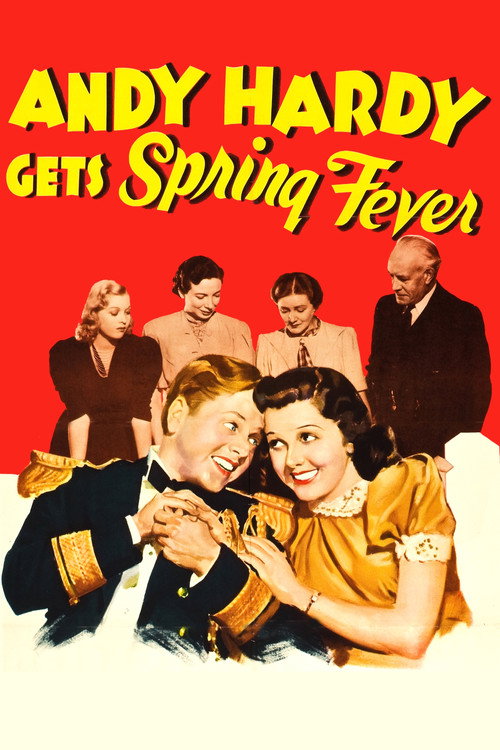
Andy Hardy Gets Spring Fever1939
One of the Andy Hardy series—teenage life in a small town, with real attention to the comedy and confusion of adolescence. Mickey Rooney is likable and the ensemble feels lived-in.
But These films are uneven in quality, sometimes saccharine, and the plots are thin. This one is slight even by series standards.
Boyhood2014
Both films are structured around incremental emotional growth rather than plot. Both trust that watching someone become themselves over time is enough of a story. Both love their characters without needing them to be heroic or exceptional.
Richard Linklater filmed one boy growing up over twelve years, checking in every few months. No plot, just time passing and maturation accumulating. It's the opposite of cinema—it's life—and it's deeply moving.
But The lack of dramatic structure bothers many people. Without conventional stakes, it can feel boring or self-indulgent, especially the middle hour.

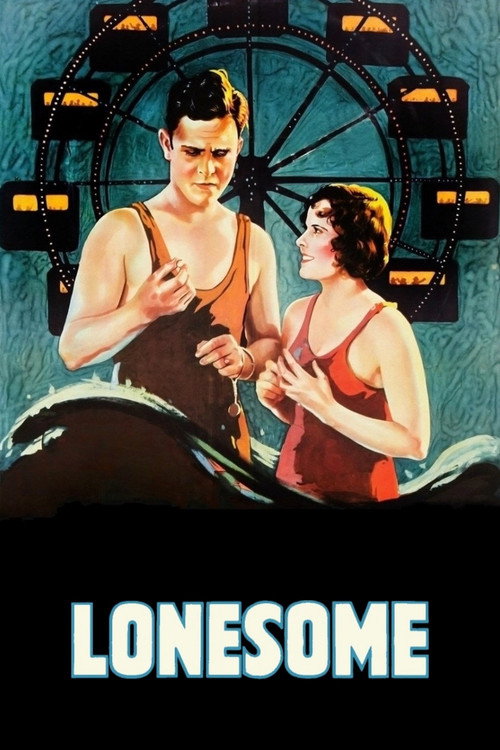
Lonesome1928
Both films are about the interior life of young people navigating desire, belonging, and the question of who they'll become. Both are visually rooted in their era without nostalgia—they're records of how life actually felt. Both privilege feeling over incident.
A silent film about two lonely young people who meet and fall in love at Coney Island. Shot partly in Technicolor, partly in silent poetry. It's about isolation in a crowd, and the miracle of connection. Achingly beautiful.
But It's silent, which is a barrier for many viewers. It's also 90 minutes of mood and atmosphere with almost no plot—pure cinema for its own sake. The color sequences can look unsettling to modern eyes.
People
Cast
 Wallace BeeryUncle Sid
 Lionel BarrymoreNat Miller
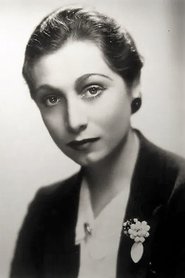 Aline MacMahonCousin Lily
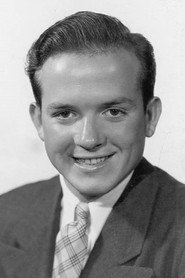 Eric LindenRichard Miller
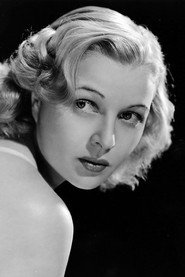 Cecilia ParkerMuriel McComber
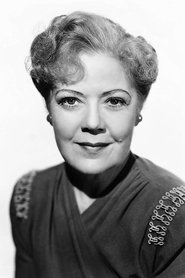 Spring ByingtonEssie Miller
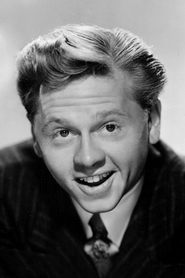 Mickey RooneyTommy Miller
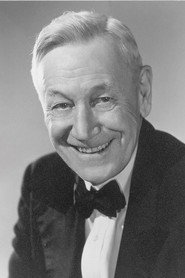 Charley GrapewinDave McComber
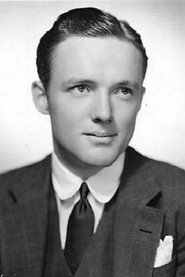 Frank AlbertsonArthur Miller
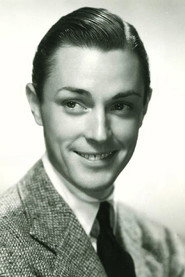 Edward NugentWint
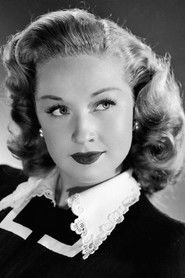 Bonita GranvilleMildred Miller
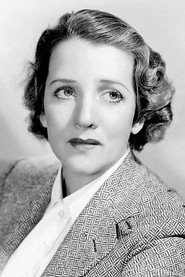 Helen FlintBelle
Directing
- Clarence BrownDirector
Writing
- Albert HackettScreenplay
- Frances GoodrichScreenplay
- Eugene O'NeillTheatre Play
Production
- Clarence BrownProducer
- Hunt StrombergProducer
Recommended by
Ride Lonesome, Young Tom Edison, State Fair, Breaking the Ice