
Film
Breaking the Ice
A 1938 family drama about a boy and his mother staying with a Mennonite farm family, caught in a struggle to earn train fare while clearing up a misunderstanding that threatens their reputation. It's a earnest, intimate film about small-town life and the kindness of strangers—the kind of picture that moved audiences during the Depression by showing everyday people facing real hardship with dignity.
If you liked this
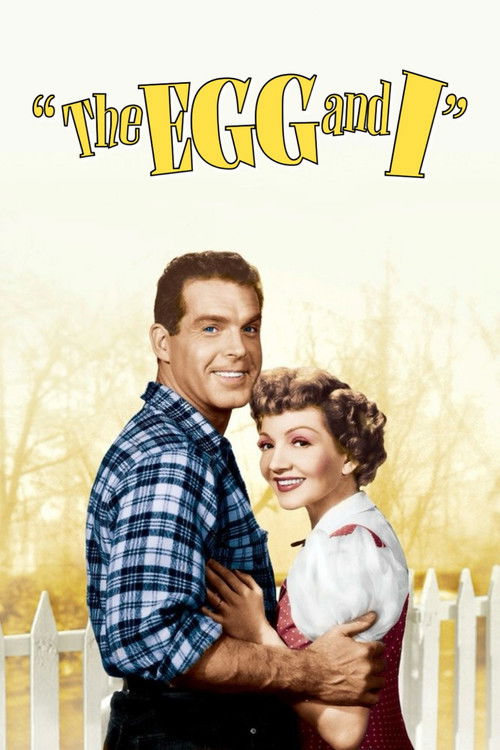
The Egg and I1947
A warm domestic comedy-drama about newlyweds adjusting to chicken farming in Washington state. Like Breaking the Ice, it finds humor and heart in rural life and the clash between city sensibilities and farm realities.
But The pacing feels leisurely by modern standards, and much of the comedy depends on gender dynamics that haven't aged especially well.
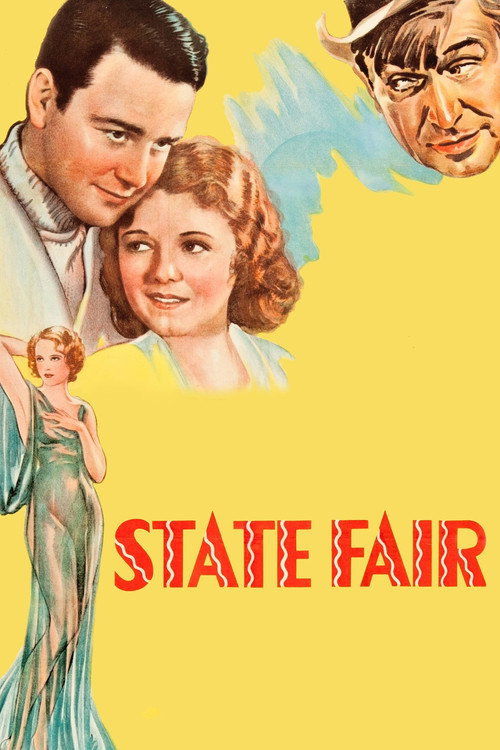
State Fair1933
Rodgers and Hammerstein's musical about an Iowa farm family visiting the state fair, brimming with small-town warmth and genuine affection for rural life. It shares the same nostalgic, good-hearted view of American heartland values.
But It's a musical, which means if the songs don't grab you, long stretches will feel static. The plot is thin even by 1930s standards.
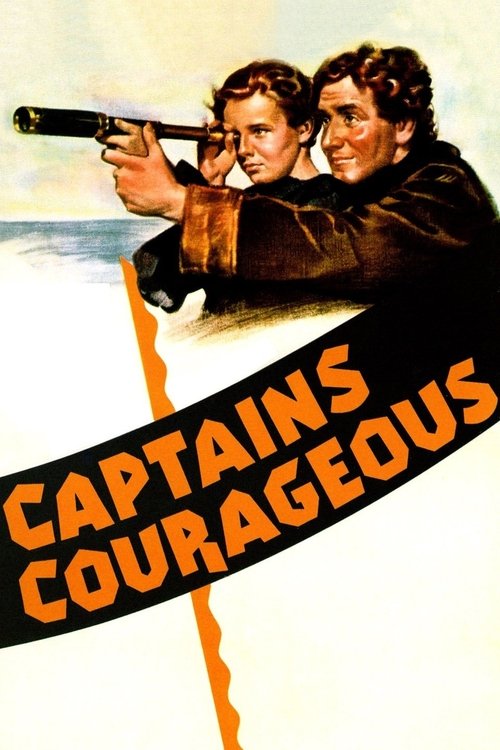
Captains Courageous1937
Spencer Tracy and Freddie Bartholomew in a story about a spoiled boy learning humility through hardship and honest work at sea. It has the same arc as Breaking the Ice: a young protagonist tested by circumstance, saved by working-class decency.
But The maritime setting and heavy sentimentality won't appeal if you're looking for subtlety. Some plot turns strain credulity.
Not sure tonight? Get a pick in a minute, starting from Breaking the Ice
The wildcard
Something you would not have found on your own.
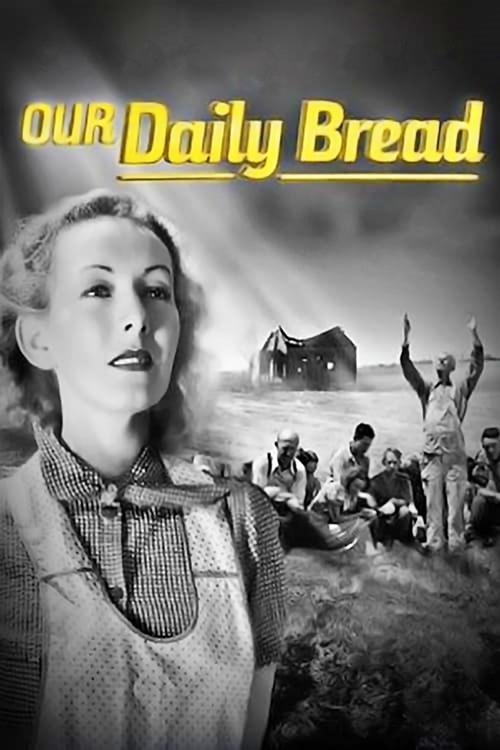
Our Daily Bread1934
Both are set in agricultural communities during the Depression and treat farming as a moral and social crucible, but one embraces tradition while the other demands radical change.
King Vidor's radical Depression-era drama about unemployed workers starting a cooperative farm, told with documentary realism and moral urgency. Where Breaking the Ice finds warmth in rural tradition, this finds revolution in collective labor—same setting, entirely different political temperature.
But The politics are explicit and unashamed, and the film's didactic tone will feel heavy-handed if you're allergic to message. The acting is sometimes amateurish by design.
More like this (8)
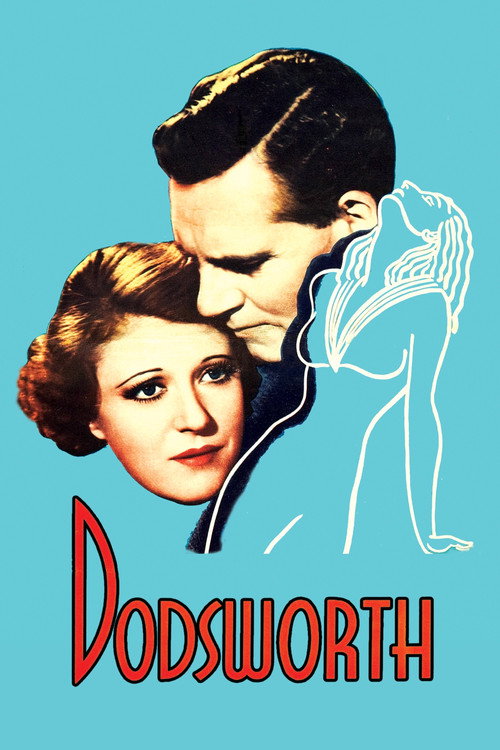
Dodsworth1936
Walter Huston as a retired businessman discovering life beyond his old routines. Like Breaking the Ice, it's a character-driven story about ordinary people facing real emotional stakes, anchored by strong ensemble work.
But The European setting and marital drama feel remote from the farm-life charm. It moves slowly and assumes patience with introspection.
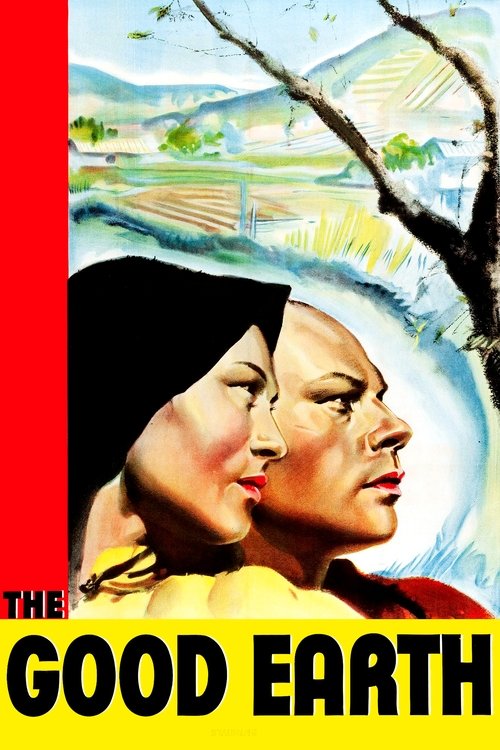
The Good Earth1937
Paul Muni and Luise Rainer in Pearl S. Buck's epic of a Chinese farming family enduring drought and hardship. Shares Breaking the Ice's respect for agricultural labor and its belief that dignity comes through honest work, even in suffering.
But The scope is massive and sometimes melodramatic. Some performances and cultural depictions feel dated and uncomfortable now.
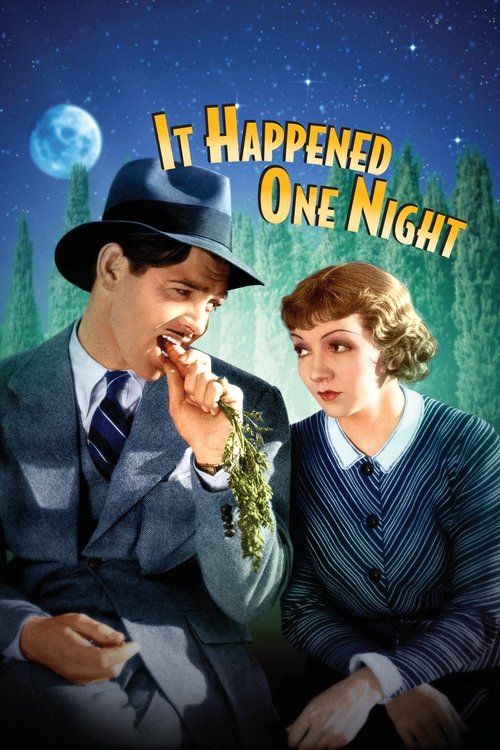
It Happened One Night1934
Capra's romance about a runaway heiress and a newspaperman on the road, full of genuine warmth and belief in ordinary people's decency. The same faith in kindness between strangers runs through both films.
But It's a romantic comedy, so if that's not your speed, the plot will feel slight. The pacing is deliberate, almost languid by today's standards.
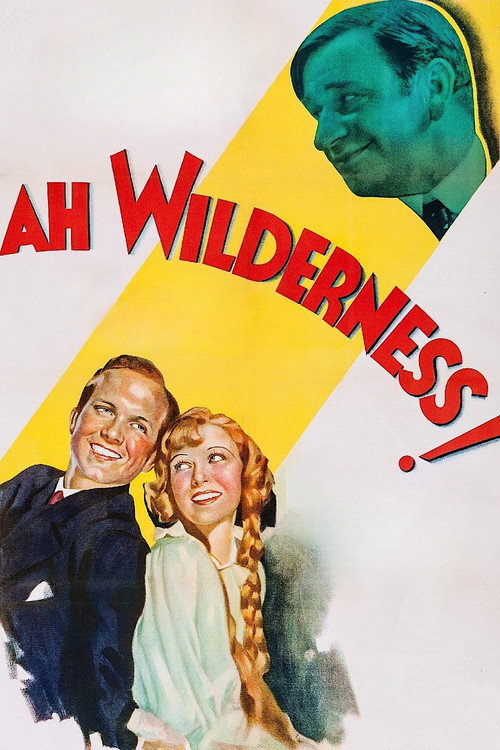
Ah, Wilderness!1935
Eugene O'Neill's only comedy, about a boy's coming-of-age in a small Connecticut town. It has the same nostalgic warmth for small-town life and the same quiet belief that character is built through moral tests.
But The humor is gentle and occasionally sentimental in ways that feel creaky now. The story hinges on attitudes about adolescence that have shifted significantly.
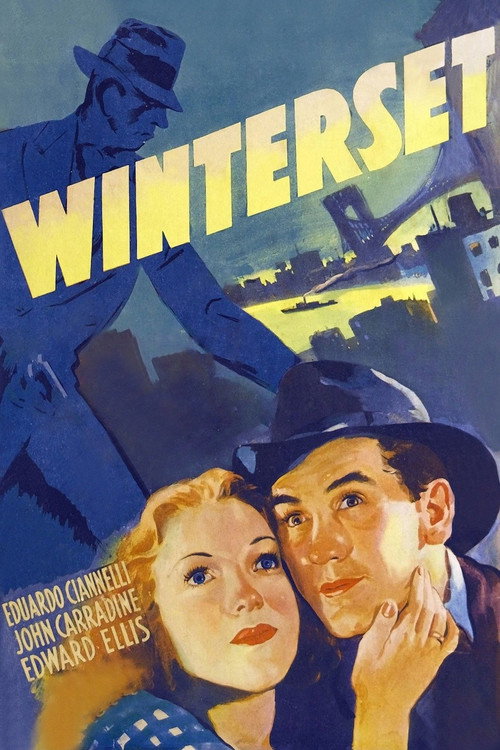
Winterset1936
A poetic drama set in the urban underworld, but like Breaking the Ice it's deeply concerned with honor, clearing one's name, and the moral strength of ordinary people facing injustice.
But The theatrical dialogue and stylized emotional tone feel artificial. It's more interested in mood and message than plot coherence.
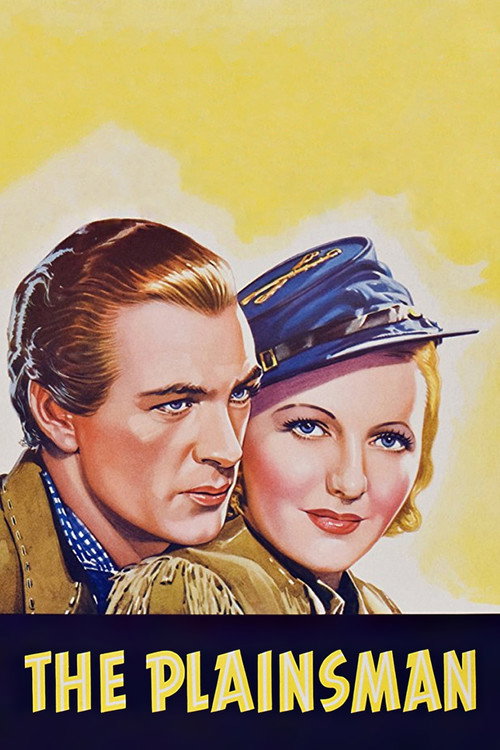
The Plainsman1936
A frontier adventure with Gary Cooper that, beneath the action, shares Breaking the Ice's interest in honor, reputation, and the struggle to do right by people who depend on you.
But It's really a Western adventure film, so if you're looking for intimate character drama you'll feel the shift in register. Some of the historical liberties are wild.
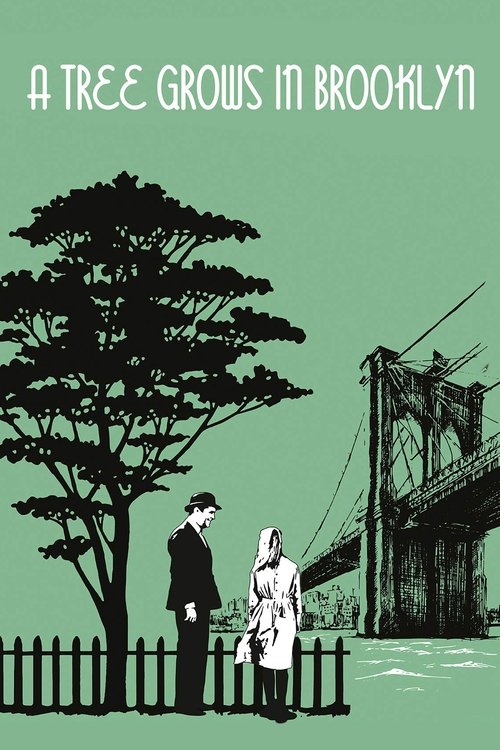
A Tree Grows in Brooklyn1945
Both follow a young protagonist learning character through hardship, guided by parent and community, but transpose the setting from rural farm to urban slum, changing everything about how that hardship feels.
A tender, unsentimental portrait of working-class childhood in the tenements, where a girl finds dignity and escape through determination and family love. It has Breaking the Ice's faith that ordinary people contain real nobility, but expressed through urban poverty and female experience instead.
But It's more psychologically complex and darker in tone than a '30s farm drama. Some modern viewers find the gender politics patronizing, even if the film itself is compassionate.
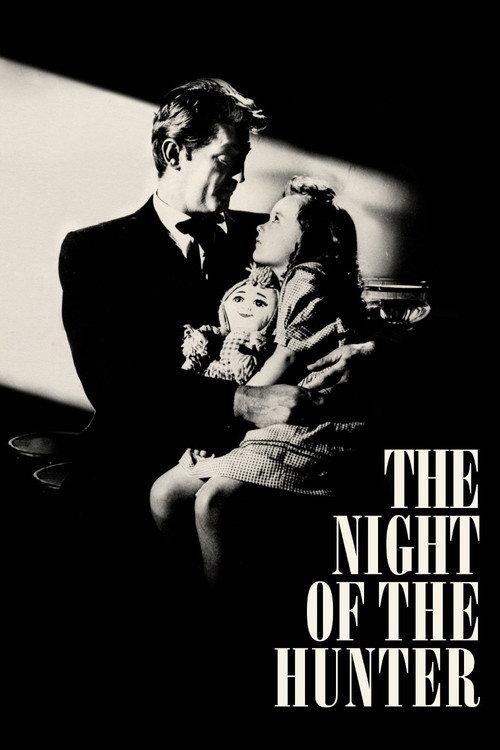
The Night of the Hunter1955
Both are stories of children in rural peril seeking safety, but where Breaking the Ice trusts the goodness of farming communities, Hunter treats the countryside as fundamentally dangerous and isolating.
Charles Laughton's only directorial effort: a Gothic, dreamlike thriller about two children fleeing a predatory stranger along a rural river. It inverts Breaking the Ice's small-town faith—the same rural America, but now as a landscape of menace where strangers cannot be trusted.
But It's visually stylized and narratively strange, almost a fever dream. If you're looking for straightforward drama, this will feel deliberately artificial and unsettling.
People
Cast
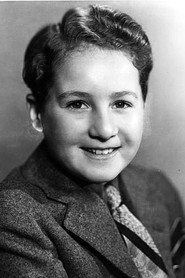 Bobby BreenTommy Martin
 Dolores CostelloMartha Martin
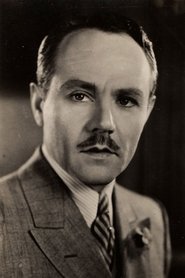 Charles RugglesSam Terwilliger
 Irene DareIrene Dare
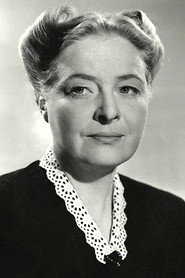 Dorothy PetersonAnnie Decker
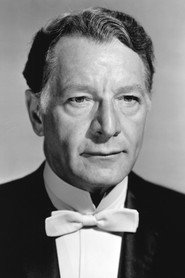 Robert BarratWilliam Decker
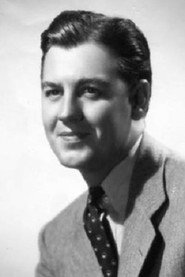 John 'Dusty' KingHenry Johnson
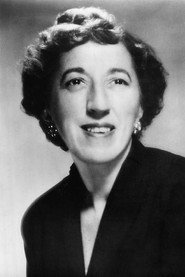 Margaret HamiltonMrs. Small
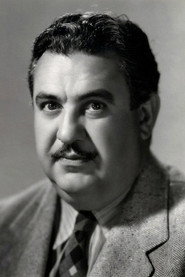 Billy GilbertMr. Small
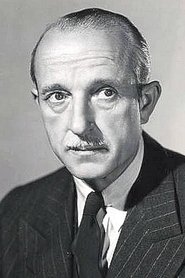 Jonathan HaleMr. Kane
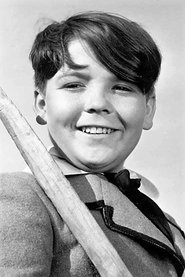 Delmar WatsonReuben Johnson
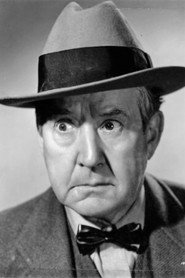 Spencer ChartersSmith
Directing
- Edward F. ClineDirector
Writing
- Bernard SchubertScreenplay
- Manuel SeffScreenplay
- Mary C. McCall, Jr.Screenplay
- Brewster MorseStory
- Fritz FalkensteinStory
Production
- Sol LesserProducer