
Film
Winterset
A young man wages a desperate search for his father's real killer after a wrongful execution, torn between justice and an impossible love in Depression-era New York. Adapted from Maxwell Anderson's verse play, it's stylised and operatic—more concerned with moral weight than plot momentum. For those drawn to the theatrical or the politically haunted.
If you liked this
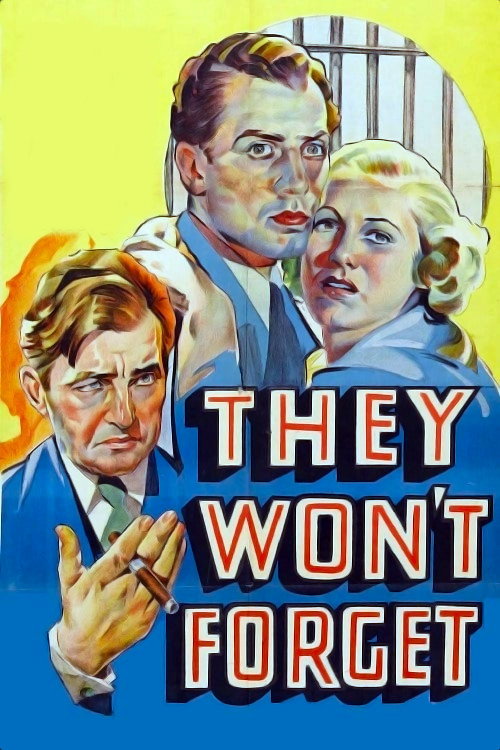
They Won't Forget1937
Claude Rains in a courthouse drama about judicial corruption and a lynching. Made the same year as Winterset, equally unflinching about American injustice and the machinery that enables it.
But Brutally slow-paced and relentless in its despair. No catharsis, no easy answers—it asks you to sit with the horror.
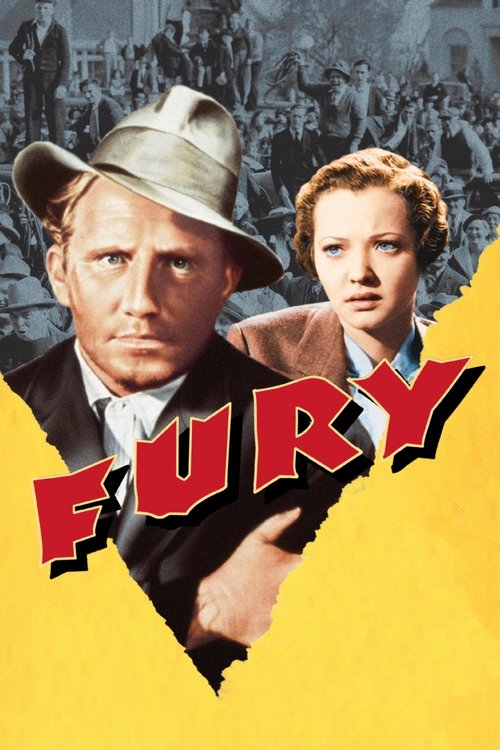
Fury1936
Fritz Lang's only American film: a man wrongly accused of murder watches a mob burn him alive in his jail cell. Rage made into cinema, visually inventive and morally uncompromising.
But The pacing is glacial by modern standards. Some sequences feel static, even when the drama is enormous.
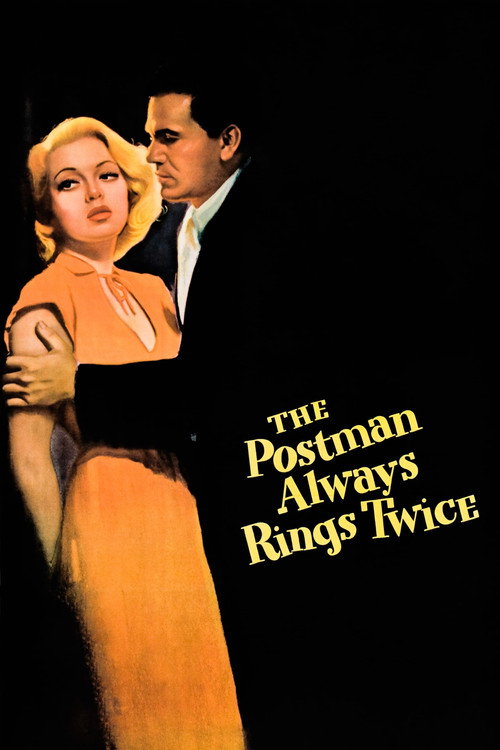
The Postman Always Rings Twice1946
A drifter and a desperate woman plot a murder that spirals into noir tragedy. Tighter and more sensual than Winterset, but shares the same fatalism and the sense of being trapped by circumstance.
But Lana Turner's glamour and the sexual heat might feel at odds with the philosophical despair underneath. It's less abstract than Winterset.
Not sure tonight? Get a pick in a minute, starting from Winterset
The wildcard
Something you would not have found on your own.
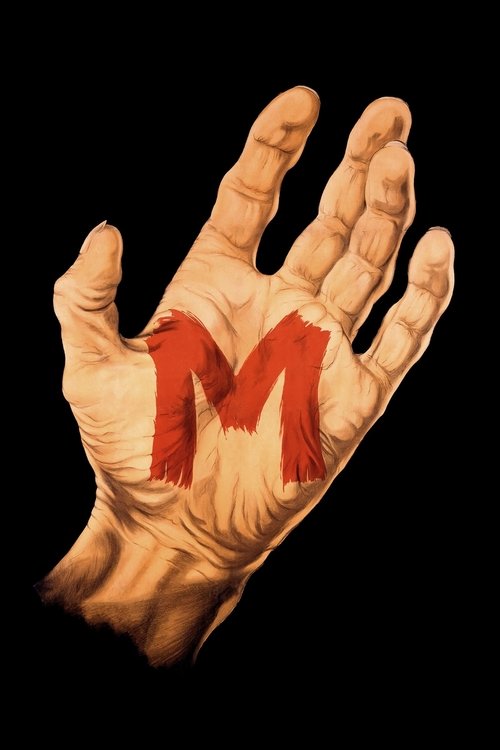
M1931
Both pit individual conscience against collective judgment. Both ask whether executing the guilty can ever wash away the stain on everyone involved. Both conclude it cannot.
Fritz Lang's masterpiece: a city hunts a child-murderer, and the line between law and lynch mob dissolves entirely. Psychologically modern, visually revolutionary, and morally devastating—the case for execution collapses under scrutiny.
But In German, and the restored print is the best version. It's also relentlessly bleak, and the murderer's final monologue will stay with you in ways that might feel uncomfortable.
More like this (8)
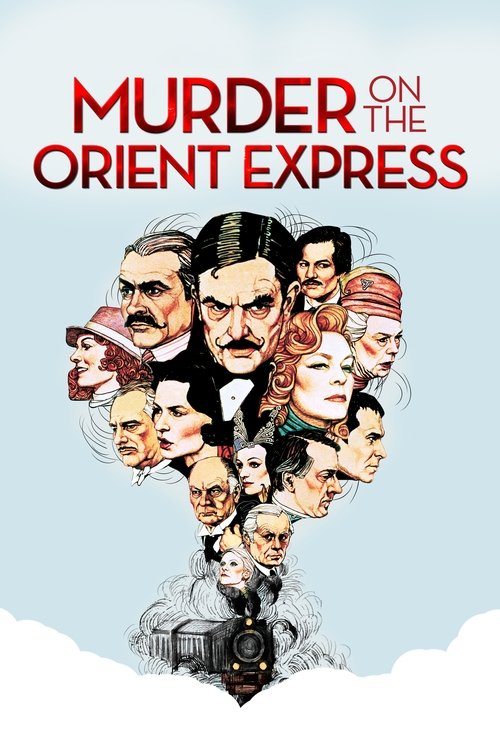
Murder on the Orient Express1974
Poirot investigates a murder where justice and law diverge catastrophically. A locked-room puzzle that becomes a meditation on whether the guilty deserve judgment.
But Agatha Christie can feel cosy despite the darkness. The resolution privileges cleverness over the moral weight that matters in Winterset.
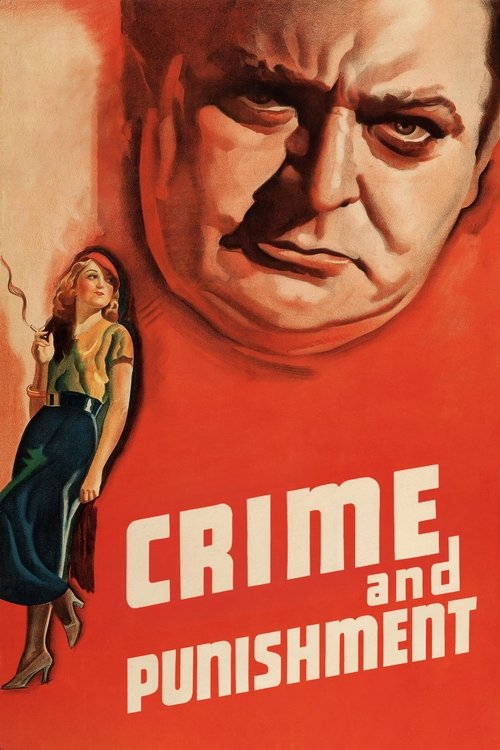
Crime and Punishment1935
Peter Lorre as Raskolnikov, wracked by guilt after murder. Compressed Dostoevsky that captures the psychological torment and the impossible philosophy at the heart of the novel.
But Heavily cut and rushed; it's a sketch of a masterpiece rather than a full exploration. Lorre is magnificent but the pacing strips away nuance.
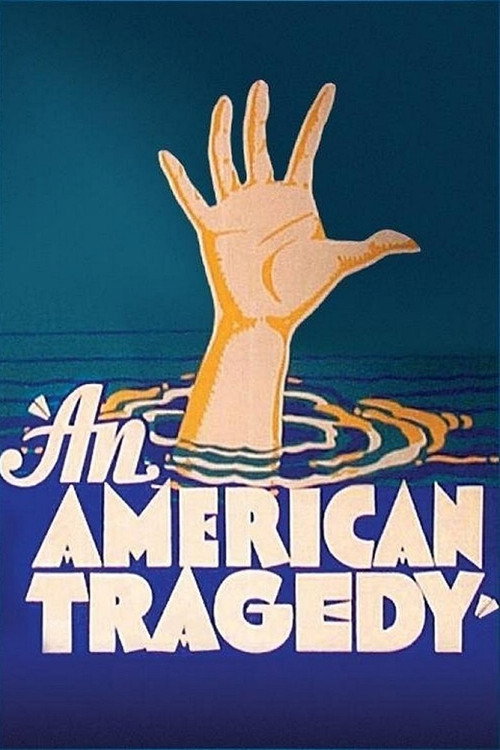
An American Tragedy1931
A young man's ambition and desire lead to murder. Dreiser's social critique translated into image: the system grinds the powerless to dust, and the law simply formalises what society decided long before trial.
But Emotionally heavy and socially didactic. It can feel more like a sermon than a story, especially in its courtroom stretches.
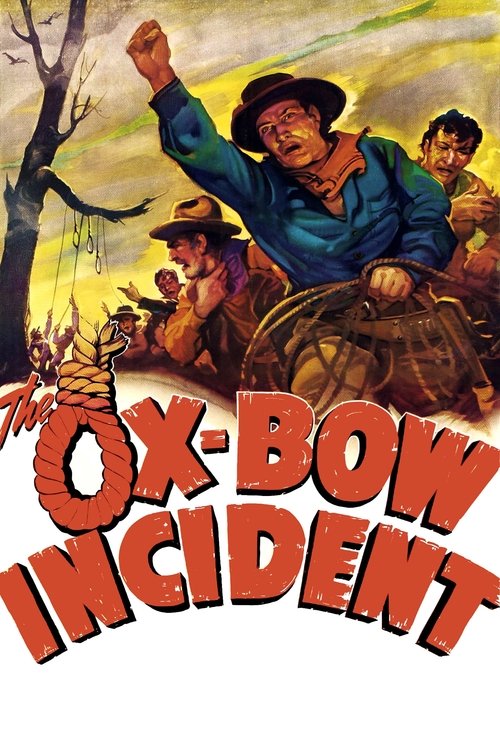
The Ox-Bow Incident1943
A lynch mob executes three men on circumstantial evidence. Western that strips away the genre's mythology to expose the casual brutality of mob justice and the silence of the complicit.
But Stagey and talky for a Western. The moral argument is so central it can overshadow character and incident.
Rope1948
Two men murder a friend and hide the body during a dinner party. Hitchcock's examination of intellectualism untethered from morality; philosophy becomes excuse for evil.
But Confined to one room and shot in continuous takes. The gimmick can feel more important than the psychology, and it dates more than you'd expect.

The Third Man1949
A writer in post-war Vienna discovers his old friend is a war criminal. Morally ambiguous and visually dazzling; justice and loyalty pull in opposite directions, and neither wins cleanly.
But The famous zither score and the visual style can overshadow the emotional core. Some find the ending too neat for what came before.

The Ballad of Little Jo1993
Both centre on identity obscured by necessity. Both suggest that survival sometimes demands becoming someone else, and that the cost of that transformation is never fully repaid.
A woman dresses as a man to survive in the Old West. Sparse, beautiful, and quietly radical—it finds moral complexity in a woman who lies to survive and the men who love her despite or because of it.
But Slow and meditative. Shot in muted colours on a tight budget; it has the feel of a chamber piece rather than a Western, which will frustrate those wanting sweep or action.

A Prophet2009
Both follow men seeking justice or power and finding themselves remade by the pursuit. Both suggest that the institutions designed to punish are themselves corrupting, and that everyone who enters them leaves as something else.
A young man imprisoned for a crime becomes a calculated manipulator who remakes himself as a crime boss. A modern epic about ambition, corruption, and the impossibility of redemption once you've crossed certain lines.
But French, 2.5 hours, and set almost entirely in prison. It's bleak and procedural; beauty emerges slowly, and there is no catharsis, only the inexorable logic of damage.

People
Cast
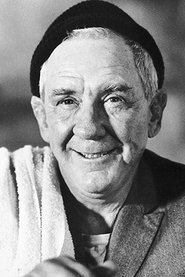 Burgess MeredithMio Romagna
 MargoMiriamne Esdras
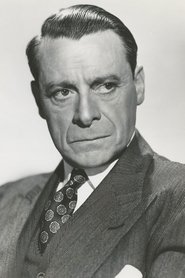 Eduardo CiannelliTrock Estrella
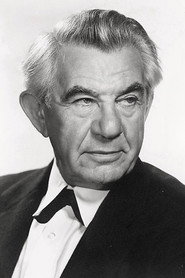 Maurice MoscovitchEsdras
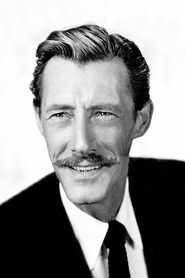 John CarradineBartolomio Romagna
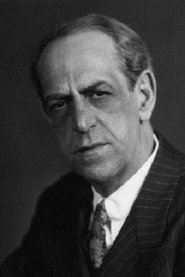 Edward EllisJudge Gaunt
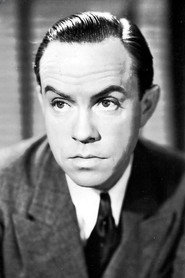 Paul GuilfoyleGarth Esdras
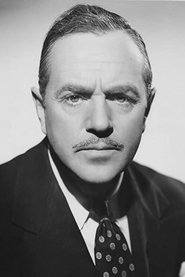 Stanley RidgesShadow
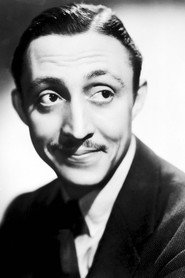 Mischa AuerRadical
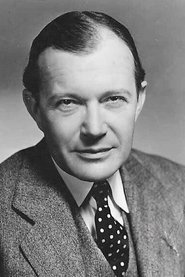 Willard RobertsonPoliceman in the Square
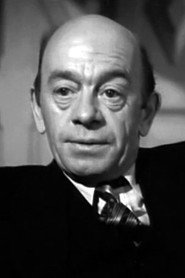 Alec CraigHobo
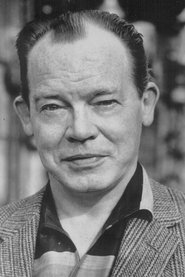 Myron McCormickCarr
Directing
- Alfred SantellDirector
Writing
- Maxwell AndersonAuthor
- Anthony VeillerScreenplay
Production
- Pandro S. BermanProducer