
Film
A Tree Grows in Brooklyn
A quietly profound 1945 drama about a poor Irish-American family in Brooklyn finding grace in hardship. It's unhurried and tender, built on small moments—conversations in tenements, a girl's ambitions, a father's failure—that accumulate into something deeply moving. For anyone who believes cinema can honor ordinary lives without sentimentality.
Should you watch it?
Watch it if you like slow, observant portraits of a family's small victories and quiet heartbreak, where the warm, unhurried texture of tenement life matters more than plot.
Skip it if you need brisk storytelling or a clear through-line, since it wanders from one domestic episode to the next and runs well past two hours.
What it asks of you: Settle in for a little over two hours of patience, letting small scenes accumulate; its mood moves between warmth and sorrow without much warning, and it trusts you to keep up.
Not sure? Find tonight's pick in a minute.
If you liked this
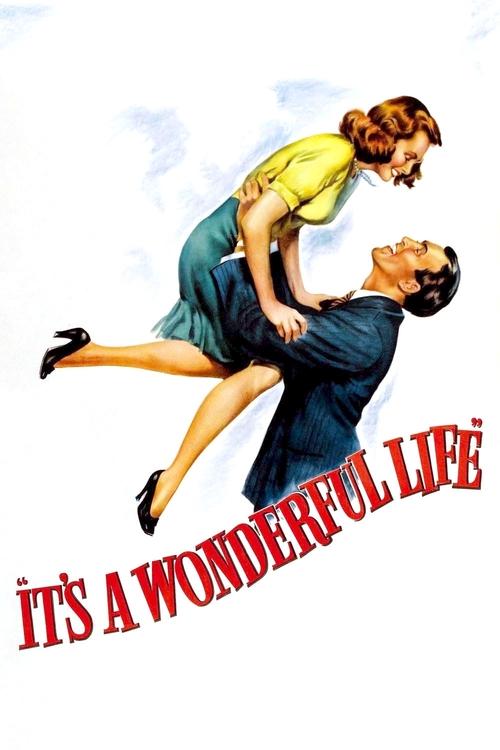
It's a Wonderful Life1946
Capra's other masterpiece about ordinary Americans discovering meaning in constrained lives. George Bailey, like the Nolans, learns that poverty and limitation don't diminish a life—connection does. Equally unashamed about sentiment.
But The whimsy and the angel business feel dated now, and sentiment needs a lighter touch than Capra sometimes gives it. Also much longer than it needs to be.
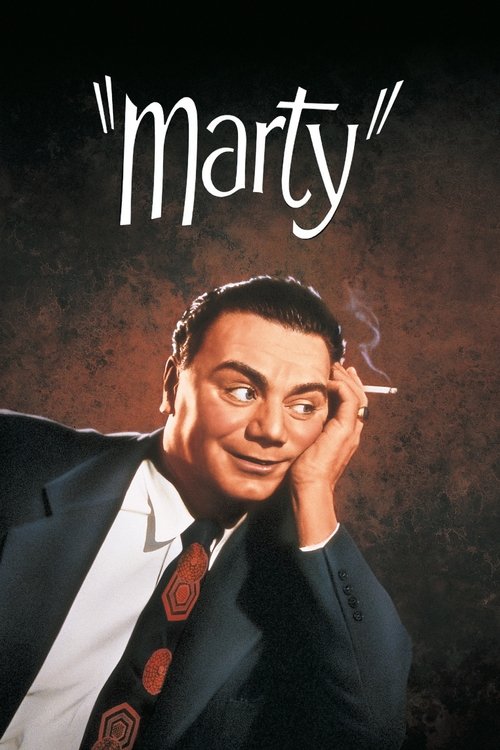
Marty1955
Paddy Chayefsky's portrait of a lonely butcher in New York, built entirely from overheard conversations and small domestic truths. It has the same eye for dignity in modest lives and the same refusal to make poverty or ordinariness into something quaint.
But Very slow, very talky, very fifties in its gender politics. If you need plot momentum, you'll frustrate yourself.
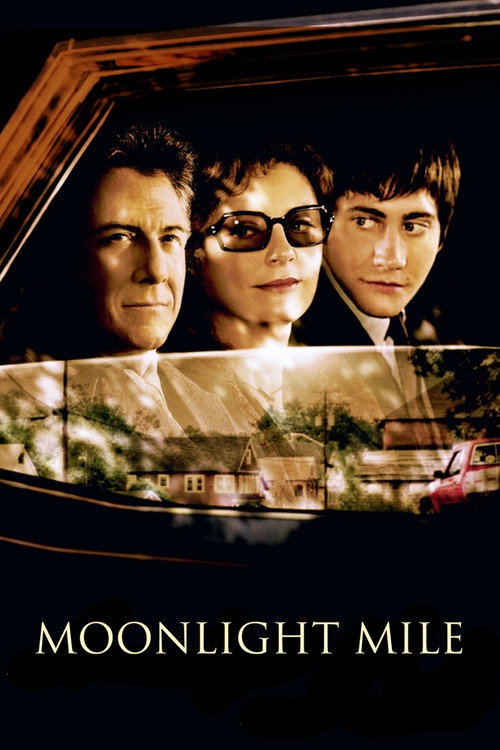
Moonlight Mile2002
Brad Silberling's gentle film about grief and connection in a New Jersey town. It captures the texture of ordinary American life with the same warmth and attention to small family moments that makes *A Tree Grows in Brooklyn* work.
But Muted and meditative to the point of drift. Some will find it precious rather than moving. The ending commits fully to sentiment without irony.
Not sure tonight? Get a pick in a minute, starting from A Tree Grows in Brooklyn
The wildcard
Something you would not have found on your own.
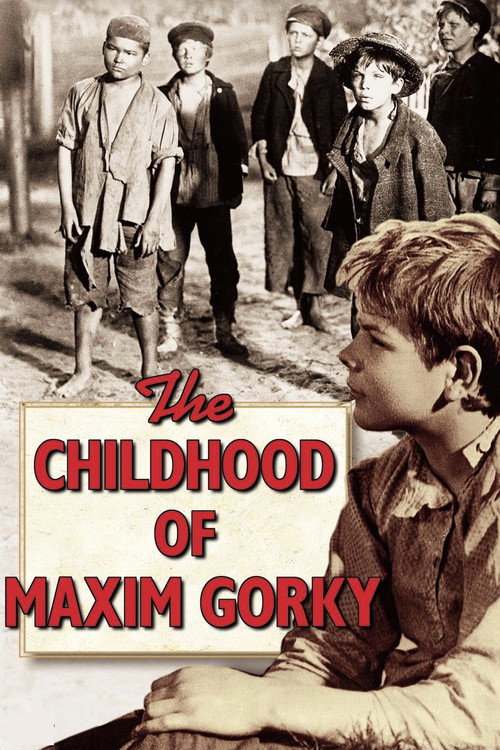
The Childhood of Maxim Gorky1938
Both films chronicle a child's passage through poverty with the same formal gentleness and the same conviction that ordinary lives deserve the dignity of serious cinema. Both center a bright kid dreaming of something better. Same story, different countries.
Mikhail Donskoy's Soviet film about a boy growing up in grinding Russian poverty, learning resilience and hunger for education. It has the exact same architecture as *Tree*—a child's eyes on family struggle, the same tender attention to small moments and big consequences, the same belief that poor children contain enormous inner lives.
But Black and white, subtitled, and formally deliberate in ways that feel distant. The Soviet filmmaking style is quite different from the American studio approach you'll be used to.
More like this (7)
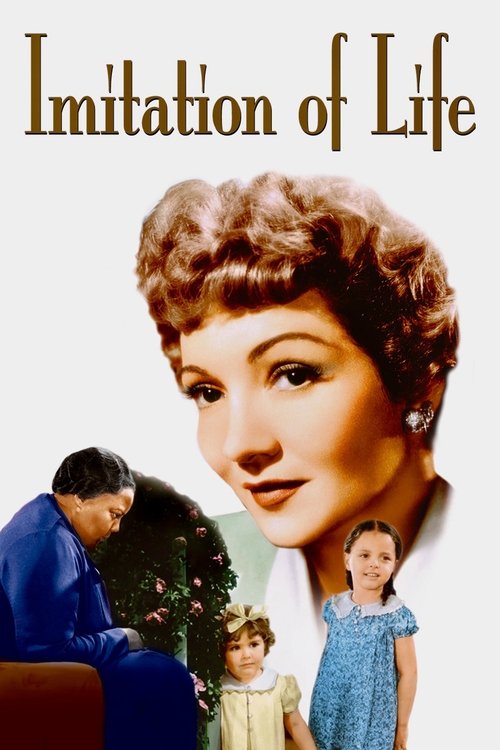
Imitation of Life1934
John Stahl's film about working mothers and class aspiration in Depression America. Like *Tree*, it treats poverty and ambition with real respect, and finds tragedy in the gap between what people want and what circumstance allows.
But The racial dimensions are papered over in ways that feel uncomfortable now. Also quite melodramatic in structure, which undercuts some of the naturalism.
Sullivan's Travels1941
Preston Sturges's film about a wealthy director learning about ordinary American life and struggle. It has genuine feeling underneath the comedy, and a deep belief in the dignity and intelligence of working people.
But Tonal shifts from comedy to something darker can feel jarring. The second half is a tonal departure that doesn't work for everyone.

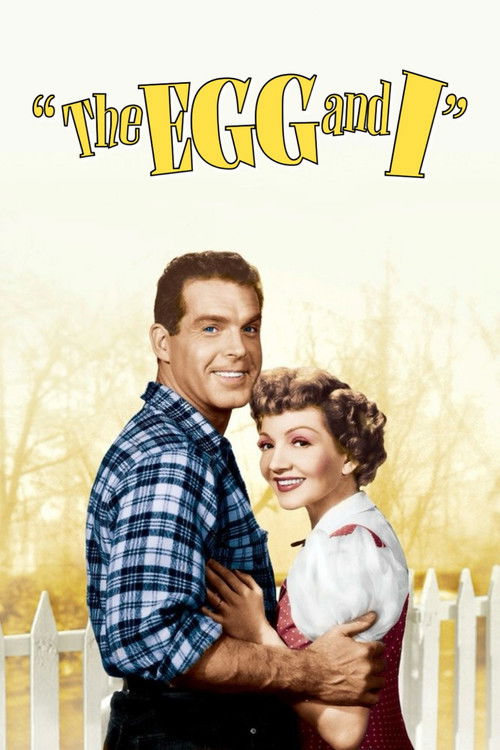
The Egg and I1947
Based on Betty MacDonald's memoir, this portrait of resilience and humor in the face of hardship and failure has the same warmth and the same refusal to make struggle into tragedy. Claudette Colbert is wonderful.
But The gender dynamics feel archaic. It's also lighter and frothier than *Tree*, which some will see as evasion rather than balance.
Pennies from Heaven1981
Herbert Ross's Depression-era film about a sheet-music salesman's quiet desperation. It has the same attention to how people endure, and the same belief that interior lives matter as much as external circumstance.
But Genuinely bleak in ways the 1945 film is not. The sexual content and tone will surprise anyone expecting something more conventional.

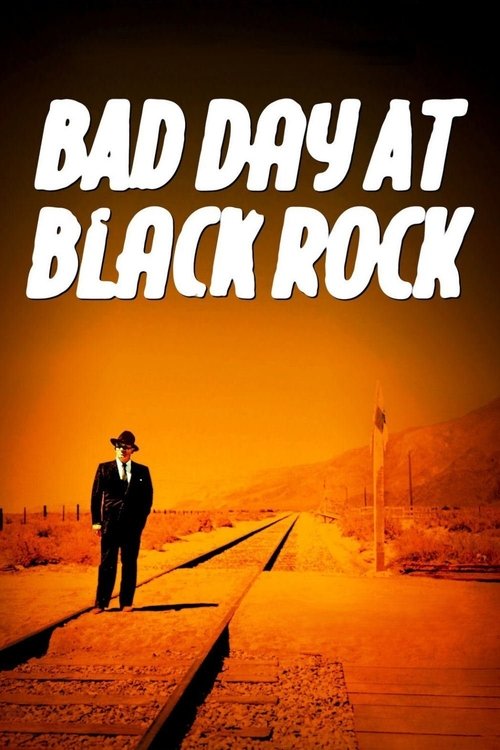
Bad Day at Black Rock1955
John Sturges's tense exploration of a small American town and the secrets people keep. Beneath the suspense is a serious examination of community, belonging, and the violence that ordinary people are capable of.
But A thriller first, a character study second. If you're coming for intimacy and family life, you'll find tension and confrontation instead.
The Best Years of Our Lives1946
William Wyler's three-hour film about returning soldiers and small-town American life. It trusts its audience completely and finds depth in conversation and the texture of ordinary days. Made the same year as *Tree*.
But Runs nearly three and a half hours and doesn't hurry. The pacing will feel glacial to modern viewers, and the emotional beats are struck with a deliberate, old-fashioned hand.

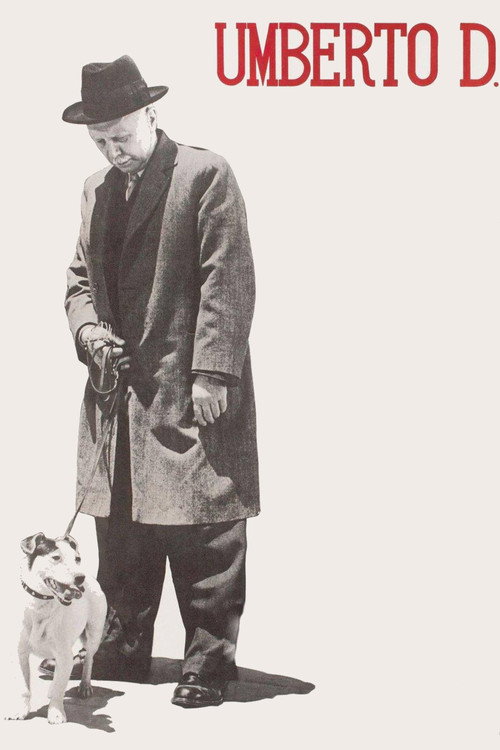
Umberto D.1952
Both films insist on the full humanity of poor people—their interior lives, their pride, their small hopes—but *Umberto D.* is the dark version, the one that doesn't believe in redemption or the tree that grows despite everything.
Vittorio De Sica's neorealist film about an old man and his dog facing destitution in Rome. Spare, unsentimental, and devastating. It has the same refusal to make poverty picturesque, the same attention to dignity in constraint, but it's harder and colder than *Tree*.
But Genuinely sad in ways that offer no comfort. The ending will disturb you. No sentimentality cushions the blow; poverty here is simply what it is.
People
Cast
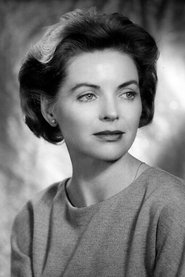 Dorothy McGuireKatie Nolan
 Joan BlondellAunt Sissy
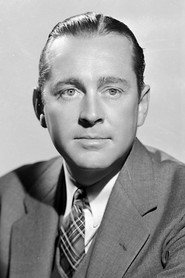 James DunnJohnny Nolan
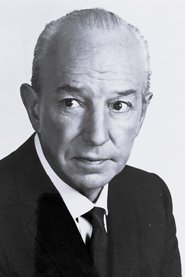 Lloyd NolanOfficer McShane
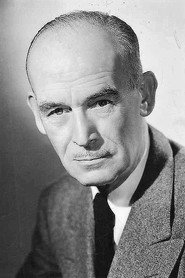 James GleasonMcGarrity
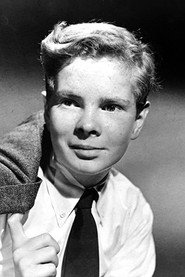 Ted DonaldsonNeeley Nolan
 Peggy Ann GarnerFrancie Nolan
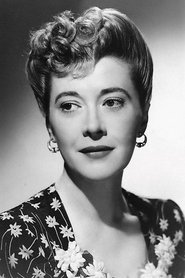 Ruth NelsonMiss McDonough
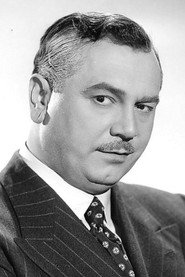 John AlexanderSteve Edwards
- B.S. PullyChristmas Tree Vendor
 Ferike BorosGrandmother (uncredited)
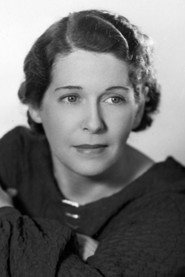 Virginia BrissacMiss Tilford (uncredited)
Directing
- Saul WurtzelAssistant Director
- Elia KazanDirector
Writing
- Anita LoosDialogue
- Arthur PiersonDialogue
- Nicholas RayDialogue
- Betty SmithNovel
- Frank DavisScreenplay
- Tess SlesingerScreenplay
Production
- Louis D. LightonProducer
- Gertrude KingstonResearch Assistant
- Frances C. RichardsonResearcher
Recommended by
Lady Bird, How Green Was My Valley, The Egg and I, I Remember Mama, The Catered Affair, Dennis the Menace, Avalon, Mom and Dad, The Member of the Wedding, Bright Eyes, Lost in Yonkers, Heidi, The Boy with Green Hair, Tender Comrade, Follow Me, Boys!, My Antonia, Our Vines Have Tender Grapes, Penrod and Sam, Sunday Dinner for a Soldier, The Human Comedy, A Christmas Memory, Breaking the Ice, Vigil in the Night