
Film
Follow Me, Boys!
- Family drama
- Light-hearted
Fred MacMurray stars as a drifter-turned-scoutmaster in a 1966 Disney drama about purpose and community. It's a sincere, unhurried film that trades cynicism for genuine warmth, built on the conviction that steering kids right matters more than any personal ambition. Nostalgic without being saccharine—a rare thing in family entertainment that respects both children and adulthood.
Should you watch it?
Watch it if you like gentle, small-town stories about ordinary decency, where a man's quiet devotion to a handful of restless boys matters more than any grand plot.
Skip it if you need brisk momentum or a clear dramatic hook, since it wanders through town life and scouting routines at a leisurely pace across a long runtime.
What it asks of you: Long, unhurried stretches of episodic days and small-town moments, with sentiment that accumulates slowly rather than arriving in sharp bursts.
Not sure? Find tonight's pick in a minute.
If you liked this
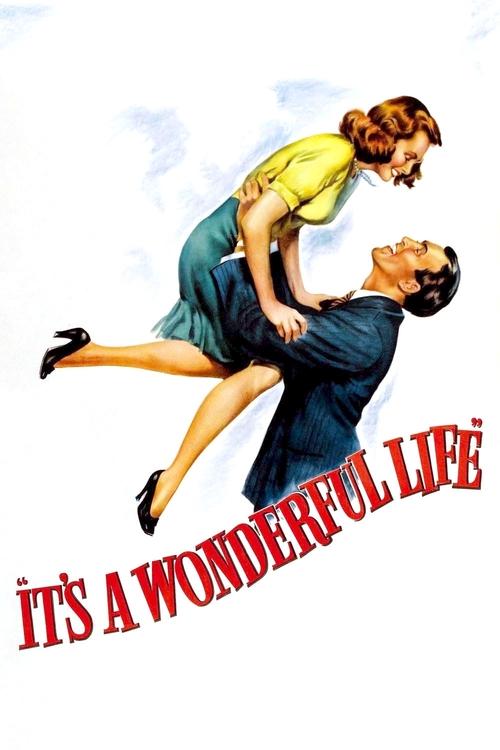
It's a Wonderful Life1946
A man discovers his true worth through the lives he's touched, not the success he chased. Like Follow Me, Boys!, it argues that ordinary kindness compounds into a life well-lived, with humor that never undermines the emotional truth.
But Three-hour black-and-white film from 1946; its sentimentality has been so endlessly recycled that the original can feel familiar before you've seen it.
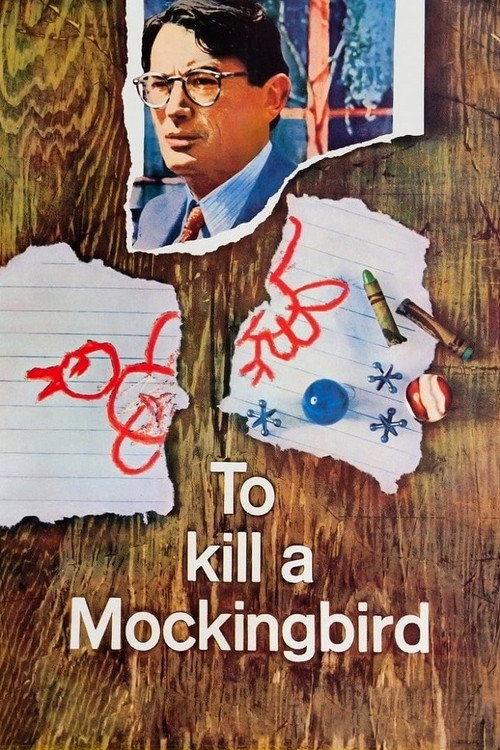
To Kill a Mockingbird1962
Gregory Peck as a man who shapes young lives through example and moral clarity. The patient, episodic structure mirrors Follow Me, Boys! in showing how adults anchor children's understanding of right and wrong.
But Measured and deliberately slow; if you want plot momentum or snappy dialogue, this will feel like watching paint dry in the courtroom.
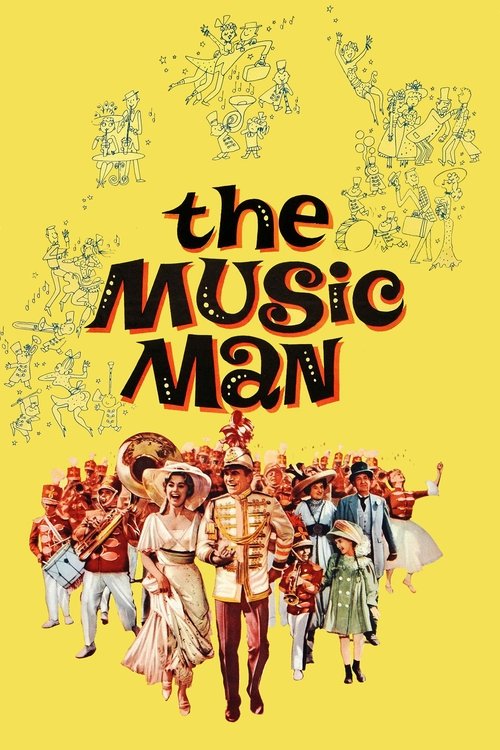
The Music Man1962
Robert Preston transforms a small town through infectious enthusiasm and genuine investment in its young people. Like Follow Me, Boys!, it's a musical about community and the power of one person's commitment to youth.
But It's a musical, which means if you don't warm to the form, the songs will feel like obstacles rather than expression.
Not sure tonight? Get a pick in a minute, starting from Follow Me, Boys!
The wildcard
Something you would not have found on your own.
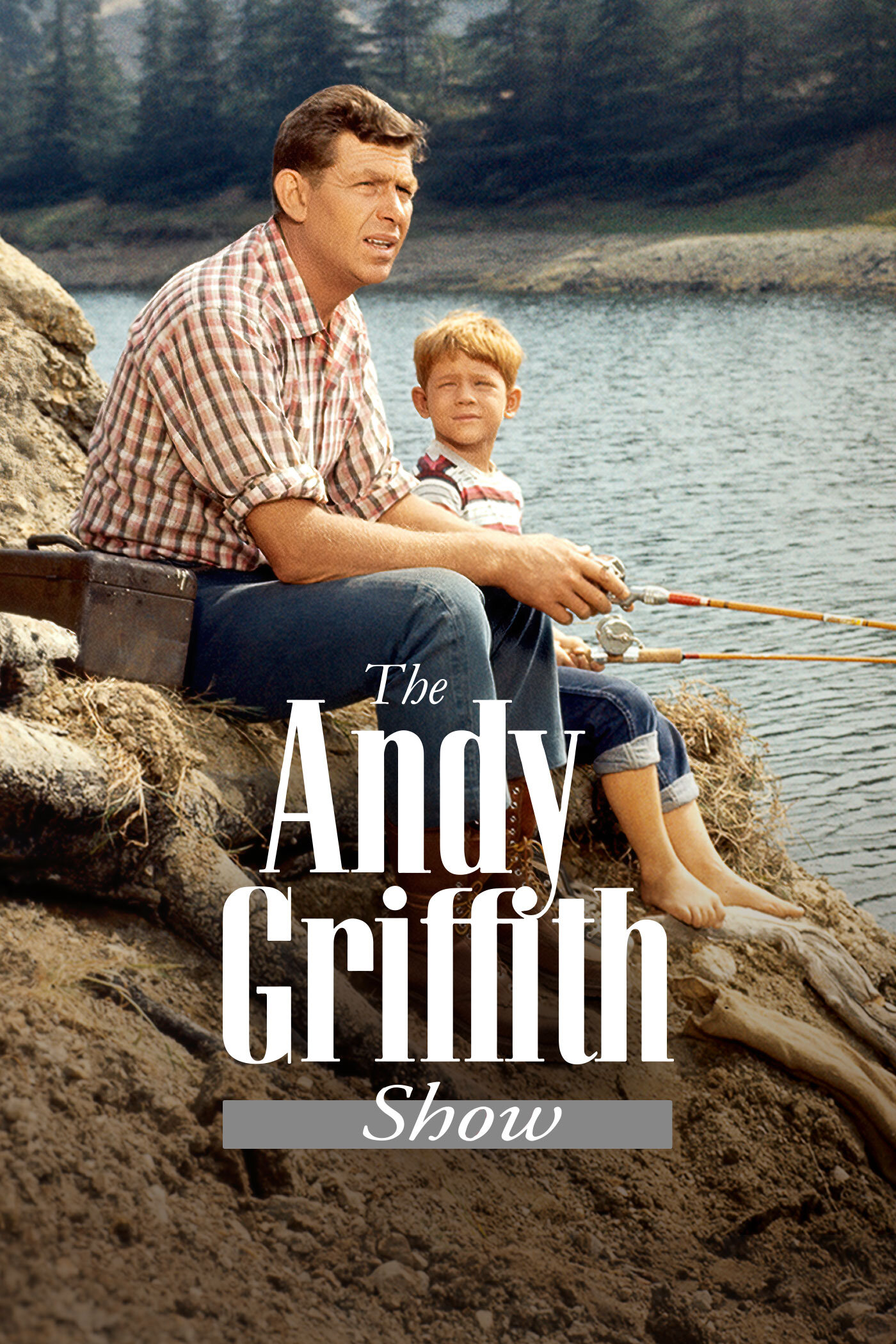
The Andy Griffith Show1960
Both center on a single adult—scoutmaster, sheriff—who serves as the quiet conscience and anchor of a small town, proving that vocation is measured in lives touched, not achievements earned.
Eight seasons of a small-town sheriff mentoring a young deputy and serving as moral center to a community. It's Follow Me, Boys! as ongoing television—the same quiet conviction that one steady adult shapes an entire town.
But Black and white, leisurely paced, and some episodes veer into sentimentality or racism that reflects its era without apology; it demands you hold multiple things at once.
More like this (8)
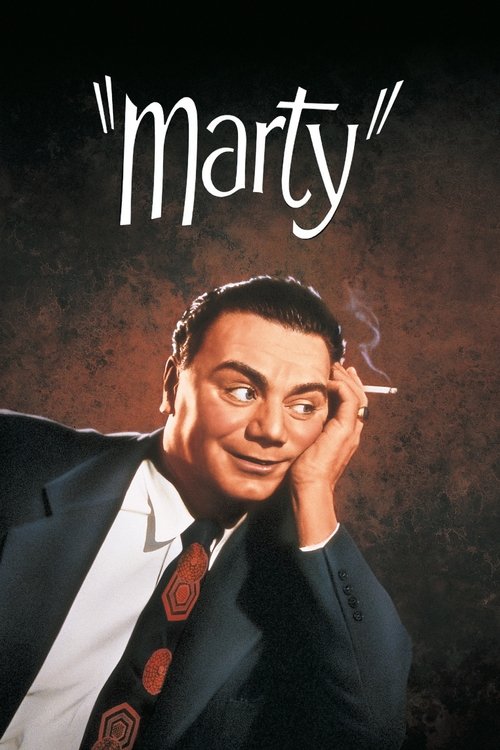
Marty1955
A quiet story about an ordinary man finding meaning in human connection rather than grand ambition. Shares Follow Me, Boys! faith that small-town decency and real relationships matter more than escape.
But Deliberately uneventful; there's almost no plot, and if you need forward momentum, it will feel static.
The Best Years of Our Lives1946
Three men return home and rebuild their lives through community and work. Like Follow Me, Boys!, it takes seriously the adult's role as mentor and anchor, without a trace of sentimentality.
But Nearly four hours long and shot in black and white; the pacing is deliberate, and it demands patience and quiet attention.

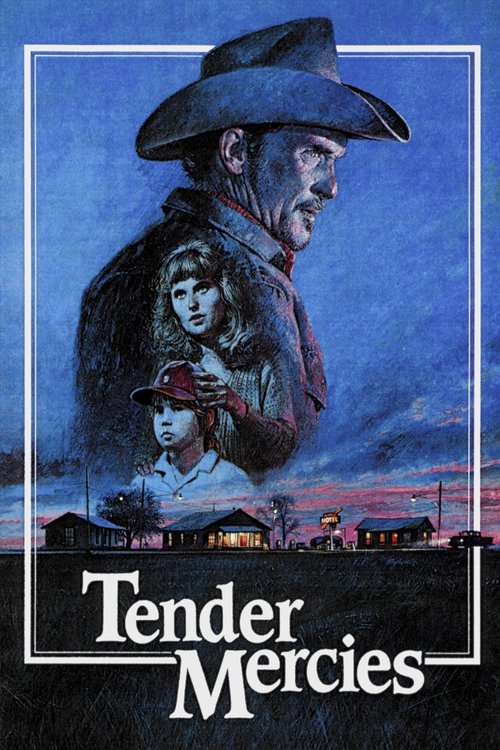
Tender Mercies1983
Robert Duvall as a broken man remade by small acts of grace and a child's presence. Shares the quiet conviction that redemption comes through responsibility to others, not personal triumph.
But Sparse and melancholic; there's almost no plot, and the mood is contemplative rather than warm or uplifting.
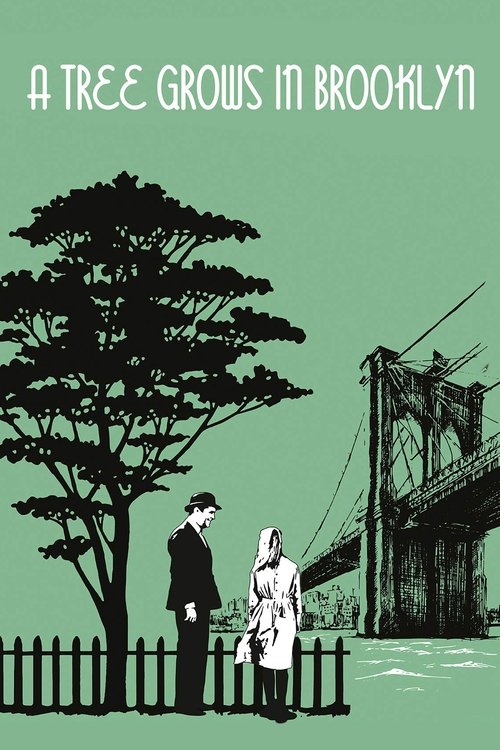
A Tree Grows in Brooklyn1945
Peggy Ann Garner as a girl shaped by her father's love and sacrifice. Like Follow Me, Boys!, it's a film about how one person's steadiness anchors a child's entire understanding of the world.
But Melodramatic in the 1940s way; if you're not in the mood for that register, the emotional beats will feel overheated.
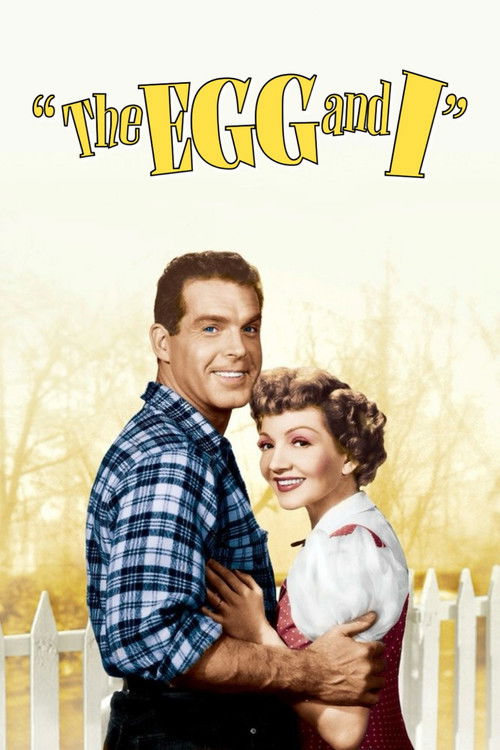
The Egg and I1947
Claudette Colbert and Fred MacMurray build a life together from nothing. A gentler companion to Follow Me, Boys!, it argues that rootedness and small-town purposefulness beat restlessness every time.
But Romantic comedy-drama from 1947; it's concerned with marriage and farming, not scouting, so the thematic connections are looser.
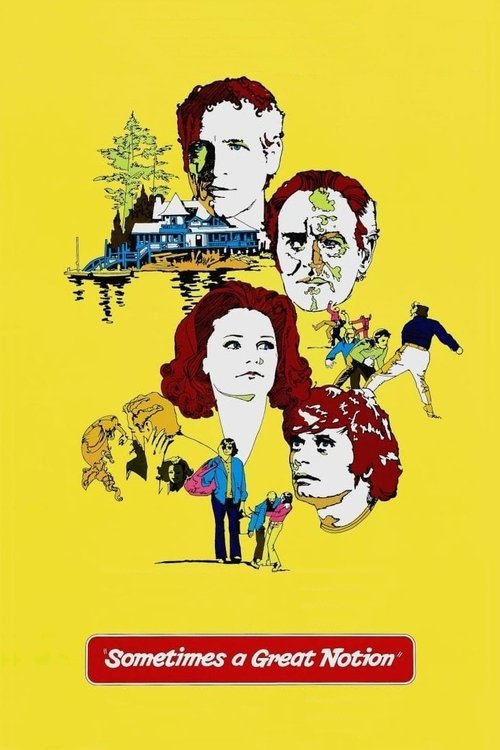
Sometimes a Great Notion1971
Paul Bunyan-sized family epic about loggers in Oregon, where work and duty to kin are everything. Shares the film's faith in hard work and community as the bedrock of meaning, but on a grander scale.
But Two and a half hours of rough-cut melodrama; it's shaggy and earnest in ways that can feel exhausting rather than moving.
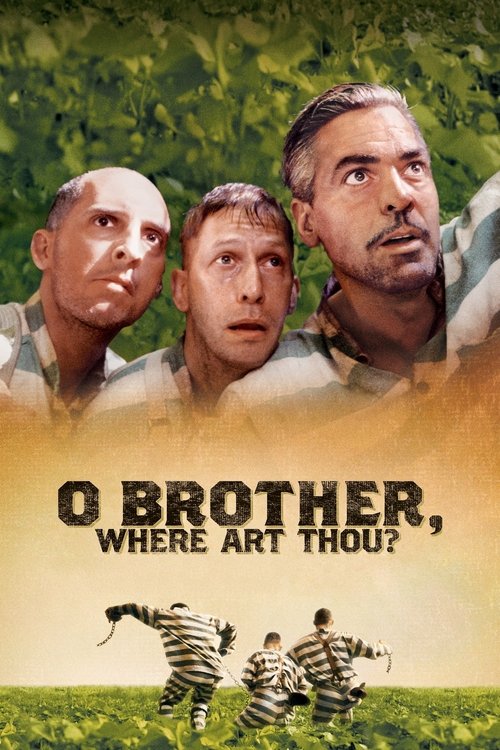
O Brother, Where Art Thou?2000
Both trace a drifter's arc toward rootedness—the realization that settling down and serving others is not failure but the only real success. But where Follow Me, Boys! is earnest, O Brother dances around the idea with irony and dark comedy.
A restless drifter—like Lemuel Siddons at the start—journeys through Depression-era America in search of treasure and purpose, only to discover they were never the point. Visually gorgeous, deeply funny, and scored with bluegrass that reaches the soul.
But It's a Coen Brothers film, which means it's shapeshifting and oblique; if you want straightforward storytelling, it will feel mannered and frustrating.
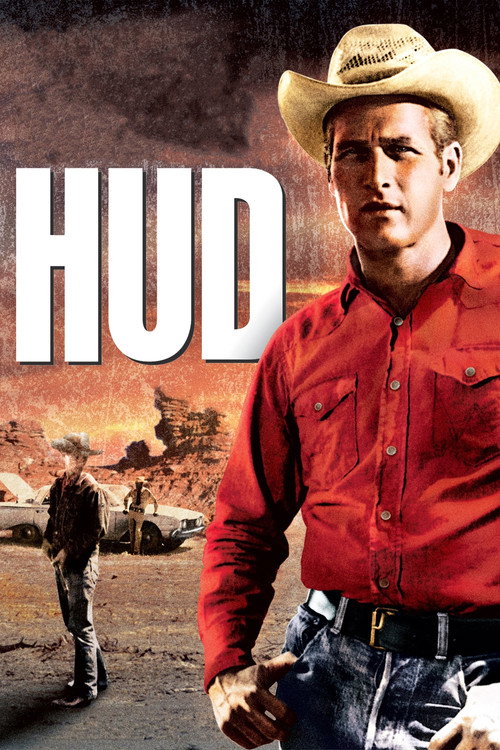
Hud1963
The inversion of Follow Me, Boys!—Hud is about a man who refuses to become a mentor or community anchor, and the moral emptiness that refusal breeds. Together, they argue the same case from opposite ends.
Paul Newman as a young rancher who dismisses duty and mentorship, refusing to be anchored by father or land. A brutally honest reverse-image of Follow Me, Boys!—what happens when a man chooses ambition and freedom over community and kids.
But It's a Western that hates Westerns; Newman's character is repellent and unredeemed, and the film makes no move to make that easier or more palatable.
People
Cast
 Fred MacMurrayLemuel Siddons
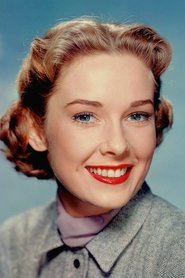 Vera MilesVida Downey
 Lillian GishHetty Seibert
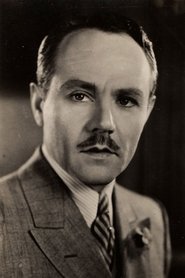 Charles RugglesJohn Everett Hughes
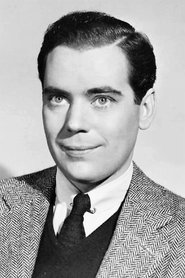 Elliott ReidRalph Hastings
 Kurt RussellWhitey
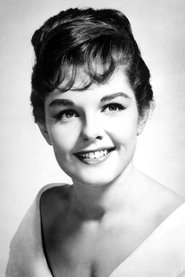 Luana PattenNora White
 Ken MurrayMelody Murphy
 Donald MayEdward White, Jr.
 Sean McCloryEdward White, Sr.
 Steve FrankenP.O.W. Lieutenant
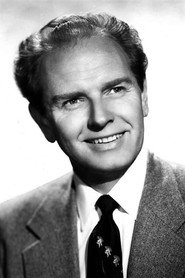 Parley BaerMayor
Directing
- Norman TokarDirector
Writing
- MacKinlay KantorNovel
- Louis PelletierScreenplay
Production
- Walt DisneyProducer