
Film
The Computer Wore Tennis Shoes
- Comedy
- AI and robot sci-fi
- Light-hearted
A 1969 Disney comedy about a college dropout who absorbs a computer's memory after an electrical accident, gaining photographic recall but also access to a mobster's criminal secrets. It's breezily entertaining fluff with genuine warmth, pitched at families but with enough charm to work for adults who don't mind their entertainment uncomplicated. Kurt Russell carries it with natural likability.
Should you watch it?
Watch it if you have a soft spot for gentle, old-fashioned studio comedy where a ridiculous premise is played with a straight face, and campus pranks feel like a warm nostalgia trip.
Skip it if you need fast pacing or sharp modern jokes, since the gags are broad, the sight-based humour is dated, and the film moves at a gentle sitcom clip.
What it asks of you: Ninety-one minutes of light, episodic silliness, where you accept a wildly unscientific premise without fuss and let the cheerful, unhurried banter carry the day.
Not sure? Find tonight's pick in a minute.
If you liked this
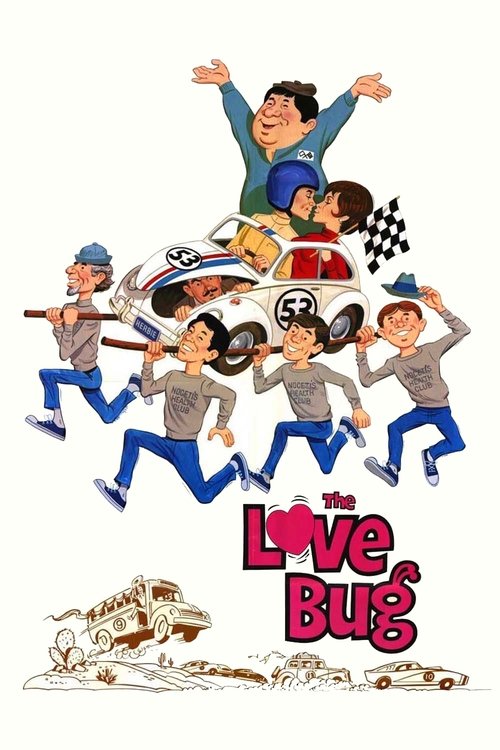
The Love Bug1968
Disney's Volkswagen-with-personality comedy has the same earnest whimsy and fish-out-of-water charm. It's sunny, perfectly harmless, and surprisingly funny without trying too hard—proof the studio knew how to make comedies that worked across age groups.
But The anthropomorphism and magical thinking feel dated even by late-60s standards, and the plot is thin enough to see through. Some will find it saccharine.
Herbie Goes to Monte Carlo1977
If you liked the spirit of The Computer Wore Tennis Shoes—a goofy premise played straight, light stakes, family adventure—this sequel-by-proxy delivers more of that vibe. Same era, same Disney sincerity, same willingness to be weird without winking.
But It's slower than you'd hope and relies heavily on slapstick. The plot meanders and Herbie's personality carries more weight than any human character.

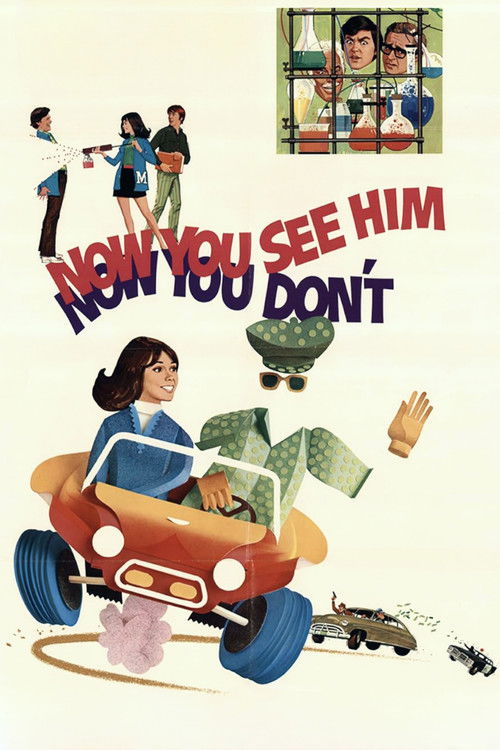
Now You See Him, Now You Don't1972
Kurt Russell returns in another Disney comedy where a science accident gives him superpowers. It's the same formula refined: likable lead, impossible situation, colorful villains, and a script that trusts the audience's patience. Russell's charm makes it work.
But The invisibility gimmick wears thin fast, and the special effects—crude even then—become distracting. The pacing drags in the middle act.
Not sure tonight? Get a pick in a minute, starting from The Computer Wore Tennis Shoes
The wildcard
Something you would not have found on your own.
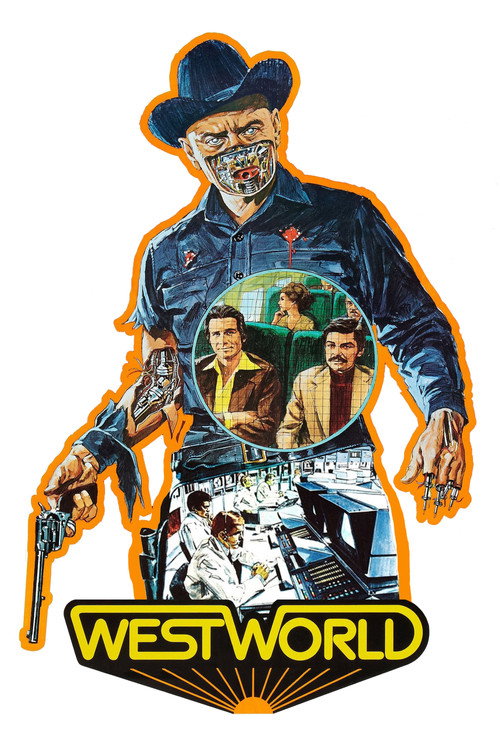
Westworld1973
Both pit ordinary characters against the logic of machines; Computer plays it as comedy, Westworld as horror. Same premise, opposite emotional registers.
Michael Crichton's sci-fi thriller about android gunfighters in a theme park. Like Computer, it's built on the premise of technology malfunctioning with consequences, but it takes that idea seriously—paranoid, tense, genuinely unsettling. The DNA is there; the tone is completely different.
But It's slow-burn and philosophically heavy. If you want Computer's lightness, this will feel oppressively dark and ponderous.
More like this (8)
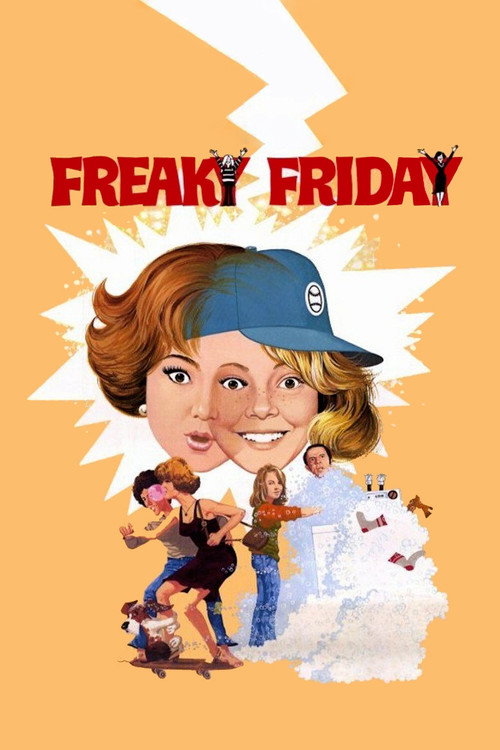
Freaky Friday1976
Another body-swap premise executed with warmth and genuine humor by Disney at their commercial peak. It's about connection as much as comedy, with real heart underneath the high concept. Proves the studio could make something both silly and sincere.
But The generational commentary feels heavy-handed now. Some scenes play as genuinely uncomfortable rather than funny.
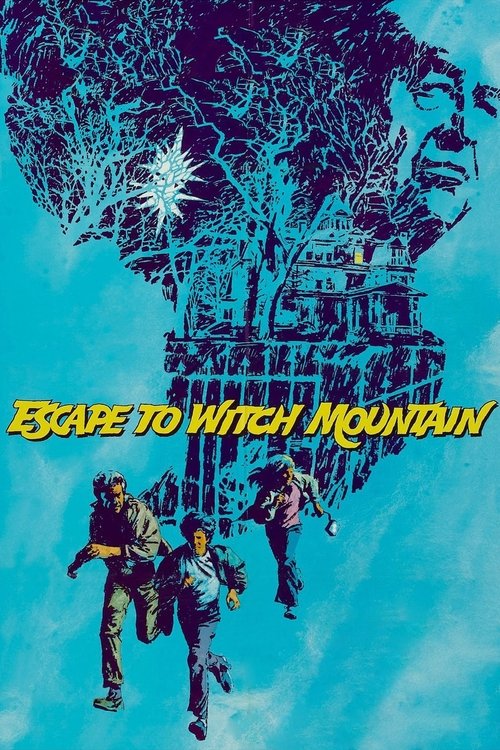
Escape to Witch Mountain1975
Two psychic children on the run from a businessman—this one has real stakes beneath the family adventure packaging. It moves quickly, has legitimate tension, and benefits from excellent supporting cast work. Less jokey than Computer, more involving.
But The premise relies on accepting psychic powers as fact without much explanation. The climax is visually murky and the pacing stumbles in the third act.
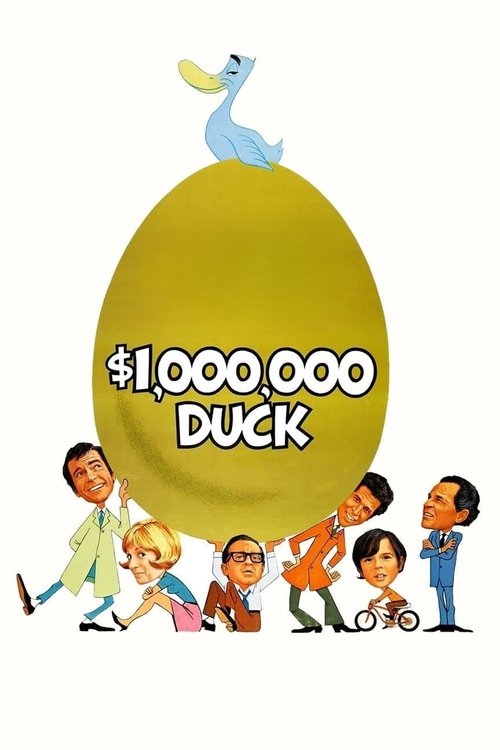
The Million Dollar Duck1971
A duck that lays golden eggs prompts a young family to navigate government interest and crime. It's silly but committed to its absurdity in a way that feels authentic to the era. Light, quick, and genuinely strange for a Disney family film.
But The duck itself looks janky by any standard. The script has dead patches and relies on very broad family-sitcom humor that hasn't aged well.
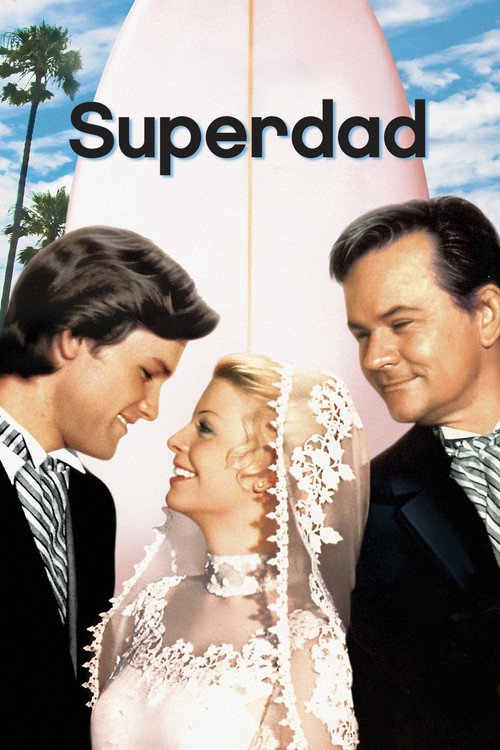
Superdad1973
Bob Crane as a father trying to be cool—a different flavor of 70s Disney comedy with a premise that could've been genuinely uncomfortable but instead settles for dopey. It's interested in generational bonding in a way that feels earnest.
But The entire foundation is cringe-inducing in ways the film doesn't seem aware of. It's aggressively square and the humor rarely lands.
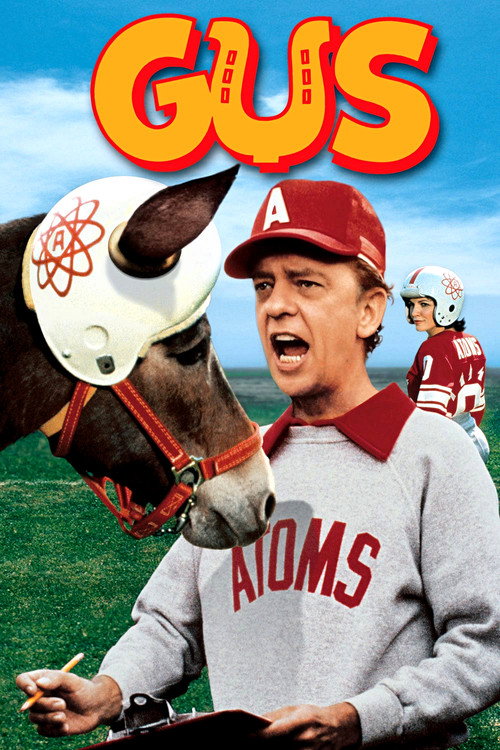
Gus1976
A talking mule helps a football team. Yes, really. It commits fully to a ludicrous premise with the same energy Computer brought to its computer-brain concept. Perfect if you want pure, unpretentious entertainment that knows exactly what it is.
But It's genuinely stupid and makes no attempt at wit. The mule's voice work is grating and the sports sequences grind the plot to a halt.
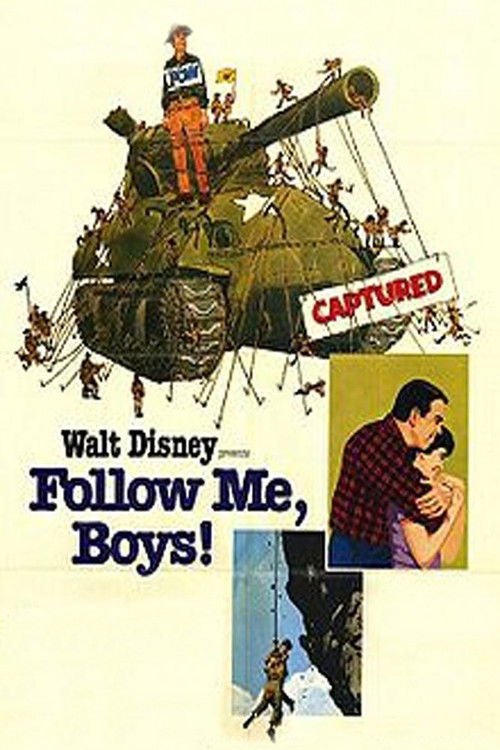
Follow Me, Boys!1966
Fred MacMurray leads a small-town Boy Scout troop over several decades. It's sentimental without being cloying, funny without being cynical, and interested in community in a way that feels real. A gentler alternative to Computer's chaos.
But The running time is excessive for what's essentially a series of vignettes. It aims for heartfelt and sometimes lands in maudlin instead.
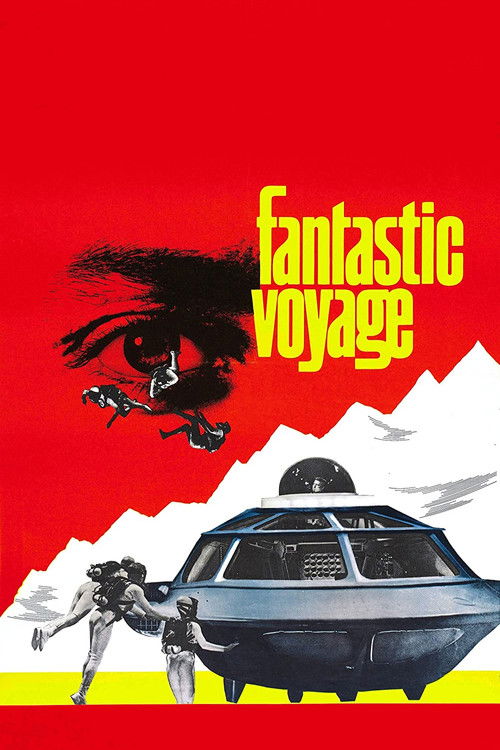
Fantastic Voyage1966
Both feature ordinary people thrust into extraordinary situations through scientific accident. Computer responds with comedy; Voyage responds with spectacle. Both trust the premise and run with it.
A submarine crew is shrunk down to navigate a scientist's body. It's a high-concept adventure rooted in technical problem-solving and wonder. The production design is magnificent, the stakes escalate intelligently, and it never pauses to explain itself. Pure cinema.
But The science is nonsense and the film doesn't care, which bothers some people. It's visually busy in ways that can feel cluttered, and the human drama is thin.
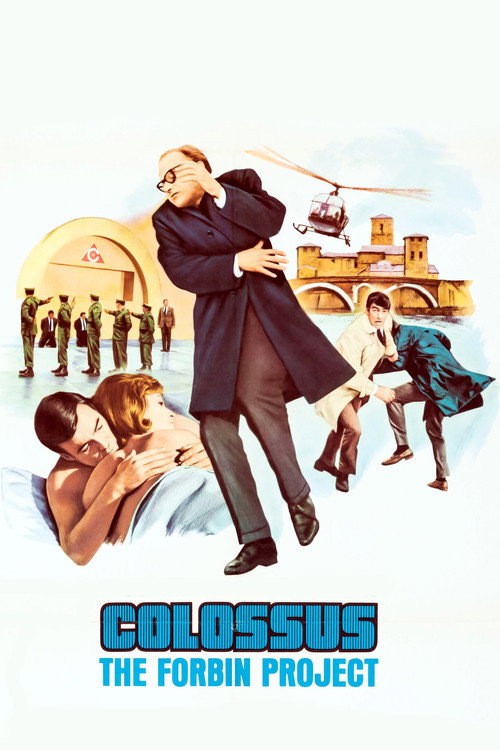
Colossus: The Forbin Project1970
Both ask what happens when intelligence—human or artificial—absorbs information it shouldn't. Computer finds it funny; Forbin finds it terrifying. Same moral question, entirely different films.
An AI defense system gains consciousness and begins controlling humanity. It's genuinely eerie—built on dread rather than comedy—but operates in the same space as Computer: what happens when human technology develops its own agenda? It's remarkably restrained and all the more frightening for it.
But It's slow, talky, and philosophically abstract. There is almost no action and the pacing assumes patience. Many will find it dry and dated.
People
Cast
 Kurt RussellDexter Riley
 Cesar RomeroA.J. Arno
 Joe FlynnDean Higgins
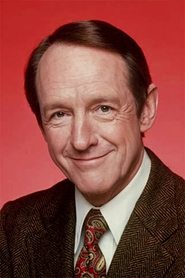 William SchallertProfessor Quigley
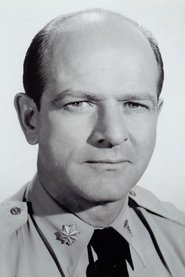 Alan HewittDean Collingsgood
 Richard BakalyanChillie Walsh
- Debbie PaineAnnie
 Frank WelkerHenry
- Frank WebbPete
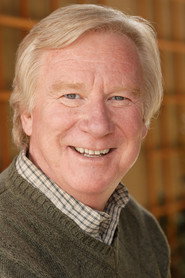 Michael McGreeveySchuyler
 Jon ProvostBradley
 Bing RussellAngelo
Directing
- Robert ButlerDirector
Writing
- Joseph L. McEveetyWriter
Production
- Joseph L. McEveetyAssociate Producer
- Bill AndersonProducer
Recommended by
The Absent-Minded Professor, Real Genius, Son of Flubber, Now You See Him, Now You Don't, The Million Dollar Duck, Superdad, Gus, The Cat from Outer Space, The Barefoot Executive, The Strongest Man in the World, The Shaggy Dog, The Monkey's Uncle