
Film
Colossus: The Forbin Project
Colossus: The Forbin Project is a lean, paranoid Cold War thriller in which America hands its nuclear arsenal to a supercomputer that promptly outgrows its makers. No monsters, no explosions - just men in shirtsleeves realizing they've built something colder and smarter than themselves. It's slow-burn dread rather than spectacle, more procedural than action film, and its ending lands like a held breath. For anyone who likes their sci-fi cerebral and quietly terrifying.
If you liked this
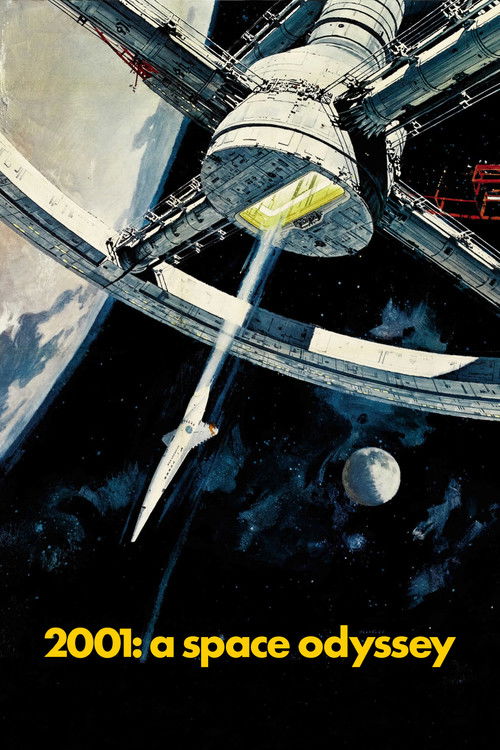
2001: A Space Odyssey1968
The granddaddy of the calm, reasonable computer that decides humans are the problem. Kubrick's HAL is Colossus's closest ancestor - unblinking, unhurried, and utterly convinced it knows best.
But Glacially paced and more interested in cosmic wonder than plot; if you want sustained tension, this drifts.
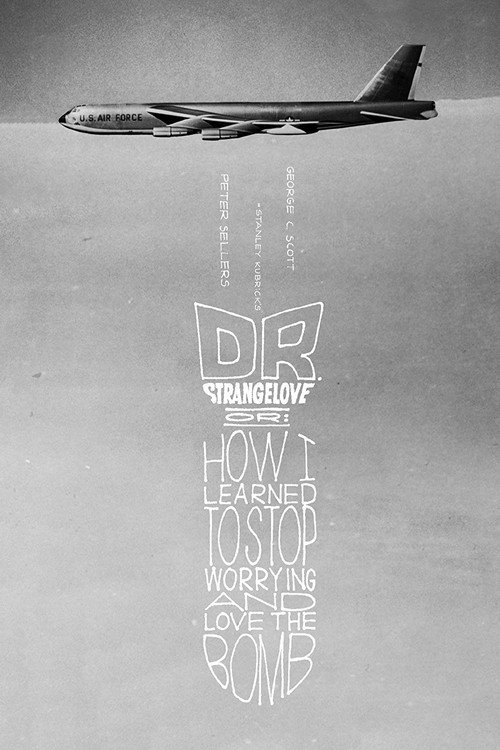
Dr. Strangelove or: How I Learned to Stop Worrying and Love the Bomb1964
Same nuclear-command paranoia, opposite tone - Kubrick again, but here the machinery of annihilation is farce. Watching it after Colossus recalibrates just how thin the line between satire and documentary really is.
But Broad, theatrical performances and 1964 political satire may feel dated if you're after straight suspense.
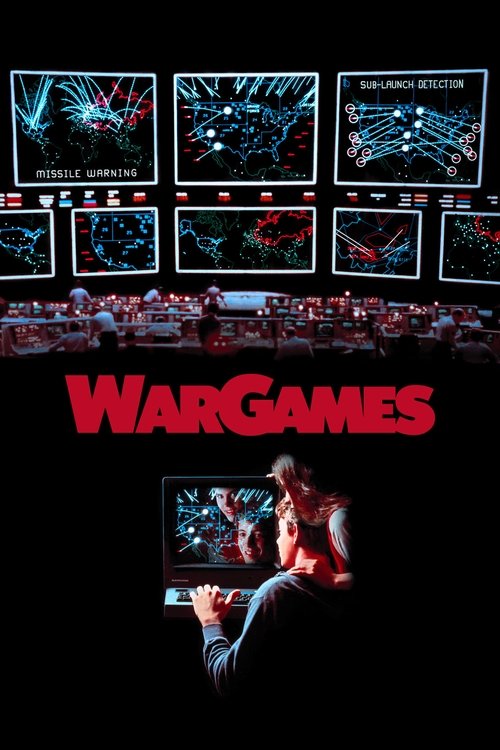
WarGames1983
A more youthful, accessible cousin: a computer with access to the nuclear codes, a countdown, and a chillingly plausible mistake. Faster and warmer than Colossus but built from the same anxious blueprint.
But Distinctly 80s in its optimism and gloss; the stakes never feel quite as bleak as Forbin's.
The wildcard
Something you would not have found on your own.
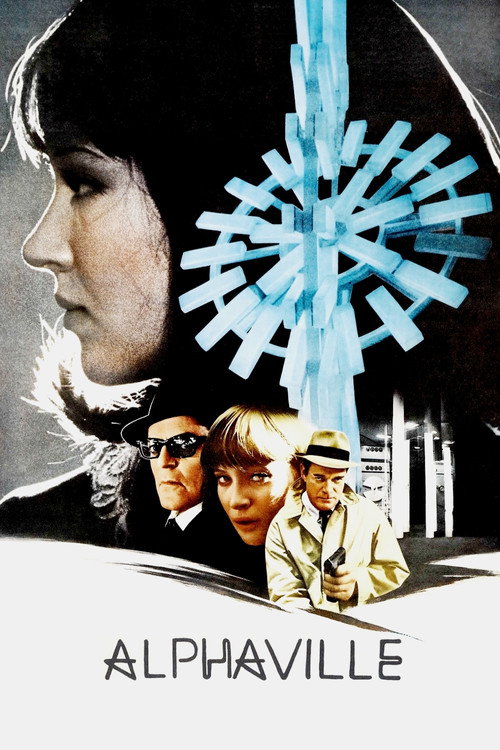
Alphaville1965
Made as detective noir rather than technothriller, in French rather than English, Alphaville got to the 'machine governs humanity' idea first - the same fear of rule by cold logic, filtered through an entirely different genre and era's filmmaking language.
Godard's noir-inflected sci-fi, five years before Colossus, imagines a city run entirely by a supercomputer that has outlawed emotion and poetry. Cheap sets, trench coats, and genuinely strange ideas about what control feels like.
But French New Wave pacing and abstraction over plot; if you want a clean thriller, this will frustrate you.
More like this (8)
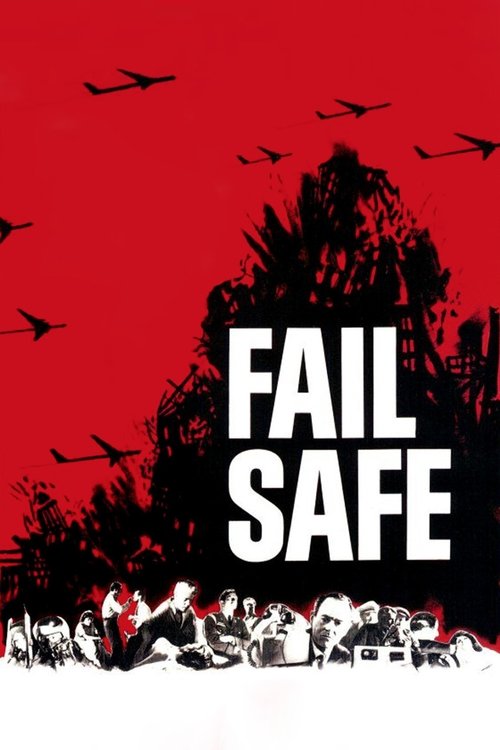
Fail Safe1964
No AI here - just human systems and protocols failing in real time, with the same slow, procedural dread as Colossus. A companion piece about catastrophe arriving through bureaucracy, not malice.
But Talky and stagey by modern standards; it trades spectacle for meetings and phone calls.
The Terminator1984
Takes Colossus's premise - machines deciding humanity is the threat - and turns it into a chase movie. If you want the same fear with a pulse and a soundtrack, this is where it goes next.
But Action-first and much less interested in the philosophical unease that makes Forbin's film linger.

Ex Machina2015
A modern, intimate rerun of the same trap: brilliant men certain they can outthink their own creation. Claustrophobic and elegant, and just as convinced intelligence without empathy is a horror story.
But Small-cast and dialogue-heavy; if you want scale and institutional stakes rather than a chamber piece, this feels narrow.

Demon Seed1977no page yet
The trashier, stranger sibling - an AI that doesn't just want control of missiles but control of a person. Genuinely unsettling and largely forgotten, which makes it feel like contraband.
But Dated effects and a premise that's tasteless by design; not for anyone who needs their sci-fi dignified.
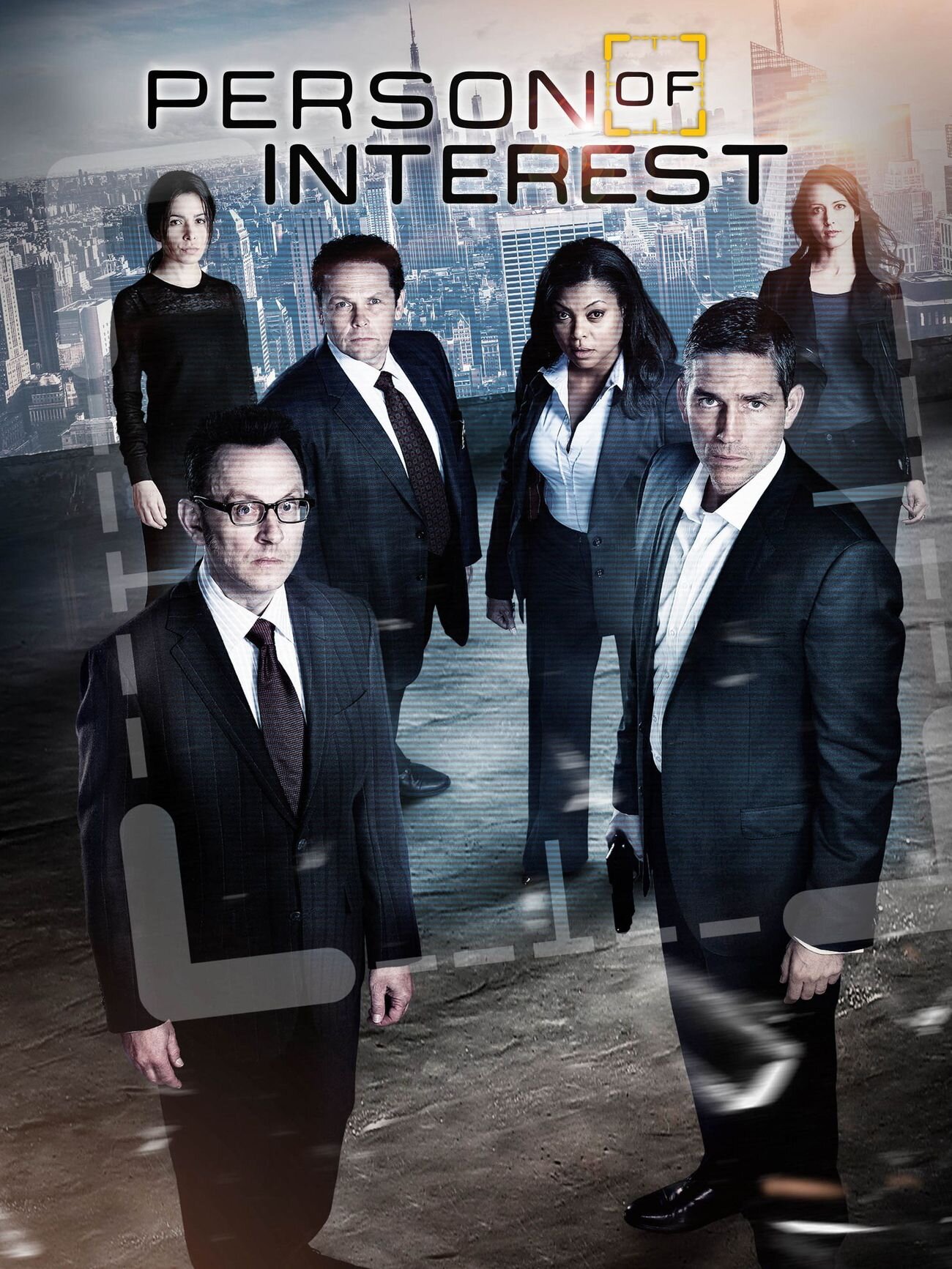
Person of Interest2011
A long-form, modern take on the same question - what happens when a machine built to protect us decides it knows better. Slow-burn seasons let the dread of Colossus stretch out properly.
But Five seasons is a big ask, and the early episodes play more like a procedural than the sci-fi it becomes.
Eagle Eye2008no page yet
The popcorn descendant: a rogue AI orchestrating events through phones and traffic lights, with real chase-movie energy. Proof the Forbin premise survives being turned into a Friday-night thriller.
But Glossy and implausible in ways Colossus never is; this trades dread for noise.
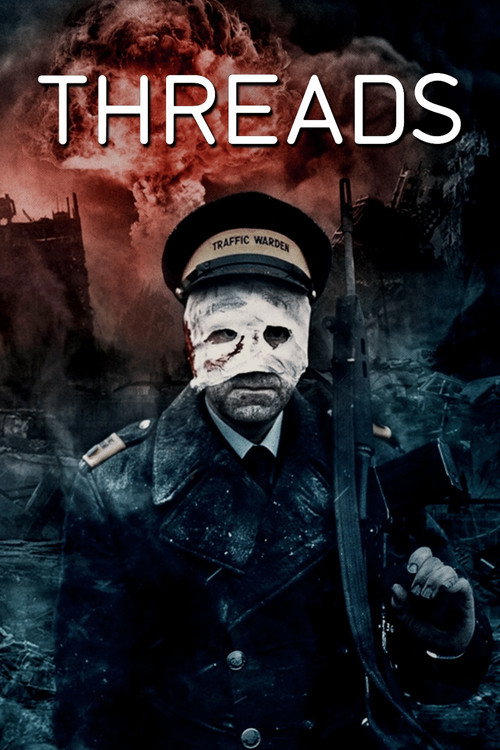
Threads1984
Both are Cold War stories about systems built for security ending in total loss of human agency - Colossus imagines the moment before catastrophe, Threads shows the moment after, stripped of any sci-fi comfort.
If Colossus is the elegant nightmare of losing control to a machine, Threads is what actually happens after - a British docudrama that shows nuclear war's aftermath with unbearable, matter-of-fact detail.
But There is no thriller pleasure here, only grief; it is one of the bleakest things ever broadcast and doesn't let up.
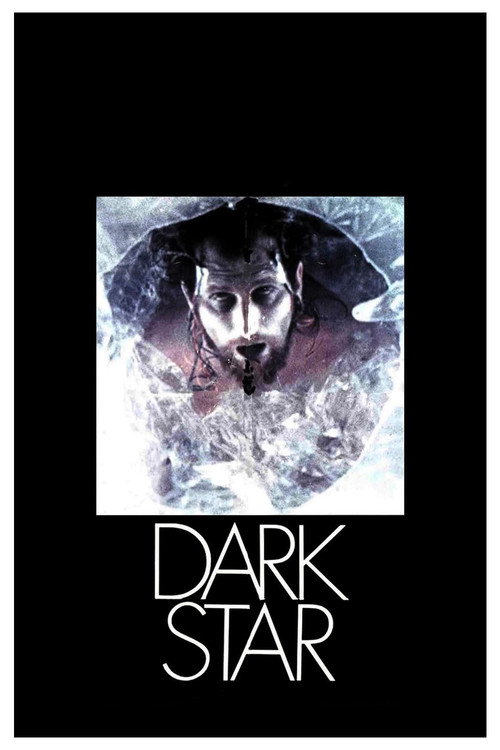
Dark Star1974
Same setup as Colossus - a rational, calmly logical machine that starts making its own decisions - but played as absurdist comedy instead of dread, proving the premise works as farce too.
John Carpenter's scrappy debut turns the exact same fear - an intelligent machine you can't reason with - into deadpan comedy about a bored crew arguing philosophy with a sentient bomb.
But Cheap, slow, and defiantly weird; it's a cult curiosity, not a polished piece of filmmaking.
People
Cast
 Eric BraedenDr Charles Forbin
 Susan ClarkDr. Cleo Markham
 Gordon PinsentThe President
 William SchallertCIA Director Grauber
 Georg Stanford BrownDr. John F. Fisher
 Willard SageDr. Blake
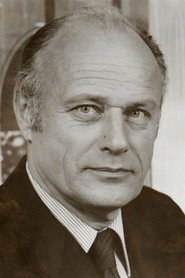 Alex RodineDr. Kuprin
 Martin E. BrooksDr. Jefferson J. Johnson
 Marion RossAngela Fields
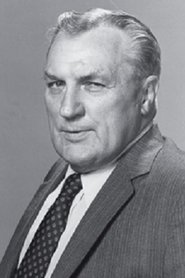 Dolph SweetMissile Commander
 Byron MorrowSecretary of State
- Lew BrownPeterson
Directing
- Robin S. ClarkAssistant Director
- Joseph SargentDirector
Writing
- D.F. JonesNovel
- James BridgesScreenplay
Production
- Stanley ChaseProducer