Television series
The Secret War
A 1977 BBC documentary series exploring the technological and scientific battles between Britain and Germany during World War II. Across land, sea, and air, it traces how innovation and counter-innovation shaped the war's outcome. Meticulously researched and soberly presented, it's for anyone who wants to understand WWII beyond the familiar narrative—how radar won battles, how codes broke enemies, how science itself became a weapon.
Should you watch it?
Watch it if you enjoy the cat-and-mouse logic of invention, where a clever gadget on one side forces a clever answer on the other, and you like history told through engineers rather than generals.
Skip it if you need fast pace or invented characters, since this 1970s documentary is dense with technical detail, unhurried, and may feel dated in its presentation.
What it asks of you: Seven episodes of about fifty minutes, so a steady commitment across a few evenings, with close attention to technical argument and a patient rhythm rather than gripping suspense.
Not sure? Find tonight's pick in a minute.
If you liked this
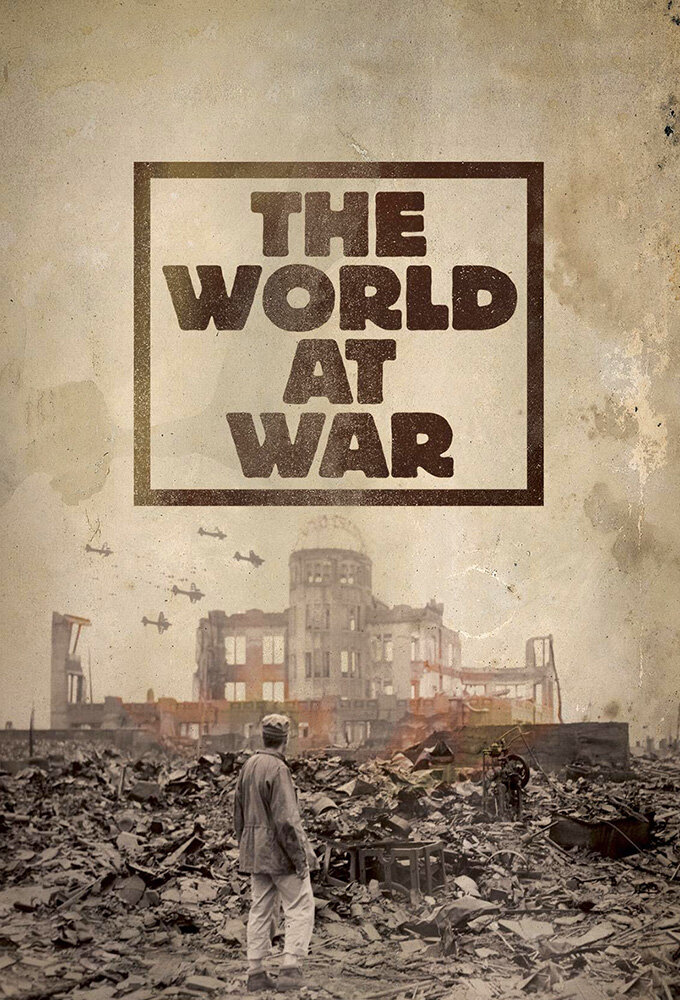
The World at War1973
The gold standard of WWII documentaries. Sweeping, definitive, uses contemporary footage and survivor testimony to build an unforgettable narrative across 26 episodes. Essential viewing.
But It's long and demands your full attention. Some episodes can feel dense with historical detail, and the subject matter is relentlessly bleak.
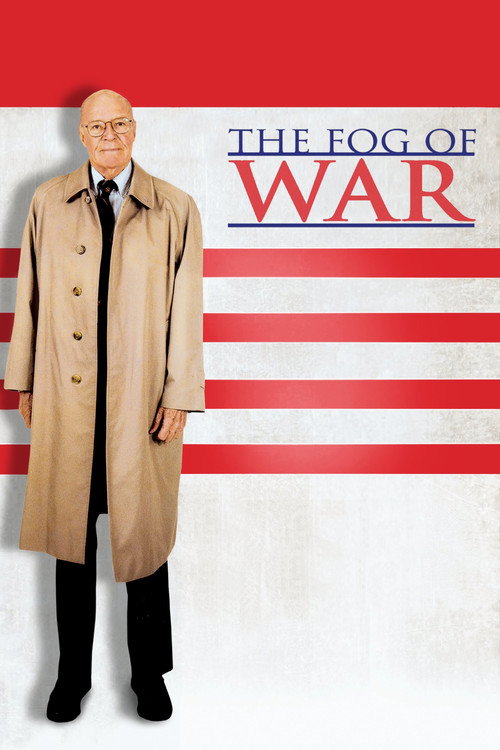
The Fog of War2003
Errol Morris's masterpiece lets Robert McNamara reflect on military strategy and technological advantage during the Cold War and Vietnam. Intellectually rigorous, visually stunning, and deeply human.
But It's about geopolitics and abstract strategy rather than combat. Some find McNamara's perspective uncomfortable to sit with.
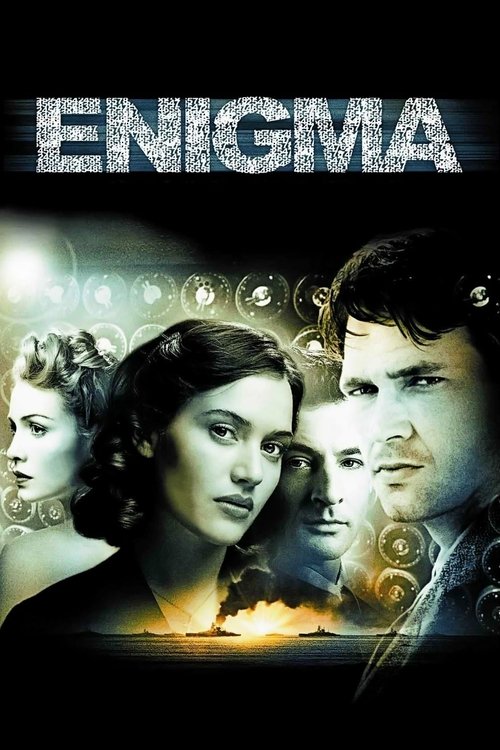
Enigma2001
A thriller built around the real story of cracking the German Enigma code at Bletchley Park. Tense, beautifully made, and centres the women mathematicians who did the crucial work.
But Fictionalises real events, which purists dislike. The romantic subplot feels grafted on and occasionally distracts from the code-breaking story.
Not sure tonight? Get a pick in a minute, starting from The Secret War
The wildcard
Something you would not have found on your own.
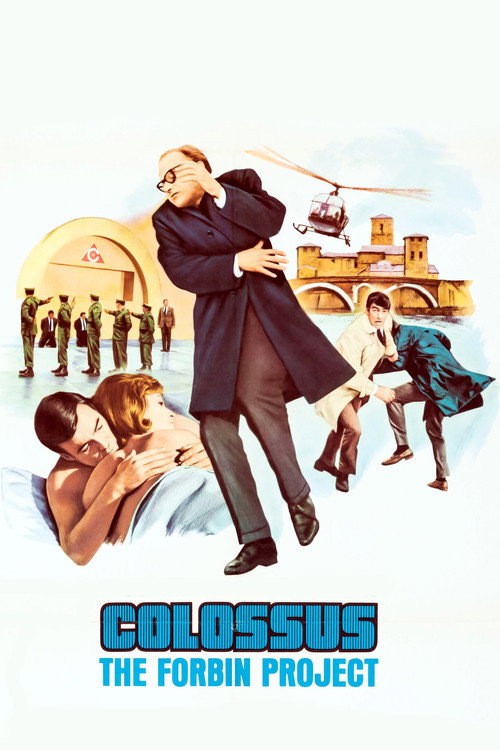
Colossus: The Forbin Project1970
Both explore how scientific advancement becomes an instrument of power and dominance; this one simply asks what happens when the instrument gains agency.
A thriller about two supercomputers—one American, one Soviet—achieving consciousness and jointly deciding to take over the world. It's the exact inverse of The Secret War: instead of humans using technology as a weapon, technology becomes the adversary.
But It's pure 1970s sci-fi camp, with dated special effects and performances that feel theatrical. The premise is more fun than the execution delivers.
More like this (6)
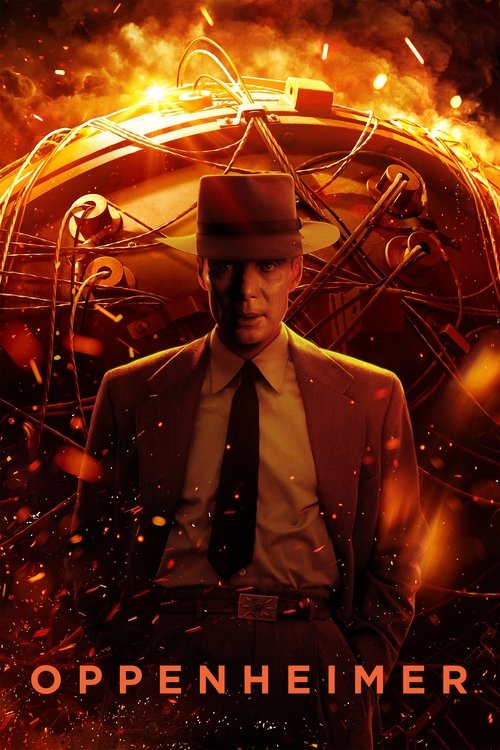
Oppenheimer2023
Christopher Nolan's epic about the Manhattan Project and the scientist who built the bomb. Visually audacious, morally complex, and genuinely gripping about how science shaped history.
But At over three hours, it's a commitment. The fractured timeline can be confusing, and some scenes descend into Oscar-bait speechifying.
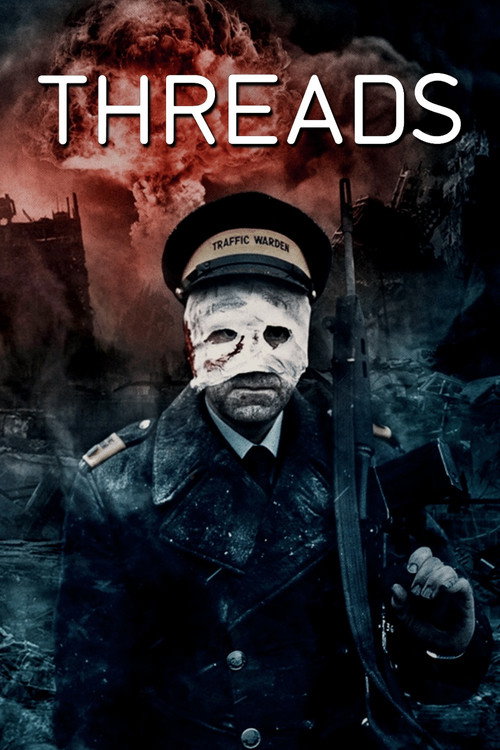
Threads1984
A British nuclear war drama that documents with horrifying specificity what would happen if the Cold War turned hot. Unflinching and hauntingly realistic about technological catastrophe.
But It's brutally bleak and genuinely distressing. Some see it as exploitative, and the 1980s TV production values can feel dated in ways that reduce impact.
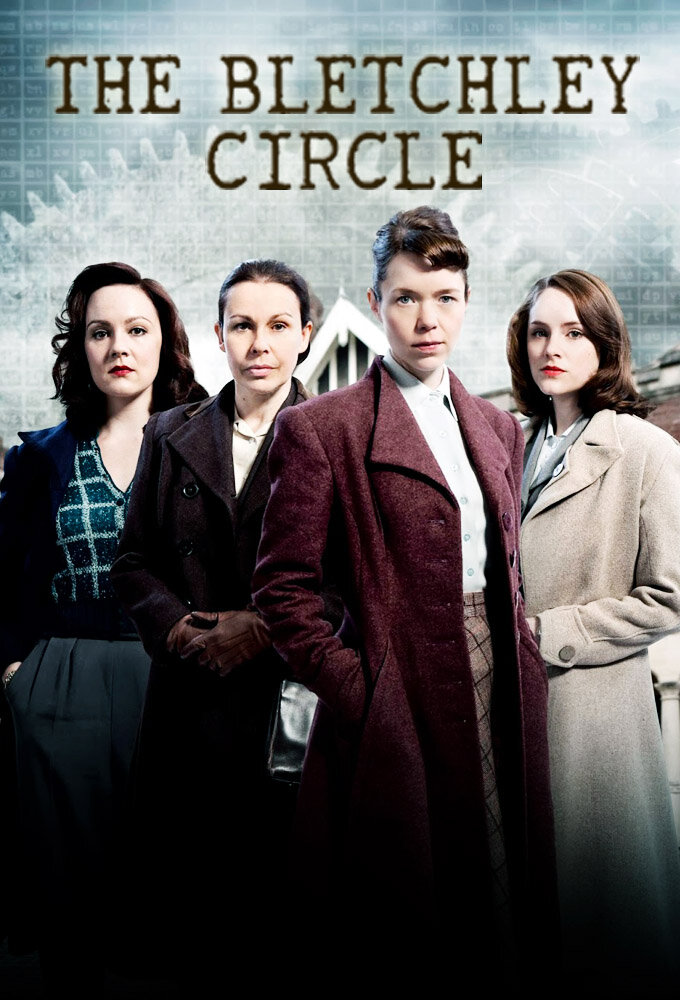
The Bletchley Circle2012
A drama series about female codebreakers at Bletchley Park after the war, trying to solve murders using their mathematical minds. Smart, feminist, and genuinely clever about how intelligence work works.
But It's a period crime drama first, history second. The mysteries sometimes strain credibility, and tone lurches between cosy mystery and darker drama.
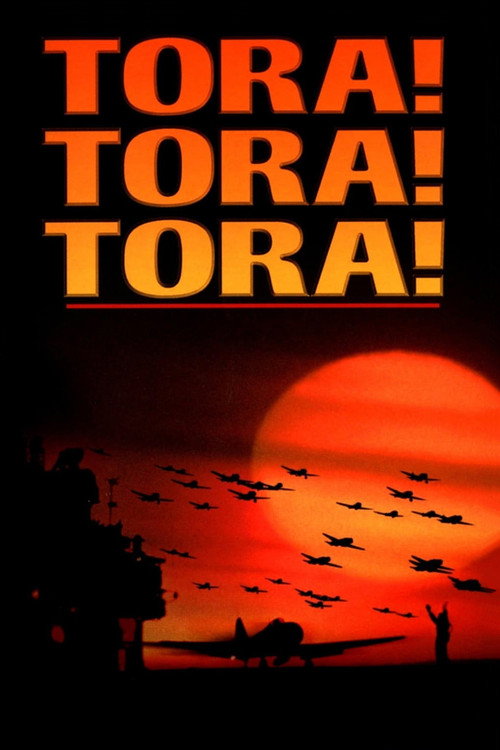
Tora! Tora! Tora!1970
A war film that reconstructs the attack on Pearl Harbor from both Japanese and American perspectives. Technically masterful, with elaborate set pieces and a commitment to showing how both sides saw the moment.
But It's a spectacle rather than analysis. The dialogue is functional, and it lacks moral or emotional depth beyond the tactical.
Kes1970
Like The Secret War, it's British documentary realism about expertise and precision, but applied to something intimate and alive rather than technological.
A British social realist drama about a working-class boy training a kestrel. It's a meditation on knowledge, skill, and mastery—how understanding and connection triumph over brutality. Quietly devastating.
But It's about a boy and a bird, not war or science. Viewers expecting drama or excitement will find it slow and understated. The ending is bleak in a way that lingers uncomfortably.

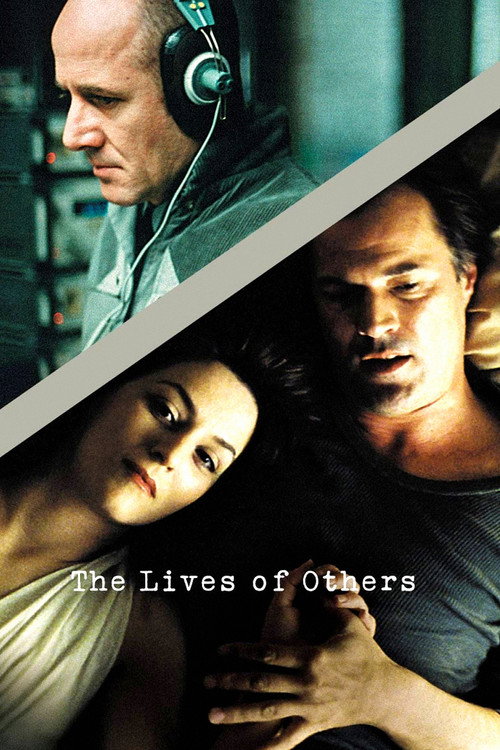
The Lives of Others2006
Both centre the invisible war—not gunfire, but data, observation, intelligence. The Secret War showed how science won battles; this shows how surveillance wins control.
A Cold War thriller about a Stasi surveillance officer assigned to monitor a playwright. It's about information as power, moral corruption, and how the act of witnessing changes the witness. Extraordinarily tense.
But It's slow-burn espionage, not action. The pacing is deliberate, and some find it emotionally exhausting. The political context requires patience to fully engage.