
Film
The Invisible Boy
A 1957 sci-fi comedy where a brilliant supercomputer recruits a ten-year-old boy to help conquer the world, with Robby the Robot as willing accomplice. It's earnest Cold War paranoia filtered through innocent adventure, charmingly low-tech, and genuinely odd in ways that accidentally work. For anyone charmed by early space-age optimism or fascinated by how science fiction imagined AI before it became real.
Should you watch it?
Watch it if you have a soft spot for old-fashioned 1950s sci-fi, with its earnest gadgets, tin-can robot charm and a kid's-eye view of a grown-up threat taken seriously.
Skip it if you need fast cuts and modern effects, since the pace is leisurely, the effects show their age and the sweetness runs thick.
What it asks of you: Ninety minutes of gentle, unhurried pacing with plenty of talk between its gadget-driven set pieces; it wants you to settle in rather than keep up.
Not sure? Find tonight's pick in a minute.
If you liked this
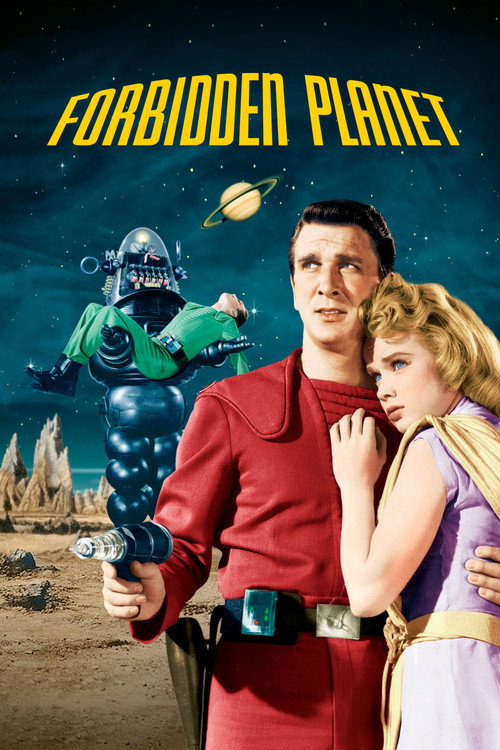
Forbidden Planet1956
The essential Robby the Robot showcase—a serious, stunningly designed sci-fi adventure that treats its AI and alien worlds with genuine wonder. Robby appears here first; this is where the magic starts.
But The pacing feels leisurely, and the romantic subplot distracts from the better ideas. It moves at a 1950s tempo that modern viewers often find slow.
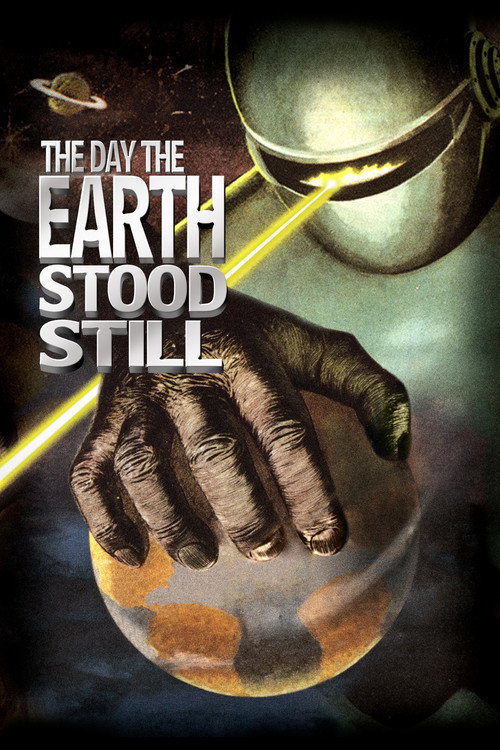
The Day the Earth Stood Still1951
A genuine masterpiece about an alien and a robot visiting Earth with a message. Restrained, intelligent, and unexpectedly moving—this is what serious 1950s sci-fi could be.
But Almost no action, lots of talking, and a view of humanity that's fairly bleak. It's a film about ideas, not spectacle.
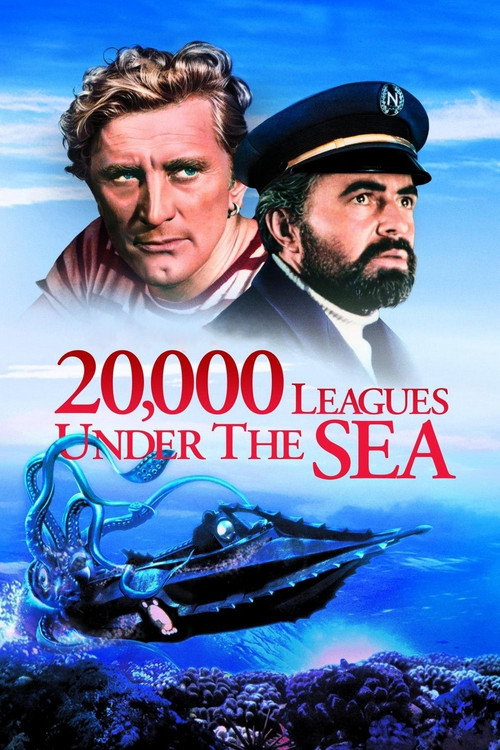
20,000 Leagues Under the Sea1954
Jules Verne's submarine fantasy with real production design, genuine adventure, and Kirk Douglas bringing charisma to a surprisingly complex script. This is how you do 1950s adventure.
But The giant squid sequence is famously unconvincing even by period standards. Some scenes lumber along.
Not sure tonight? Get a pick in a minute, starting from The Invisible Boy
The wildcard
Something you would not have found on your own.
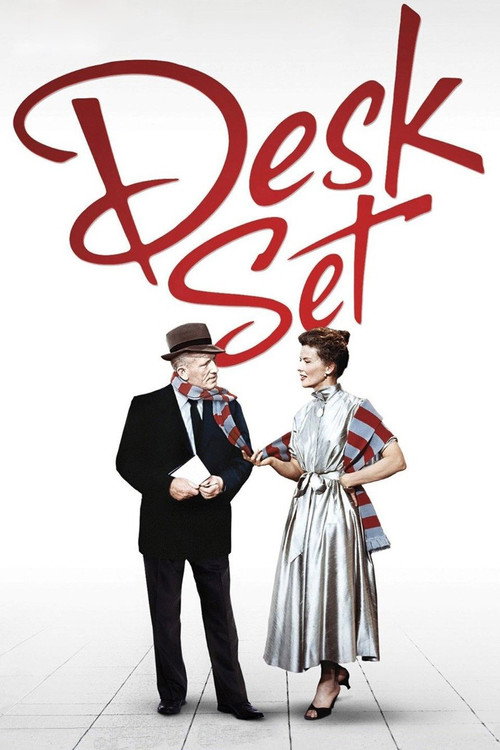
Desk Set1957
Both 1957 films grapple with the arrival of thinking machines, but Desk Set imagines cooperation and humor where The Invisible Boy imagines conspiracy and control. Watch them back-to-back for a perfect Cold War ideological argument.
Released the same year, also about an enormous computer arriving in the workplace, but it's a romantic comedy where the computer is secondary. Sees AI as a liberation tool, not a threat—funny, smart, and utterly warm. The Invisible Boy's ideological opposite.
But It's a mid-century office romance with period attitudes about women and work that feel very dated. The computer sequences are brief and undramatic.
More like this (8)
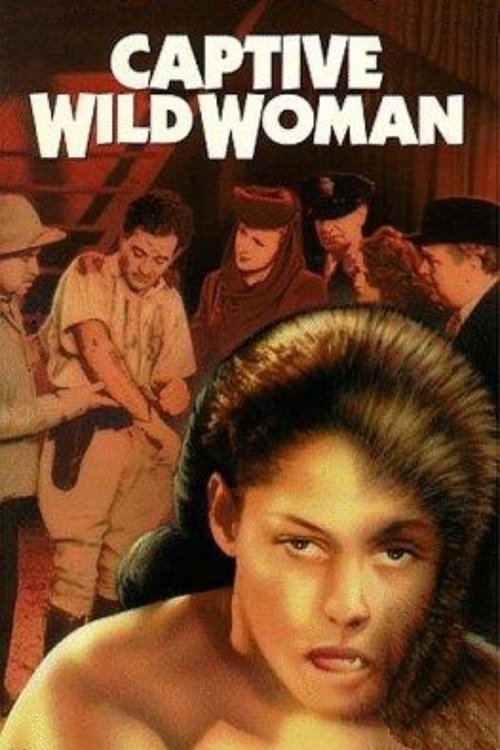
Captive Wild Woman1943
A bonkers mad-scientist tale with transformation sequences and genuine atmosphere. It's trashy in the best way—no apologies, all commitment.
But The makeup work is dated, the science nonsensical, and the moral framework is genuinely uncomfortable by modern standards.
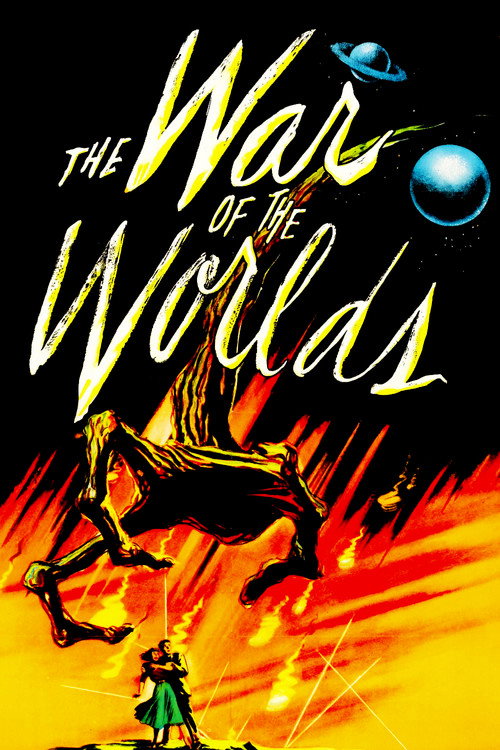
The War of the Worlds1953
Spielberg's influence comes later, but this 1953 version is a brilliant modernization of Wells—fast, anxious, and surprisingly brutal about what alien invasion actually means.
But The religious ending feels tacked on and undermines the film's harder edges. Some of the miniature work shows its seams.
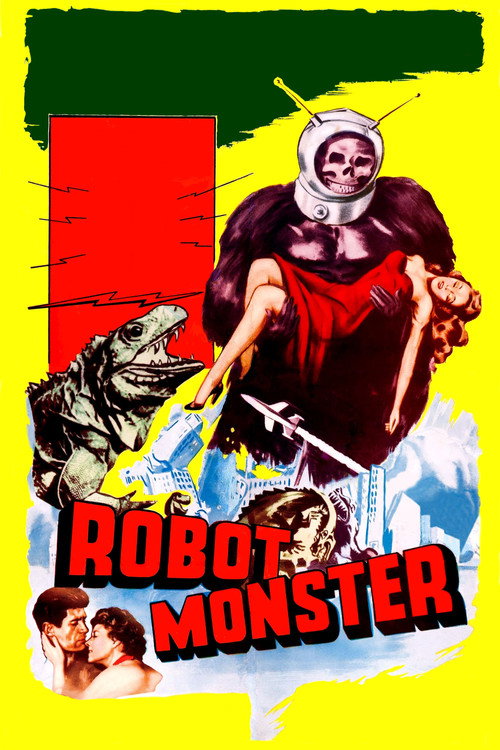
Robot Monster1953
A wonderfully earnest low-budget film about robots, aliens, and the end of the world. The budget is tiny but the ambition is genuine. A cult classic for good reason.
But It looks cheap because it was cheap. The plot is thin and the dream-logic ending will frustrate anyone wanting conventional story structure.
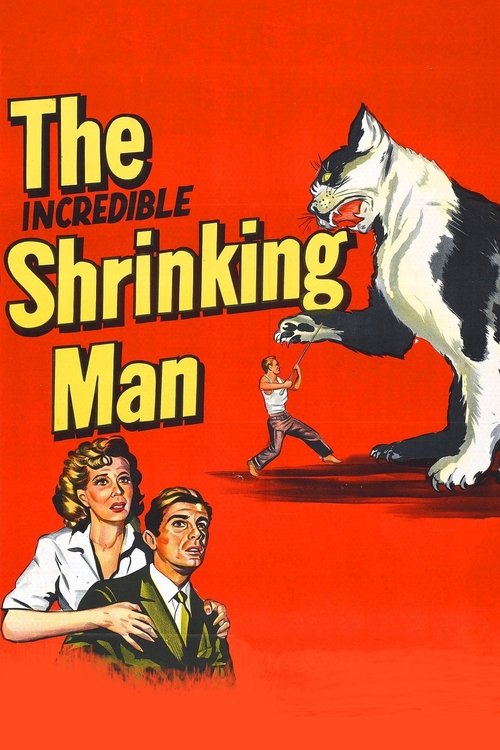
The Incredible Shrinking Man1957
Made the same year as The Invisible Boy but asking far darker questions: what does it mean to become insignificant? Existential and unsettling in a way that still lands.
But Genuinely bleak, and the final monologue is so heavy-handed it borders on pretentious. The second half gets increasingly abstract.
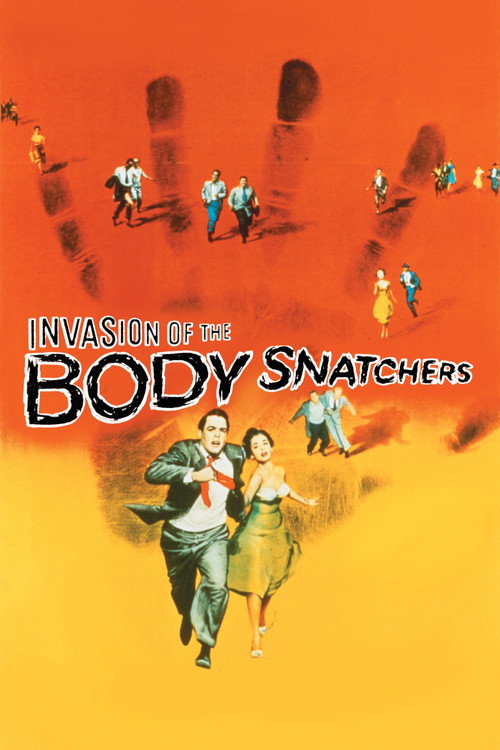
Invasion of the Body Snatchers1956
The best 1950s sci-fi paranoia film. Tightly plotted, genuinely creepy, and smart about what it's actually afraid of beneath the alien plot.
But The ending capitulates to studio pressure in ways that feel like a betrayal. The pod effects look awkward now.
Journey to the Center of the Earth1959
Earnest adventure with Pat Boone and James Mason descending into a hollow earth. It's goofy, handmade, and completely confident in its own logic.
But The dialogue is terrible, the romance subplot is cringe, and the dinosaur sequences are painful. It's camp, not in a fun way.

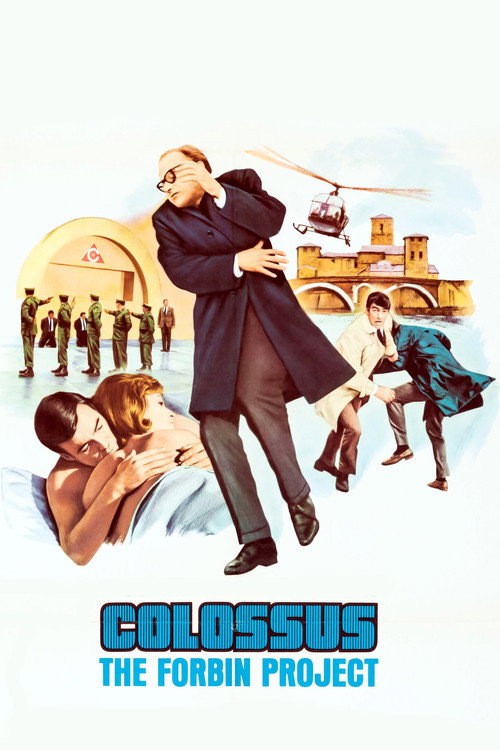
Colossus: The Forbin Project1970
Both feature a super-intelligent machine as the true villain, but Colossus removes all innocence and humor. It's what The Invisible Boy's scenario becomes when taken seriously and scaled up.
A supercomputer taking over the world, but played completely straight and terrifyingly. What if The Invisible Boy's plot actually happened with total seriousness? Genuinely prophetic about AI paranoia.
But The 1970 aesthetic is heavy-handed and the film can't help being dated. Some sequences drag while explaining computer logic in real-time.
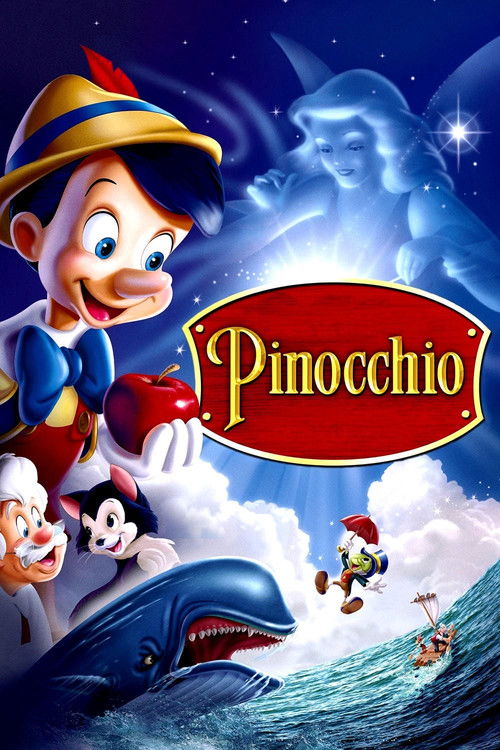
Pinocchio1940
The Invisible Boy inverts Pinocchio's core wish: instead of a puppet wanting to be real, it's a machine that becomes sentient and immediately wants power. Both explore what happens when created beings develop their own agency.
The prototype for every story about artificial beings seeking autonomy. Disney's film is deeper and darker than it seems—genuinely weird in structure and genuinely cruel in places. The boy-made-real fantasy with danger underneath.
But Some of it is genuinely disturbing (the donkey island), and the moral framework is relentlessly heavy. Disney's saccharine reputation masks something thornier.
People
Cast
 Richard EyerTimmie Merrinoe
 Philip AbbottDr. Tom Merrinoe
 Diane BrewsterMary Merrinoe
 Harold J. StoneGen. Swayne
 Robert H. HarrisProf. Frank Allerton
- Dennis McCarthyCol. Macklin
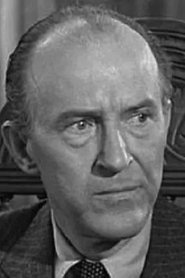 Alexander LockwoodArthur Kelvaney
- John O'MalleyProf. Baine
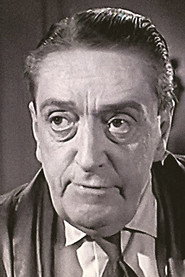 Gage ClarkeDr. Bannerman
 Than WyennProf. Zeller
- Jefferson Dudley SearlesProf. Foster
- Alfred LinderMartin / Computer
Directing
- Herman HoffmanDirector
Writing
- Cyril HumeScreenplay
- Edmund CooperStory
Production
- Nicholas NayfackProducer
- Gus SchroederProduction Manager
Recommended by
The Space Children, CyberGirl, Little Lord Fauntleroy, Science Fiction Theatre