
Film
The Space Children
A glowing alien intelligence arrives on a California beach and communicates telepathically with the children of rocket scientists, bending them to its will. This 1958 B-movie treats its sci-fi premise with earnest wonder rather than cynicism, building genuine tension from the gap between what adults see and what kids experience. It's for anyone who loves early space-age paranoia with a sincere heart.
Should you watch it?
Watch it if you love vintage science fiction where earnest, slightly stilted 1950s craft and a jittery Cold War unease about children carry the whole thing, and small budgets feel like charm.
Skip it if you need fast pacing, modern special effects or characters with real psychological depth, since the adults are sketched rather than deep and the mood is more curious than gripping.
What it asks of you: Under seventy minutes, it asks for an easy evening and patience with stiff dialogue and a deliberate, eerie rhythm that never hurries.
Not sure? Find tonight's pick in a minute.
If you liked this
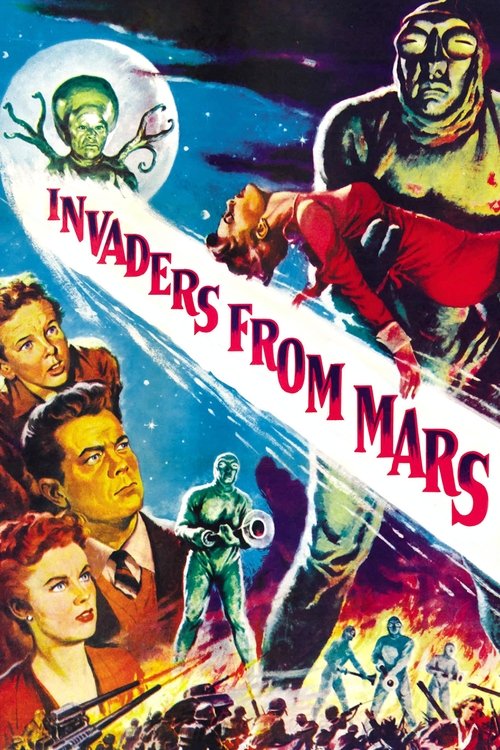
Invaders from Mars1953
Captures the same paranoid 1950s atmosphere and uses children as witnesses to incomprehensible invasion. Red Martians burrow under a small town while adults remain willfully blind, building genuine dread from ordinary settings made strange.
But The Technicolor stops abruptly when it shifts to underground sequences, and the film's structure can feel repetitive. Some will find it slow.
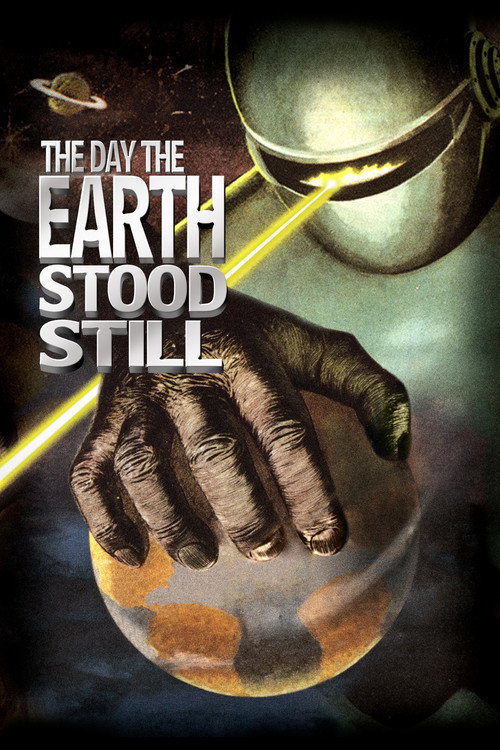
The Day the Earth Stood Still1951
Intelligent, patient alien contact story that builds meaning from restraint rather than spectacle. Klaatu arrives with a message, and the film trusts its audience to care about ideas as much as action.
But Deliberately paced. Long stretches of conversation and problem-solving instead of excitement. Some viewers find it ponderous.
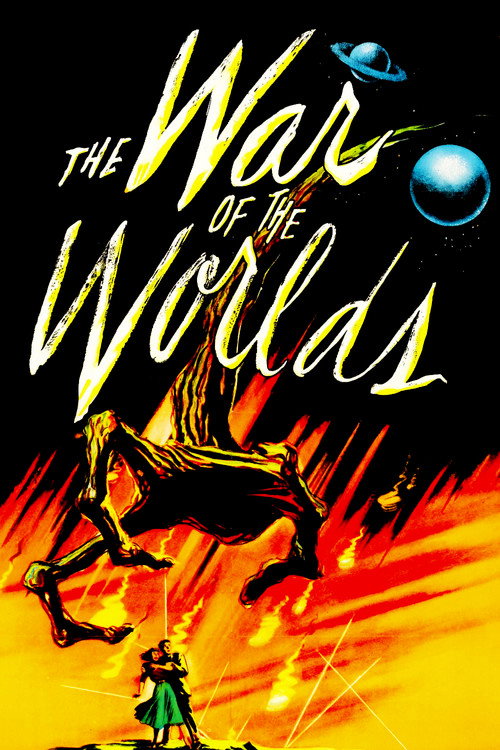
The War of the Worlds1953
Spielberg's 2005 remake captures alien invasion with apocalyptic scale and visceral dread, but start with Haskin's 1953 original—simpler, stranger, with atomic-age paranoia baked into its DNA.
But The original shows its age with model work and miniatures. Color processes have deteriorated on some prints. Both versions have pacing that modern viewers sometimes find slow.
Not sure tonight? Get a pick in a minute, starting from The Space Children
The wildcard
Something you would not have found on your own.
Quatermass II1955
Both are 1950s science fiction built on the terror of visible authority figures being controlled by invisible forces. The children in Space Children and the government officials in Quatermass II are puppets, and the real drama is watching characters realize it.
British sci-fi serial that influenced everything: aliens replicate humans, infiltrate government, and the paranoia feels lived-in rather than hysterical. Tight, intelligent, and moves like a thriller rather than a curiosity.
But Shot on videotape for live TV broadcast; image quality is muddy and flicker is unavoidable. Serial format means six 30-minute episodes, not a feature film. British accents and pacing require attentiveness.
More like this (6)
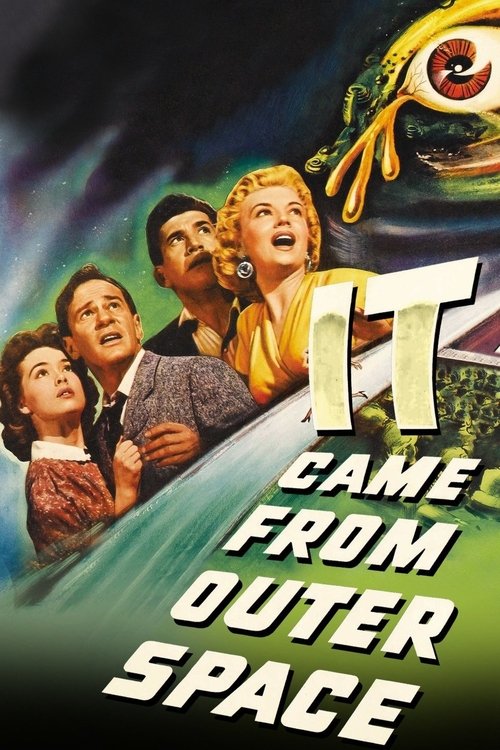
It Came from Outer Space1953
First sci-fi film shot in 3D, treating its desert-town invasion scenario with genuine thoughtfulness. Aliens aren't monsters—they're refugees—and the film wrestles with what we fear versus what we understand.
But The 3D gimmick works better on a theatrical screen than at home. Early 3D cinematography can feel flat and murky on home video.
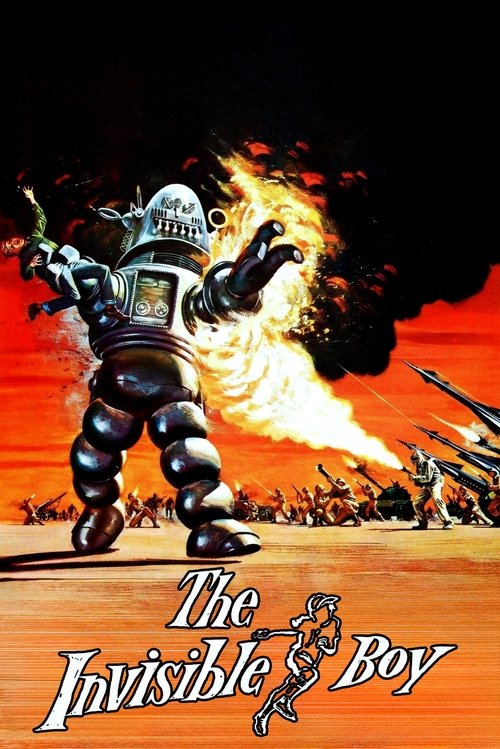
The Invisible Boy1957
Robbie the Robot returns in a smaller, sweeter film where a boy befriends an android and a supercomputer warns of nuclear danger. Earnest and strange in equal measure, with real affection for its mechanical characters.
But Low budget shows throughout. The plot threads don't quite cohere and the ending feels rushed. Appealing more to completists than newcomers.
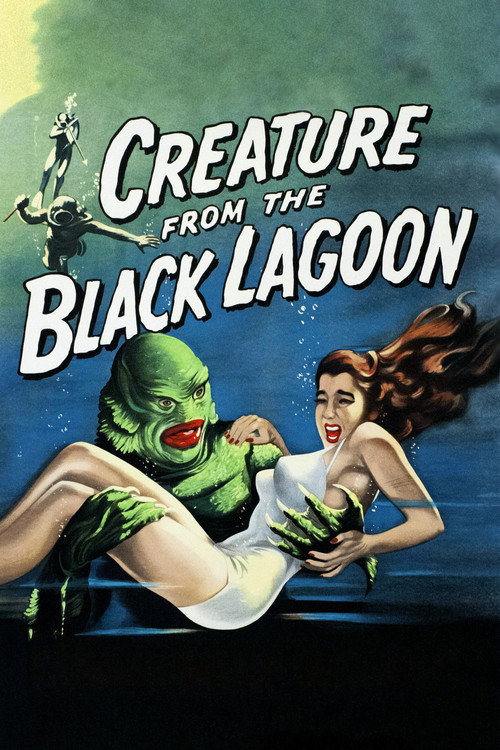
Creature from the Black Lagoon1954
Monster-movie craft at its peak: atmosphere, practical design, and underwater photography that still astonishes. Proof that B-movies could be visually sophisticated and genuinely creepy.
But Romantic subplot stalls momentum. Viewing in black-and-white is essential; the original 3D tinting on some versions looks cheap. The creature is less interesting than the environment around it.
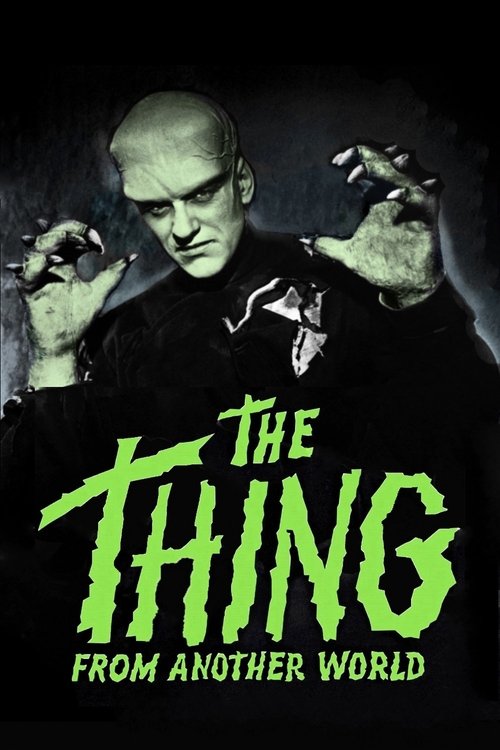
The Thing from Another World1951
Rapid-fire dialogue, paranoia, and a siege mentality create genuine tension. Early Howard Hawks collaboration; influenced everything about how we depict isolated groups under pressure.
But The thing itself is disappointing—a man in a suit. Talky to a fault for modern viewers. The military-men-in-crisis formula repeats itself predictably.
Fiend Without a Face1958
Both arrived the same year with the same core idea: an unseen intelligence using children (or people's minds) as conduits. Same paranoia, same era, different approach—where Space Children is about control, Fiend explores the literal objectification of thought as flesh.
A Canadian B-movie about invisible creatures made visible through telekinesis. Genuinely unsettling practical effects (stop-motion brains with spinal cords), and it takes its premise seriously despite its absurdity.
But The special effects, while impressive for 1958, are dated and move stiffly. Dialogue is workmanlike. The final act pivots to action in ways that deflate the creeping dread of the middle section.

Childhood's End2015
Both hinge on the terrifying passivity of adults watching children become vessels for inhuman intelligence. The difference: Childhood's End treats this as apocalyptic philosophy; Space Children treats it as immediate pulp horror. Same existential dread, opposite registers—one contemplative, one visceral.
Miniseries adaptation of Clarke's novel: vast alien ships hover over Earth's cities and communicate only with children. Philosophical, visually striking, and genuinely interested in what contact would mean for human culture and belief.
But Three episodes instead of a feature means slower unfolding; some find the pacing glacial. Visually ambitious but uneven execution. The ending is divisive—either haunting or unsatisfying, depending on your tolerance for melancholy.

People
Cast
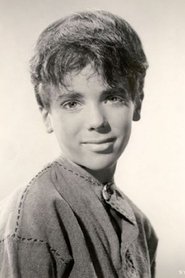 Michel RayBud Brewster
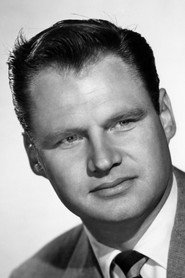 Adam WilliamsDave Brewster
 Peggy WebberAnn Brewster
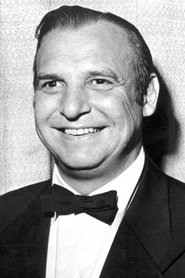 Jackie CooganHank Johnson
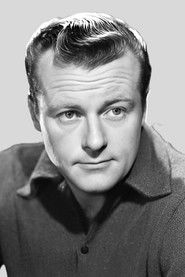 Richard ShannonCol. Manley
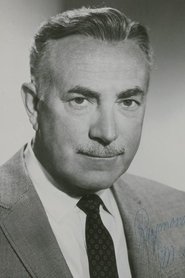 Raymond BaileyDr. Wahrman
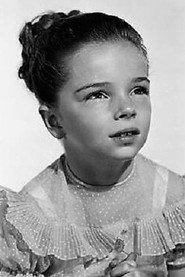 Sandy DescherEadie Johnson
 Larry PennellMaj. Thomas
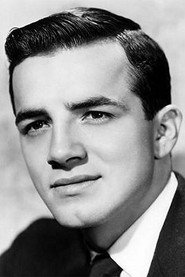 Peter BaldwinMr. James
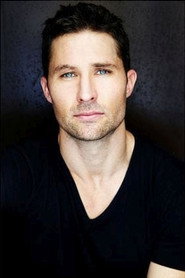 Ty HungerfordSentry
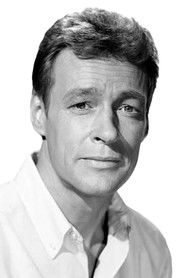 Russell JohnsonJoe Gamble
Directing
- Jack ArnoldDirector
Writing
- Bernard C. SchoenfeldScreenplay
- Tom FilerStory
Production
- William AllandProducer
Recommended by
Explorers, Voyage to the Planet of Prehistoric Women, The Year of the Sex Olympics, Dr. Goldfoot and the Bikini Machine