
Film
Dr. Goldfoot and the Bikini Machine
- AI and robot sci-fi
- Parody
- Con-artist caper
- Light-hearted
A 1965 spy-comedy where Vincent Price's mad scientist deploys an army of bikini-clad robots to seduce wealthy men out of their fortunes. It's campy, silly, and thoroughly committed to its own absurdity—the kind of film that knows exactly how ridiculous it is and leans in hard. Perfect if you love kitschy '60s entertainment and don't mind that the plot exists mainly as scaffolding for gags.
If you liked this
Barbarella1968
Jane Fonda in a space-age romp that's equally campy and colourful, with the same winking attitude toward sci-fi tropes and sexual innuendo. Gorgeous production design and a genuine sense of fun.
But It's deliberately silly in ways that demand you're in on the joke—if camp doesn't land for you, you'll just see an expensive mess.

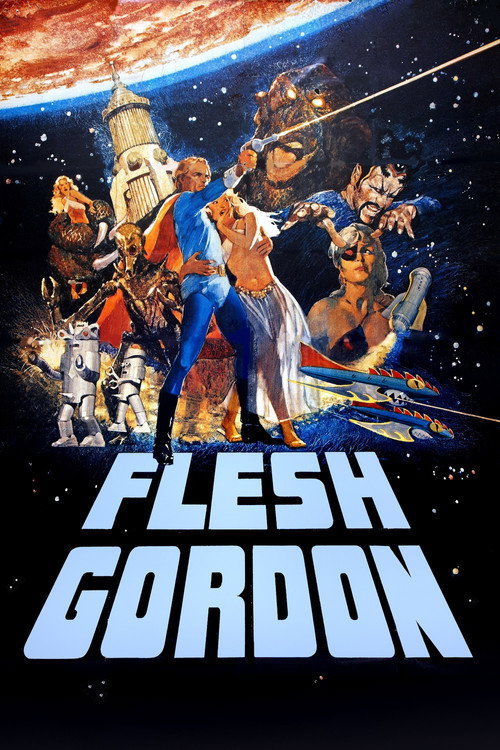
Flesh Gordon1974
An outrageous spoof of Flash Gordon that pushes the sex-comedy angle even further, with practical effects and unhinged creativity. Same era, same spirit, more willing to be genuinely weird.
But It's graphically sexual in ways that feel dated and occasionally uncomfortable; the humour relies heavily on nudity in a way that doesn't always age gracefully.
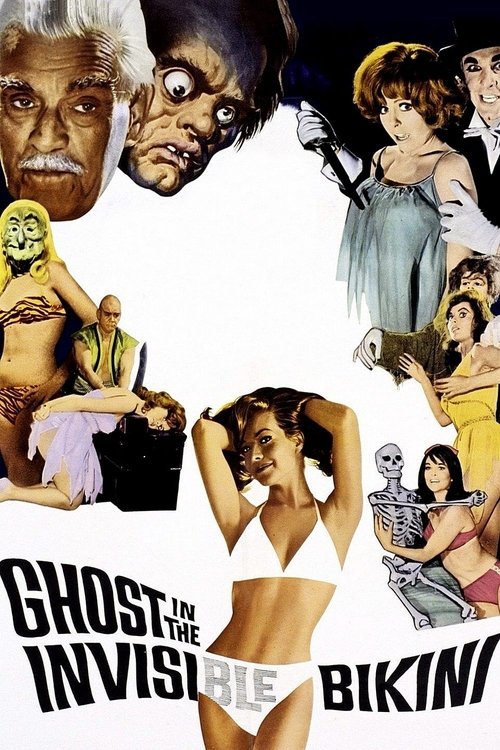
The Ghost in the Invisible Bikini1966
Beach-party chaos with Vincent Price again, mixing comedy, supernatural elements, and zero narrative logic. Pure entertainment for entertainment's sake, with that same b-movie charm.
But The pacing is slack and the jokes are hit-or-miss; you're really just here for the vibe and the presence of Price, not a coherent story.
Not sure tonight? Get a pick in a minute, starting from Dr. Goldfoot and the Bikini Machine
The wildcard
Something you would not have found on your own.
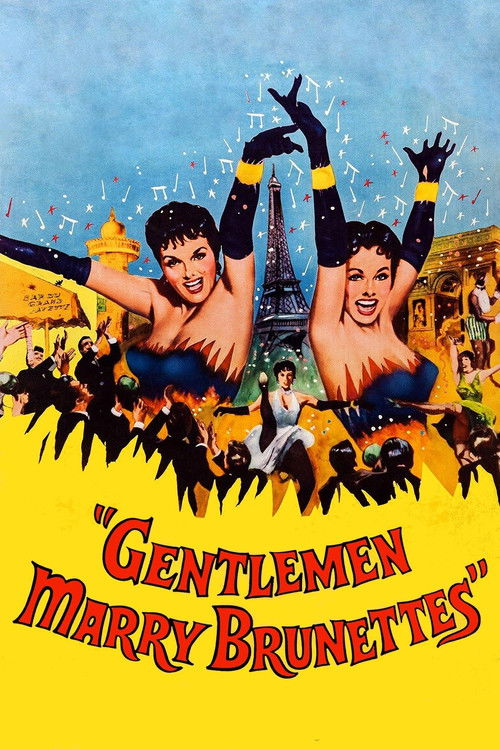
Gentlemen Marry Brunettes1955
Both are fundamentally about beautiful people (real or artificial) manipulating the wealthy through seduction. Goldfoot just adds robots and secret agents to the con.
A musical comedy about two women conning wealthy men—the exact same moral axis as Goldfoot, but played as romance and spectacle rather than sci-fi. Jane Russell and Jeanne Crain sing and scheme their way through Paris and London, proving the idea works in any era.
But It's a straight musical, so if you want sci-fi trappings or the ironic b-movie feel, this will feel quaint and square by comparison.
More like this (7)
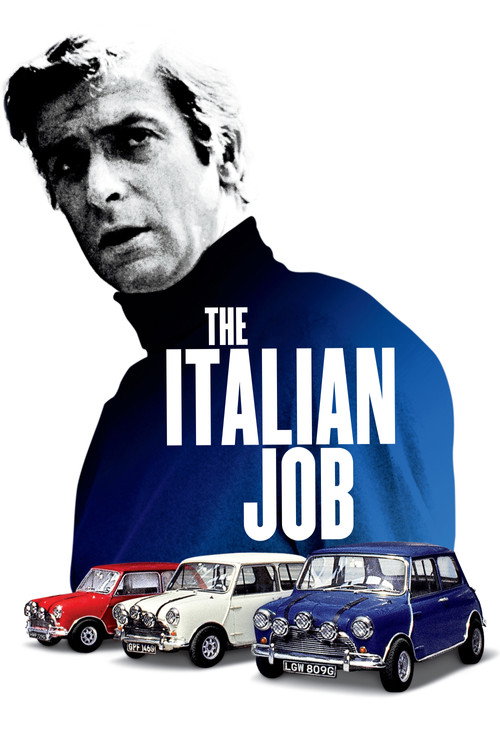
The Italian Job1969
A heist comedy with style, humour, and genuine invention. '60s swagger without the camp—if you want the era and energy but with a plot that actually holds up.
But It's a different tone entirely; much more grounded and clever, so you lose the gleeful absurdity that makes Goldfoot tick.
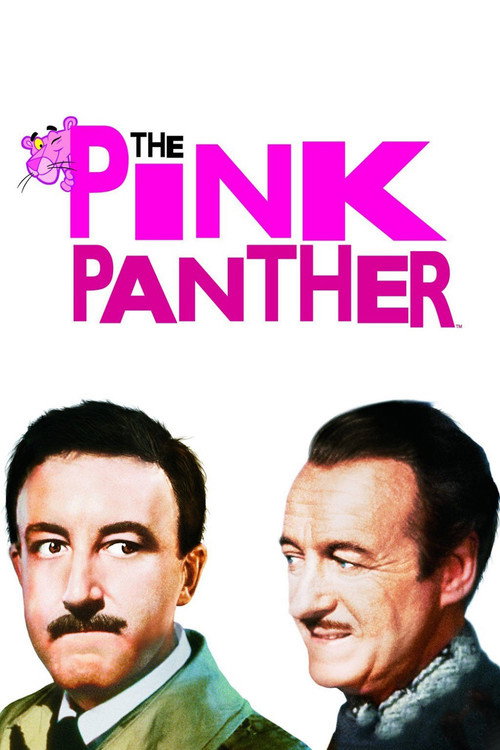
The Pink Panther1963
Peak comedy spy-fi, with Peter Sellers inventing physical comedy as he goes. Smart enough to work on multiple levels, silly enough to never take itself seriously.
But It's a masterpiece of another kind—so well-crafted it might make Goldfoot look like a sketch that overstayed its welcome.
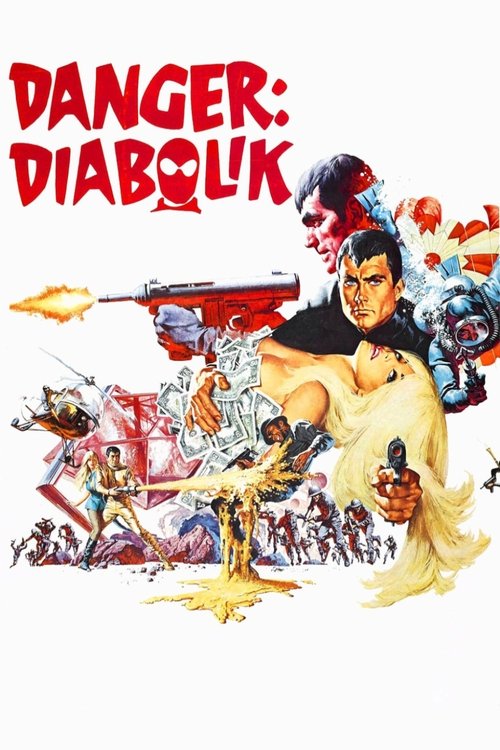
Danger: Diabolik1968
A stylish, gorgeous Italian pulp film about a criminal mastermind. Shares the '60s kitsch and an outlandish villain, but played straighter and with wildly better cinematography.
But It's camp of a different colour—more arch and European, less broad comedy. You're admiring its style rather than laughing at the absurdity.
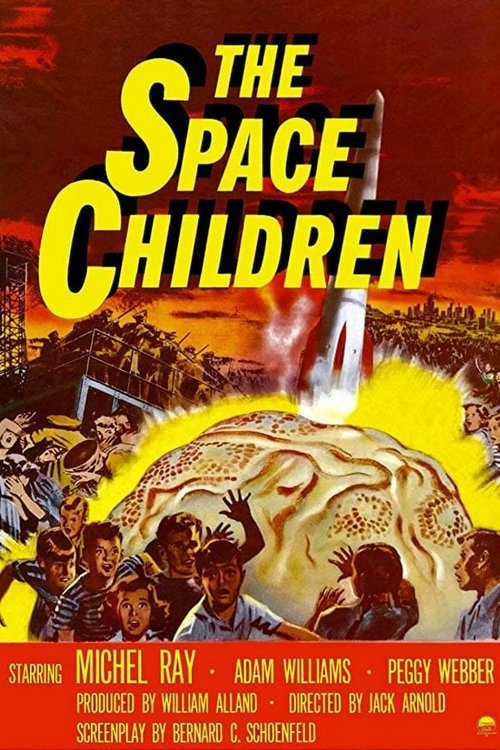
The Space Children1958
Early sci-fi B-movie with genuine weirdness and practical effects. Low budget, high strangeness—the ancestor of films like Goldfoot, but more earnest about its own premise.
But It's slow and genuinely eerie in places, which undercuts the fun; you have to meet it on its own serious terms.
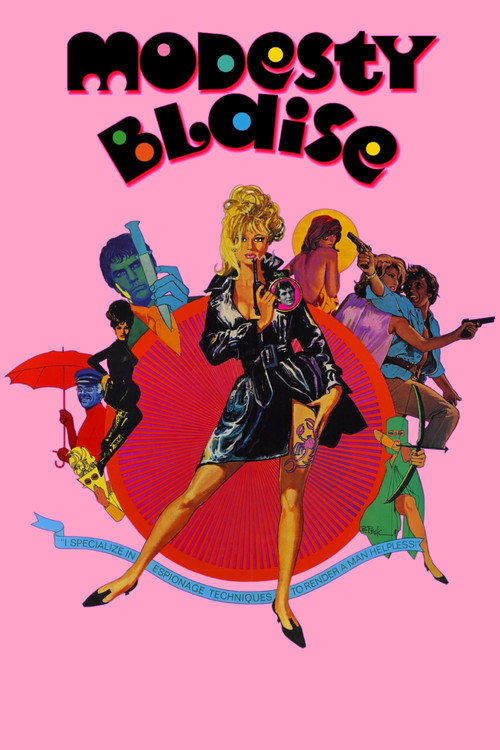
Modesty Blaise1966
A groovy spy-adventure with Terence Stamp and Monica Vitti, all swinging '60s style and colourful set design. Campy without trying too hard, fun without the wink.
But The plot meanders and the tone is uneven; it never quite commits to either camp or spy-thriller, which means neither fully lands.
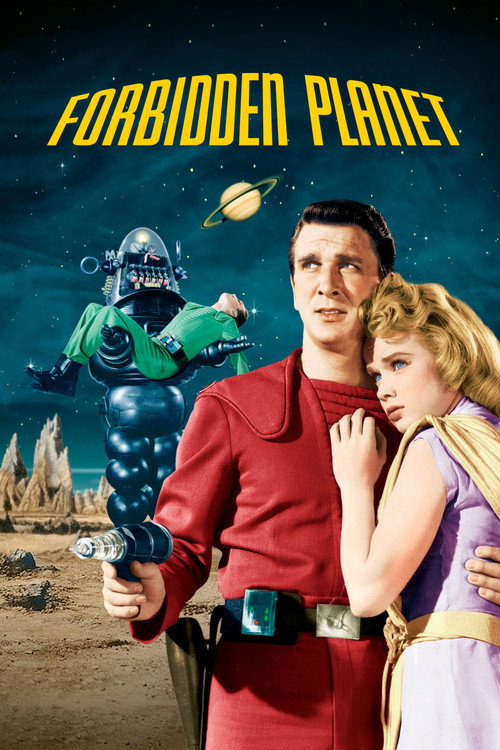
Forbidden Planet1956
Both use robots and artificial creation as central plot devices, but Goldfoot asks 'what if they were sexy?' while Forbidden Planet asks 'what does it mean to create life?' They're inverses of the same question.
A serious, beautiful sci-fi film that treats robots and artificial beings as genuine philosophical questions. The sets, the Robby the Robot, the Krell machine—it's everything Goldfoot plays for laughs, executed with genuine craft and wonder.
But It's a straight drama that takes itself seriously; no comedy, no camp, no winking. If you're watching for the laughs, you'll be bored by the earnestness.
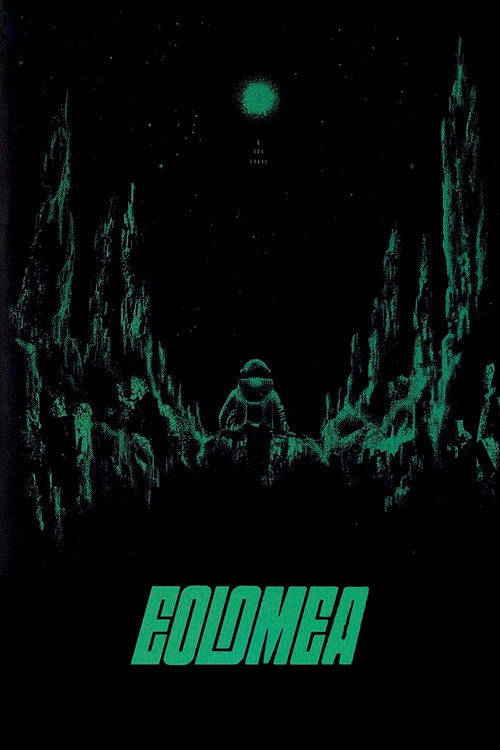
Eolomea1972
Both explore what it means to be artificial or manufactured—what happens when a person (or robot) is designed to be something they weren't born as. Goldfoot treats it as a joke; Eolomea treats it as tragedy.
A bizarre, dreamlike Hungarian sci-fi film about a woman who leaves Earth and returns transformed. Shot in colour, deeply strange, with ideas about artificiality and identity that would never occur to a '60s American comedy. Hypnotic and genuinely unsettling.
But It's slow, oblique, and doesn't explain itself; there's no plot in the traditional sense. If you want clarity and comedy, this will feel like watching someone else's fever dream.
People
Cast
 Vincent PriceDr. Goldfoot
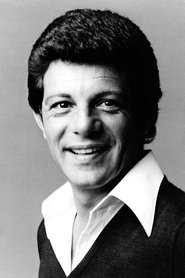 Frankie AvalonCraig Gamble
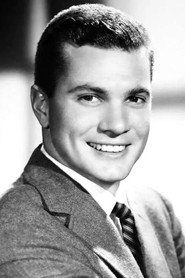 Dwayne HickmanTodd Armstrong
 Susan HartDiane
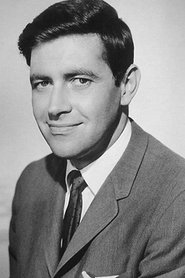 Jack MullaneyIgor
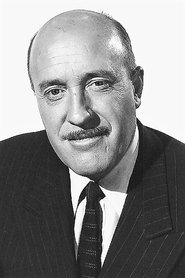 Fred ClarkD.J. Pevney
- Patti ChandlerRobot
 Mary HughesRobot
 Salli SachseRobot
 Luree HolmesRobot
- Sue HamiltonRobot
- Laura NicholsonRobot
Directing
- Claude Binyon Jr.Assistant Director
- Norman TaurogDirector
- Wallace C. BennettScript Supervisor
Writing
- Elwood UllmanScreenplay
- Robert KaufmanScreenplay
- James H. NicholsonStory
Production
- Anthony CarrasCo-Producer
- James H. NicholsonProducer
- Samuel Z. ArkoffProducer
- Jack BohrerProduction Supervisor